Wondering why some South Kona listings click with mainland buyers right away while others stall out with endless questions? If your likely buyer is shopping from thousands of miles away, your property needs to do more than look good online. It needs to answer practical concerns early, build confidence from a distance, and make due diligence feel manageable. Let’s dive in.
Why Mainland Buyers Need More Information
Many mainland buyers start online and may even make an offer before seeing the property in person. That means your listing has to work harder than a typical local listing. Instead of acting like a simple marketing flyer, it should function like a clear, organized property packet.
For South Kona sellers, that matters even more because buyers often want details about access, utilities, permits, and land use before they feel comfortable moving forward. The more uncertainty they see, the more likely they are to pause, ask for more time, or renegotiate later. A well-prepared listing helps you reduce that friction from the start.
Start With Parcel And Land Details
In South Kona, the land itself often raises questions that mainland buyers are not used to asking. They may want to understand parcel boundaries, zoning, subdivision status, addressing, and whether any planning permits affect the property. Hawaiʻi County planning tools and TMK maps are often the starting point for that review.
Zoning can also shape what a buyer believes the property can be used for. County zoning rules control things like permitted uses, setbacks, and height limits. If a buyer cannot quickly understand those basics, they may worry they are missing something important.
Clarify Access Early
Access is one of the first things remote buyers try to confirm. If the driveway, easements, gate, parking area, or entry path are unclear in photos or documents, questions usually follow. In a place like South Kona, showing exactly how the property is reached can make a major difference.
County site plan guidance also points to the importance of showing the whole parcel, easements, driveway access, and utilities. If you already have documents that clearly show those items, gathering them before listing can save time later. It also helps buyers picture how daily life at the property actually works.
Address Shoreline Status If It Applies
If your parcel is at or near the shoreline, you should expect extra buyer questions. Hawaiʻi County notes that shoreline-abutting lots may be subject to SMA use permits and shoreline setback variances, and shoreline lots generally have a 40-foot minimum shoreline setback. DLNR says shoreline certification is the baseline used for measuring setbacks.
For a mainland buyer, shoreline property can feel exciting and complicated at the same time. If approvals, certifications, or shoreline-related records exist, having them ready can reduce uncertainty. It also helps buyers understand what is already permitted and what limitations may apply.
Gather Permits Before You Go Live
One of the fastest ways to lose a remote buyer’s confidence is to leave permit questions unanswered. Hawaiʻi County’s online plans, permits, and inspections system allows public searches for planning applications, building permits, and some engineering permits. Buyers and their agents often look there quickly.
If your home has additions, lanais, outbuildings, solar-related improvements, or other upgrades, expect buyers to ask whether permits were issued and finalized. Even if the answer is straightforward, it is better to organize that information before your listing launches. That creates a cleaner story and reduces back-and-forth in escrow.
Check For Open Or Expired Permits
Permit history is not just about proving work was done. Buyers also want to know whether any permit remains open or whether timing may be an issue. County guidance says contractor permits expire after three years and owner-builder permits after five years unless extended.
That does not automatically mean there is a problem, but it does mean you should know what your file shows. If there are open questions, it is usually better to identify them early rather than let a mainland buyer discover them during due diligence.
Document Water And Wastewater Systems
Utility systems are another major decision point for off-island buyers. In South Kona, buyers may be less familiar with catchment, non-municipal service arrangements, or varying maintenance responsibilities. If they cannot easily understand how water and wastewater are handled, they may hesitate.
The best approach is to clearly document the exact provider or system type, how billing works, and who is responsible for maintenance. DCCA notes that water and wastewater service in Hawaiʻi may be municipal, cooperative, or private, which is why general assumptions can create confusion.
Explain Catchment Clearly
If the property uses rainwater catchment, give buyers practical information, not just a passing mention. The Hawaiʻi Department of Health says individual-home rainwater catchment systems are not regulated by DOH, but they should be well designed, maintained, and periodically tested. DOH also offers subsidized lead and copper testing once a year for qualifying catchment homes.
For a mainland buyer, catchment may be completely unfamiliar. Clear notes about tank location, equipment, maintenance routines, and any available testing history can help make the system feel understandable instead of risky.
Confirm Wastewater Records
Wastewater documentation matters just as much. DOH states that cesspools are substandard and that Act 125 requires replacement of all cesspools by 2050. If wastewater records are missing, DOH recommends requesting records or hiring a licensed wastewater engineer, and if there is a cesspool, the branch requires an existing cesspool information card.
That does not mean every buyer will walk away from a property with a cesspool. It does mean they will want honest, organized information. If your records are incomplete, that is worth addressing before the home goes on the market.
Build A Hawaii-Specific Disclosure Packet
Hawaiʻi disclosure rules are specific, and mainland buyers often feel more comfortable when sellers are organized from day one. HRS 508D-4 requires the seller’s disclosure statement to be signed within six months before or ten calendar days after acceptance and delivered to the buyer. If material facts later change, HRS 508D-13 requires an amended disclosure.
This is one area where preparation really pays off. When your disclosure packet is complete, current, and easy to review, buyers tend to feel that the transaction is being handled carefully. That confidence can carry through the entire escrow process.
Include Hazard And Restriction Information
HRS 508D-15 requires notice if the property lies in a special flood hazard area, tsunami inundation area, sea level rise exposure area, airport noise area, or military noise area. If the parcel is adjacent to the shoreline, sellers must also disclose permitted and unpermitted erosion control structures, permit expiration dates, notices of alleged violation, and fines.
For South Kona properties, it is also prudent to check the parcel’s lava-flow hazard zone. Even when a buyer loves the property, they still want a realistic picture of location-based conditions. Clear disclosure reduces surprises and helps the right buyer move forward with open eyes.
Provide Association Or Use Restriction Documents
If the property is subject to recorded declarations or other use restrictions, HRS 508D-3.5 requires the related association or restriction documents to be provided. Mainland buyers often focus closely on these records because they want to understand ongoing obligations, fees, and limitations before they commit.
Taxes and HOA fees also help online shoppers understand carrying costs. When that information is easy to review, buyers can make more confident financial decisions without waiting until late in the process.
Use Visuals That Answer Real Questions
Great listing photos still matter, but for mainland buyers, visuals need to do more than create interest. NAR recommends strong visual marketing that includes photos, video, virtual tours, floor plans, and live walkthroughs through tools like Zoom or FaceTime. The goal is to help buyers understand the property clearly from a distance.
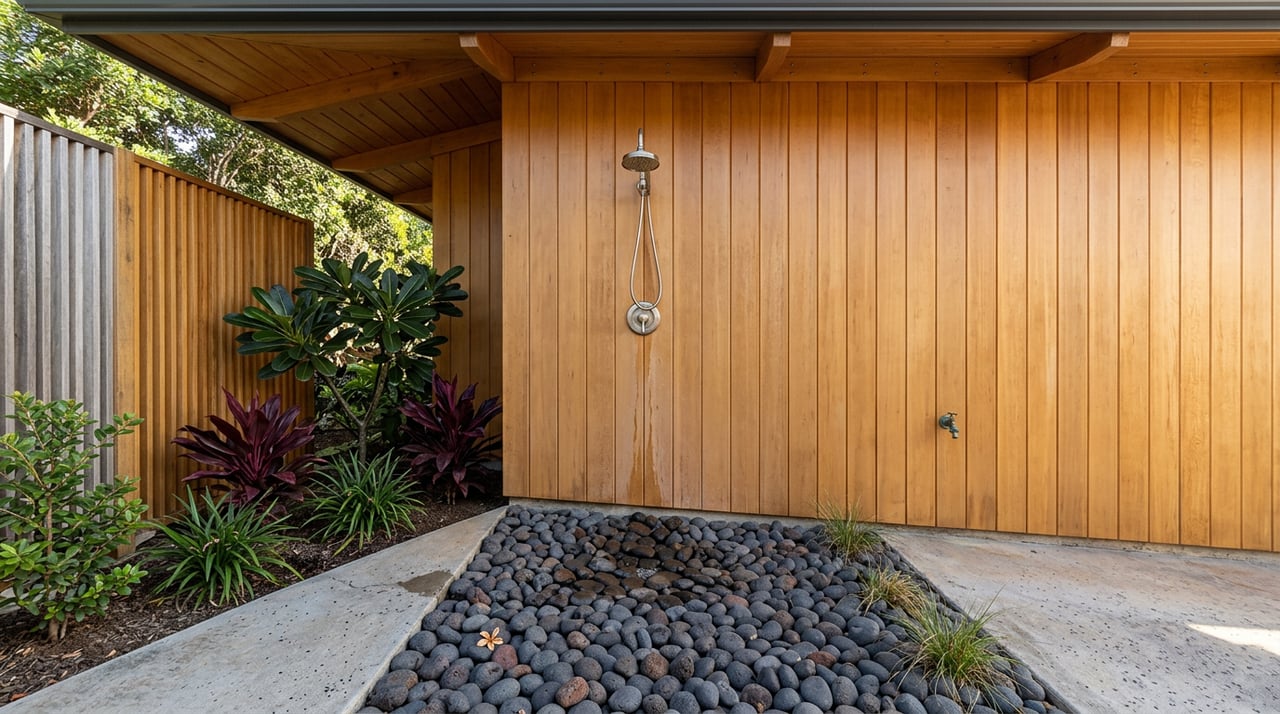
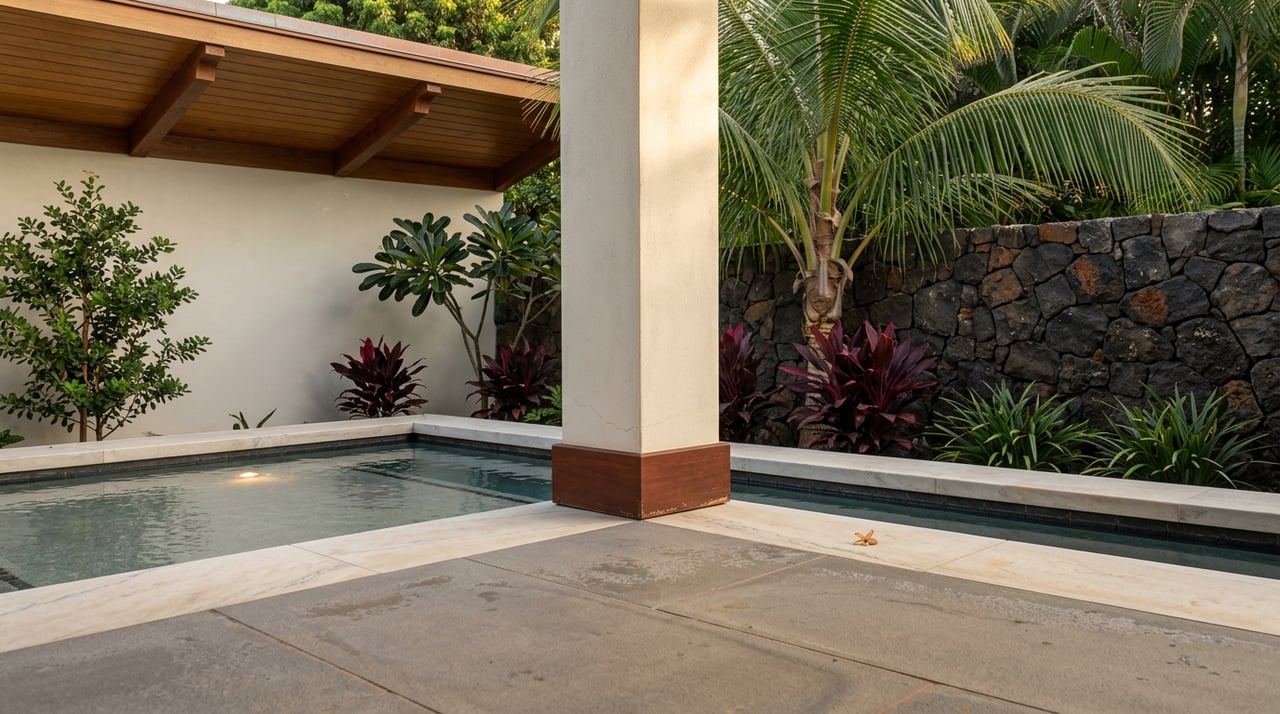
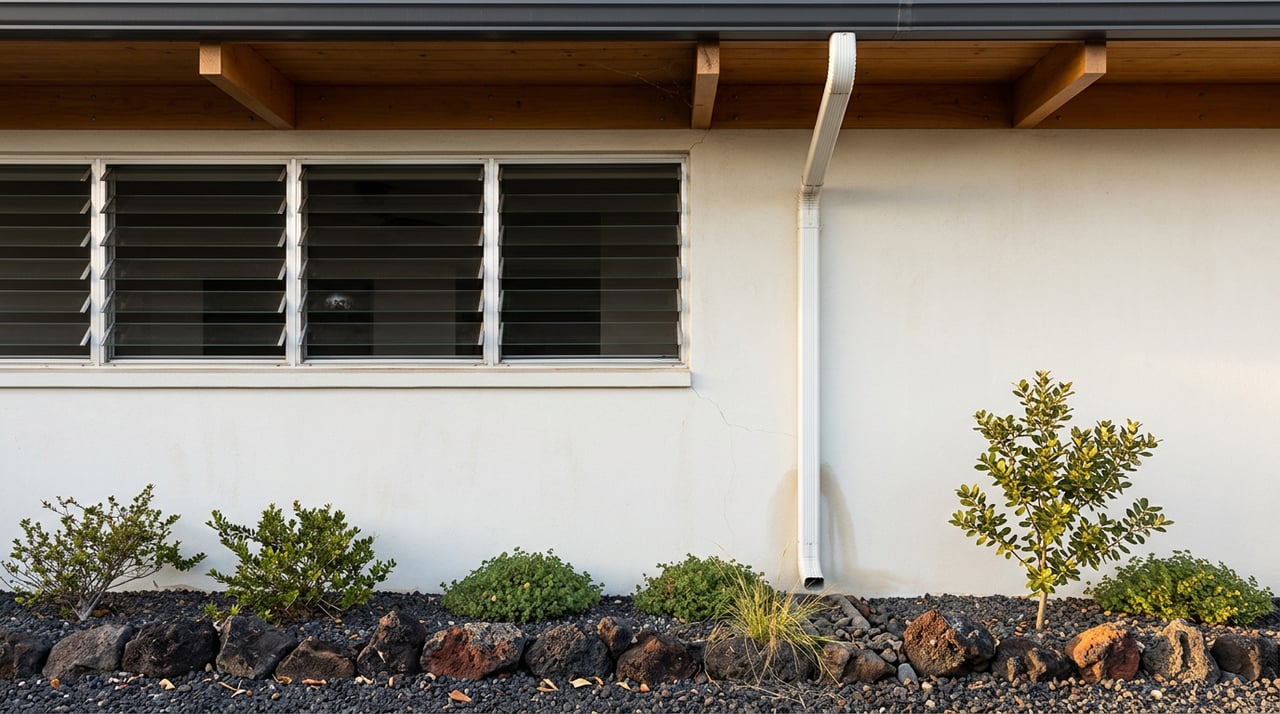
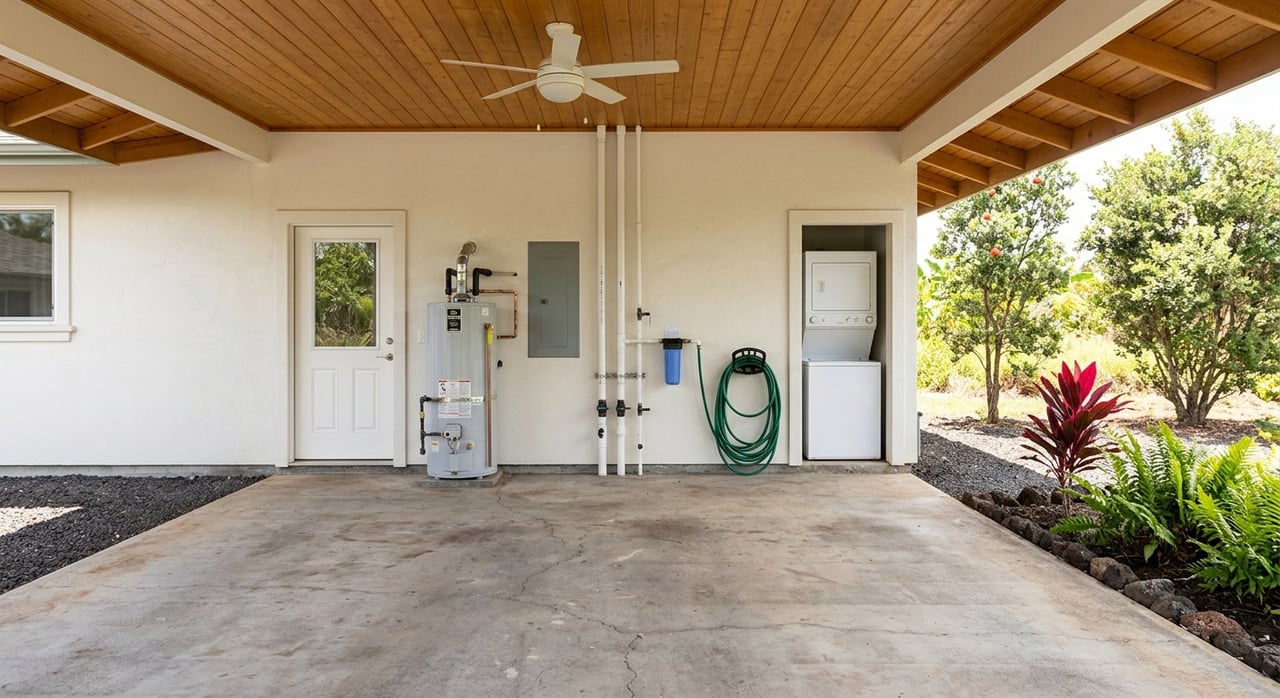
In South Kona, the most useful visuals often go beyond the living room and kitchen. Buyers usually benefit from seeing driveway conditions, parking, gate or entry points, views, water tanks, catchment equipment, solar or battery systems, outbuildings, drainage, and visible boundaries or neighboring uses. Those details help them assess function, not just style.
Show How The Property Lives
A remote buyer cannot fill in the blanks as easily as a local buyer standing on site. They need to understand flow, layout, storage, outdoor living, and how the home connects to the land. Floor plans, walkthrough video, and carefully chosen exterior images can answer those questions before they become objections.
This is where thoughtful preparation pays off. A polished, transparent presentation helps your property feel easier to trust. That trust often leads to stronger engagement and more serious conversations.
Reduce Escrow Friction Before It Starts
The most common escrow slowdowns for off-island buyers usually come back to the same issues. They want to know whether structures are permitted, whether permits are still open, whether access and easements are clear, whether water and wastewater systems are documented, and whether shoreline or hazard disclosures apply.
If those items are vague, buyers may ask for extra inspections, longer timelines, or price adjustments. If those items are documented up front, the transaction often feels smoother because fewer unknowns remain.
Consider A Pre-Listing Inspection
Hawaiʻi law notes that buyers may wish to obtain professional advice and inspections. From a seller’s perspective, a pre-list inspection can be a smart way to surface issues early. It gives you the chance to prepare records, plan repairs if needed, and present the home with fewer surprises.
That is especially valuable when your likely buyer is not nearby. Mainland buyers tend to react strongly to uncertainty because they cannot easily visit the property again for quick follow-up. Solving what you can before listing helps keep momentum on your side.
What To Include In Your Listing Packet
A strong South Kona listing packet should help a remote buyer move from interest to confidence. In many cases, that means gathering the most relevant property records before marketing begins. The exact contents will vary, but a practical packet often includes:
- Seller disclosure statement
- TMK map
- Permit history
- Finaled permits
- Survey or site plan
- Wastewater records
- Catchment records, if applicable
- HOA or CC&R documents, if applicable
- Shoreline or SMA approvals, if applicable
- Property tax and fee information
When these documents are organized early, your listing tells a more complete story. Instead of forcing buyers to chase information, you help them evaluate the property clearly and quickly.
A Better Buyer Experience Can Mean A Better Sale
Preparing your South Kona property for mainland buyers is really about removing uncertainty. When your listing combines strong visuals, organized records, clear disclosures, and practical property details, buyers can spend less time worrying about what they do not know. That often leads to better questions, stronger offers, and a smoother path through escrow.
At Hawaiʻi Estates, we take an Aloha-forward, detail-driven approach to seller preparation, marketing, and transaction management. If you are getting ready to sell in South Kona and want practical guidance on permits, property presentation, and paperwork, connect with Hawai'i Estates.
FAQs
What should South Kona sellers prepare for mainland buyers?
- South Kona sellers should prepare a remote-friendly listing packet with strong visuals, disclosure documents, permit history, parcel information, utility details, and any applicable wastewater, shoreline, or association records.
Why do mainland buyers ask more questions about South Kona property access?
- Mainland buyers often cannot visit the property right away, so they rely on documents and visuals to understand driveway access, easements, parking, gates, and how the parcel is reached.
Do South Kona sellers need to disclose hazard information?
- Yes. Hawaiʻi law requires notice for certain hazard and exposure areas, including special flood hazard areas, tsunami inundation areas, sea level rise exposure areas, airport noise areas, and military noise areas.
What utility records matter most for South Kona homes?
- Buyers often want clear information about water source, wastewater system type, service provider if applicable, billing structure, maintenance responsibility, and any available catchment or wastewater records.
How can South Kona sellers reduce escrow delays with off-island buyers?
- Sellers can reduce delays by organizing permits, checking for open permit issues, preparing current disclosures, documenting access and utilities, and addressing likely buyer questions before the property goes live.