42,087 people live in Kailua Kona, where the median age is 46 and the average individual income is $49,807. Data provided by the U.S. Census Bureau.
Total Population
Median Age
Population Density Population Density This is the number of people per square mile in a neighborhood.
Average individual Income
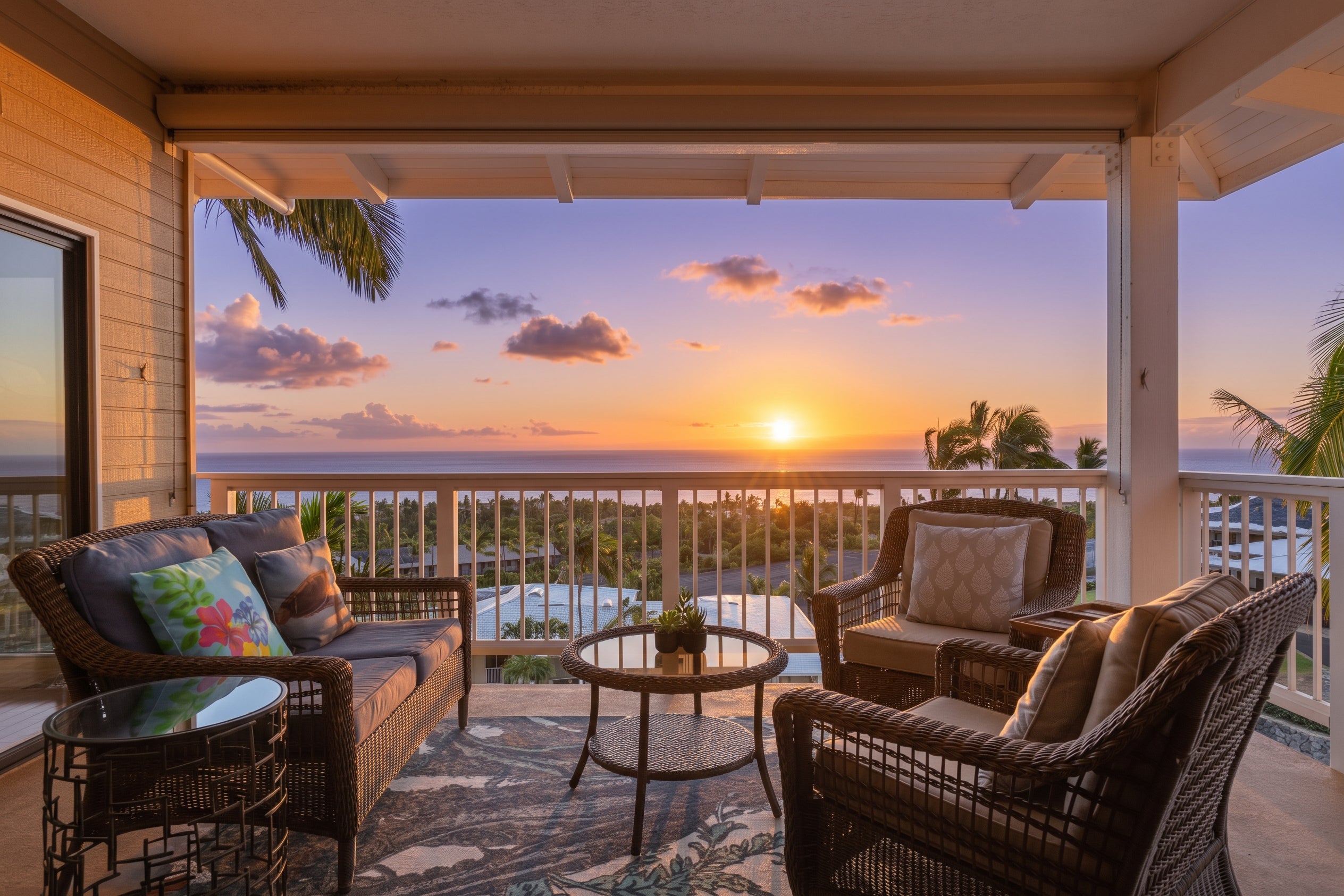
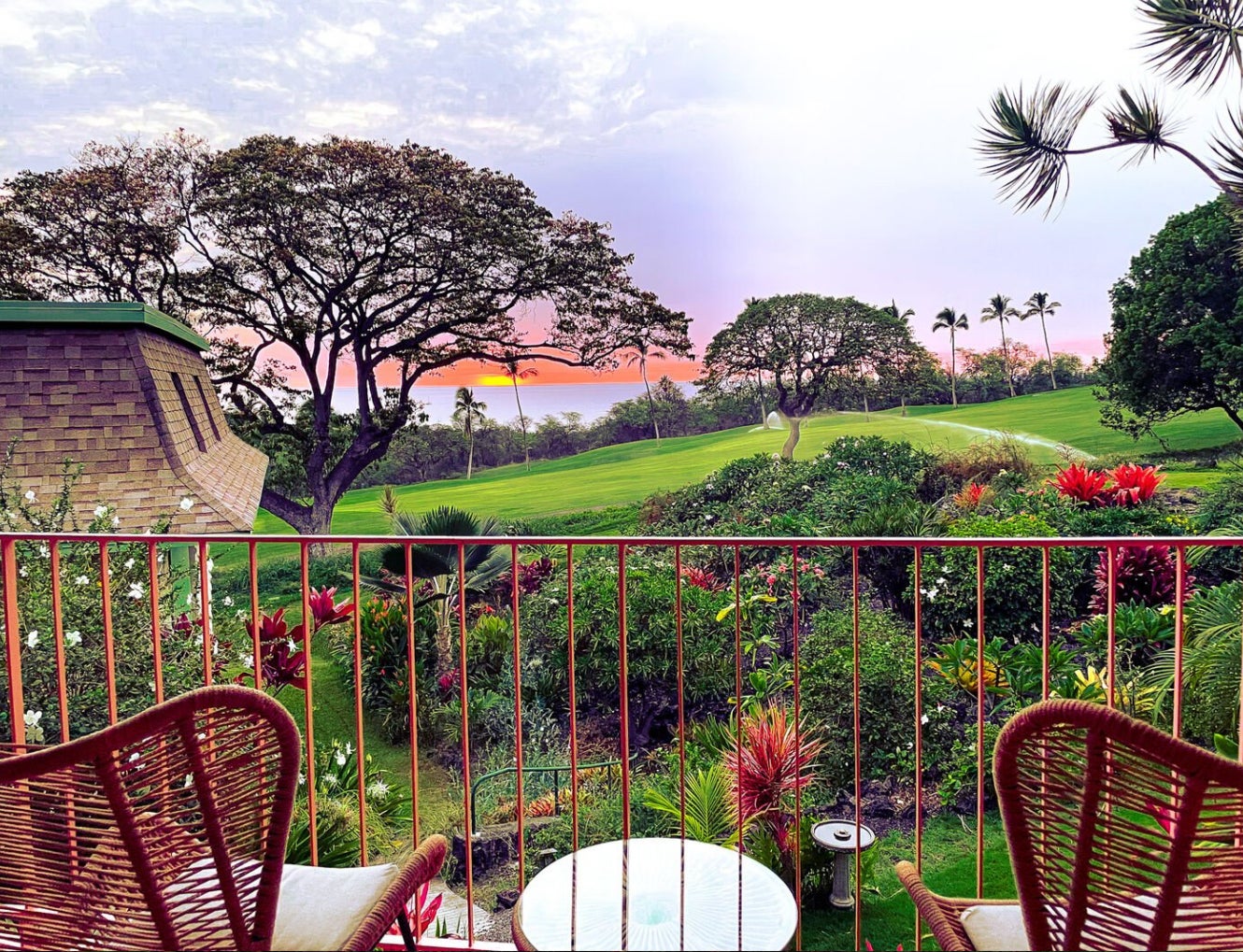
Kailua-Kona sits on the west coast of Hawaii's Big Island, where dry, sunny weather and volcanic terrain create a living experience unlike anywhere else in the state. This is the Kona side, known for calm turquoise waters, world-class sport fishing, and coffee farms stretching up the mountainside. It's the commercial and cultural heart of West Hawaii, drawing everyone from retirees and remote workers to families who want island life without the rain of the Hilo side.
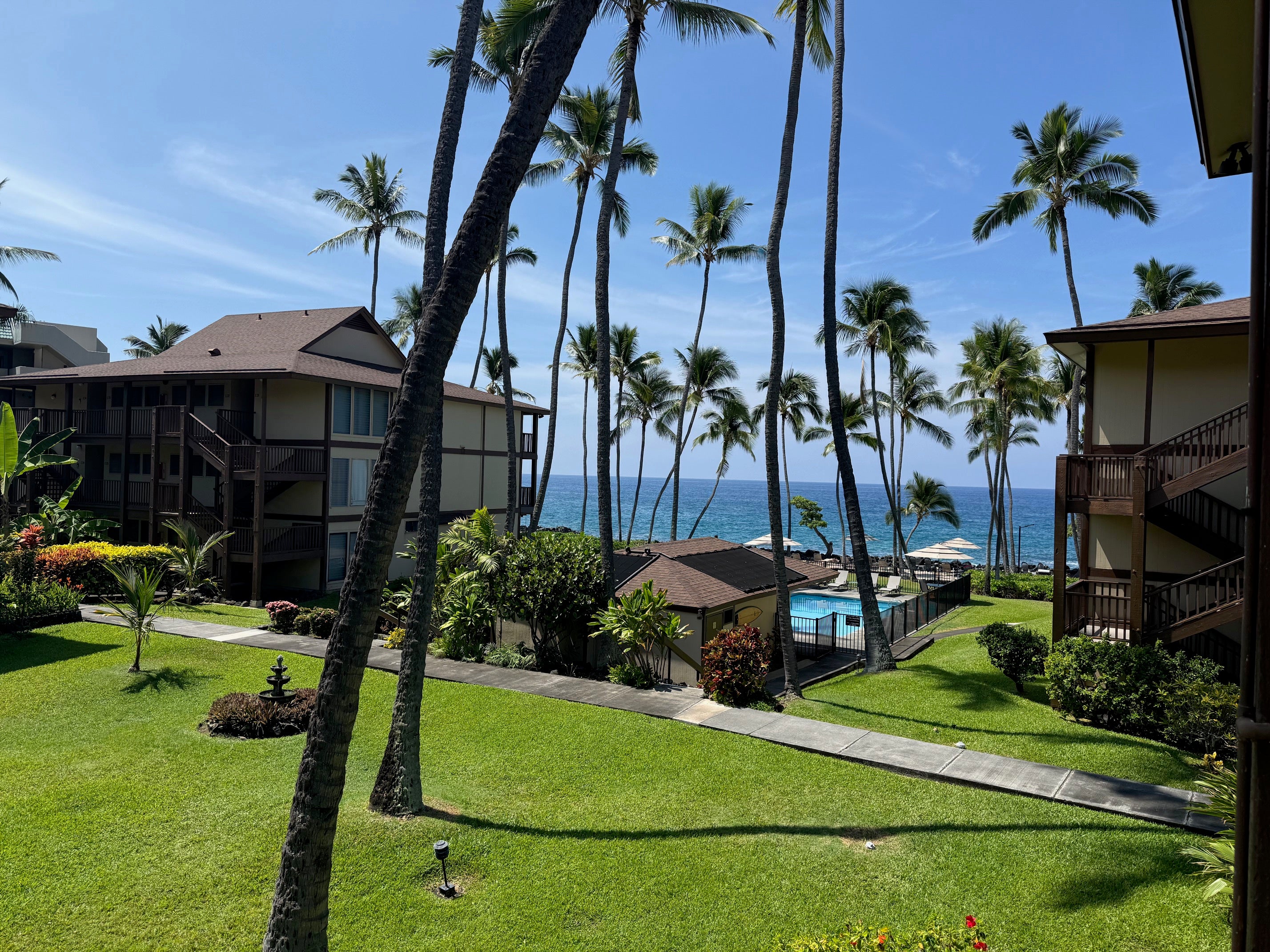
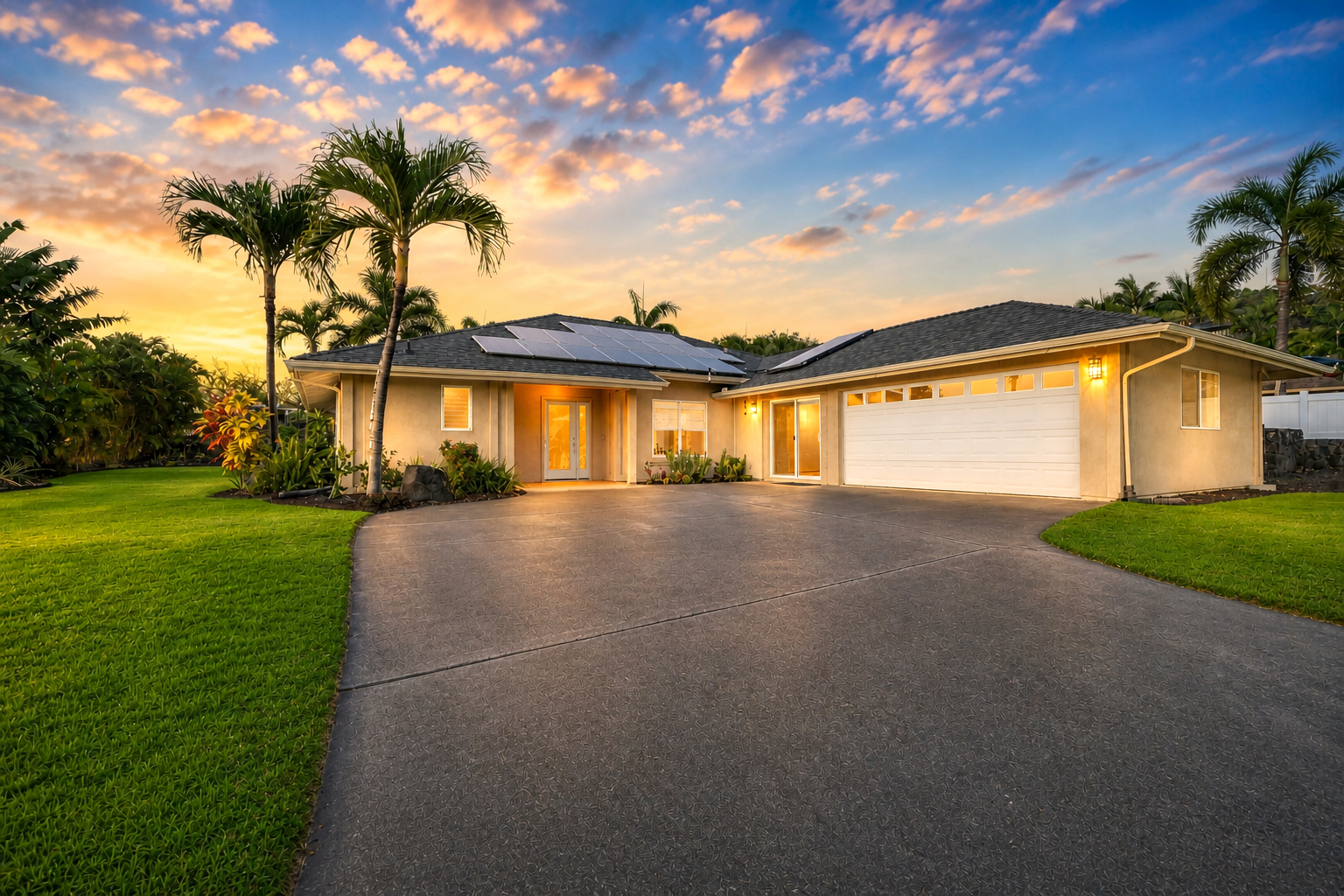
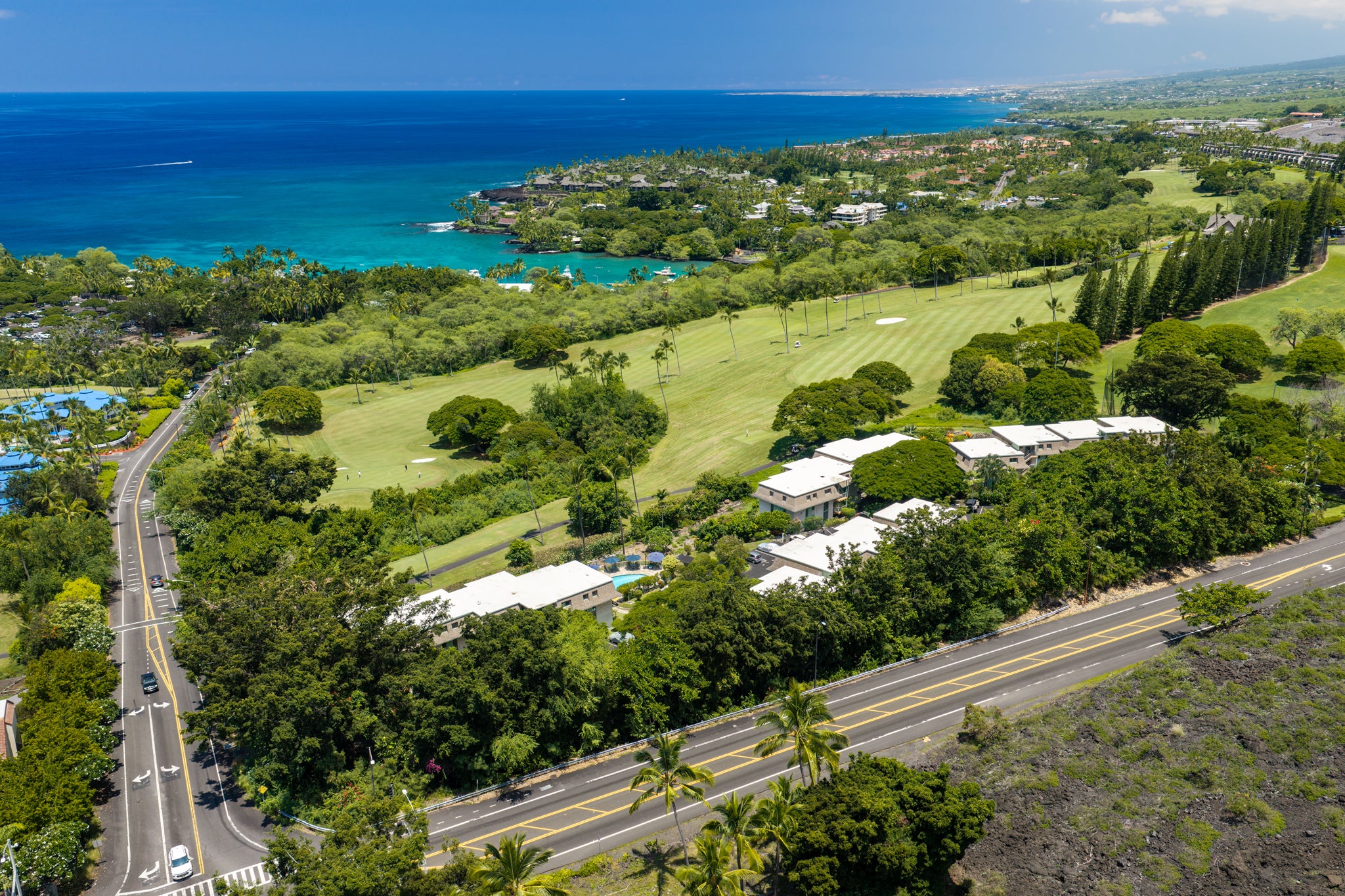
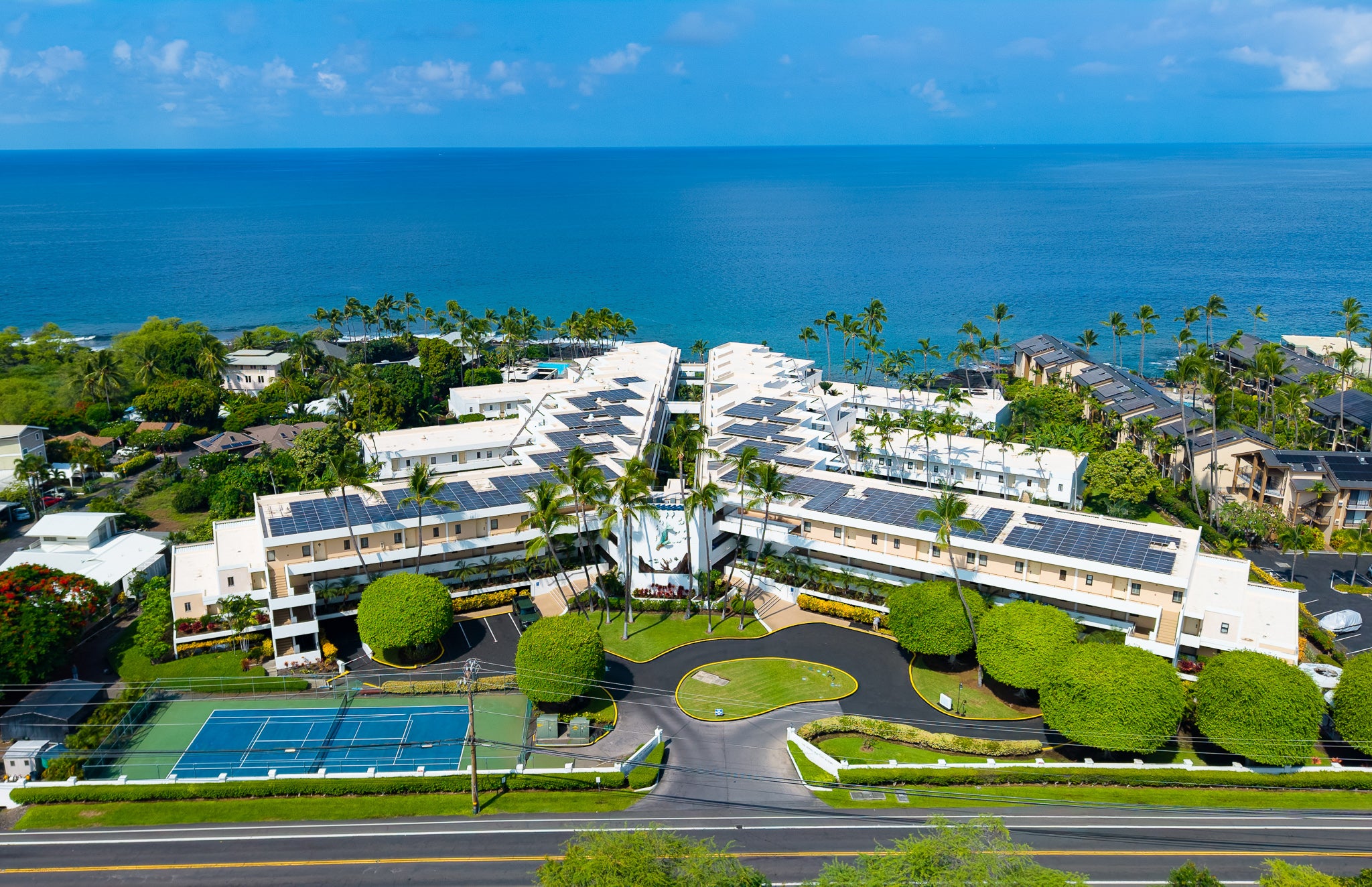
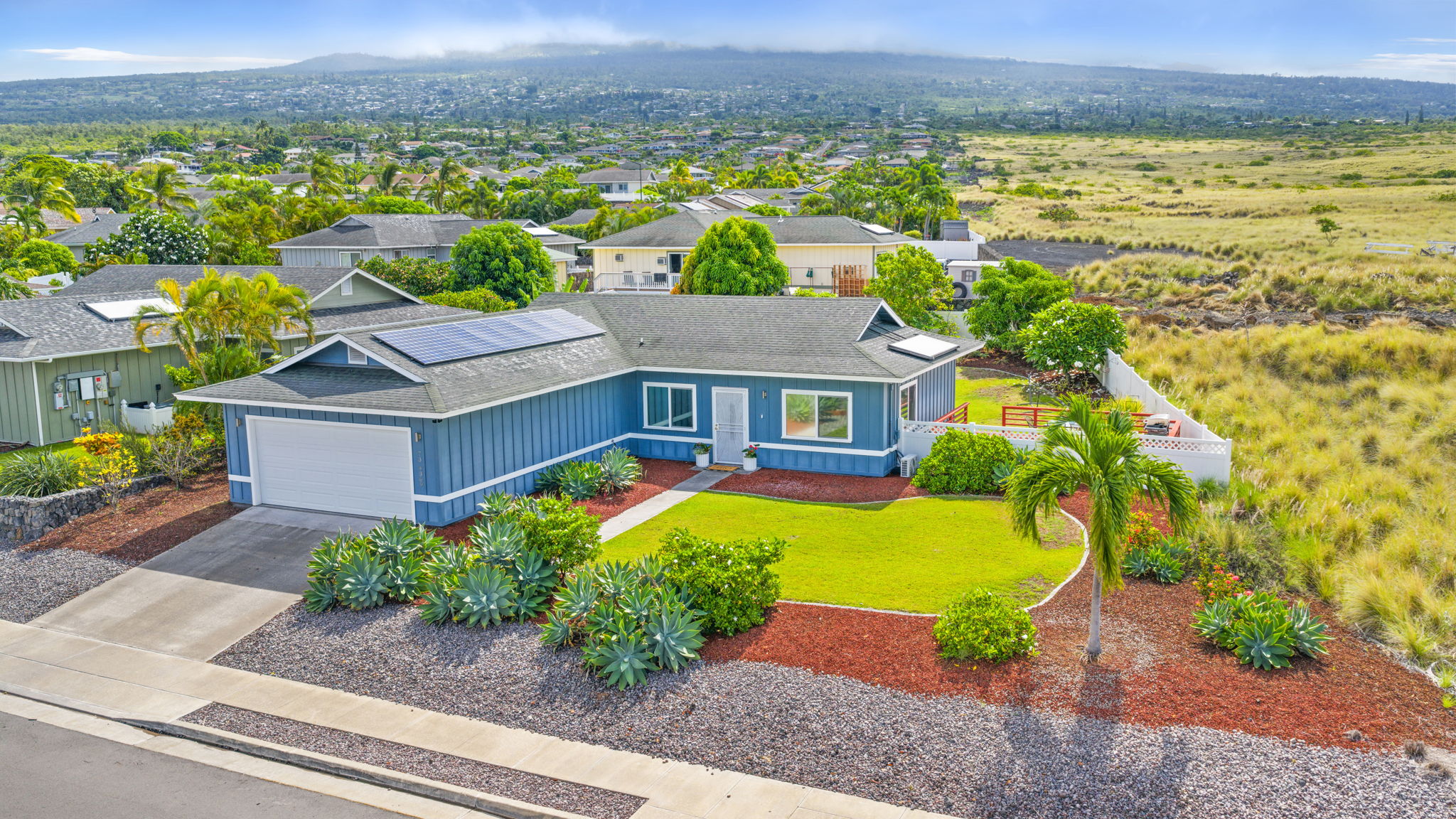
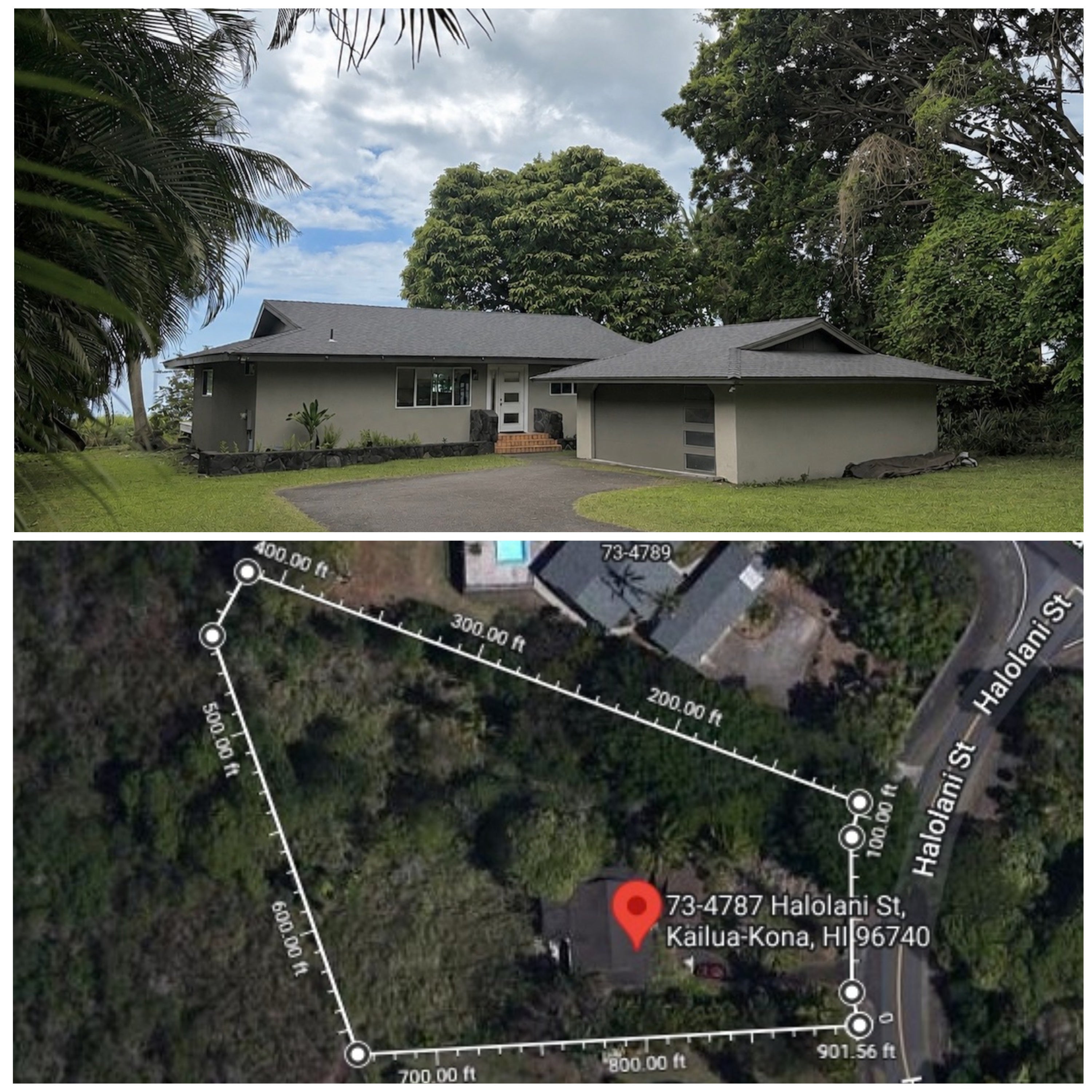
The Kailua-Kona area covers a wide stretch of the west coast, and the housing changes significantly depending on elevation, proximity to the water, and which sub-community you're in. Buyers will find everything from oceanfront condos to coffee farm estates to newer planned subdivisions further inland.
Here's the thing: the geography here directly shapes the real estate. Properties at sea level tend to be condos and townhomes. Go upslope a few hundred feet and you'll find single-family homes with more acreage. Head further into the hills above Kona and you're in rural agricultural land, where homes sit on one to ten or more acres surrounded by coffee, macadamia, and tropical fruit trees.
Local Tip: Elevation matters here more than almost anywhere. Every 1,000 feet of elevation gain drops the temperature by about 3.5°F and increases rainfall. A home at sea level in Kona gets about 20 inches of rain per year. A home in Holualoa at 1,400 feet might get 60 or more.
What does that mean for buyers? You're really choosing a microclimate as much as a neighborhood. Some people want the dry, hot coast. Others prefer the lush, cooler hillside. Both are minutes apart.
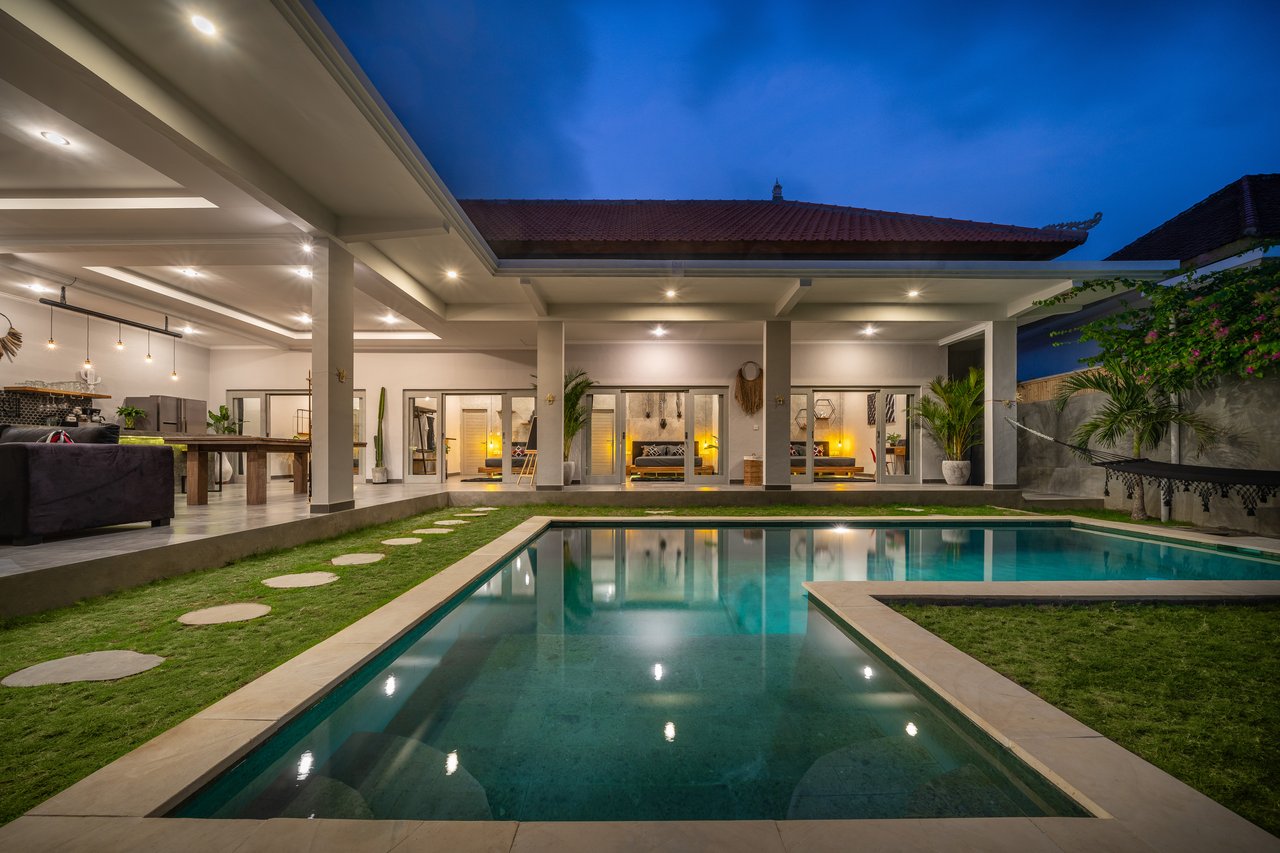
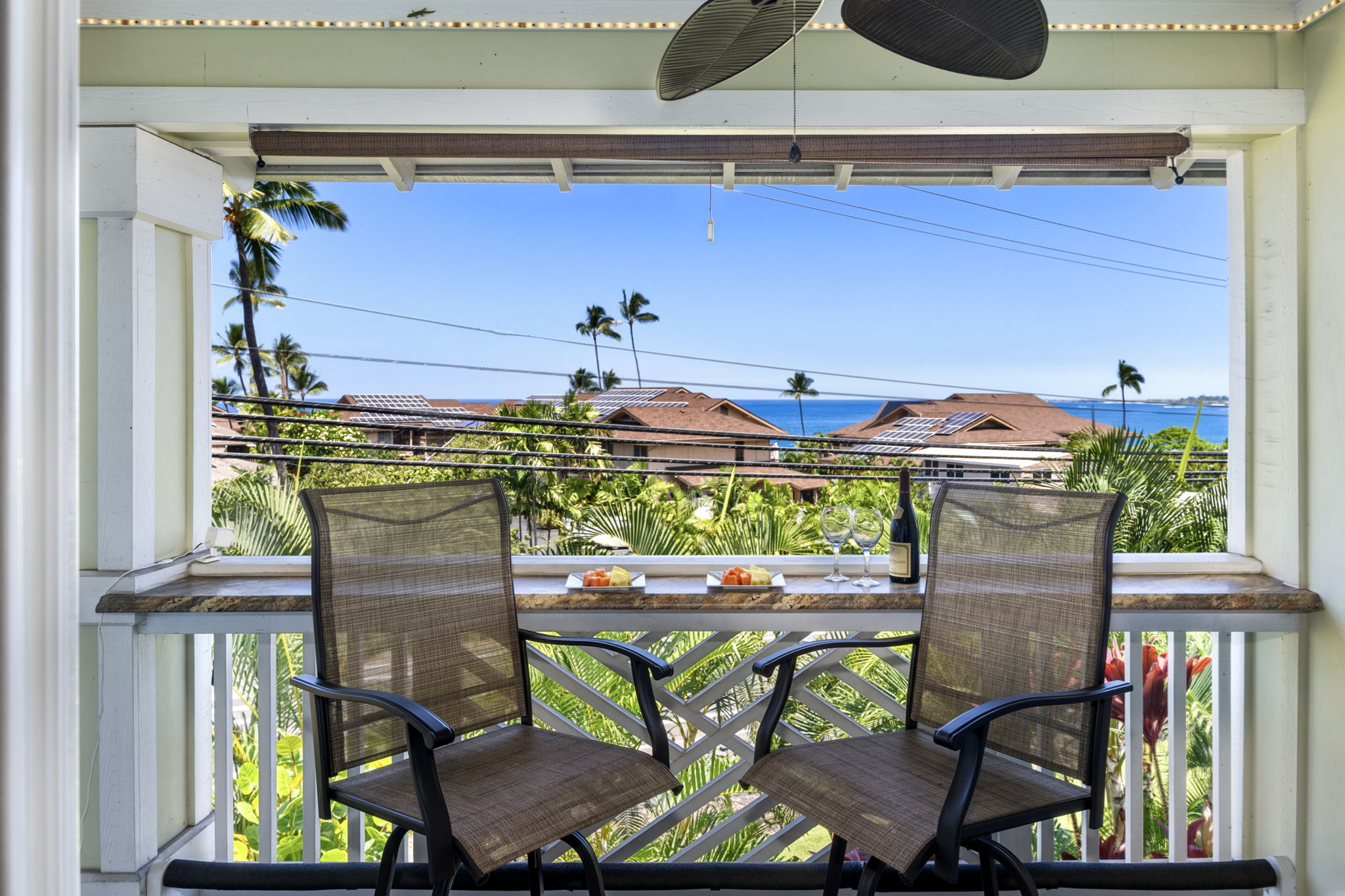
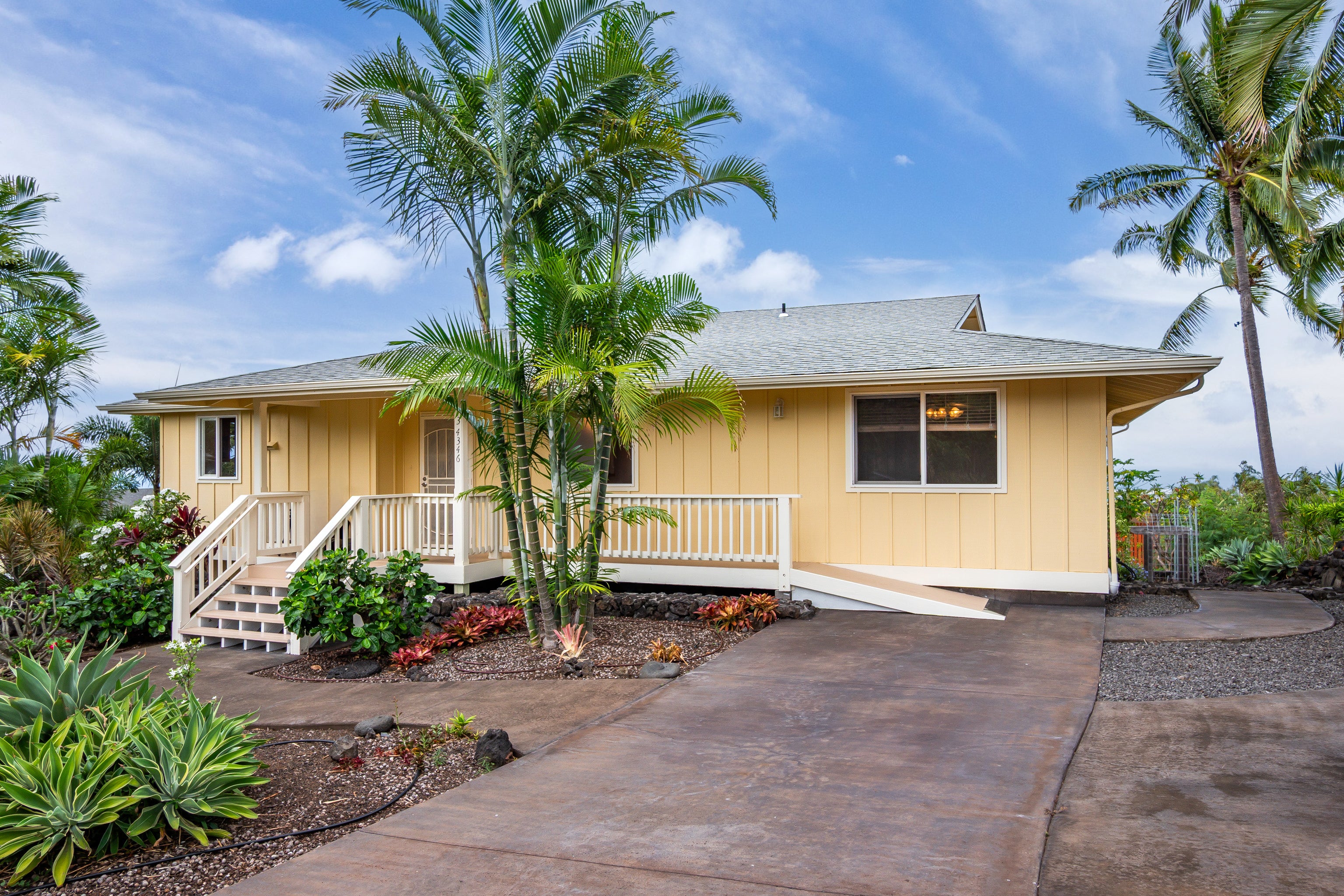
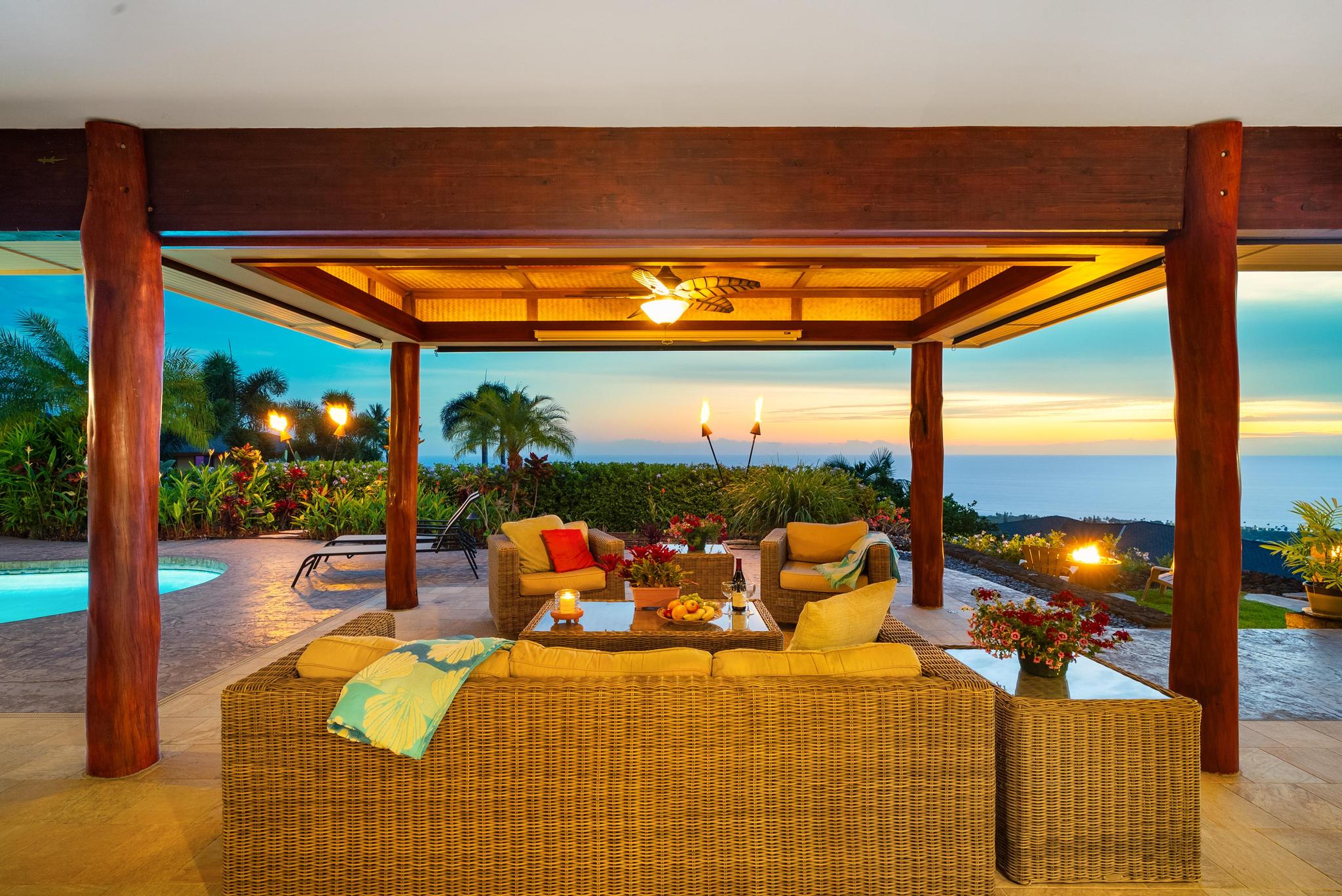
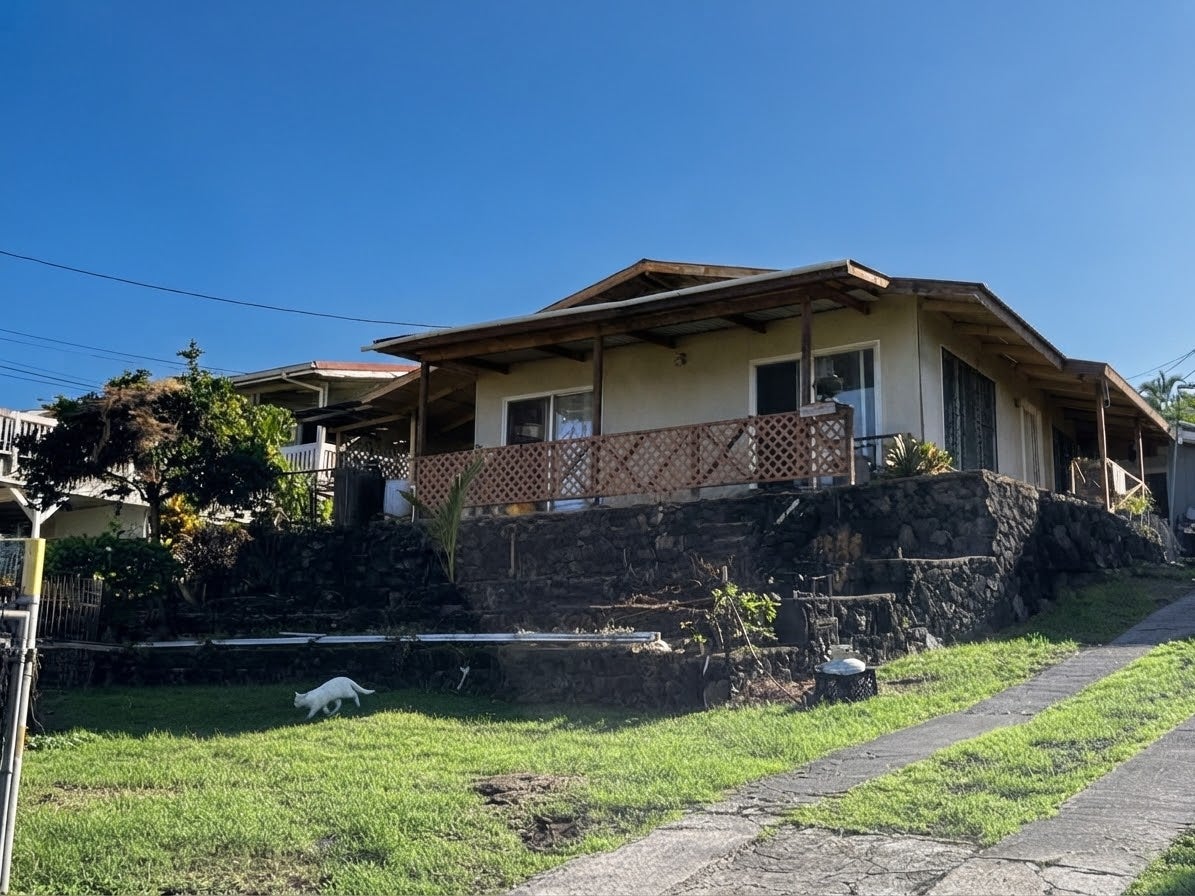
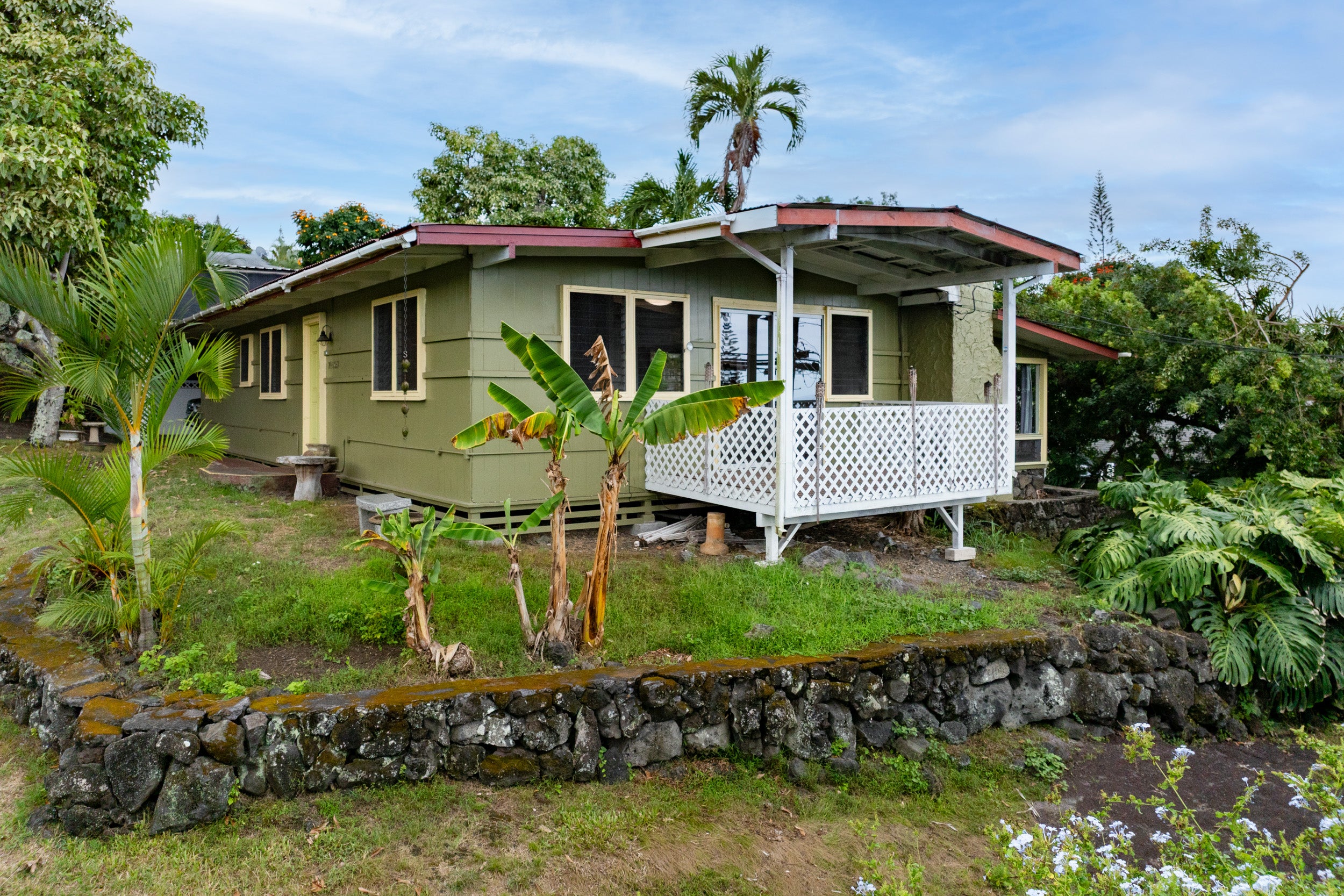
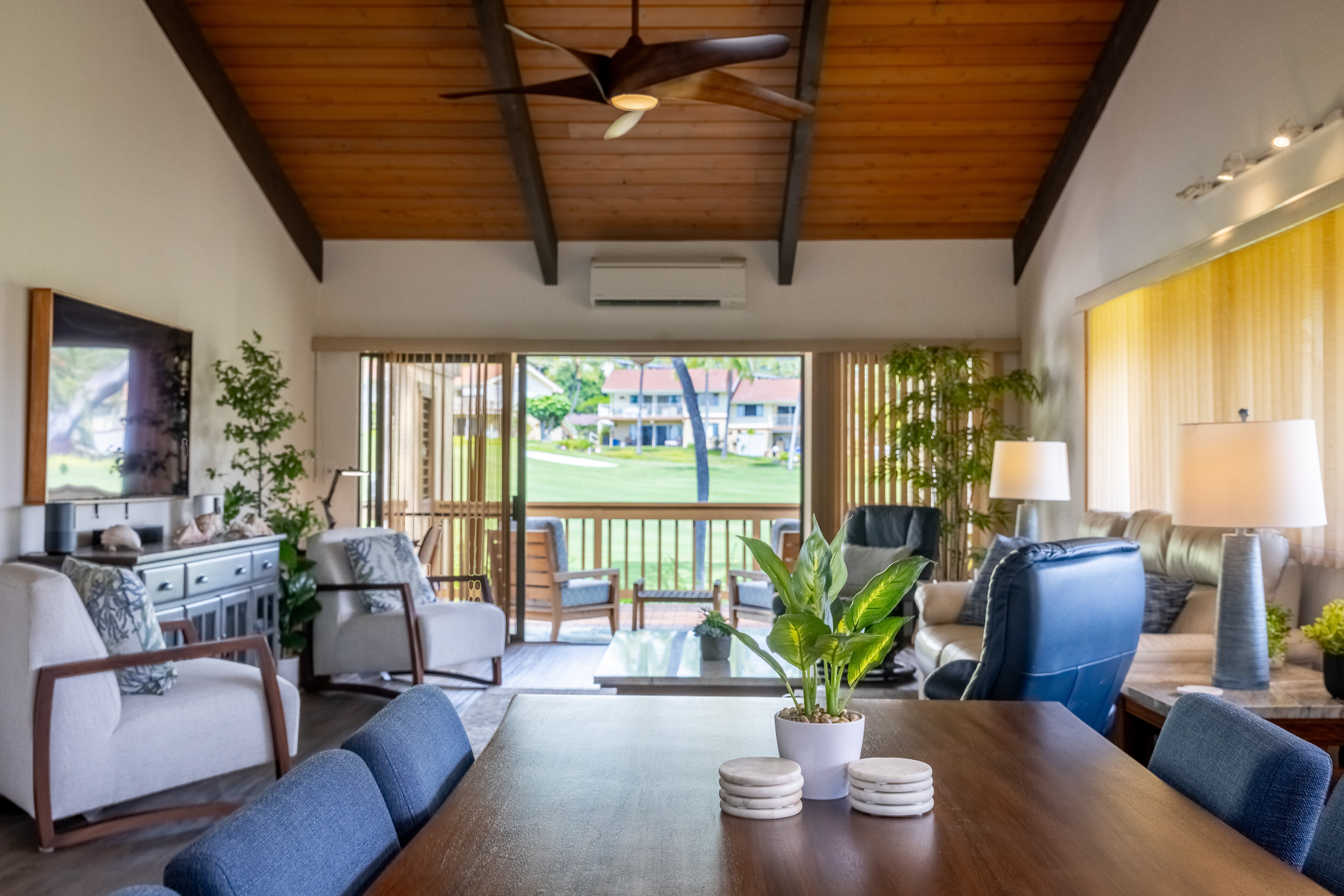
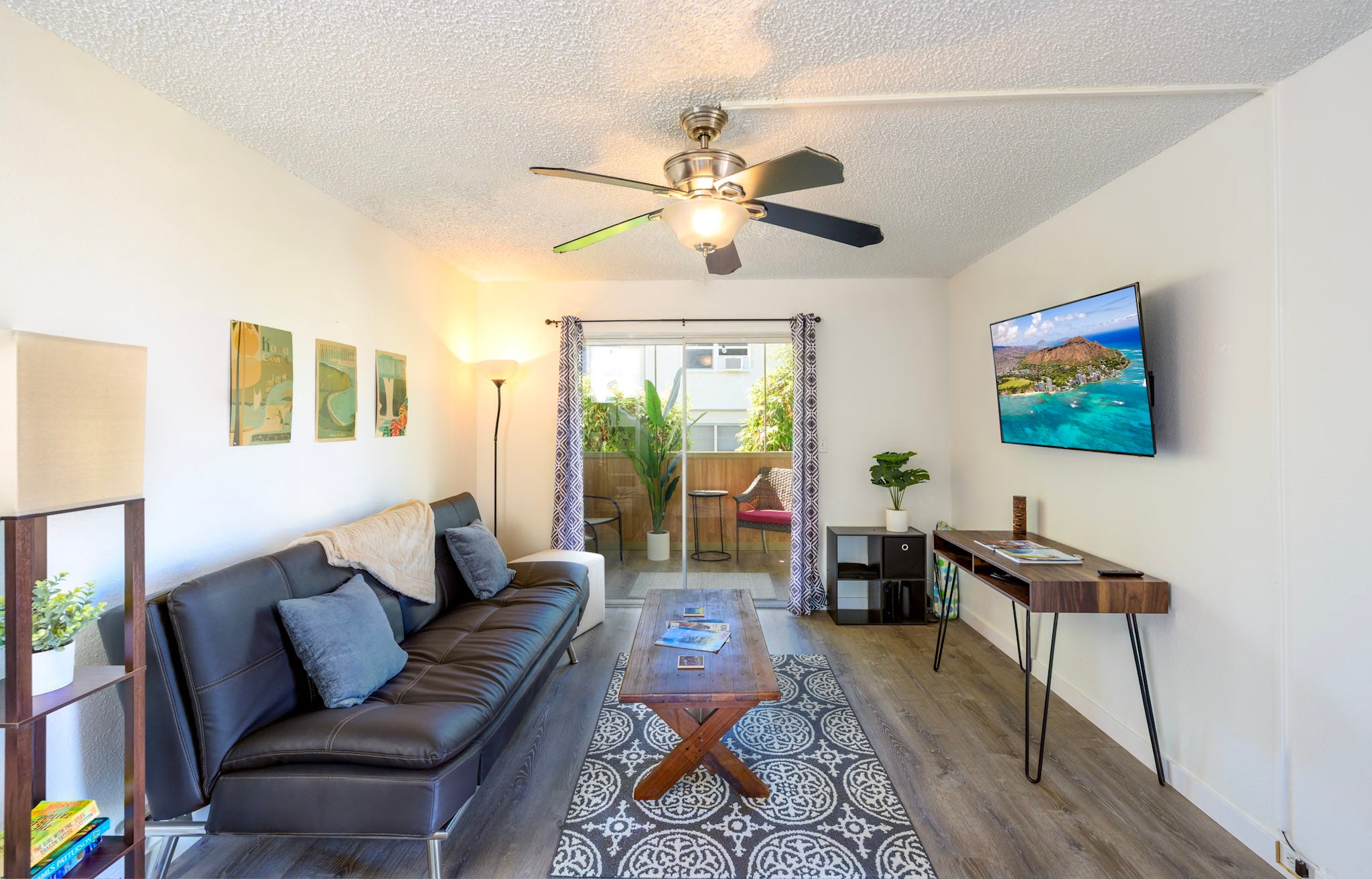
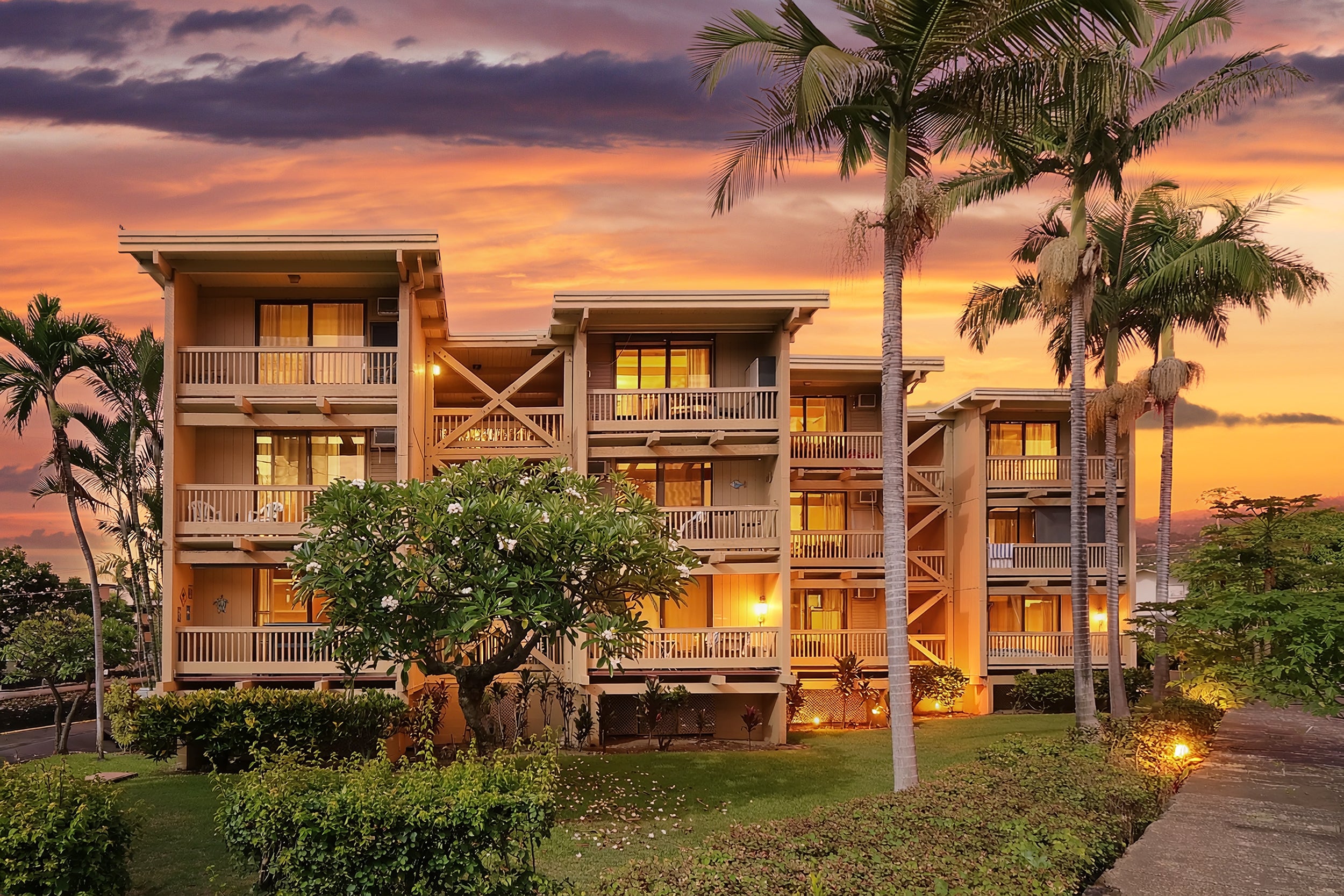
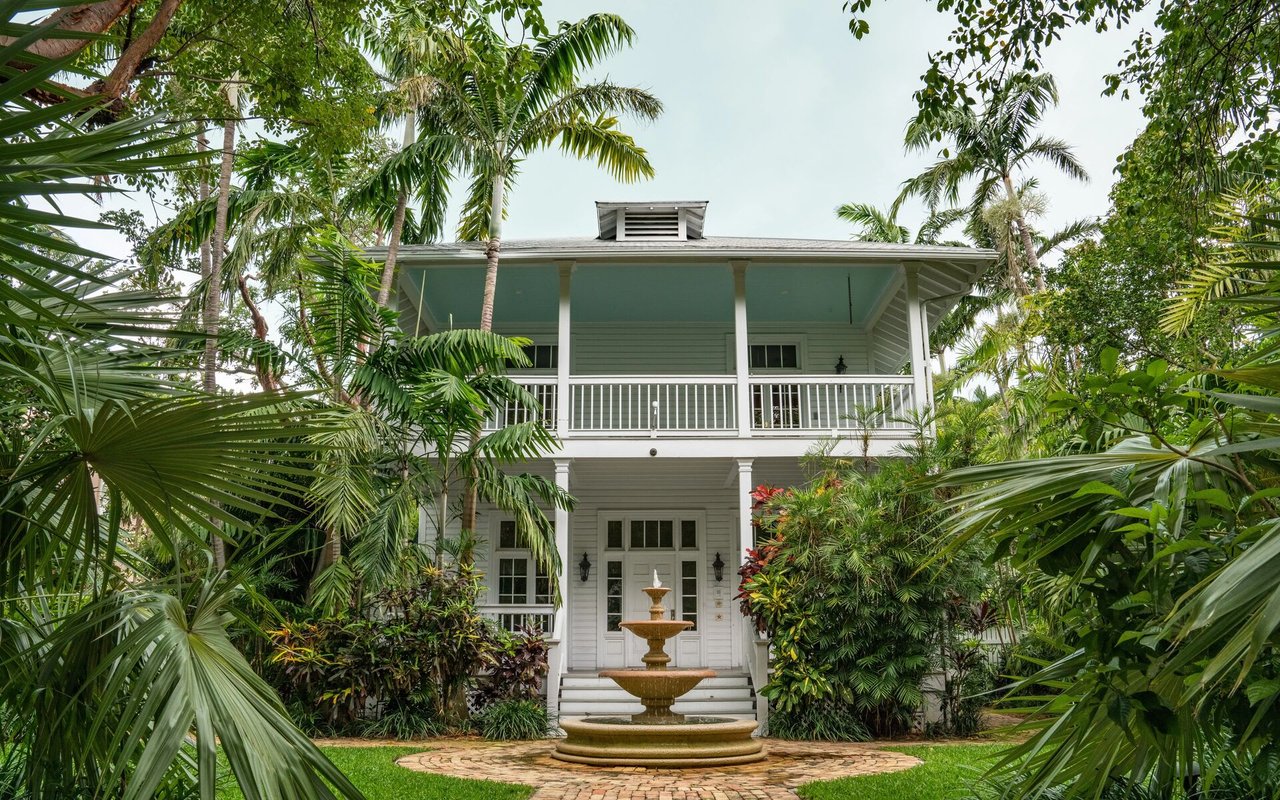
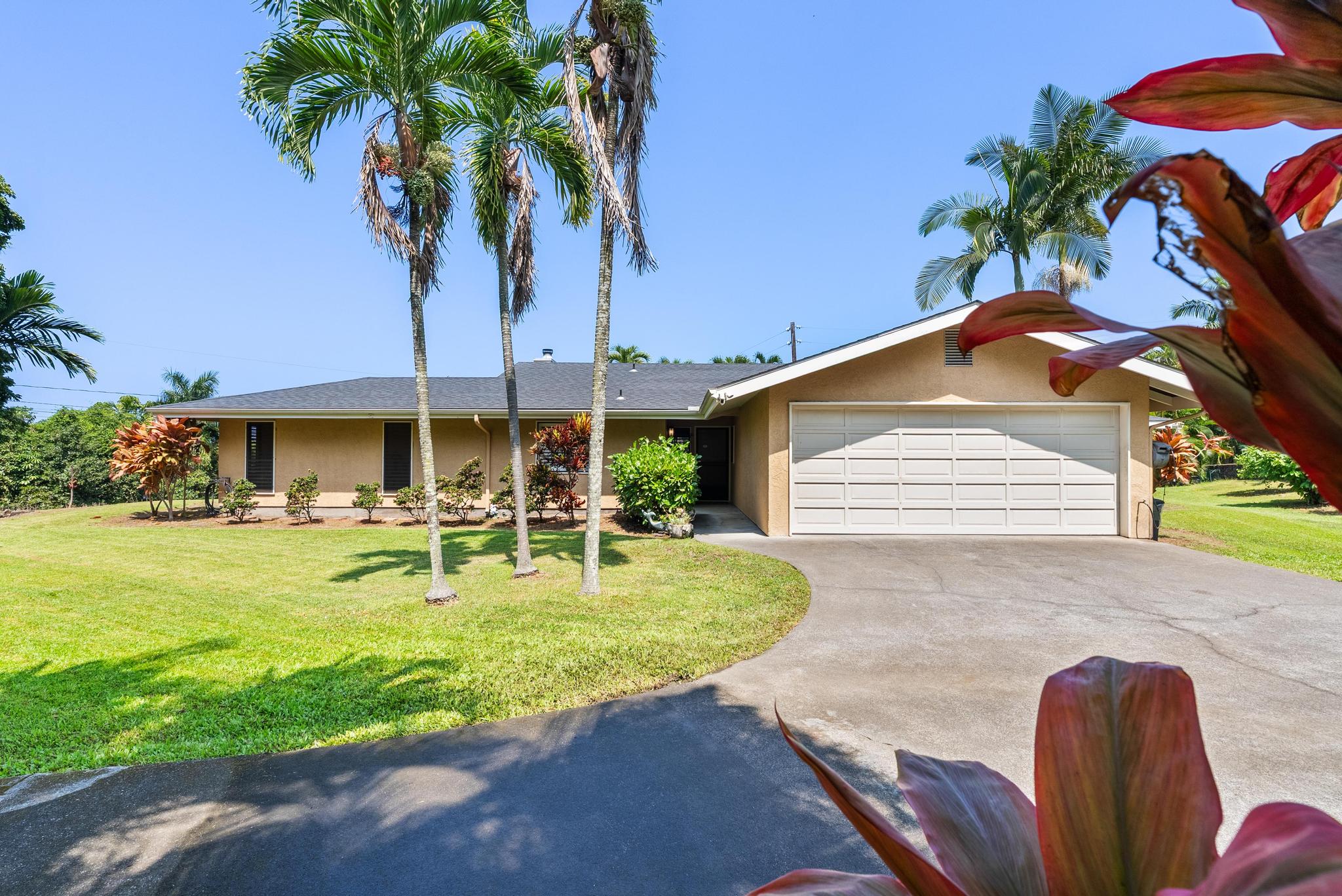
Architectural styles vary widely. Older condos along Ali'i Drive date to the 1970s and 80s. Newer construction in the subdivisions tends toward single-wall or double-wall wood frame, with some concrete block. Plantation-style and tropical modern homes are common. Many homes feature open-air living spaces, lanais, and designs built to maximize trade wind ventilation rather than rely on air conditioning.
The Kona coast is often discussed as a single market, but buyers who treat it that way tend to end up surprised. Kailua-Kona and South Kona share a coastline and a zip code prefix, yet they offer genuinely different lifestyles, price points, and land types. Understanding the distinction early will save you time in your search.
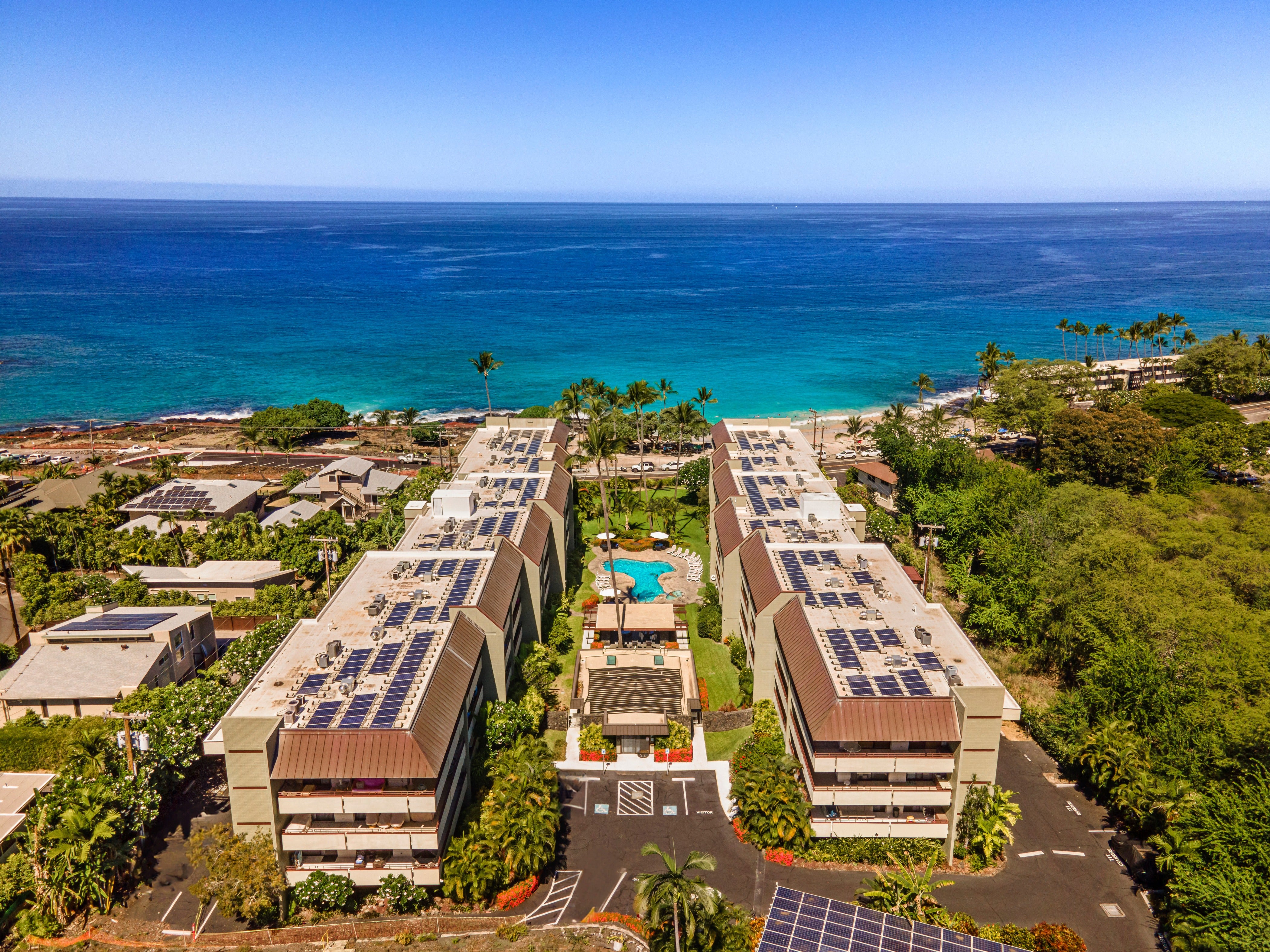
Kailua-Kona is the commercial and logistical center of West Hawaii. This is where you'll find the airport, Costco, Target, the largest concentration of condominiums, and the most active short-term rental activity on the island. The terrain at sea level is primarily lava rock, the sun is consistent, and the pace skews toward active and social. It draws retirees who want amenities within reach, remote workers who need reliable infrastructure, and investors eyeing vacation rental returns. For a deeper look at how these two areas compare, read Kailua-Kona vs. South Kona: Which Lifestyle Fits You.
South Kona begins roughly past Keauhou and shifts quickly. Elevation rises, rainfall increases, and the landscape turns green. This is the Coffee Belt, where agricultural parcels, coffee estates, and older character homes are the norm. Condominiums are rare. Lot sizes are larger. Evenings are cooler. Buyers drawn to South Kona tend to value privacy, land, and a quieter version of island life over convenience and walkability. The tradeoff is a longer drive to town amenities and fewer properties with investment-grade STR zoning.
Neither area is better. They serve different buyers, and knowing which one fits your priorities will sharpen your search considerably.
Hawaii has its own set of transactional rules, and Kona is no exception. Buyers relocating from the mainland often encounter several terms and requirements that don't exist in their home states. Here's what to know before you're under contract.
CPR (Condominium Property Regime)
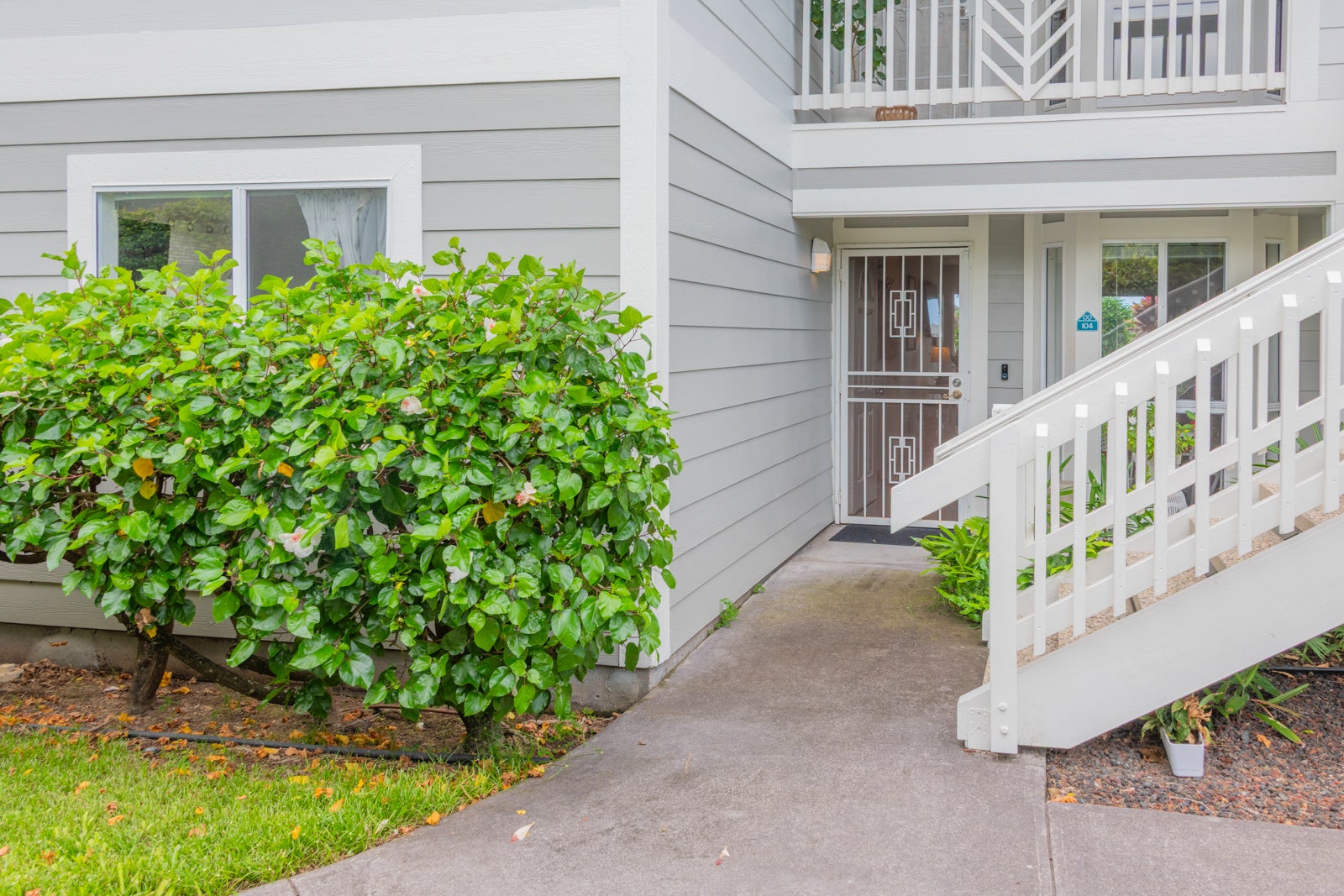
The word "condo" in Hawaii doesn't always mean what you'd expect. A CPR is a legal structure that allows a single parcel of land to be subdivided into separate, individually owned units. What makes this unusual is that a detached single-family home on an acre of land can carry a CPR designation. That means you may have a homeowners association (called an AOAO in Hawaii), monthly fees, and governing bylaws even if you share no walls with anyone. Always verify a property's legal classification before making assumptions about how it can be used, financed, or rented. For a full breakdown, see What Is CPR? A Kailua-Kona Buyer's Guide.
Escrow Timeline
Hawaii is a title and escrow state. Financed transactions typically close in 30 to 45 days; cash deals in 14 to 21 days. One detail that catches many mainland buyers off guard is the two-business-day good funds rule. Hawaii law requires that cleared wire transfers be in escrow two business days before the deed is recorded. This means you will sign your closing documents, wire your funds, and then wait roughly 48 hours for the Bureau of Conveyances in Honolulu to officially record the transfer before you receive the keys. The process is predictable once you understand it, but it's different from the same-day close common in many mainland states. The full escrow timeline is covered in From Offer to Keys in Kailua-Kona: The Escrow Timeline.
HARPTA and FIRPTA
These withholding laws affect sellers, but buyers need to understand them because compliance falls on both parties through escrow. HARPTA (the Hawaii Real Property Tax Act) requires that 7.25% of the gross sales price be withheld at closing when the seller is not a Hawaii resident. This is not a tax on the buyer, but escrow will collect and remit it on the seller's behalf. If the seller is a foreign national, federal FIRPTA withholding of 15% typically applies on top of that. Hawaii resident sellers provide an exemption certificate to bypass HARPTA. If you are purchasing from an out-of-state or foreign seller, your agent and escrow will walk you through the documentation.
Termites and Surveys
A Termite Inspection Report is standard in nearly every Kona contract, paid for by the seller. In a tropical climate, some degree of past activity is common and not necessarily alarming, but active infestations require treatment as a condition of closing. Separately, most contracts include a staking contingency rather than a full survey. For older properties, particularly in South Kona and rural areas, a full boundary survey is worth requesting. Encroachments from rock walls, fences, and outbuildings are common, and they are far easier to resolve before closing than after.
The Kailua-Kona market in 2026 is in a recalibration period following several years of compressed inventory and escalating prices. Supply has increased significantly, sitting at approximately six months of available inventory, which by conventional measures places the market in balanced territory. Sellers are adjusting, with roughly 45% of active listings seeing at least one price reduction before going under contract.
For buyers, the shift means more time to perform due diligence, reduced pressure to waive contingencies, and more room to negotiate, particularly in the upper price tiers.
Condominiums in Kailua-Kona are generally priced between $450,000 and $850,000, with a median sold price around $635,000. Entry-level units at the lower end of that range move quickly. Oceanfront and resort-adjacent units can exceed $2 million. Single-family homes carry a wider range, typically from $950,000 to $2.5 million, with a current median near $1.34 million. The sub-$1 million single-family segment remains competitive and moves faster than the broader market. Luxury and resort-tier properties in communities like Hualalai and Kukio begin around $3 million and operate largely on their own timeline, with buyers in that range often taking 100 or more days to decide and final sale prices averaging 3 to 10 percent below list.
Days on market across the broader Kona area average in the 45 to 50 day range, a significant increase from the sub-30-day pace of recent years. That additional time is meaningful: it gives buyers a realistic window to schedule inspections, review association documents, and get financing squared away without the urgency that defined the previous cycle.
Kailua-Kona draws a substantial pool of buyers who intend to use their property as a short-term rental, either full-time or to offset carrying costs during periods of personal use. The investment case is real, but the regulatory environment has tightened and requires careful due diligence before you commit.
Zoning and Bill 47
Hawaii County's approach to short-term vacation rentals has moved toward a registration and accountability model. Under Bill 47, which takes full effect in mid-2026, all rentals of 180 days or fewer must be registered with the county. The annual fee is $500 for unhosted whole-home rentals and $250 for hosted rentals where the owner is present. More importantly, zoning determines eligibility. Short-term vacation rentals in Kailua-Kona are generally permitted in Resort, Hotel, and Commercial zones. Properties in standard Residential zones face significant restrictions on unhosted rentals. Purchasing a property with the assumption that short-term rental income will cover the mortgage, without first confirming the zoning classification and permit status, is one of the more costly mistakes buyers make in this market. Before making an offer on any property you intend to rent, verify the existing STVR permit status. Non-compliant operators are facing fines of up to $10,000 in 2026. Full details on the regulatory landscape are covered in Short-Term Vacation Rental Rules in Kailua-Kona.
Rental Income and Seasonality
Kailua-Kona maintains an average occupancy rate around 74%, above the state average, which supports a relatively stable income picture for well-positioned properties. One-bedroom condos generate approximately $45,000 annually. Three-bedroom homes are currently the strongest performers in the investment segment, bringing in around $110,000 per year and offering better acquisition economics than the larger luxury tier. Four-bedroom properties can generate upward of $185,000 annually. Revenue peaks in January, when demand from mainland visitors is highest, and softens in September.
Tax Obligations
Short-term rental income in Hawaii carries a combined tax burden that buyers often underestimate. The General Excise Tax is 4% on gross revenue. The state Transient Accommodations Tax sits at 11.25%, and Hawaii County adds a 3% surcharge. All in, plan for approximately 18 to 19 percent of gross rental revenue to go toward taxes before management fees, cleaning costs, and maintenance are factored in. Underestimating this line item is the most common reason investment projections don't hold up in practice.
The buyer's experience in Kona has shifted noticeably in 2026. The multiple-offer environment that defined the post-pandemic years has largely subsided outside of a few specific price bands, and buyers now have more room to be strategic. That said, the process here has its own rhythm, and understanding what to expect will help you move with confidence when the right property appears.
The most competitive segment of the market remains homes priced between $800,000 and $1.1 million. Well-priced properties in that range still generate strong interest and can go under contract within 30 to 35 days. At the luxury tier, above $3 million, the pace slows considerably. Those buyers typically have a longer deliberation window and the leverage to negotiate meaningfully on price.
The standard Hawaii Purchase Contract includes several contingency periods worth understanding. The J-1 home inspection period runs 7 to 14 days and allows buyers to cancel for any reason and recover their deposit. Given Kona's climate and older housing stock, this window is genuinely important. You're not just checking for deferred maintenance; you're evaluating roofing, moisture exposure, electrical panel age, and the condition of any catchment or well systems on rural properties. The Termite Inspection Report is a separate process, typically paid by the seller. Active infestations will need to be addressed before closing. The staking contingency gives a surveyor the opportunity to locate property pins, and as noted earlier, encroachments are common enough in older neighborhoods that a full boundary survey is often worth the added expense.
For condo buyers, the review of association documents is one of the most important parts of due diligence. Hawaii condo associations are required to maintain reserve funds, and a property with healthy reserves is meaningfully different from one carrying deferred maintenance or facing a pending special assessment. The reserve study should be one of the first things you read.
One land tenure issue specific to Hawaii: a portion of Kona condominiums are Leasehold rather than Fee Simple. With a Leasehold property, you own the structure but not the land beneath it, and the lease has a finite term. Most conventional lenders will not finance Leasehold properties, and resale can be more challenging. Always confirm whether a condo is Fee Simple before proceeding.
With inventory up nearly 50% year-over-year, the 2026 selling environment in Kona rewards preparation and pricing discipline. Homes that come to market well-positioned sell. Homes that lead with aspirational pricing tend to sit, accumulate days on market, and ultimately sell for less than they would have at a realistic opening price.
Timing the Market
The strongest window for selling in Kona runs from November through March. This is high season on the island, when snowbirds and vacation visitors are most active and out-of-state cash buyers are touring between beach trips. A secondary window opens in May through July, driven by families planning a move before the August school year begins. Listing during these windows generally produces more showings, faster offers, and stronger terms.
What Drives Value in Kona
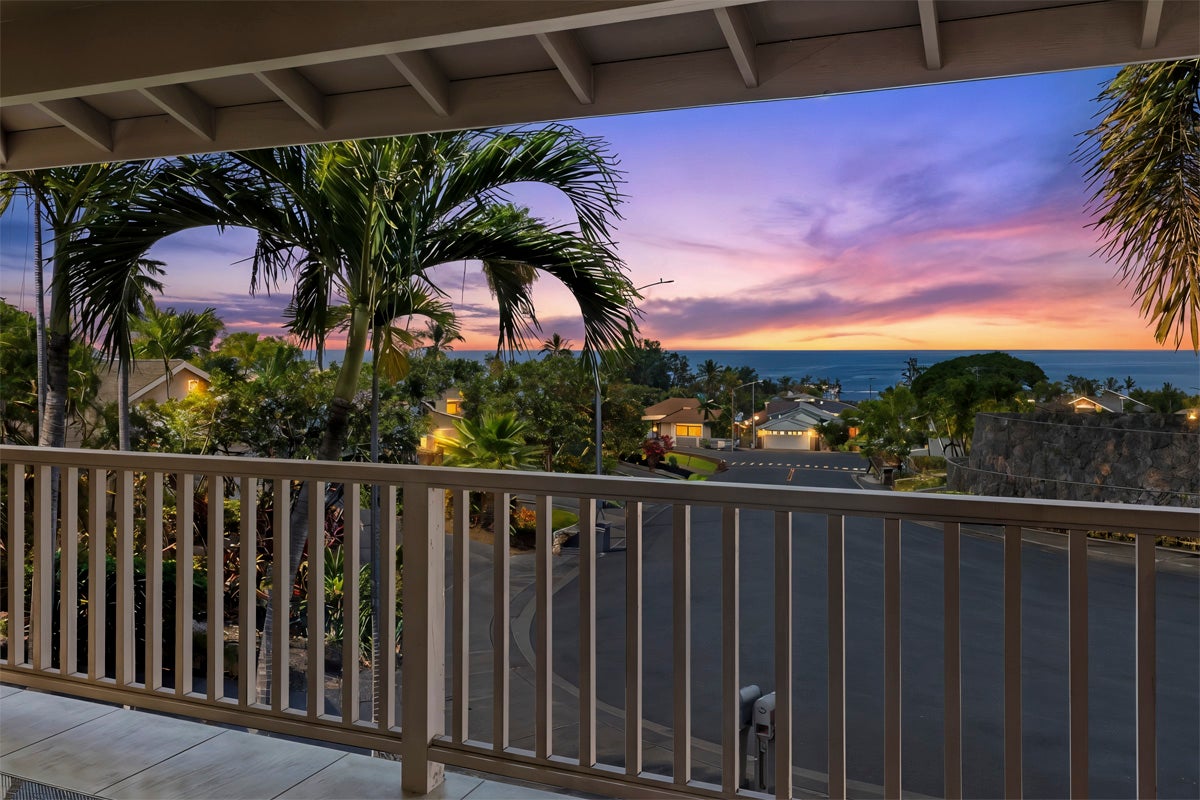
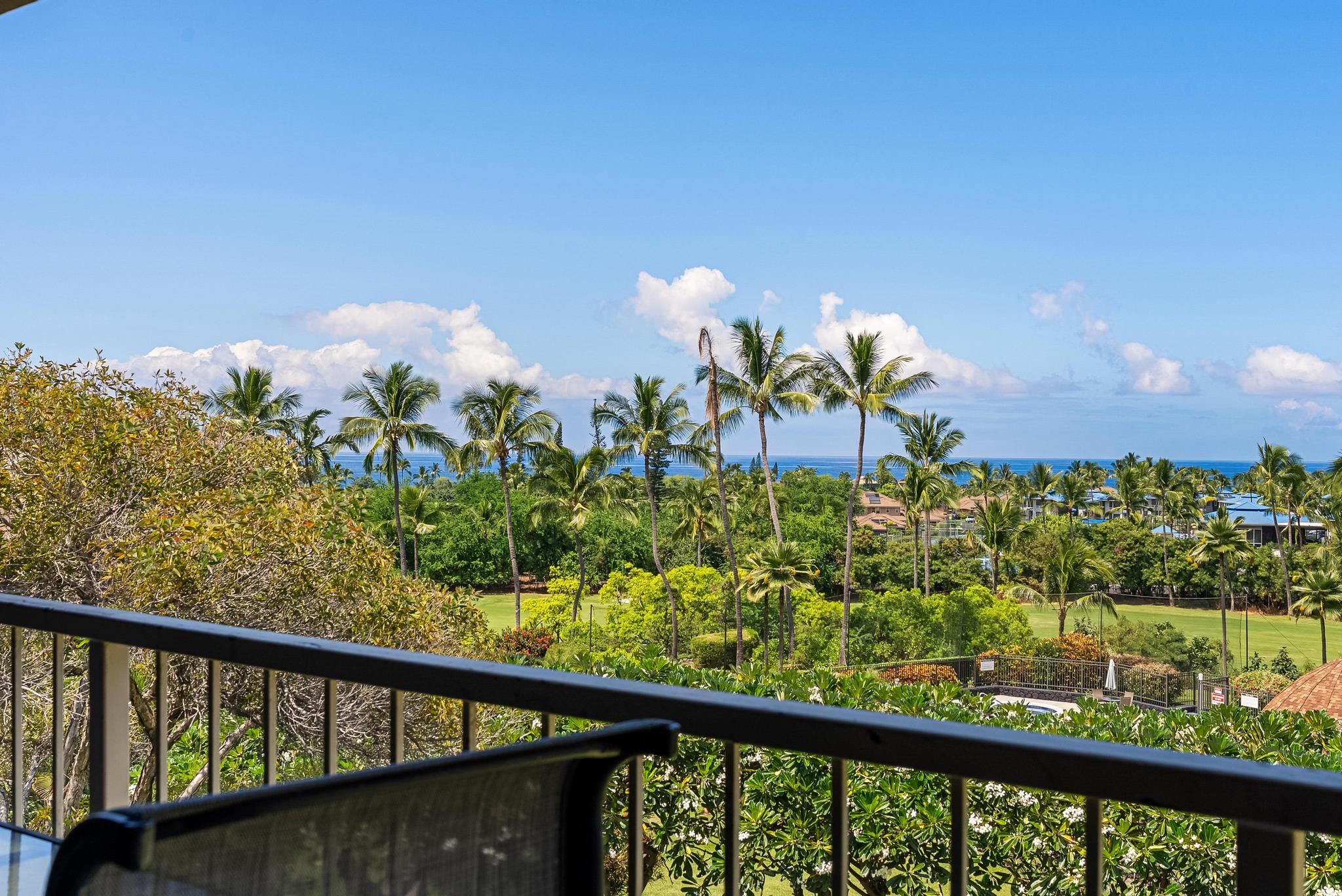
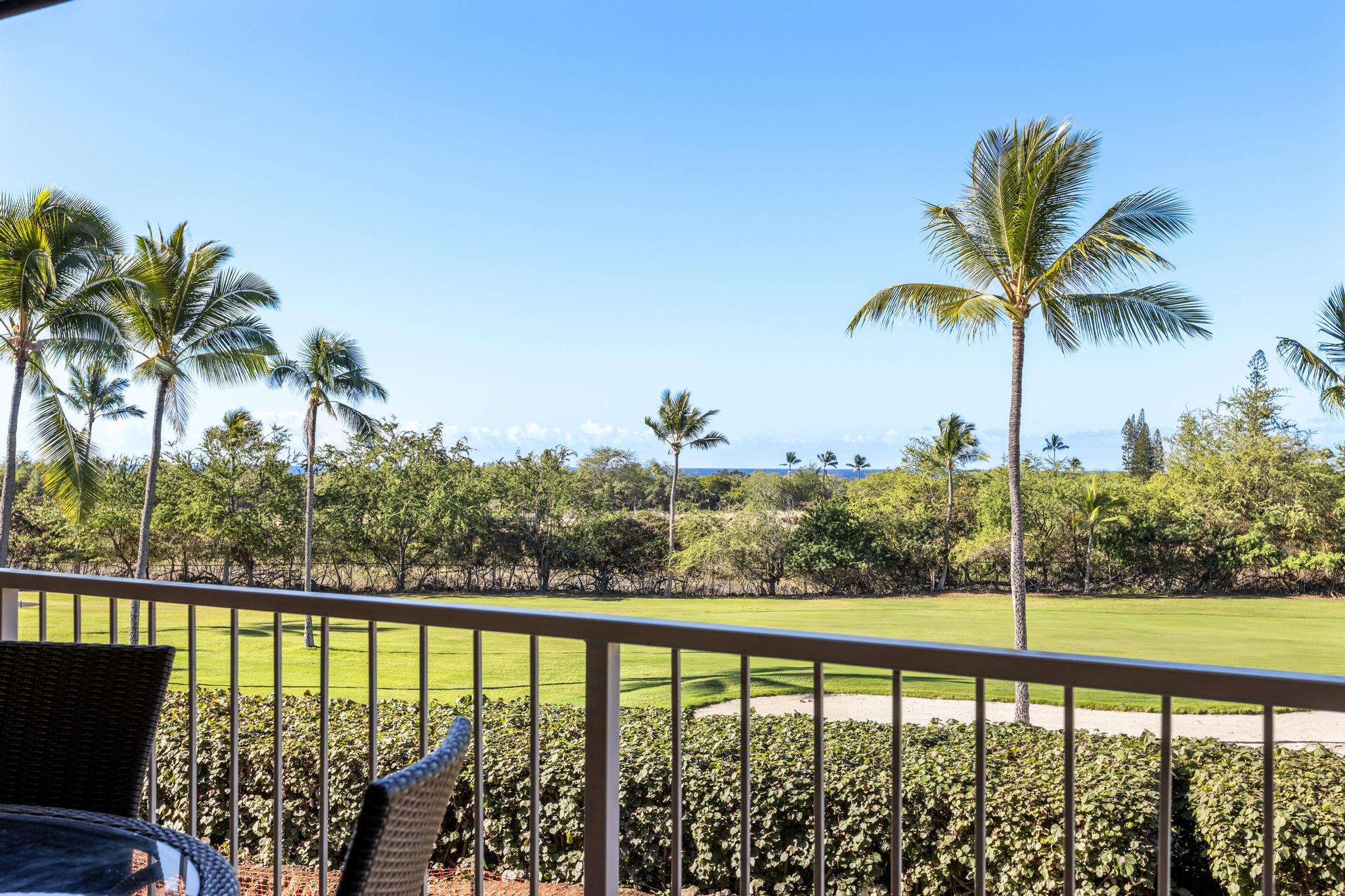
A few factors carry outsized weight in how properties are priced and perceived here. View quality is one: a genuine coastline view showing white water and the full horizon commands a meaningful premium over a standard ocean view at the horizon. Short-term rental eligibility is another. A home in a zone that permits unhosted vacation rentals can command 15 to 20 percent more than a comparable home in a residential-only zone, because it opens the property to the investor buyer pool. Elevation plays a role as well. Homes in the 800 to 1,200 foot range are considered a sweet spot; they stay naturally cool, often eliminating air conditioning costs entirely, and that feature is increasingly valued by buyers who want to minimize utility expenses.
Pricing and Presentation
The data supports pricing at or near current comps rather than testing the ceiling. Overpricing by even 5% in a balanced market can result in 120-plus days on market, after which a listing becomes psychologically stale and buyers begin negotiating harder. The target is to generate early interest and strong offers in the first few weeks. Because a significant share of Kona's buyer pool is located on the mainland and may not visit in person until they're already under contract, the digital presentation of a property matters as much as the physical condition. High-quality 3D virtual tours, aerial drone footage, and professional photography are standard practice here. For condo owners specifically, understanding when and how to bring your unit to market in the current environment is worth a close read of Should You Sell Your Kailua-Kona Condo Now? For sellers who want to understand how homes in this market are priced and positioned, see How We Price and Market Homes in Kailua-Kona.
Daily life in Kailua-Kona revolves around the ocean and the outdoors. Most mornings, you'll see paddlers in the bay, runners along Ali'i Drive, and snorkelers at Kahaluu Beach Park before 7 a.m.
The Kona coast is packed with accessible spots:
Beyond the beaches, the Kona coast is home to world-class diving (manta ray night dives are a signature experience), deep-sea fishing (the Hawaiian International Billfish Tournament has been running since 1959), kayaking, and outrigger canoe paddling.
And the best part? You don't have to stay at sea level. Within 45 minutes you can be at 6,000+ feet on the slopes of Hualalai or driving up to Mauna Kea for summit stargazing.
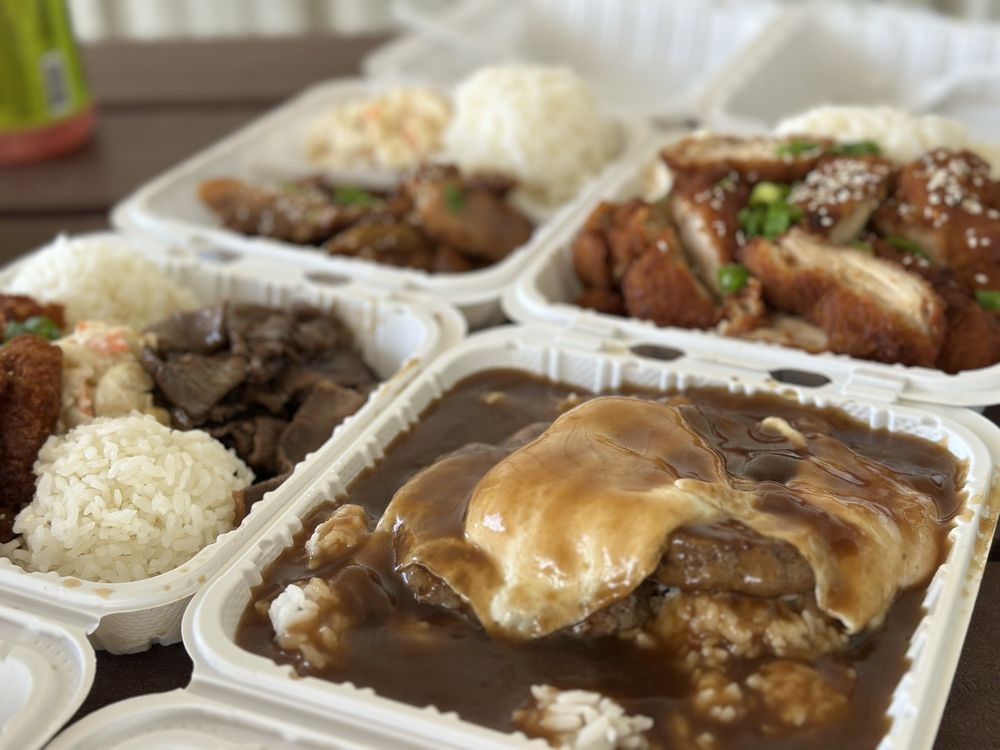
Kona's food scene leans casual and local. Think plate lunches, fresh poke bowls, and shave ice.
For shopping, the main hubs are Kona Commons (big-box retail, restaurants), Crossroads Shopping Center, Makalapua Center, and the smaller Keauhou Shopping Center. Ali'i Drive has tourist-oriented shops and galleries. For groceries, there's KTA Super Stores (a local chain), Costco, Target, Safeway, and Island Naturals for natural and organic foods.
West Hawaii has several well-regarded schools:
The family vibe in Kona is strong. Kids grow up in the water, youth sports leagues are active, and the community is small enough that you'll know your neighbors.
Kailua-Kona has deep Hawaiian cultural significance. Kamehameha the Great spent his final years here, and Hulihe'e Palace on Ali'i Drive served as a vacation home for Hawaiian royalty. Mokuaikaua Church, the first Christian church in Hawaii, stands directly across the street.
The town hosts several major events throughout the year:
The pace of life here is slower than Oahu or Maui, and that's by design. People move to Kona to step off the treadmill. "Kona time" is a real thing.
Here's one thing every newcomer learns fast: Kona has traffic. Queen Kaahumanu Highway (Highway 19) and Kuakini Highway are the main arteries, and during rush hours (roughly 7-8:30 a.m. and 3:30-5:30 p.m.), things slow down considerably. The highway between Kona and the Kohala Coast resorts can back up, too.
There is no public rail system. The Hele-On Bus provides limited public transit across the Big Island, but most residents rely on personal vehicles. Kona International Airport (KOA) offers direct flights to the US mainland and inter-island service, making it easy to connect to Honolulu, Maui, or the mainland West Coast.
Local Tip: If you're commuting to the Kohala Coast resort area for work, budget 30-45 minutes during peak hours for what would otherwise be a 20-minute drive. Many locals adjust their schedules to avoid the worst of it.
The bottom line? Kailua-Kona offers a rare combination: reliable sunshine, direct ocean access, a real local community, and proximity to some of the most dramatic natural environments on Earth. It's not for everyone (island logistics, limited shopping, and "rock fever" are real), but for those who commit, it's hard to beat.
Whether you're looking for a walkable condo near Ali'i Drive, a single-family home in the hills above Kona, or an investment property with vacation rental potential, the Kailua-Kona market has meaningful range across price points, elevations, and lifestyles. Browse our current listings to see what's available, and reach out when you're ready to talk through what fits your situation.
There's plenty to do around Kailua Kona, including shopping, dining, nightlife, parks, and more. Data provided by Walk Score and Yelp.
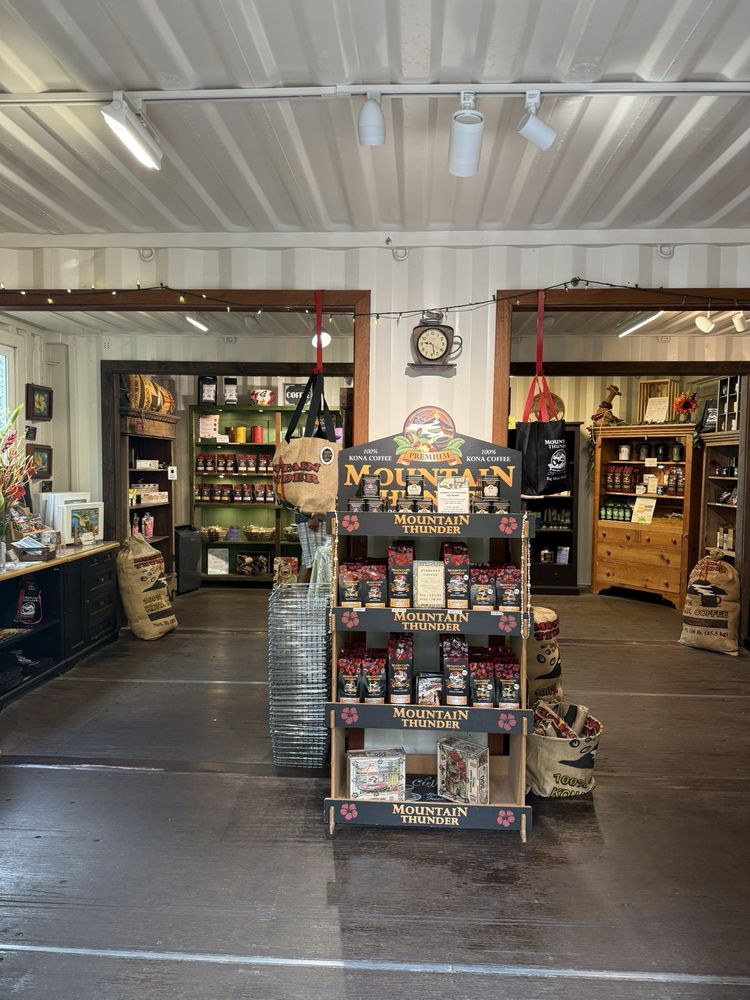
Explore popular things to do in the area, including Mountain Thunder Coffee Plantation, I'O Processing Company, and Lyman Kona Coffee Farms.
| Name | Category | Distance | Reviews |
Ratings by
Yelp
|
|---|---|---|---|---|
| Dining · $$ | 3.58 miles | 490 reviews | 4.5/5 stars | |
| Dining | 4.03 miles | 0 reviews | 0/5 stars | |
| Dining | 4.23 miles | 5 reviews | 4.8/5 stars | |
| Dining · $ | 4.68 miles | 61 reviews | 4/5 stars | |
| Dining · $ | 4.73 miles | 45 reviews | 4.2/5 stars | |
| Active | 3.02 miles | 126 reviews | 4.8/5 stars | |
| Active | 3.94 miles | 77 reviews | 3.7/5 stars | |
| Active | 4.44 miles | 6 reviews | 3.5/5 stars | |
| Active | 4.46 miles | 5 reviews | 5/5 stars | |
| Active | 4.64 miles | 0 reviews | 0/5 stars | |
| Active | 4.73 miles | 0 reviews | 0/5 stars | |
| Active | 4.85 miles | 0 reviews | 0/5 stars | |
| Beauty | 3.85 miles | 14 reviews | 3.9/5 stars | |
| Beauty | 4.34 miles | 0 reviews | 0/5 stars | |
| Beauty | 4.49 miles | 3 reviews | 5/5 stars | |
|
|
||||
|
|
||||
|
|
||||
|
|
||||
|
|
||||
|
|
Kailua Kona has 14,578 households, with an average household size of 3. Data provided by the U.S. Census Bureau. Here’s what the people living in Kailua Kona do for work — and how long it takes them to get there. Data provided by the U.S. Census Bureau. 42,087 people call Kailua Kona home. The population density is 2,441 and the largest age group is Data provided by the U.S. Census Bureau.
Total Population
Population Density Population Density This is the number of people per square mile in a neighborhood.
Median Age
Men vs Women
Population by Age Group
0-9 Years
10-17 Years
18-24 Years
25-64 Years
65-74 Years
75+ Years
Education Level
Total Households
Average Household Size
Average individual Income
Households with Children
With Children:
Without Children:
Marital Status
Blue vs White Collar Workers
Blue Collar:
White Collar: