50,408 people live in Hilo, where the median age is 42.6 and the average individual income is $39,258. Data provided by the U.S. Census Bureau.
Total Population
Median Age
Population Density Population Density This is the number of people per square mile in a neighborhood.
Average individual Income
Hilo is the largest town on the Island of Hawaiʻi and the seat of Hawaiʻi County, yet it carries none of the resort-engineered polish you'll find across the island in Kailua-Kona. What you get instead is the real thing: a multi-generational, working community where old Hawaiʻi still breathes through the storefronts, the language, and the rhythm of daily life. People here move with intention. The pace is slower not because there's less to do, but because residents have decided that's how they want to live.
The town wears its identity openly. It's a college town, anchored by the University of Hawaiʻi at Hilo, and it's the cultural heartbeat of the islands when it comes to hula—every spring the Merrie Monarch Festival turns Hilo into the global capital of Hawaiian dance. The local economy leans on education, agriculture, healthcare, tourism, and astronomy, with Mauna Kea's world-class observatories sitting just up the saddle. And then there's the rain, which defines everything: Hilo is one of the wettest cities in the United States, and that water is the engine behind the waterfalls, the emerald gulches, and the almost aggressively green landscape that gives the town its character.
For a buyer, the headline is this: Hilo offers some of the most attainable coastal real estate in Hawaiʻi, paired with an authenticity that's increasingly hard to find anywhere in the islands. But it asks something in return—a willingness to live with the rain, the humidity, and a town that closes early and prizes community over spectacle.
Hilo sits on the crescent of Hilo Bay, on the cool, wet northeastern shoulder of the Big Island. It functions as the gateway to the Hāmākua Coast, the dramatic stretch of sea cliffs, deep gorges, and cascading rivers that runs roughly 50 miles north toward Waipiʻo Valley.
The town is built on the lower slopes of two volcanoes—Mauna Kea, the dormant giant to the north, and Mauna Loa, the active giant to the south. On a clear winter morning, watching the snow on Mauna Kea's summit hang above a tropical shoreline is one of those views that never quite stops feeling improbable. This geography isn't just scenery; it's the reason Hilo is the way it is. The northeast trade winds carry moisture straight into these slopes, and the result is a hyper-lush environment where the rainforest runs nearly to the sea.
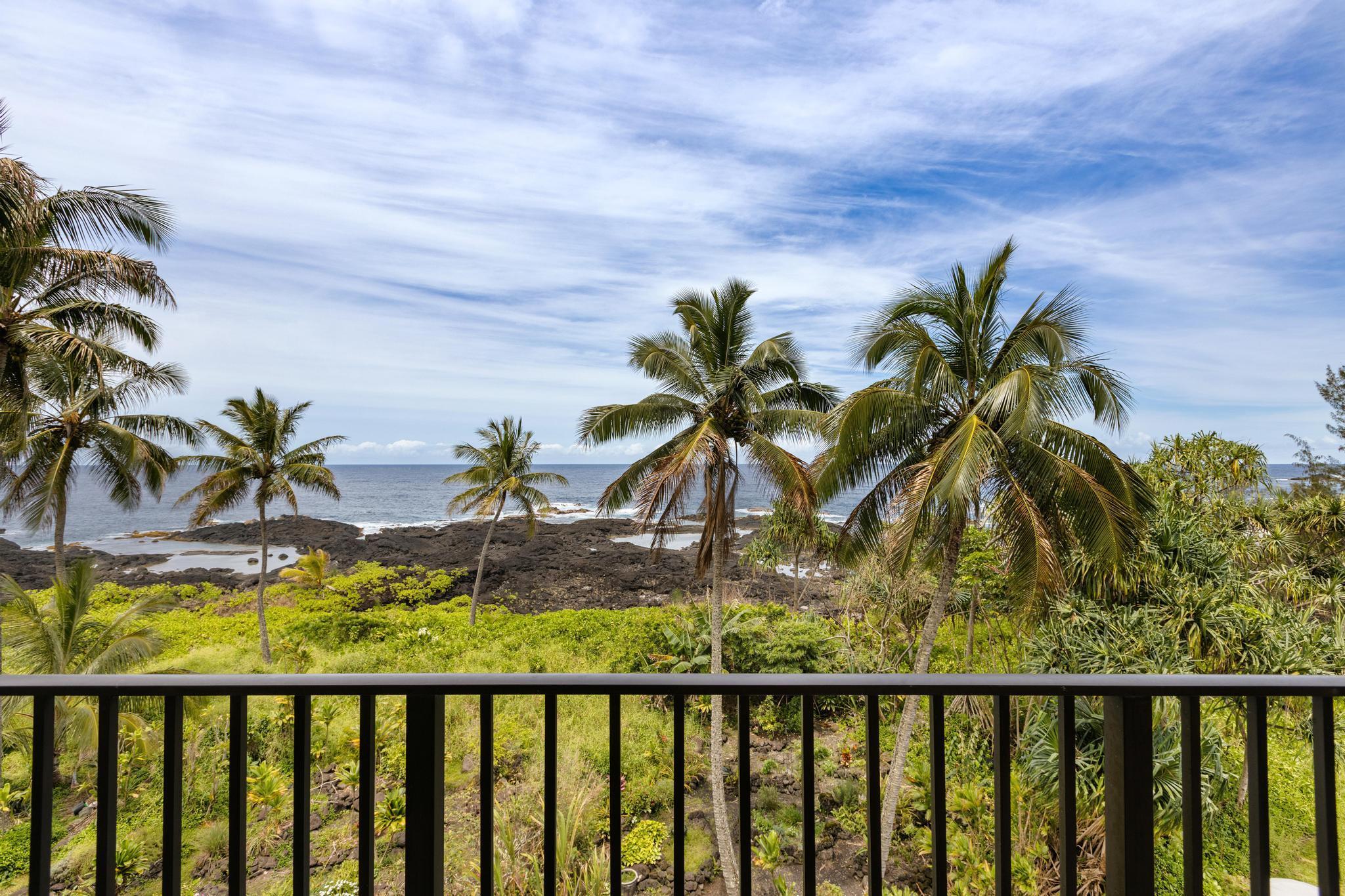
That same water carves the landscape into Hilo's signature features. Rainbow Falls (Waiānuenue) and Peʻepeʻe Falls sit practically in town, and the towering 442-foot Akaka Falls is a short drive up the coast. The shoreline itself trades Kona's white sand for dramatic black basalt, lush beach parks like Carlsmith and Richardson, and brackish ponds where cold spring water meets the ocean. Living here means accepting that geography is a daily companion—the rainforest, the rivers, and the raw scale of the volcanoes are simply part of the routine.
You cannot understand Hilo without understanding its rain, and you cannot make a good buying decision without understanding the reality of that rain rather than the headline.
Hilo averages roughly 130 to 140 inches of rainfall per year, with the number climbing as you move inland and uphill toward the mountains. For perspective, Seattle—shorthand for "rainy" in the American imagination—averages around 38 inches. So yes, it rains here, a lot.
But the pattern matters more than the total. Hilo's weather is driven by trade winds pushing moisture against the slopes of Mauna Kea and Mauna Loa, and most of the heaviest rain falls overnight and in the early morning. A typical day often opens with a downpour that clears to brilliant sun by mid-morning, followed by an afternoon of sun broken up by passing showers that locals don't even acknowledge, then cooling evening rains. It rarely rains all day. The trade-off is generous: the rain keeps Hilo green, cool, and free of the dust that plagues the island's drier side, and it keeps the waterfalls running and the flora vivid year-round.
The flip side is a homeowner's reality. Constant moisture means mold, mildew, and rust are an ongoing maintenance battle rather than an occasional nuisance—something I'll return to in the housing section, because it directly shapes how you should inspect and maintain a home here. The upside of all that water is that rainwater catchment systems, common just outside the town core, almost never run dry.
If Kona organizes itself around modern tourism, Downtown Hilo organizes itself around history. The district sits right on the edge of Hilo Bay, and it's genuinely walkable—a rare quality on the Big Island—with blocks of century-old wooden storefronts, many on the National Register of Historic Places.
The architecture tells a survival story. Much of downtown carries a turn-of-the-century, plantation-era charm, with neoclassical and wooden facades that endured the catastrophic tsunamis of 1946 and 1960. Rather than rebuild on the water, the town pulled back and turned the immediate bayfront into protective parkland, preserving the historic core in the process. It's why downtown feels both old and intact.
A few anchors define the experience. Kamehameha Avenue is the main artery, lined with boutiques, vintage Hawaiiana shops, bookstores, and homegrown names like the celebrated Sig Zane Designs. The Hilo Farmers Market draws locals and visitors alike, busiest on its Wednesday and Saturday "big market" days. The beautifully restored Palace Theatre, built in 1925, hosts films, concerts, and community theater. And the town's museums—the sobering Pacific Tsunami Museum and the 1839 Lyman Mission House & Museum, with its world-class mineral and artifact collection—give weight to the history. Downtown also happens to be a quietly excellent place to eat, from the famous strawberry mochi at Two Ladies Kitchen to plate lunch, Thai, and Pacific fusion, all of it unpretentious and deeply satisfying.
Hilo isn't one uniform town—it's a collection of distinct districts, and where you land changes the experience entirely based on elevation, distance from the ocean, and microclimate. Because this is often the most consequential decision a buyer makes, here is how the main areas compare:
District | Character | Best For | Trade-Offs |
|---|---|---|---|
Downtown / Hilo Town | Historic, walkable, high-energy commercial core | Buyers who want to walk to the market, shops, and restaurants | Smaller lots, little privacy |
Waiākea | Large residential and commercial district around Waiākea Pond; home to UH Hilo and major shopping | Families and university faculty wanting convenience | Suburban feel, less seclusion |
Kaūmana | Up the mountain slopes; cooler, wetter, larger properties with bay views | Buyers wanting space, privacy, and a cooler climate | More rain, a drive down for groceries |
Keaukaha | Coastal community east of the harbor with Hilo's best beach parks | Those drawn to the ocean and multi-generational roots | Parts sit in tsunami inundation zones |
Wainaku & the Hāmākua fringe (Papaʻikou / Pepeʻekeo) | Rural, cliffside, old plantation feel with ocean views | Buyers wanting a country setting near town | Older infrastructure, varied lot conditions |
The short version: as you climb from the bay into Kaūmana, the air cools and the rain increases; as you move east into Keaukaha, you trade some risk profile for the island's best swimming and snorkeling; and as you cross the Wailuku River north into Wainaku, you're into plantation country within a 5-to-10-minute drive of downtown.
Hilo's real estate market bears almost no resemblance to the luxury resort markets of Kona or Maui. It's driven by local demand, which keeps it calmer and more attainable—though "attainable in Hawaiʻi" still means real money, and the homes here carry structural and environmental quirks you won't see on the mainland.
Median single-family home prices generally sit in the $545,000 to $560,000 range. That's well above the national average, but it represents some of the most affordable coastal property in the entire state. The market also moves at what locals would recognize as a Hilo pace—homes often spend 50 to 100-plus days listed, and rather than the frenzied bidding wars seen elsewhere, buyers frequently have room to negotiate on price, condition, and repair credits.
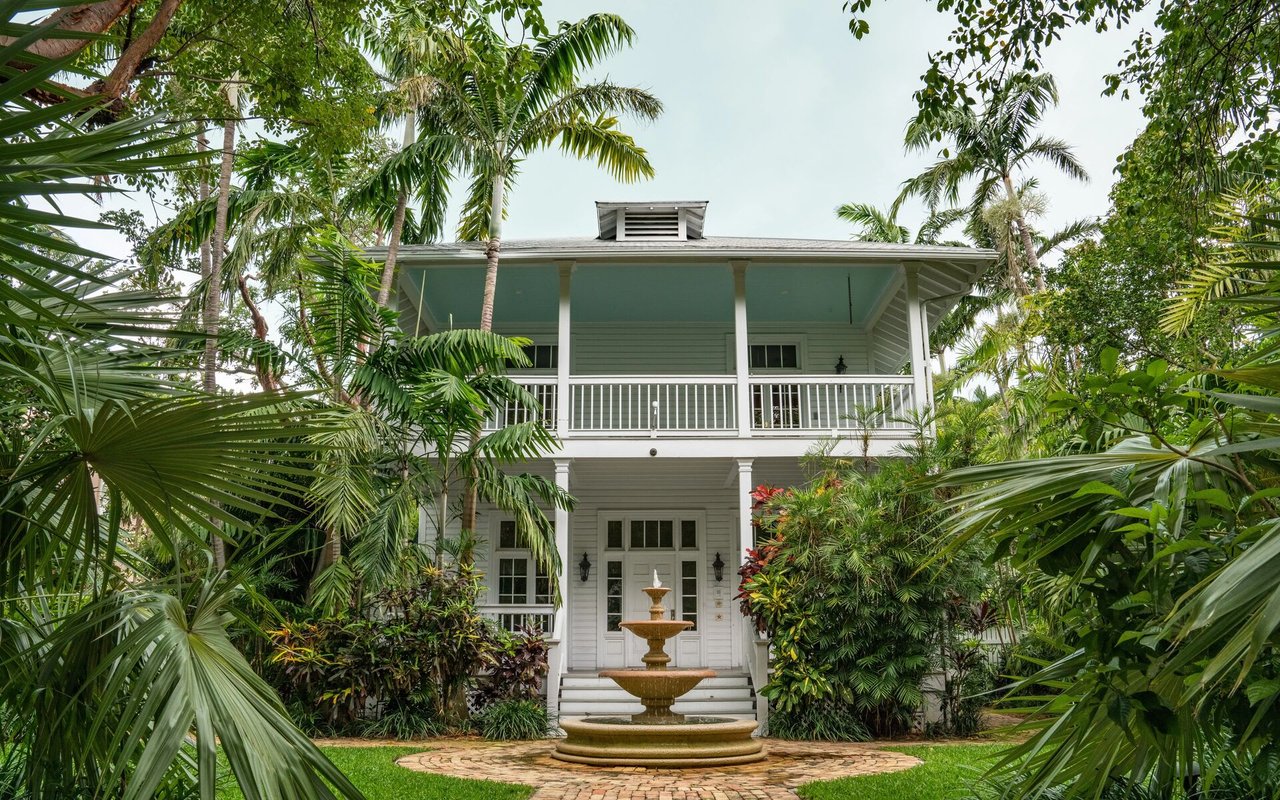
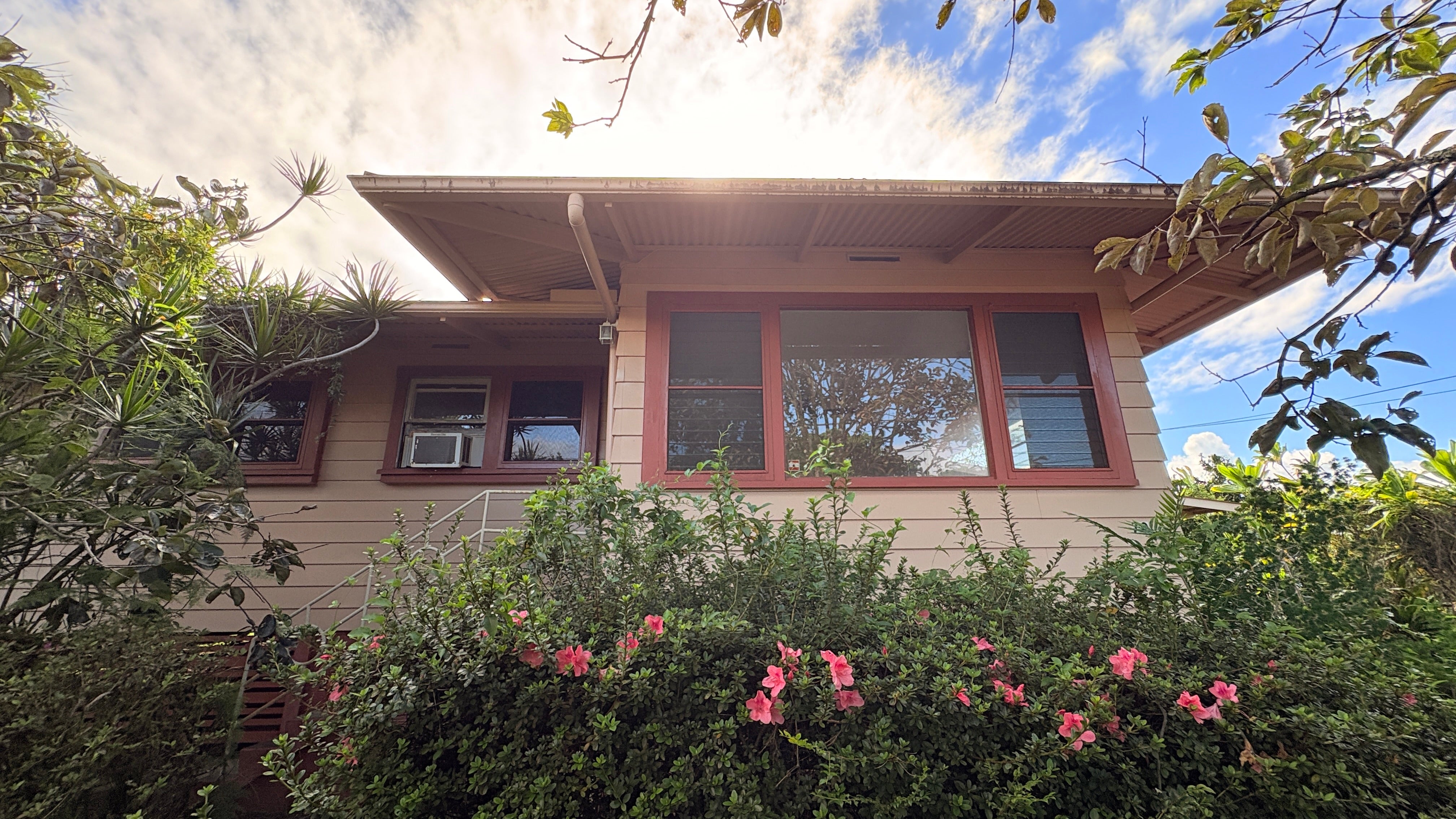
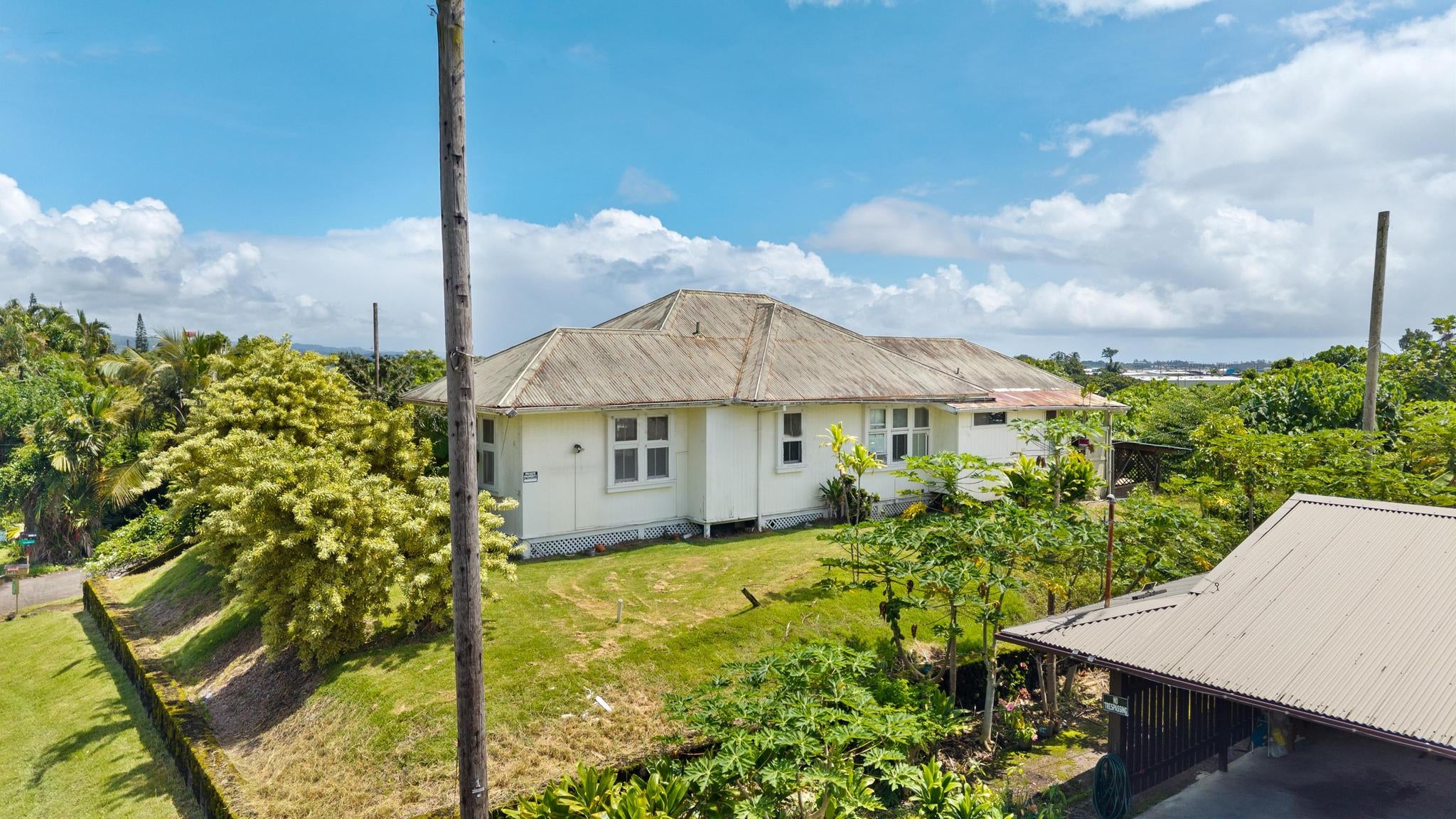
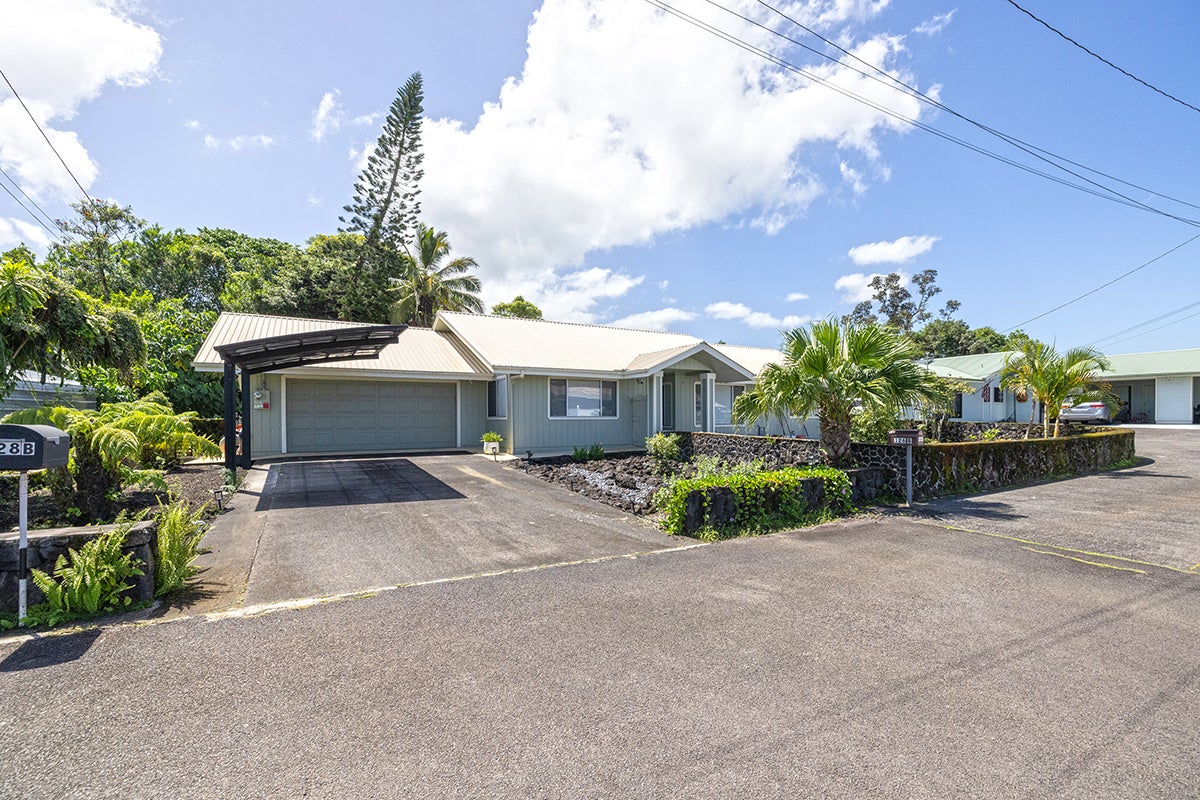
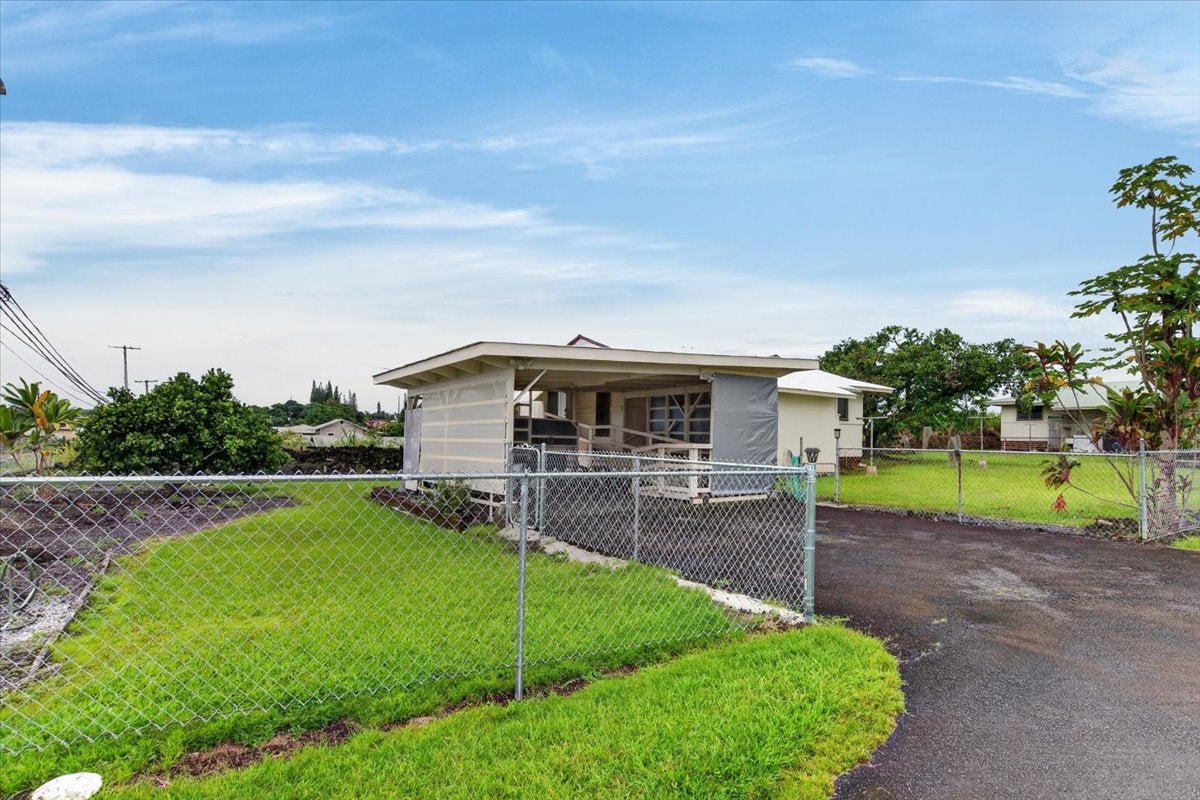
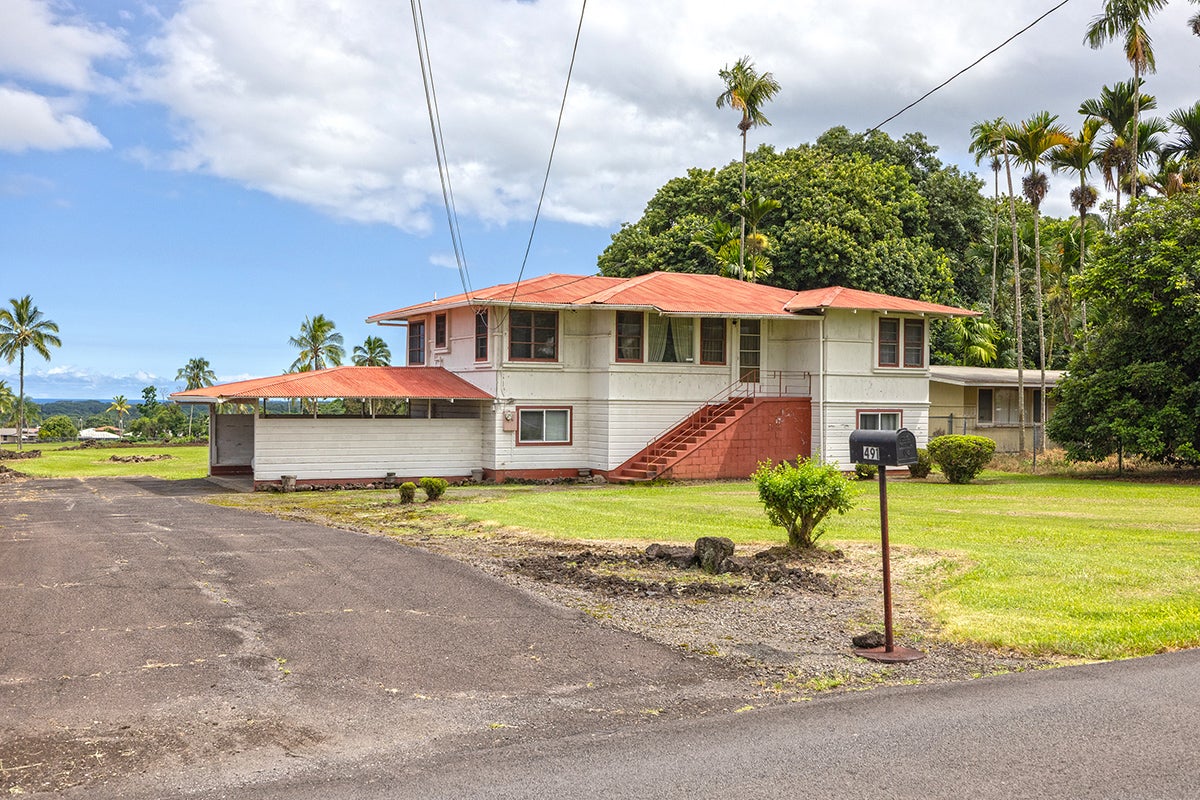
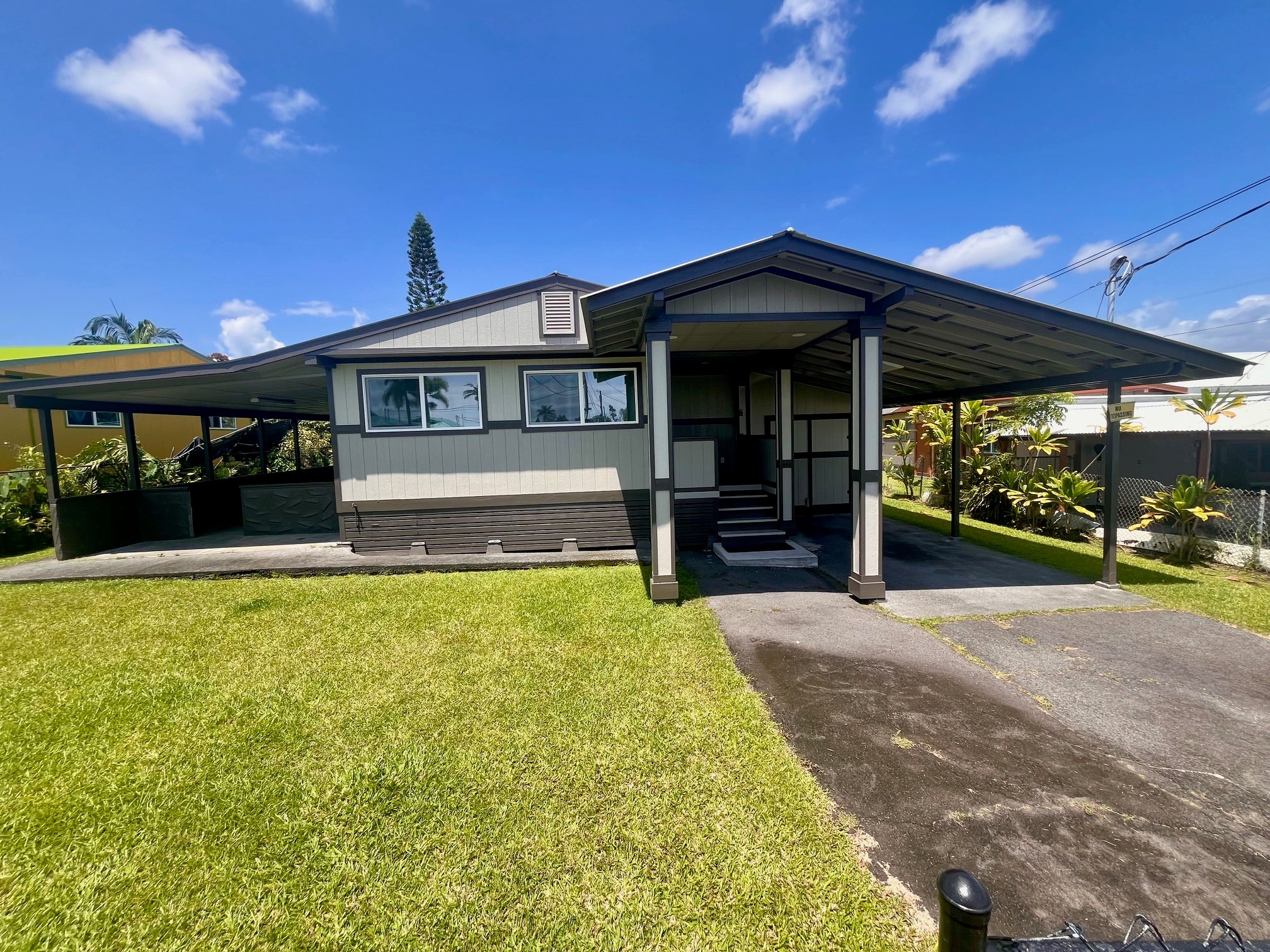
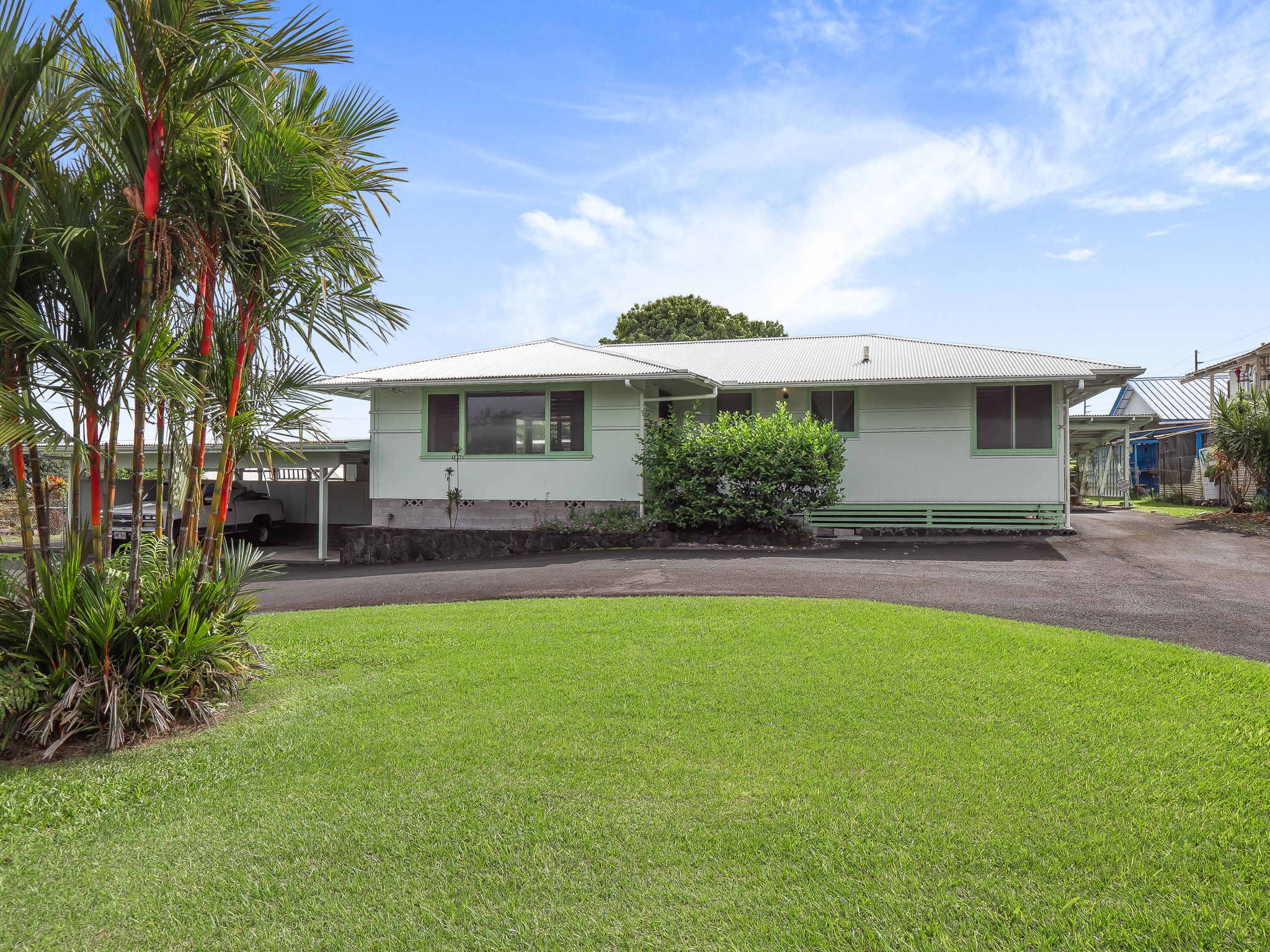
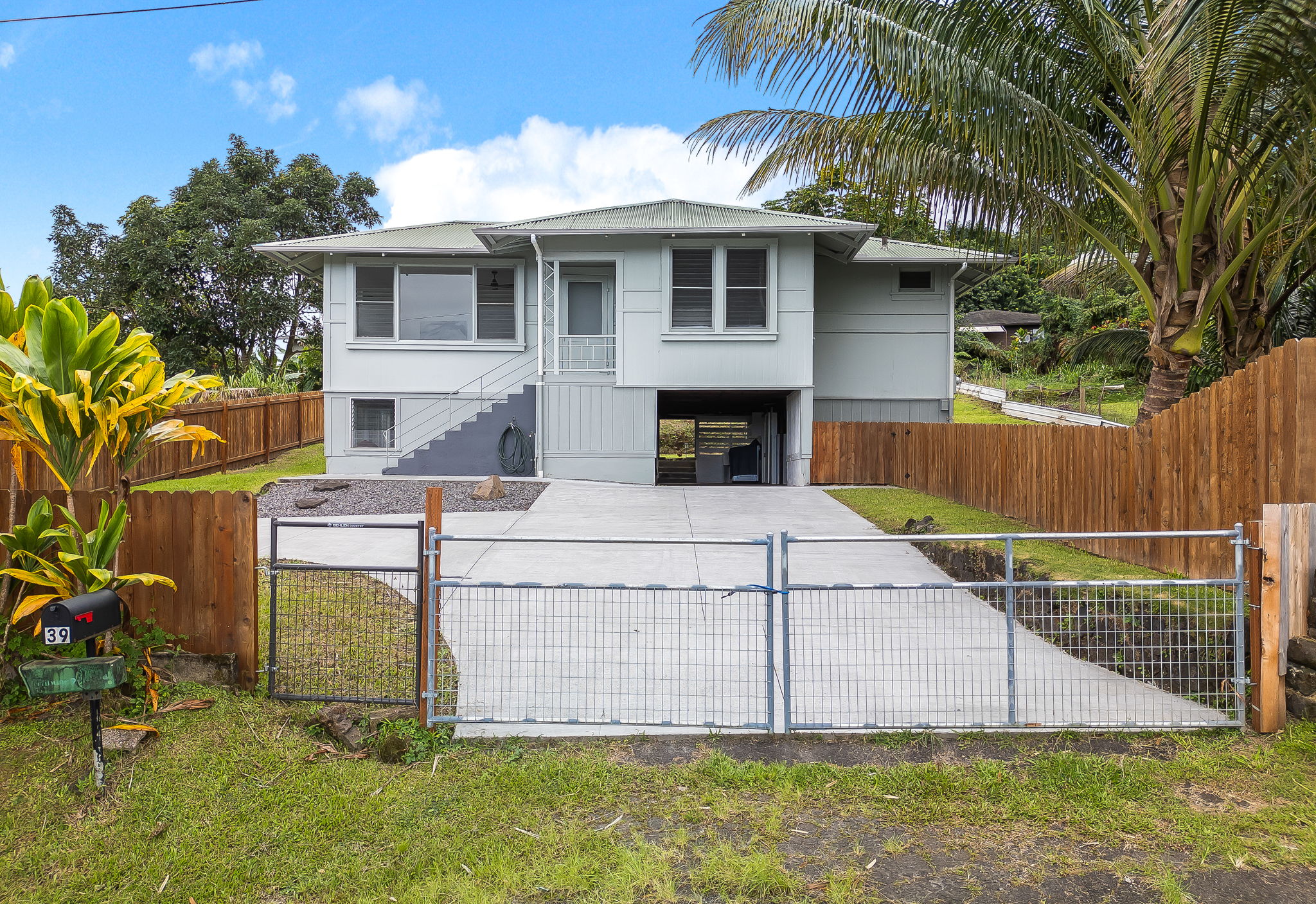
The housing stock has a personality of its own. Much of it is plantation-style: single-wall wood homes built between the 1920s and 1960s, raised on post-and-pier foundations, with large covered lanais, corrugated metal roofs, and a tremendous amount of character. Those raised foundations aren't nostalgia—they're a practical response to heavy rain, lifting the house off damp soil and torrential runoff while letting air circulate underneath to fight mold. Most older and mid-tier homes have no central air or heating at all; residents rely on ceiling fans, jalousie windows, and the evening trade winds, which the climate makes entirely workable.
One point deserves emphasis for any buyer. Because of the damp, inspections here demand a sharp eye—termites (both subterranean and drywood), wood rot, mold, and catchment-system condition are standard line items, not edge cases. And value is heavily shaped by Lava Zone designation: most of Hilo sits in Zone 3, which directly affects the cost and availability of homeowners insurance. I'll break down what that means practically in the buyer's section below.
Living on Hilo's coast means balancing genuine natural beauty against equally genuine geologic and ocean risk. Because the town sits on low-lying land around the bay, backed by enormous volcanic slopes, this isn't an abstract concern—it's built into local life.
The tsunami history is the headline. Hilo has been called the "Tsunami Capital of the United States," and the catastrophic waves of 1946 and 1960 quite literally reshaped the town. The modern response has been twofold and reassuring: Hilo now operates one of the world's most advanced tsunami warning and siren networks, and it permanently converted its most exposed oceanfront into open green space—Liliʻuokalani Gardens and Bayfront Beach Park among them—so that downtown businesses sit well back from the waterline.
Two other factors shape coastal property. The USGS divides the island into nine Lava Flow Hazard Zones, and Hilo sits comfortably in Zone 3—far safer than the active rift areas of Puna in Zones 1 and 2, though still enough to raise insurance premiums and tighten mortgage requirements. And coastal inundation is a live issue: king tides combined with heavy winter swells can cause minor flooding along the Bayfront Highway, so anyone considering oceanfront property in Keaukaha or Wainaku should study flood maps, sea-level-rise projections, and the county's shoreline setback rules carefully before committing.
Hilo is the academic center of the Big Island, with an unusually complete ecosystem of public, charter, private, and higher-education options for a town its size.
Most local children attend public schools under the statewide Hawaiʻi Department of Education, within the Hilo-Waiākea Complex Area. The town splits broadly into two high school tracks: Hilo High School, known for its deep traditions and career academies, and Waiākea High School, often recognized for strong STEM programs—each fed by its own intermediate and elementary schools, including the well-regarded Ernest B. DeSilva Elementary. Hilo also has a notable charter-school presence emphasizing Hawaiian cultural immersion and project-based learning, such as Ka ʻUmeke Kāʻeo and Connections New Century. Families seeking private education look to St. Joseph School, with its K–12 Catholic college-prep track, or the highly selective Kamehameha Schools Hawaiʻi Campus in nearby Keaʻau, which serves students of Native Hawaiian ancestry.
The town's college-town identity comes from two institutions. The University of Hawaiʻi at Hilo is a four-year public university globally recognized for marine science, volcanology, astronomy, and agriculture—fields its geography makes uniquely suited to—and it houses Ka Haka ʻUla O Keʻelikōlani, a college devoted entirely to the revitalization of the Hawaiian language. Next door, Hawaiʻi Community College focuses on trades, culinary arts, nursing, and digital media, supplying much of the local workforce.
Getting around Hilo is refreshingly simple by mainland standards, though island geography adds its own wrinkles. Traffic flows along a handful of routes—Kamehameha Avenue and Bayfront Highway hug the coast downtown, while Kilauea Avenue and the inland streets carry north-south traffic. Two highways connect the rest of the island: Highway 11 runs south toward Volcano and on to Kona, while Highway 19 heads north up the Hāmākua Coast. The modernized Saddle Road (Daniel K. Inouye Highway) cuts through the valley between Mauna Kea and Mauna Loa and has shortened the Hilo-to-Kona drive to roughly 1.5 hours.
Congestion is rarely a real problem—expect minor backups around school drop-off and near Prince Kūhiō Plaza at peak times, and little else. A personal vehicle is strongly recommended; the county's Hele-On Bus exists but runs a relaxed, limited schedule.
Hilo International Airport (ITO) sits just two miles east of downtown, an easygoing open-air terminal that suits the town's temperament. It handles frequent short hops to Honolulu and Kahului, making island-hopping easy, and offers limited direct mainland service (typically to Los Angeles)—though most residents headed farther afield connect through Honolulu.
Hilo pairs everyday commercial convenience with a hyper-local food culture, and it makes no apology for skipping the luxury-retail gloss of Maui or Waikiki. The icon, of course, is the Hilo Farmers Market at Kamehameha Avenue and Mamo Street—widely considered one of the best open-air markets in the state. A smaller group of vendors sells daily, but Wednesdays and Saturdays are the big days, when 150 to 200 vendors bring affordable local tropical fruit (rambutan, lychee, white pineapple), vegetables, organic coffee, fresh orchids, street food spanning Filipino, Thai, and Hawaiian kitchens, and handmade crafts.
The dining scene is rooted in plantation heritage, which means a genuine fusion of Hawaiian, Japanese, Filipino, Chinese, and Portuguese flavors. Hilo is the birthplace of the loco moco—rice, a burger patty, a fried egg, and brown gravy—and Café 100 claims to be its original home, while the legendary Ken's House of Pancakes serves famously oversized local breakfasts. For poke, locals go straight to Suisan Fish Market by Liliʻuokalani Gardens. And no visit is complete without the strawberry mochi line at Two Ladies Kitchen or watching the hand-dipped shortbread at Big Island Candies.
For daily needs, Hilo leans on a compact cluster of hubs: Prince Kūhiō Plaza, the island's only enclosed mall; big-box staples like Target, Walmart, Home Depot, and Safeway in town (with Costco a monthly "Kona run" for many residents); and beloved local grocers like the family-owned KTA Super Stores and Island Naturals Market & Deli for locally sourced and organic goods.
Hilo's rain produces a landscape practically engineered for the outdoors, though recreation here centers on rainforest, rivers, and rugged coast rather than resort sand.
The waterfalls are the signature. Rainbow Falls (Waiānuenue) sits right in town, an 80-foot drop over a lava cave that throws rainbows across the pool on sunny mornings. Just upstream, Peʻepeʻe Falls and the Boiling Pots churn through terraced basalt pools. A short 11 miles north, Akaka Falls State Park offers a paved half-mile loop through bamboo and orchid canopy to a 442-foot plunge into a rainforest gorge.
The town's parks are equally distinctive. Liliʻuokalani Gardens is a 30-acre Edo-style Japanese garden—the largest of its kind outside Japan—dedicated to early Japanese immigrant workers, complete with stone lanterns, pagodas, and koi ponds on the bay. Panaʻewa Rainforest Zoo & Gardens is free, county-run, and the only natural tropical rainforest zoo in the United States. And Wailuku River State Park puts the raw power of Hilo's freshwater runoff on full display.
Because the coast is volcanic rock, the beach experience runs through "beach parks" built around calm inlets and lagoons. Carlsmith Beach Park and Richardson Ocean Park in Keaukaha offer black sand, brackish spring-fed lagoons, protective reefs, and reliably good snorkeling, swimming, and sea turtle (honu) sightings. Coconut Island (Moku Ola), reached by footbridge off Liliʻuokalani Gardens, is a small island of picnic lawns, pocket beaches, and a stone diving tower locals have used for generations.
Hilo's deepest asset isn't a place—it's an identity, built on cultural preservation, family, and a real reverence for the arts, all of it untouched by the commercialized sheen of mass tourism.
That identity peaks each spring with the Merrie Monarch Festival, which begins Easter Sunday and makes Hilo the global guardian of hula. Named for King David Kalākaua, the week-long event draws elite hālau hula from around the world to compete at the Edith Kanakaʻole Stadium. Tickets are notoriously hard to get—rationed through a traditional mail-in lottery—and for that one week the town becomes a worldwide hub of Hawaiian music, craft, and cultural education, capped by a Royal Parade through downtown.
Culture and science meet in Hilo's institutions too. The striking, titanium-coned ʻImiloa Astronomy Center on the UH Hilo campus connects ancient Polynesian wayfinding with the modern astronomy happening atop Mauna Kea, while the East Hawaiʻi Cultural Center, set in a historic downtown courthouse, drives the contemporary arts scene. Underneath all of it runs the day-to-day spirit of ʻohana—neighbors who "talk story," weekend backyard kanikapila music sessions, canoe clubs, high school sports, and multi-generational potlucks at the beach parks. Life here isn't built around nightlife or luxury; it's built around connection.
Buying in Hilo means navigating a few environmental and infrastructural factors that rarely come up on the mainland. Get familiar with these three before you fall in love with a listing.
Lava Flow Hazard Zones. The USGS ranks the island from Zone 1 (highest risk) to Zone 9 (lowest). Most of Hilo proper sits in Zone 3—far safer than Puna's active rift zones, but not without consequence. Securing a conventional mortgage requires proof of hazard insurance, and because fewer private insurers are writing new Hawaiʻi policies, buyers increasingly rely on the Hawaiʻi Property Insurance Association (HPIA) as a backstop, which can mean higher premiums. Build this into your budget early.
Rainwater catchment systems. Homes in central Hilo are on municipal water, but many properties just outside the core or on acreage depend entirely on catchment—rain collected off the roof into a 5,000-to-10,000-gallon tank. With Hilo's rainfall, running dry is rarely the concern; water quality is. Expect to maintain sediment filters, carbon filters, and UV or chemical treatment, and know that lenders will require a water potability test before closing.
Flood and tsunami zones. Heavy rain and coastal topography make water management real. The Wailuku River and local gulches can swell fast, so review the FEMA Flood Insurance Rate Maps—a home in a designated Zone AE or VE will mandate costly flood insurance. And any coastal property in Keaukaha or near the bay will fall within a Tsunami Evacuation Zone, which affects insurance, permitting, and long-term resale even with today's excellent warning systems.
None of these are reasons to walk away. They're simply the homework that separates a smart Hilo purchase from a regrettable one—and they're exactly where experienced local representation earns its keep.
Hilo is a remarkable place, but it isn't built to please everyone, and being honest about that is part of serving you well.
You'll likely love Hilo if you crave authenticity over master-planned polish, if a green, rainy, waterfall-laced environment brings you peace rather than restlessness, if you'd choose neighbors who "talk story" and a town woven through with hula and outrigger paddling over nightlife, and if you want to live in Hawaiʻi without paying Maui, Oʻahu, or Kona prices.
Hilo may frustrate you if gray skies and frequent showers drag down your mood, since 130-plus inches a year is not a rumor. It's also the wrong fit if your dream is stepping onto soft white sand—Hilo's coast is rocky, volcanic, and dramatic, and Kona is the better match for that vision. The job market is tight and concentrated in education, healthcare, and agriculture, the town largely winds down by 8 or 9 p.m., and the moisture brings a standing battle with mold, rust, mosquitoes, and the famously loud nighttime chorus of coqui frogs.
Ultimately, Hilo doesn't reshape itself for newcomers. It asks you to adapt to its rhythm—natural, deliberate, and deeply cultural. For the right buyer, that's not a compromise. It's the entire appeal.
Buying or selling on this side of the Big Island rewards local knowledge, and that's exactly what Hawaiʻi Estates, LLC brings to the table. Led by Principal Broker Kendra Powell and Broker in Charge Doug Powell, our team has built its reputation on the details that matter in markets like Hilo—reading catchment systems and lava-zone designations correctly, navigating tsunami and flood-zone considerations, and guiding clients through inspections in a climate that demands a sharp eye. Our clients consistently describe us the same way: meticulous, responsive, honest, and genuinely invested in helping them make a sound decision rather than a fast one. Whether you're searching for a plantation-style home downtown, a cooler property up in Kaūmana, or coastal acreage in Keaukaha, we'd be glad to put that experience to work for you. Reach out to Hawaiʻi Estates, LLC at hawaiiestates.com to start the conversation—we'd love to help you find your place in Hilo.
There's plenty to do around Hilo, including shopping, dining, nightlife, parks, and more. Data provided by Walk Score and Yelp.
Explore popular things to do in the area, including T's Tasty Treats, Roxy's Wood Fired Pizza, and Crusty Buns.
| Name | Category | Distance | Reviews |
Ratings by
Yelp
|
|---|---|---|---|---|
| Dining | 1.13 miles | 0 reviews | 0/5 stars | |
| Dining | 1.13 miles | 0 reviews | 0/5 stars | |
| Dining | 1.13 miles | 1 review | 2/5 stars | |
| Dining | 1.13 miles | 0 reviews | 0/5 stars | |
| Dining | 1.13 miles | 5 reviews | 5/5 stars | |
| Dining | 1.13 miles | 0 reviews | 0/5 stars | |
| Dining | 1.13 miles | 1 review | 5/5 stars | |
| Dining · $$ | 2.61 miles | 0 reviews | 0/5 stars | |
| Dining | 2.61 miles | 0 reviews | 0/5 stars | |
| Active | 1.13 miles | 0 reviews | 0/5 stars | |
| Active | 1.13 miles | 0 reviews | 0/5 stars | |
| Active | 1.13 miles | 0 reviews | 0/5 stars | |
| Active | 1.13 miles | 1 review | 5/5 stars | |
| Active | 1.13 miles | 0 reviews | 0/5 stars | |
| Active | 1.13 miles | 1 review | 5/5 stars | |
| Active | 1.13 miles | 0 reviews | 0/5 stars | |
| Beauty | 1.13 miles | 0 reviews | 0/5 stars | |
| Beauty | 1.13 miles | 0 reviews | 0/5 stars | |
| Beauty | 1.13 miles | 0 reviews | 0/5 stars | |
|
|
||||
|
|
||||
|
|
||||
|
|
||||
|
|
||||
|
|
Hilo has 17,682 households, with an average household size of 2.75. Data provided by the U.S. Census Bureau. Here’s what the people living in Hilo do for work — and how long it takes them to get there. Data provided by the U.S. Census Bureau. 50,408 people call Hilo home. The population density is 169 and the largest age group is Data provided by the U.S. Census Bureau.
Total Population
Population Density Population Density This is the number of people per square mile in a neighborhood.
Median Age
Men vs Women
Population by Age Group
0-9 Years
10-17 Years
18-24 Years
25-64 Years
65-74 Years
75+ Years
Education Level
Total Households
Average Household Size
Average individual Income
Households with Children
With Children:
Without Children:
Marital Status
Blue vs White Collar Workers
Blue Collar:
White Collar: