10,410 people live in South Kona, where the median age is 49.2 and the average individual income is $46,645. Data provided by the U.S. Census Bureau.
Total Population
Median Age
Population Density Population Density This is the number of people per square mile in a neighborhood.
Average individual Income
South Kona isn't a destination most people stumble into. It's a place you choose deliberately, drawn by the smell of roasting coffee on the morning breeze, the silence of a hillside orchard, and the kind of ocean clarity that makes you forget what year it is. As Realtors who have walked these slopes, sold these homes, and watched families plant their roots into this volcanic soil, we created this guide to give you an honest, ground-level look at what makes South Kona one of the most distinctive places to live on the Big Island.
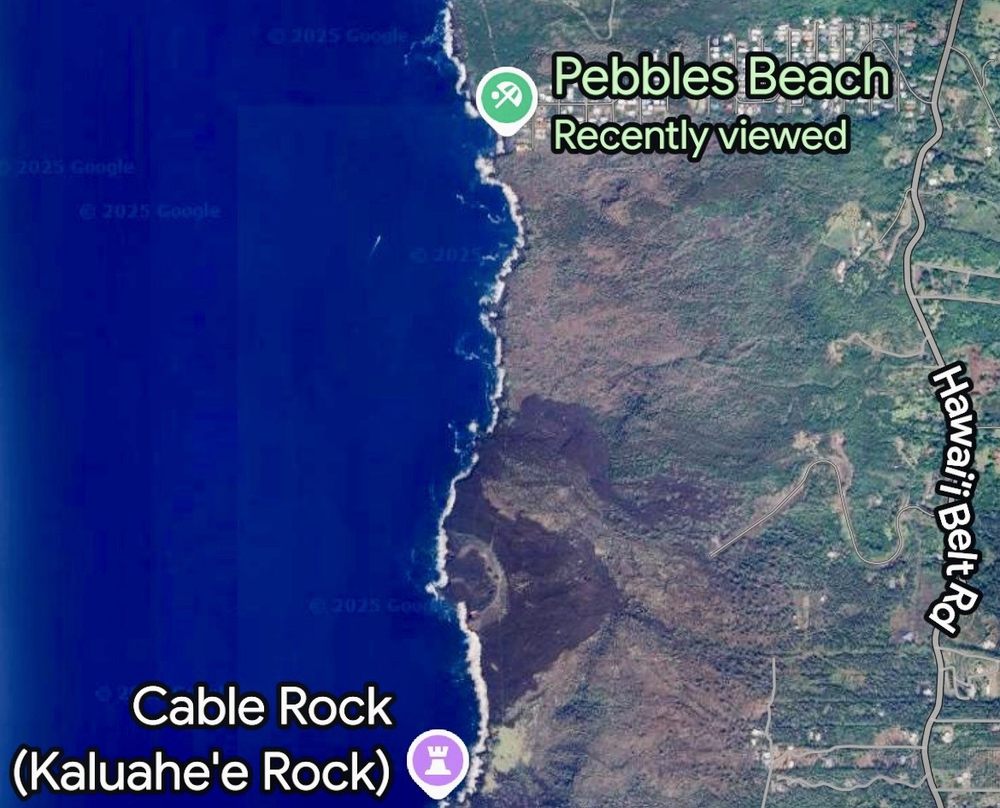
South Kona occupies the southwestern coast of Hawai'i Island, tucked between the bustling town of Kailua-Kona to the north and the vast, rugged Ka'ū district to the south. The heart of the region sits roughly 15 to 30 miles south of the Ellison Onizuka Kona International Airport, which translates to a scenic 30-to-45-minute drive down Māmalahoa Highway (Route 11).
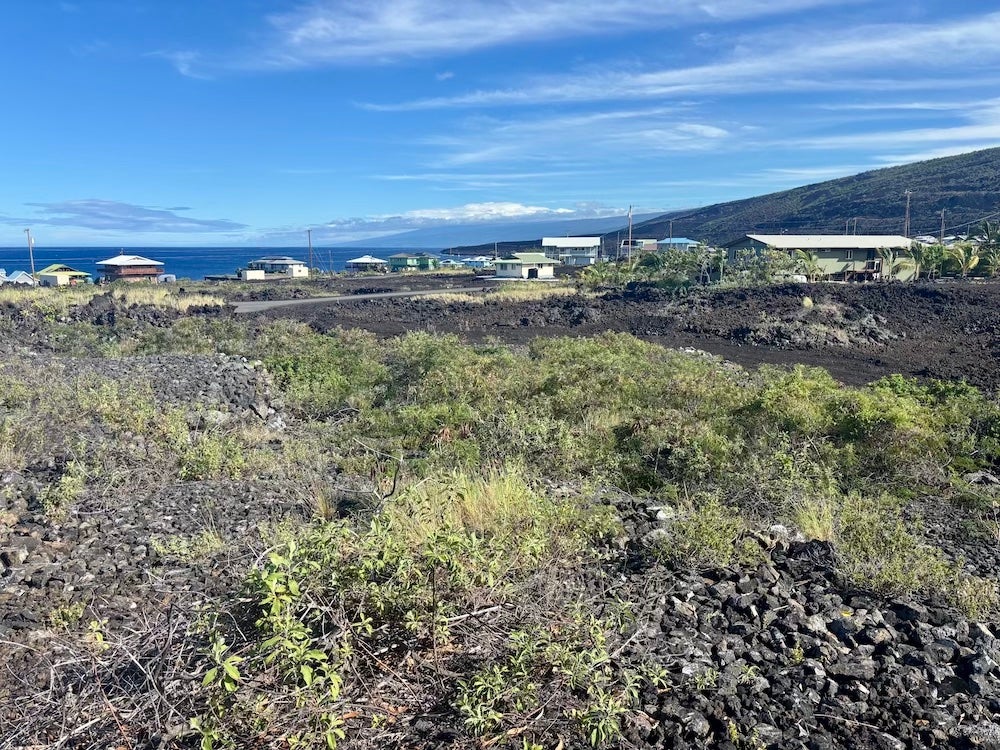
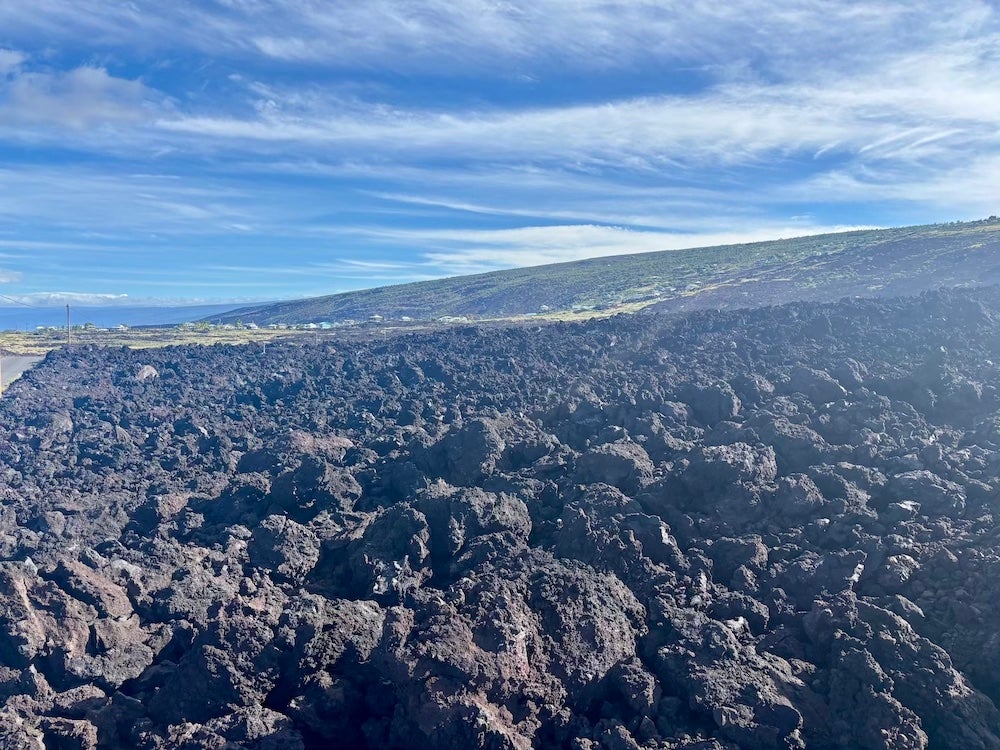
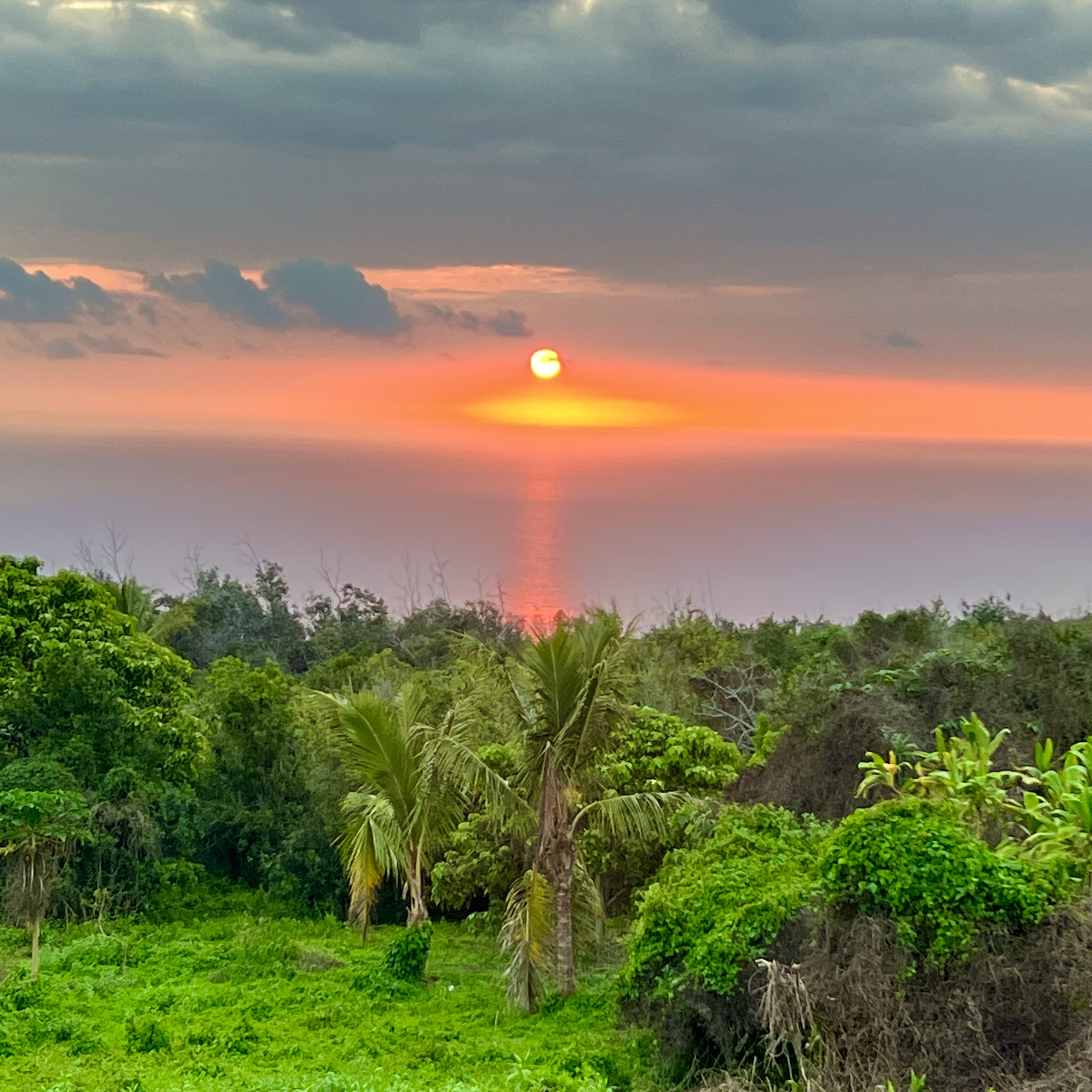
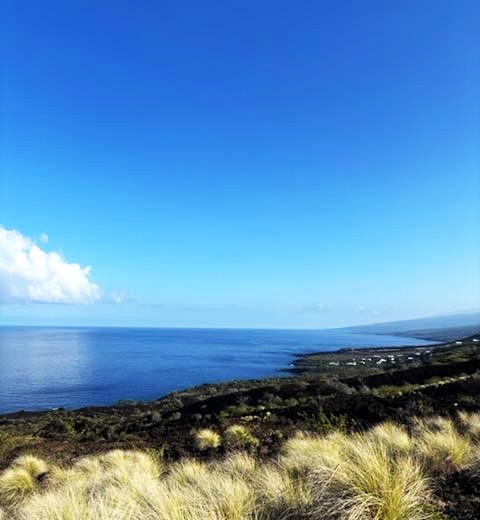
What sets this district apart geographically is its dramatic vertical character. South Kona literally clings to the southwestern slopes of Mauna Loa, the largest active volcano on Earth. Within just a few miles, you can transition from cool, misty upland forests at 2,500 feet down to hot, sun-baked lava shorelines at sea level. This is the geography that shapes everything here, from where homes are built to how much you'll pay for insurance to whether your mornings will be sunny or shrouded in mountain mist.
The volcanic terrain of South Kona is something buyers from the mainland often underestimate. The ground is a mix of weathered volcanic ash and porous basalt rock that drains rainwater straight down into a vast underground watershed. You won't find rivers or streams here. What you will find is some of the most fertile soil in the Pacific.
Because Mauna Loa acts as a 13,679-foot wall blocking the northeast trade winds, South Kona generates its own weather. Mornings are almost always sunny, clear, and calm. By early afternoon, as the sun heats the dark lava slopes, warm air rises and pulls in moist ocean air, creating a daily blanket of clouds and gentle, refreshing showers that cool the region down. Nights are clear and quiet, with the wind reversing to push mountain air gently back toward the sea.
This rhythm splits the district into two distinct climate zones that matter enormously when choosing a home:
Year-round temperatures hover between 68°F and 87°F. Summer (May to October) is actually the wetter season for upland areas, while winter brings drier afternoons but occasional "Kona Storms," island-wide weather systems that override the local microclimate for a day or two at a time.
South Kona is one of the most historically significant regions in all of Hawai'i. Long before Western contact, this area was a thriving epicenter of Hawaiian politics, religion, and daily life. The ancient ahupua'a system divided the land into self-sustaining wedges running from the mountain to the sea, with farmers cultivating taro, sweet potato, and breadfruit in the uplands while coastal communities managed royal fishponds and launched deep-sea fishing canoes.
The most spiritually significant site here is Pu'uhonua o Hōnaunau, the "Place of Refuge." In ancient Hawai'i, breaking a kapu (sacred law) was punishable by death, but a lawbreaker who could reach this sanctuary would be absolved by a priest and spared. The complex features a massive 1,000-foot-long lava rock wall built around 1550, ancient burial sites, and fierce wooden ki'i (carved figures) standing guard along the shoreline.
South Kona was also the backdrop for one of the most pivotal moments in Pacific history. In January 1779, British explorer Captain James Cook sailed into Kealakekua Bay. He was initially welcomed as the god Lono, but relations soured, and on February 14, 1779, a skirmish on the shores of Ka'awaloa resulted in his death. A 27-foot white stone obelisk still marks the spot today.
The missionary era brought new architecture, including the 1833 Kahikolu Church built from coral blocks dragged up from the ocean floor, and the famous Painted Church (St. Benedict's) in Hōnaunau, where in 1899 Father John Velghe painted the interior with vivid biblical scenes to teach Christianity to Hawaiians who couldn't read. Then came the coffee. After sugar cane failed in the rocky terrain, immigrant laborers from Japan, the Philippines, and Portugal established small, independent farms that still define the cultural fabric of the region today.
South Kona rewards visitors and residents who slow down. There's no single "main attraction" here, but rather a constellation of remarkable places that fill weekends for years before you exhaust them.
For ocean adventures, Kealakekua Bay is a marine life conservation district teeming with vibrant coral reef fish and frequent pods of Hawaiian spinner dolphins. Hōnaunau Bay, known to locals as "Two Step," is widely considered one of the premier snorkeling spots in the entire state. Named for the two naturally formed steps in the lava rock that let you step right into deep water, it's a haven for sea turtles and dolphins. For seclusion, Honomalino Beach requires a flat, 20-minute hike through coastal forest from Miloli'i Beach Park, rewarding you with a crescent of salt-and-pepper sand fringed by coconut palms.
For cultural exploration, beyond Pu'uhonua o Hōnaunau and the Painted Church, you'll want to spend time at the Kona Coffee Living History Farm in Captain Cook, the only living history coffee farm in the United States. Costumed interpreters walk you through a preserved 1920s homestead built by Japanese immigrant pioneers.
For hiking, the Captain Cook Monument Trail is the most iconic option, a strenuous 4-mile round trip that drops 1,300 vertical feet to the edge of Kealakekua Bay. The reward is world-class snorkeling beside the white stone monument, but the hike back up in the heat is brutal. Bring twice as much water as you think you need. For a gentler option, the Pu'uhonua o Hōnaunau 1871 Trail is a flat coastal path following an old Hawaiian horse trail, winding past ancient temple ruins, abandoned villages, and sea caves.
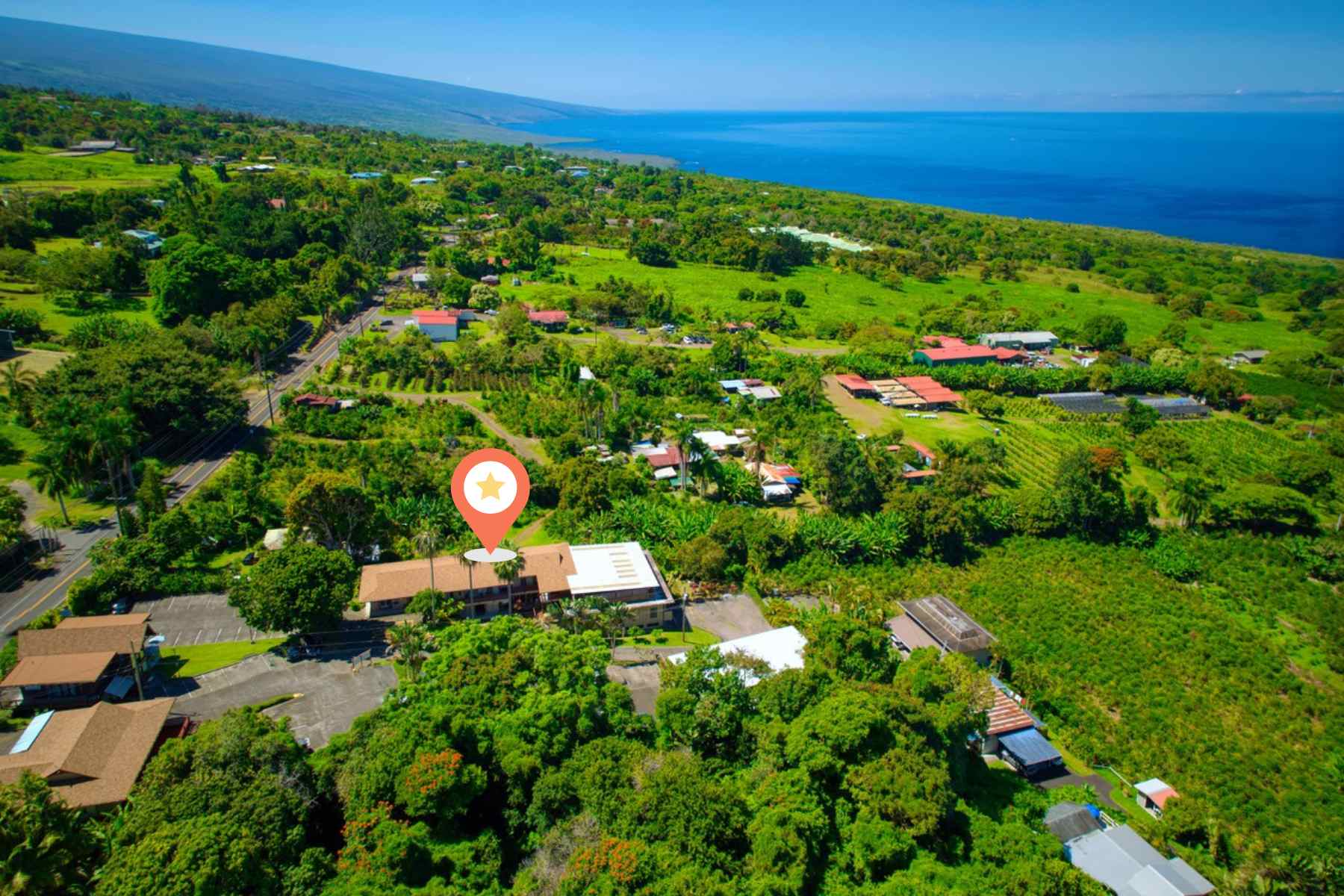
You cannot understand South Kona without understanding the Kona Coffee Belt, a narrow strip of land strictly between 500 and 2,500 feet of elevation that produces some of the most coveted coffee in the world. The combination of porous volcanic soil, sunny mornings, and afternoon cloud cover creates a microclimate that simply doesn't exist anywhere else in the United States.
Because the slopes are too steep for heavy machinery, every single Kona coffee cherry is picked by hand. This labor-intensive process, combined with the limited geography, is why authentic 100% Kona coffee commands premium prices. When shopping, always read the label carefully. Packaging that says "Kona Blend" or "Kona Roast" legally only needs to contain 10% genuine Kona beans, with the rest being cheaper imported coffee. Only "100% Kona Coffee" guarantees authenticity.
Beyond coffee, South Kona serves as the fruit basket of the Big Island. The region produces avocados (including the prized buttery Sharwil variety), citrus, lilikoi (passionfruit), mangoes, white pineapple, rambutan, dragon fruit, cherimoya, and macadamia nuts. A recent wave of cacao farming has launched an emerging tree-to-bar Hawaiian chocolate industry.
Visiting working farms is one of the great pleasures of the area. Greenwell Farms in Kealakekua offers free, continuous walk-up tours, while dozens of smaller boutique estates offer intimate, appointment-based tastings where you can chat directly with the farmers themselves.
The food culture of South Kona reflects its history. There are no glossy resort restaurants here. Instead, you'll find counter-service joints, historic community staples, and roadside stands that serve some of the best food on the island.
The Manago Hotel Restaurant in Captain Cook has been operating since 1917 and is the oldest continuously running hotel restaurant in the state. Its pan-fried pork chops, cooked in a seasoned cast-iron skillet and served with rice and macaroni salad, are the stuff of legend. The Coffee Shack in Captain Cook is famous as much for its perch on the edge of a mountain drop-off as for its food. Sit on the open-air lanai, look down at Kealakekua Bay, and enjoy fresh-baked pastries and 100% Kona coffee. Teshima's Restaurant at the northern edge of the district has served plantation-style Japanese-American comfort food since the 1940s.
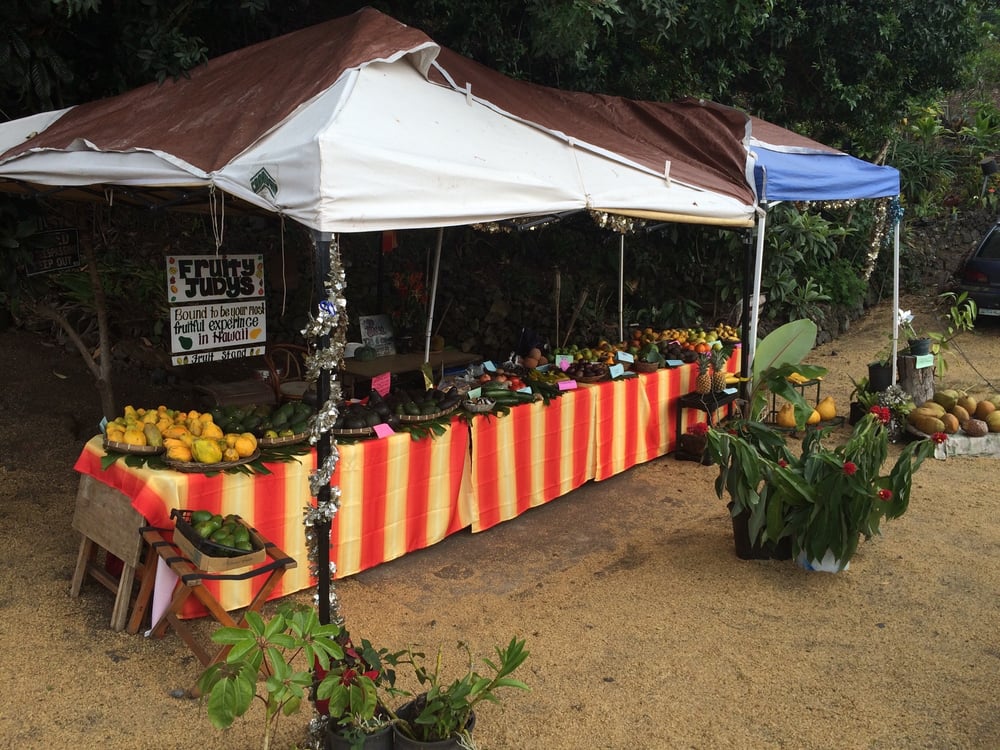
For groceries and produce, The South Kona Fruit Stand is a colorful roadside shack offering exotic seasonal fruits and fresh-pressed smoothies. On Sundays from 9 AM to 2 PM, the Pure Kona Green Market at Captain Cook turns into a community gathering place where everything sold must be grown, harvested, or handmade on the Big Island by the vendor themselves.
Shopping here mirrors the region's slow, rural identity. There are no megamalls or chain strips. Instead, you'll find historic family-owned stores, artist co-ops, and open-air markets scattered along Highway 11. ChoiceMART in Captain Cook traces its origins to a general store started by the Greenwell ranching family in 1881 and remains a fully stocked, locally championed supermarket. The historic town of Kainaliu is highly walkable and dotted with independent boutiques, art galleries, and small cafes, including the historic Aloha Theatre built in 1932. Coffee estate boutiques attached to the working farms sell freshly roasted beans, coffee-infused chocolates, local honeys, and coffee wood crafts.
This is where our daily work happens, and it's the section we want you to read most carefully.
The South Kona market in 2026 is strong but moving at a more deliberate pace than the frenetic pandemic peak. The median listing price for residential properties currently sits around $880,000 to $900,000, but the average actual sales price often lands over $1.1 to $1.2 million once luxury coastal estates and large acreage are factored in. Homes are spending roughly 50 to 95 days on the market depending on the neighborhood, and bidding wars are relatively rare. This is a market where buyers can negotiate and where doing your due diligence still matters.
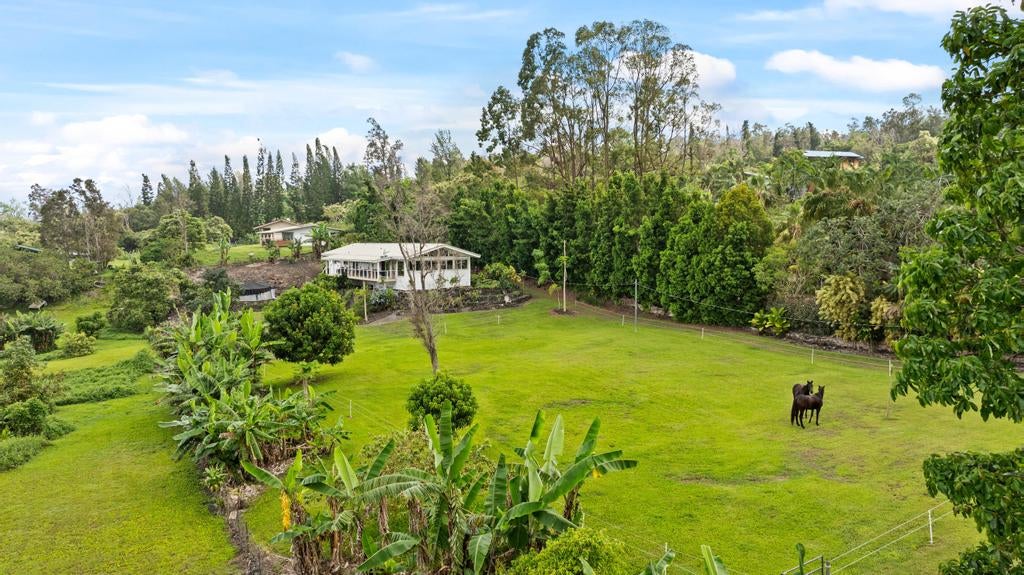
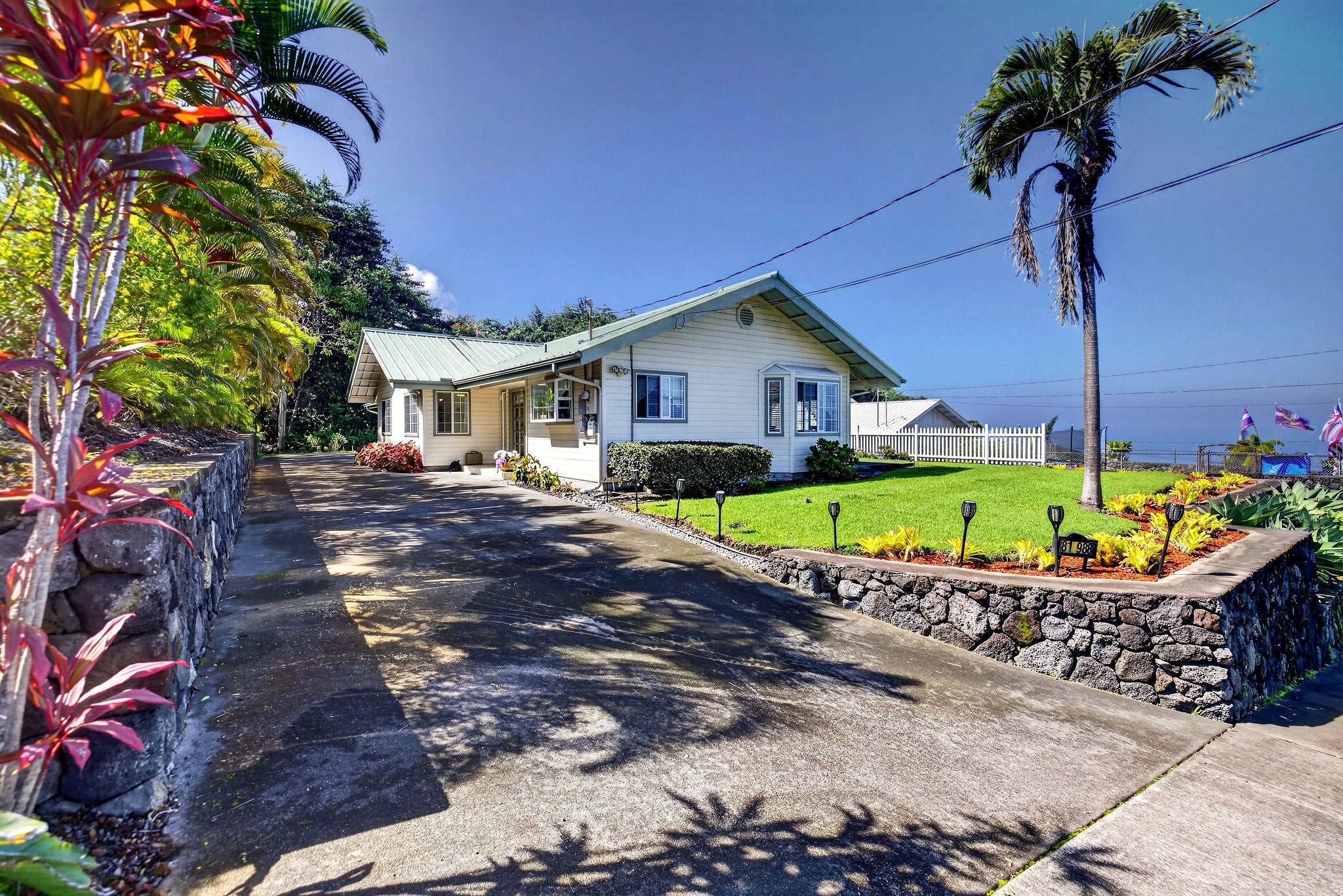
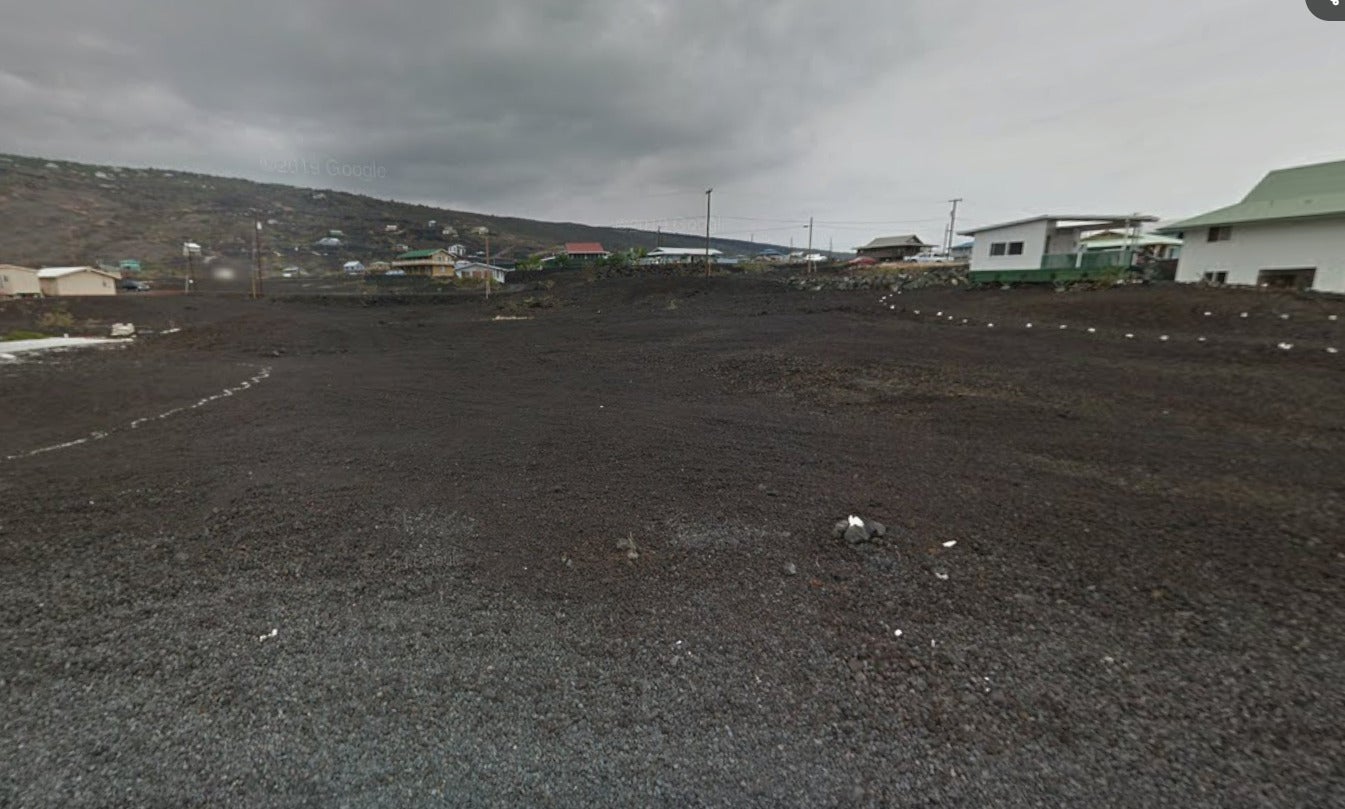
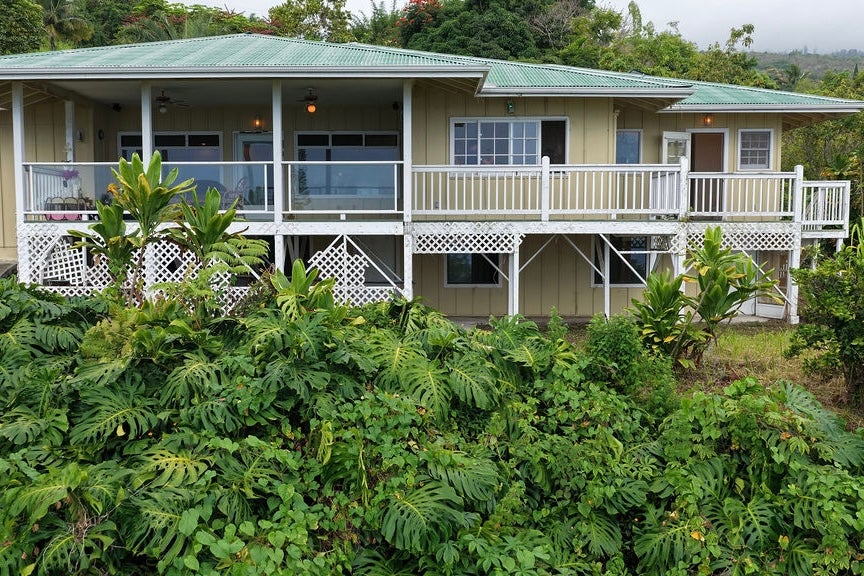
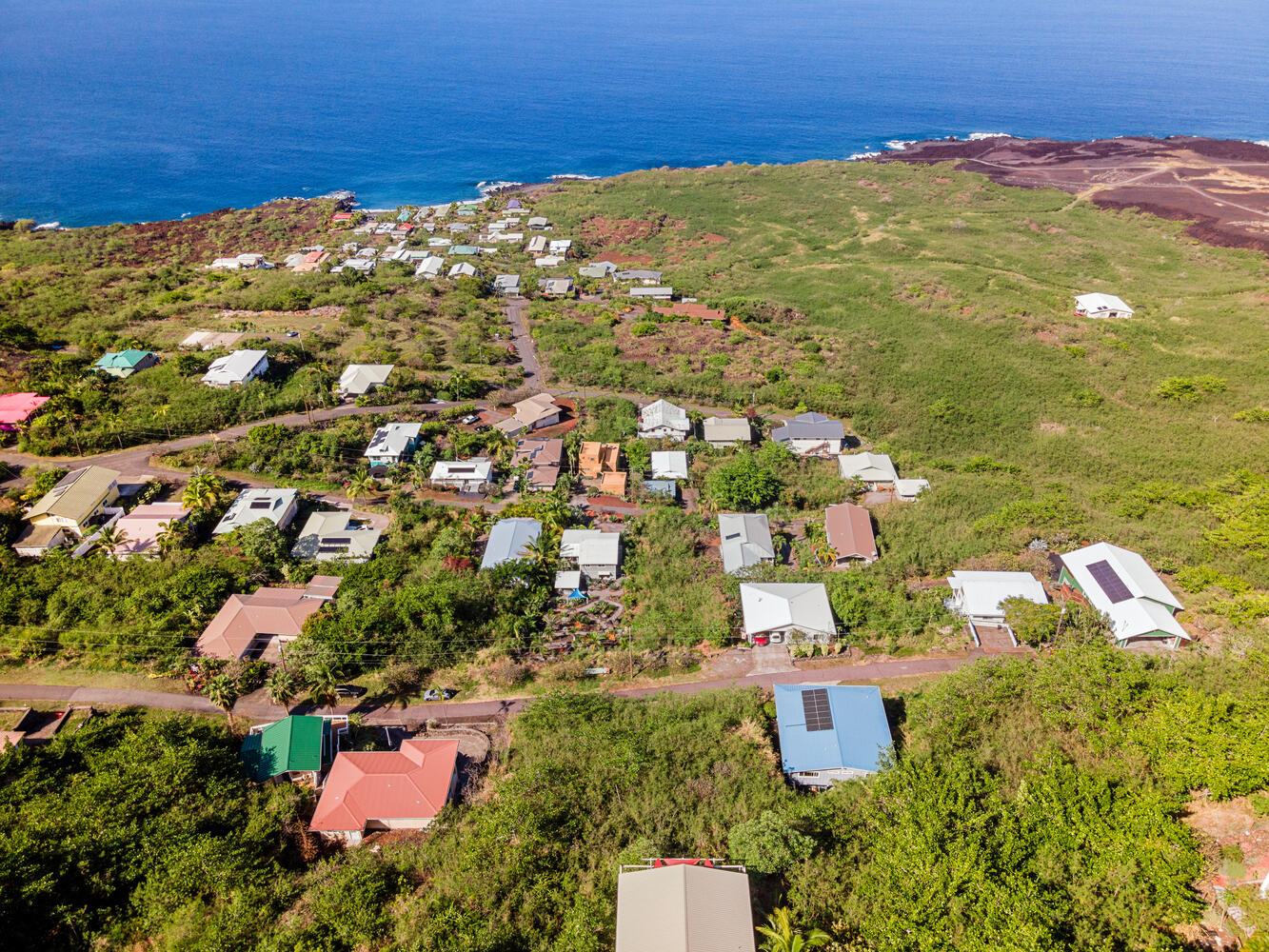
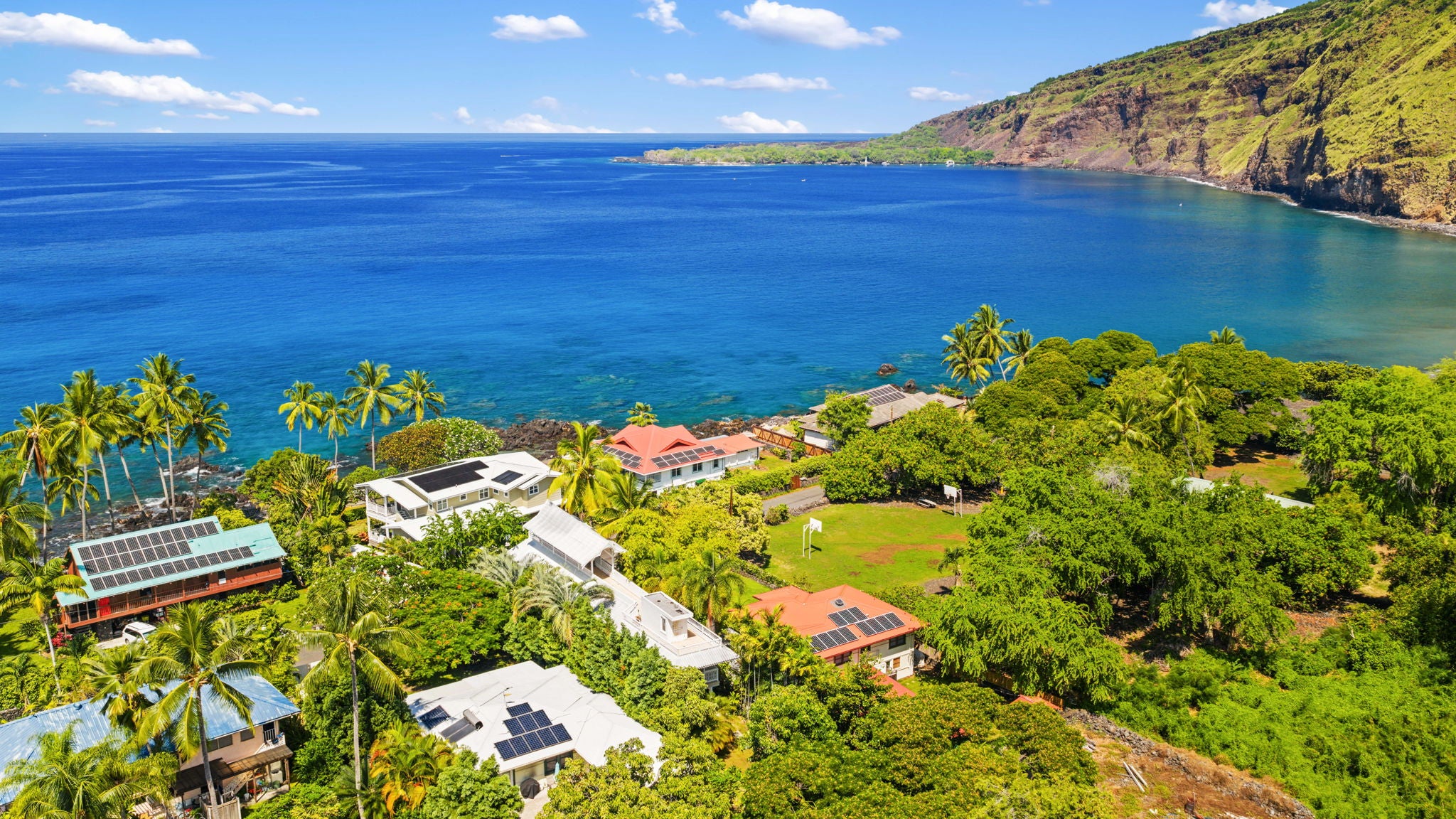
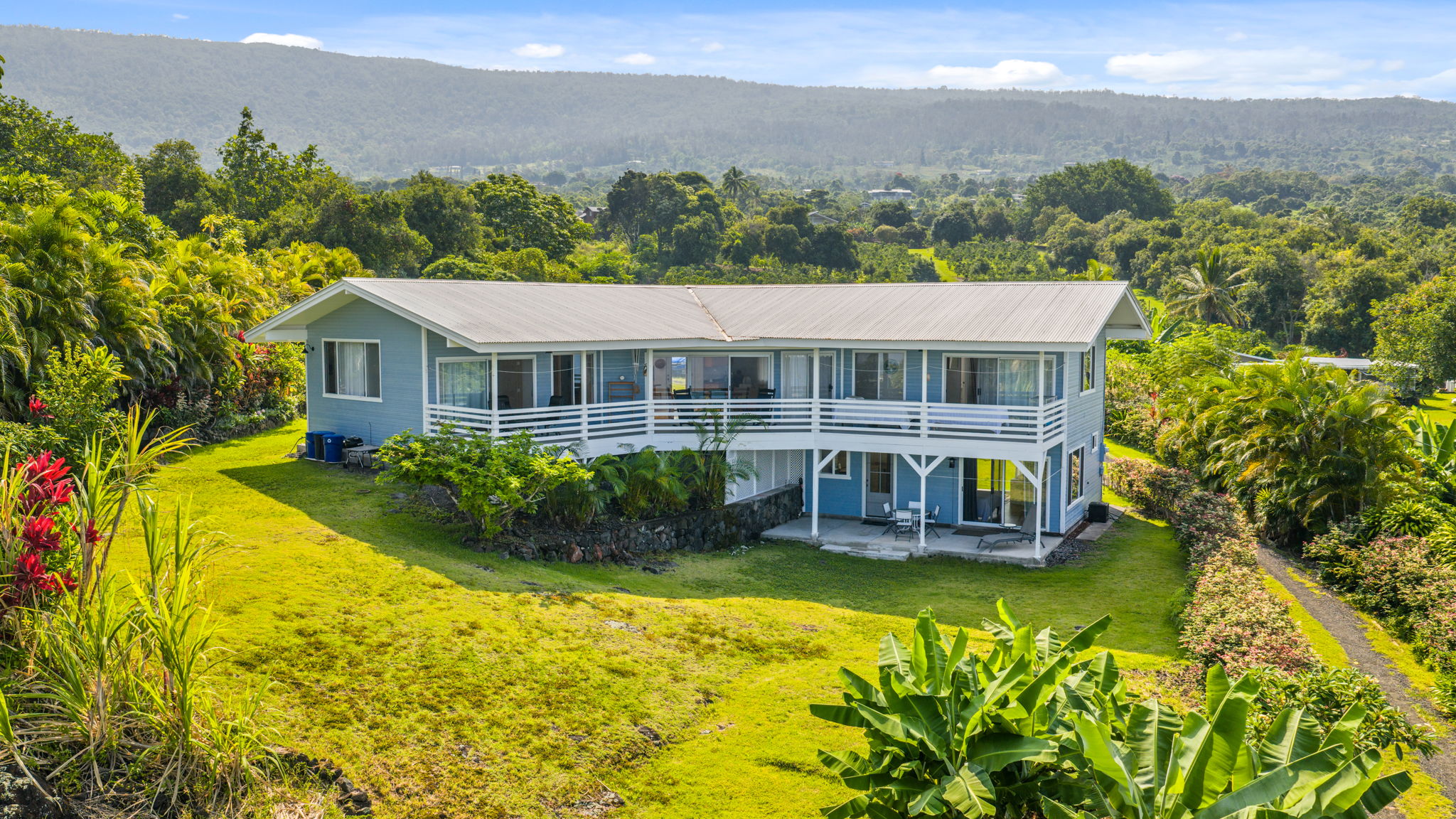
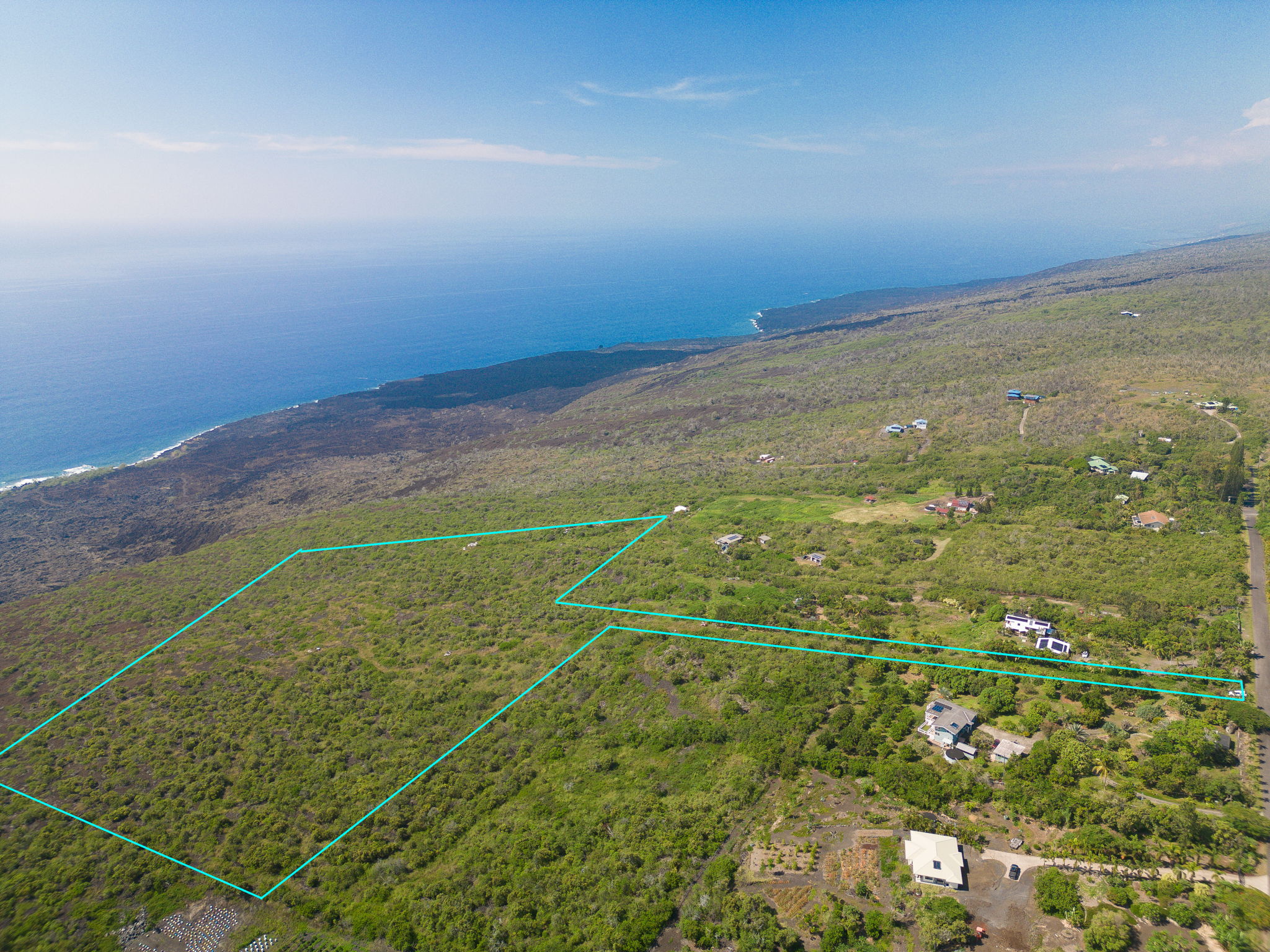
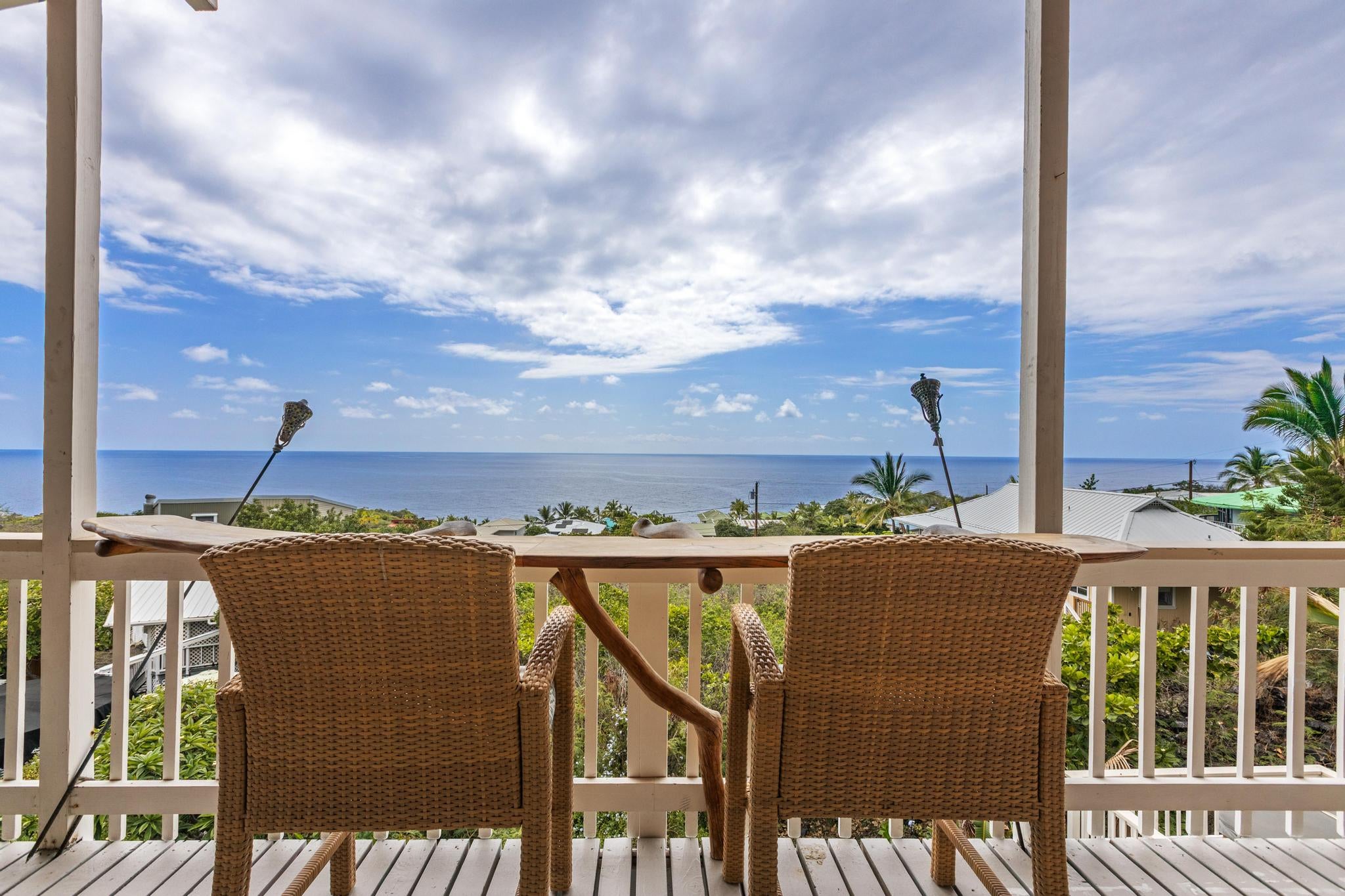
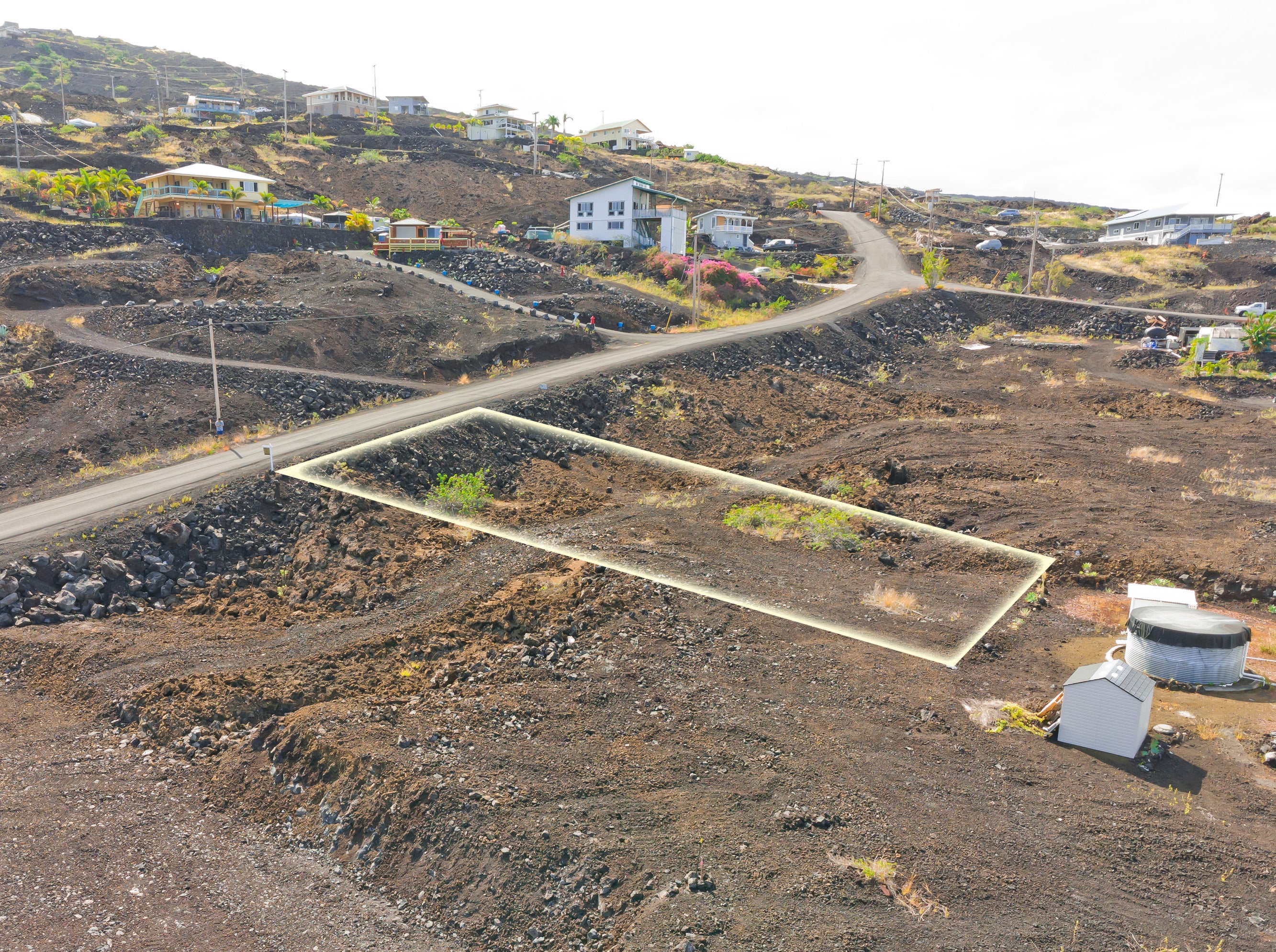
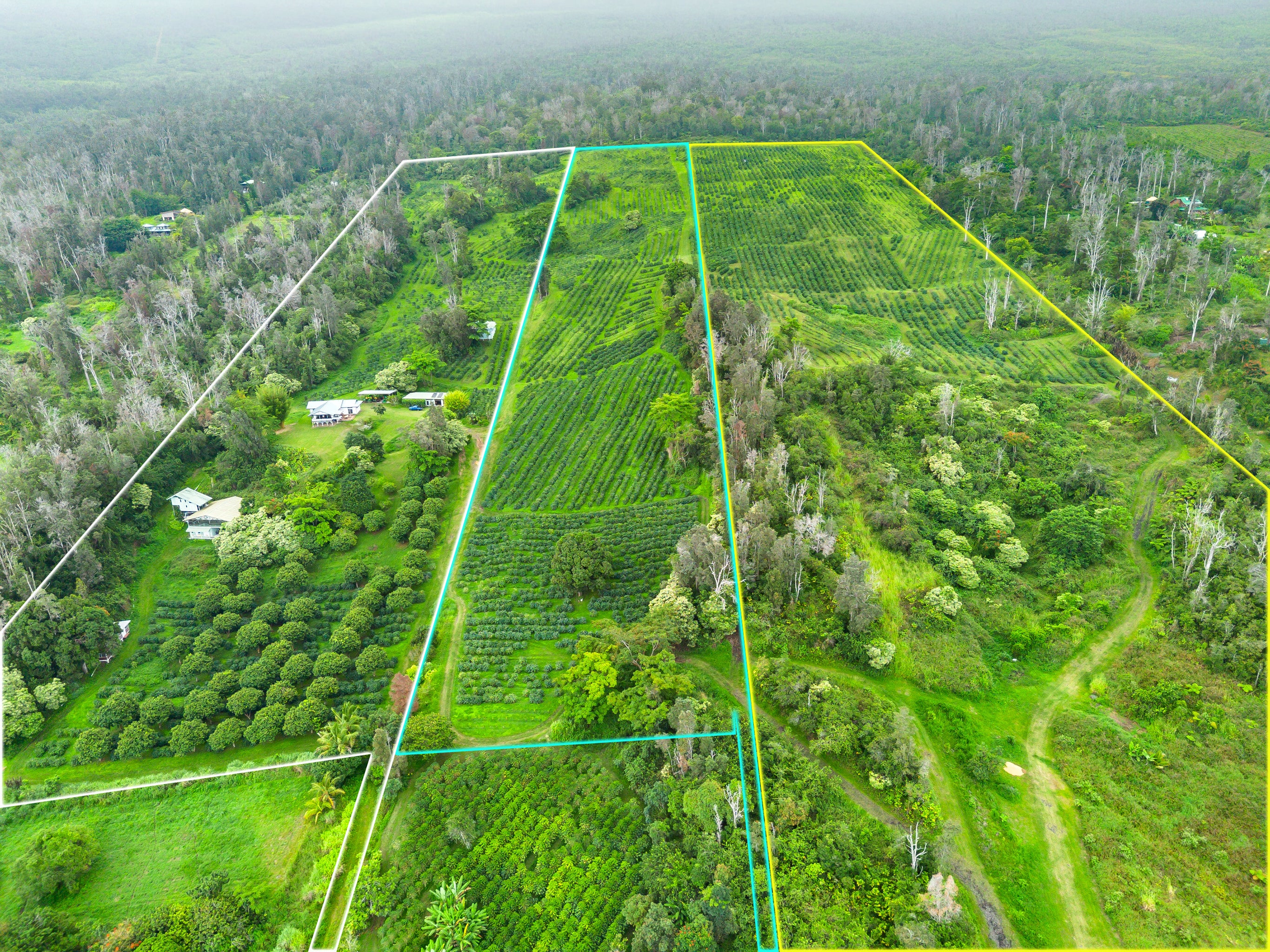
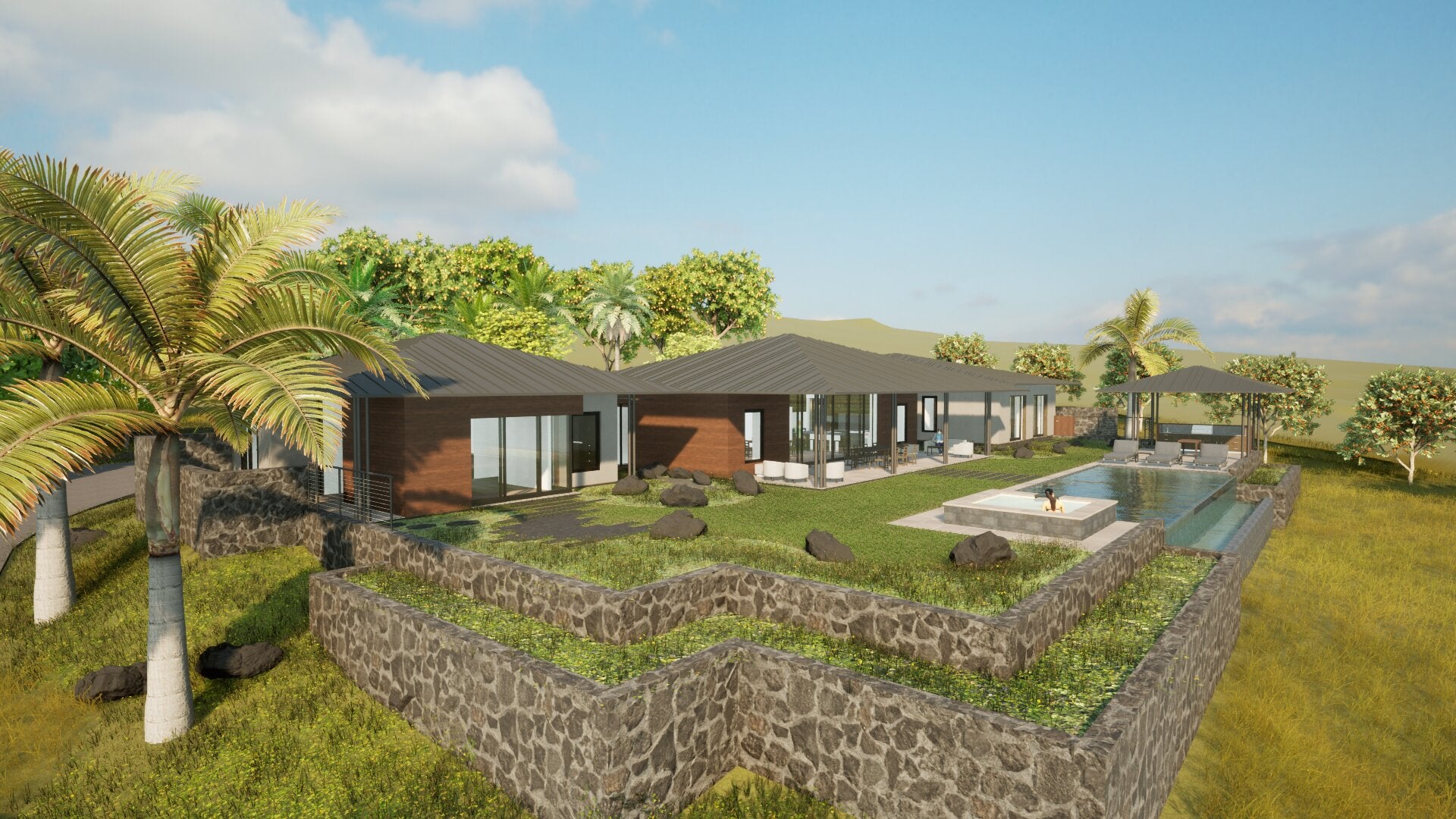
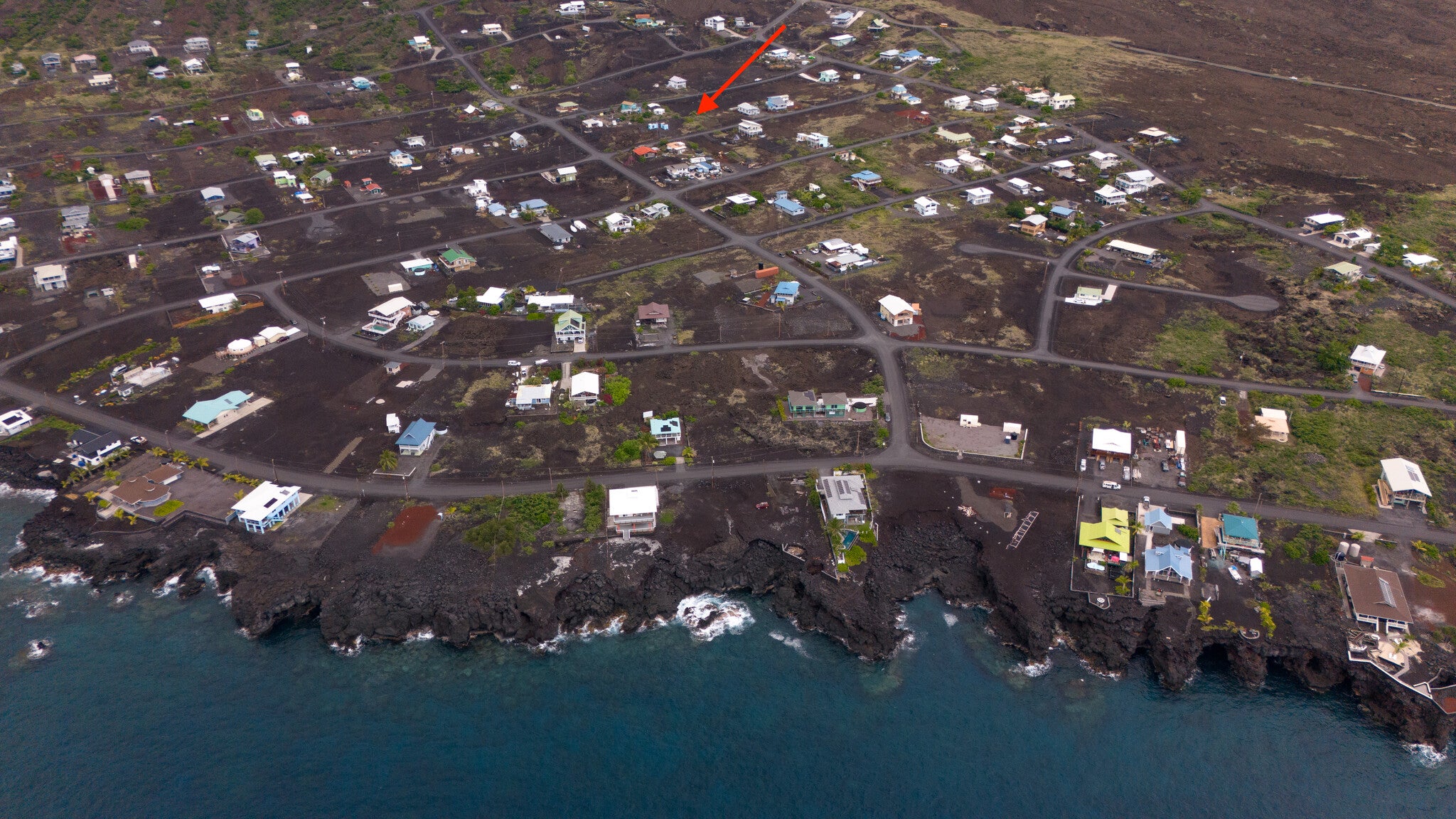
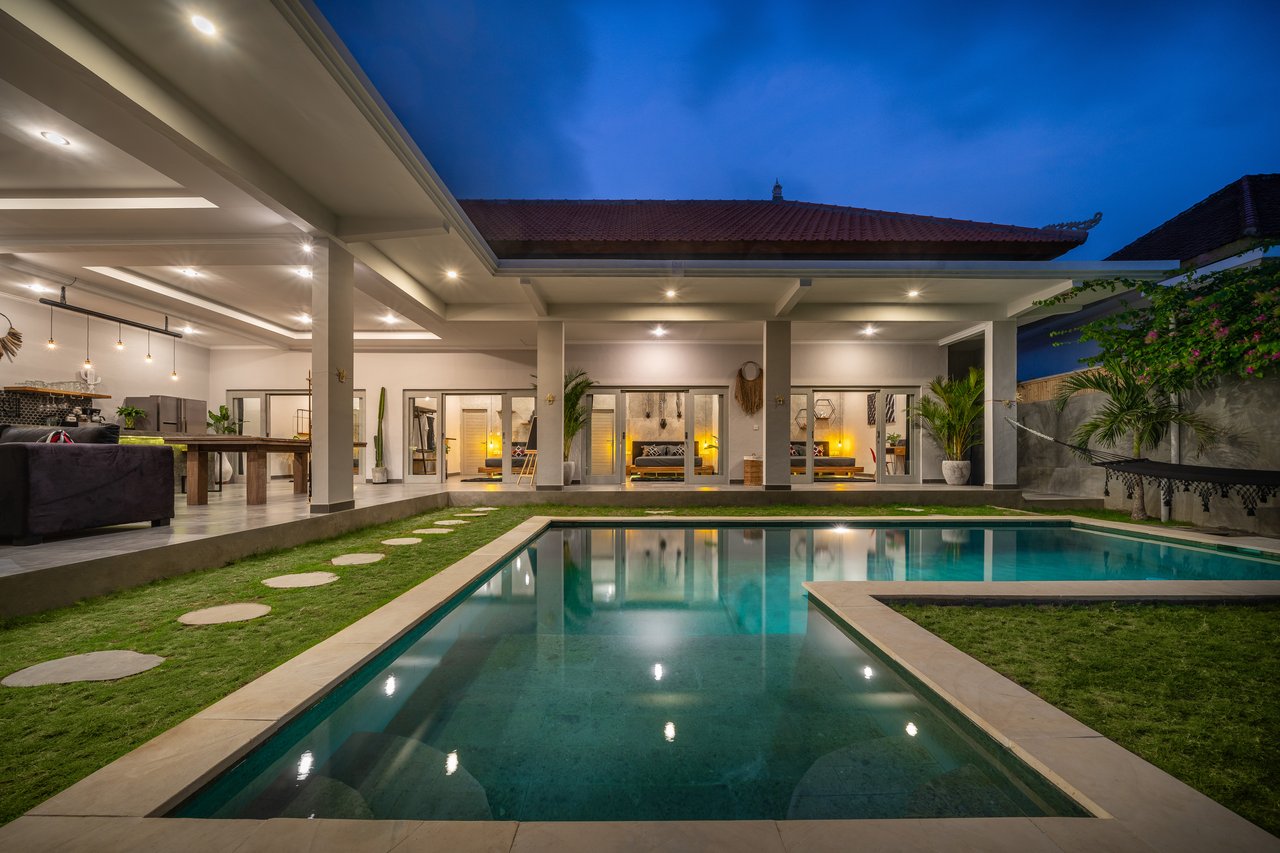
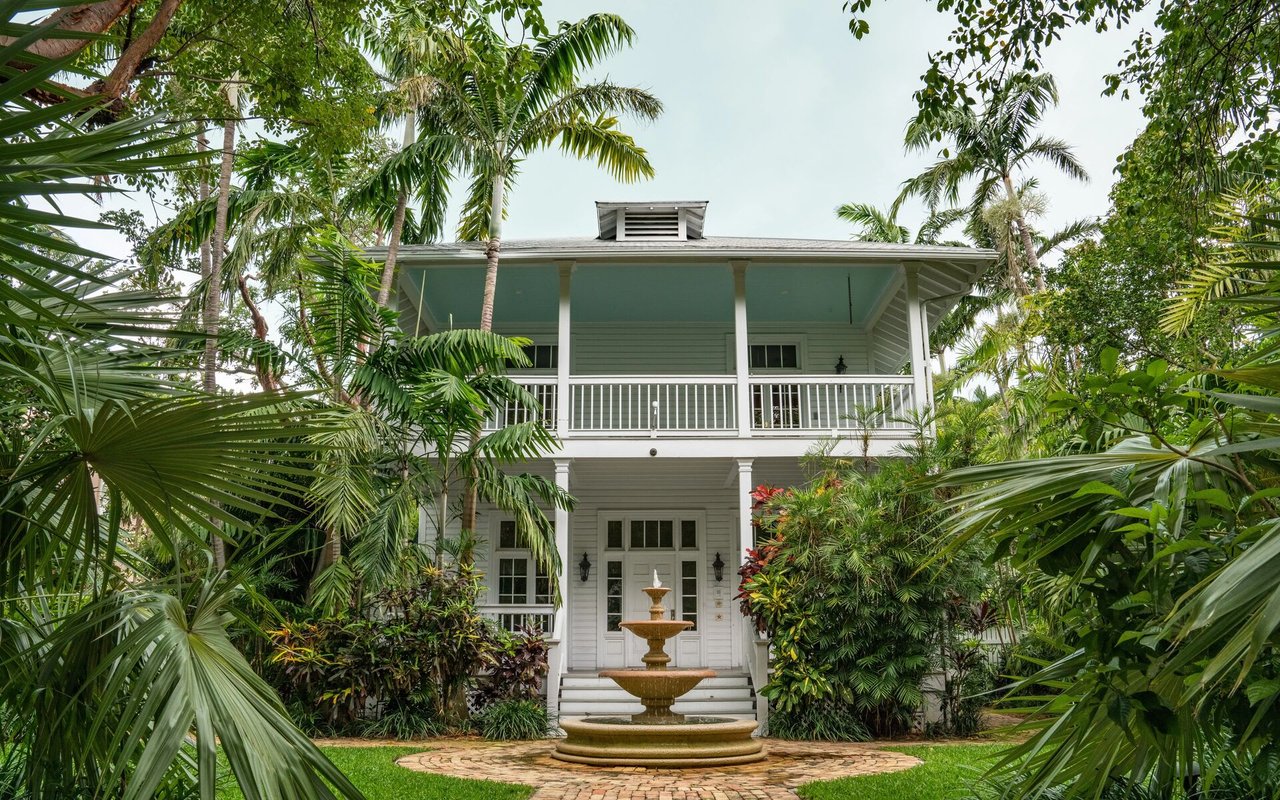
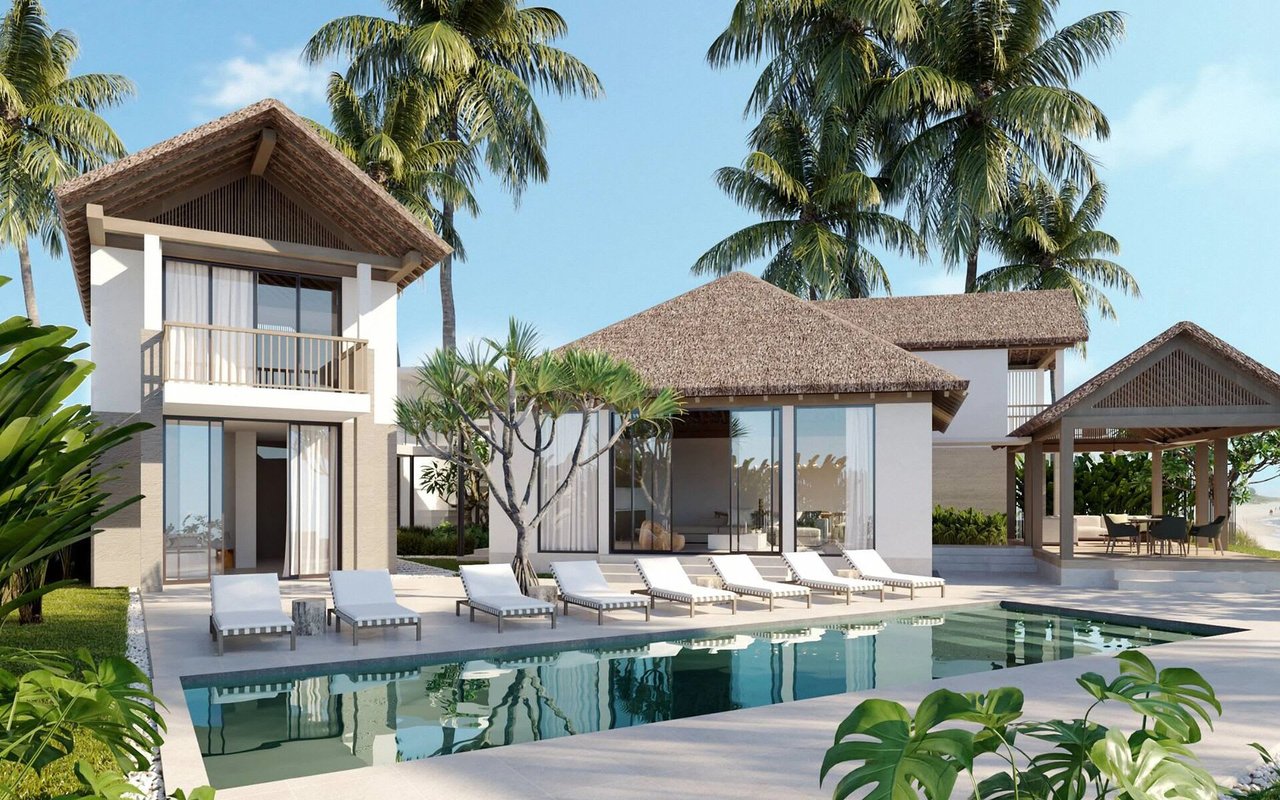
The properties themselves come in several distinct flavors. Coffee farms and agricultural acreage dominate much of the district, typically pairing a main home with two to ten acres of producing coffee, macadamia, or fruit orchards. These come with agricultural tax benefits but require either hard work or contracted picking crews. Hillside homes with ohana units are popular because the steep grade of Mauna Loa lends itself naturally to split-level construction with panoramic ocean views, and the second dwelling can generate rental income or house extended family. Coastal and off-grid properties in subdivisions like Miloli'i and Kona Paradise are built directly on older lava flows, often relying on rainwater catchment and solar power.
A few buying considerations that mainland buyers rarely anticipate:
Hawai'i operates under a unified statewide school district, and the schools serving South Kona form what is locally known as the Konawaena Complex. The pipeline runs from Konawaena Elementary or Ho'okena Elementary, through Konawaena Middle School, into Konawaena High School in Kealakekua. Konawaena High, home of the Wildcats, is known for strong agricultural programs, a rich athletic tradition, and robust Hawaiian cultural studies.
Families seeking alternatives often look just north of the South Kona boundary toward Innovations Public Charter School (a sought-after K-8 charter using project-based learning with admission by lottery) or West Hawaii Explorations Academy (a 6-12 charter centered on marine science and robotics). Private options include Kona Adventist Christian School in Captain Cook (K-8) and Makua Lani Christian Academy in Kailua-Kona (PK-12). For higher education, Hawai'i Community College – Pālamanui in North Kona offers associate degrees and serves as a distance-learning hub for the University of Hawai'i system.
What ultimately defines South Kona isn't any single attraction. It's the rhythm of life here. Mornings begin early because the weather is best then. Residents paddle outrigger canoes, snorkel, or work in their orchards before the sun gets high. Afternoons slow down as the clouds roll in. Evenings are quiet. There isn't a single traffic light in the entire district.
The community itself is a multi-ethnic tapestry shaped by descendants of Native Hawaiians and the Japanese, Filipino, and Portuguese plantation workers who arrived in the late 19th century. Neighbors still trade what they grow. A bucket of avocados might come back to you as fresh-roasted coffee, backyard eggs, or yesterday's catch. The annual Kona Coffee Cultural Festival each November (November 6–15 in 2026) brings ten days of lantern parades, cupping competitions, hula performances, and farm open houses. The historic Aloha Theatre hosts community theater and independent films. And Sunday mornings at the Pure Kona Green Market are less about shopping than about catching up with friends to live slack-key guitar.
For people seeking a quieter, more self-reliant version of Hawai'i life, this is the side of the island where it still exists.
To experience South Kona properly, you'll want a car. Rideshares like Uber and Lyft are unreliable this far south, and there are no taxi stands. A standard sedan handles Highway 11 and the main attractions just fine, but if you're planning to live in or visit homes deep in agricultural subdivisions, an AWD or 4WD vehicle is a real asset for navigating the steep private driveways common in the area.
The county operates the Hele-On Bus, which is free to ride and runs along Highway 11 with stops at central hubs and a flexible flag policy at safe intersections in rural zones. It's a great budget commuting option, but service is limited to a few runs per day and isn't practical for reaching coastal snorkeling spots. Walking is enjoyable within individual plantation towns like Kainaliu, but walking between towns along Highway 11 is genuinely dangerous due to narrow shoulders and blind curves. Cycling here is recommended only for experienced riders comfortable with significant elevation, sharp turns, and no bike lanes.
Gas stations are sparse, clustered mainly in Captain Cook and Ocean View, so fuel up before any longer drive south or east.
The central location of South Kona makes it a launching pad in any direction.
Heading north, you can be in Kailua-Kona in 15 to 30 minutes for shopping, the historic Huliheʻe Palace, and a stroll down Aliʻi Drive. Another 30 minutes farther takes you to the Kohala Coast and Hāpuna Beach State Recreation Area, one of the highest-rated white-sand beaches in the world.
Heading south, about an hour and 15 minutes brings you to Punaluʻu Black Sand Beach, where Hawaiian green sea turtles regularly bask on jet-black volcanic sand. Stop at the Punaluʻu Bake Shop in Naʻalehu (the southernmost town in the United States) for warm Portuguese sweet bread along the way. Another 30 minutes beyond that lies Hawai'i Volcanoes National Park, the non-negotiable day trip when staying on the Big Island. You can hike across the steaming floor of Kīlauea Iki crater and view glowing volcanic activity at Halema'uma'u after dark.
Heading east via Saddle Road (Route 200), about two hours of driving cuts you between Mauna Kea and Mauna Loa to reach Hilo, a lush rainforest town that feels like a different island entirely. Visit the historic waterfront, the massive Hilo Farmers Market, and ʻAkaka Falls State Park with its 442-foot waterfall plunging through a deep jungle gorge.
Before opening Hawai'i Estates and joining the Leading Estates of the World Ohana, Doug and Kendra Powell spent over 20 years building, buying, and selling real estate. Combining experience as both Real Estate Investors and General Contractors with years of being Realtors in Hawai'i, they bring a profound insight into the needs of both buyers and sellers. More importantly, they know exactly what defines a great Realtor: building relationships, having a genuine understanding of your needs and wants, and protecting your interests at all times. They strive to exceed your expectations, utilizing the latest in state-of-the-art technology while focusing on personal service that is second to none. Whether you are looking to purchase your first home in Hawai'i, a retirement home, an investment property, or sell your Hawai'i property, their goal is to make sure you achieve yours. Hawai'i Estates specializes as top Kailua-Kona real estate agents in addition to Hilo, Puna, and the entirety of the island of Hawai'i. Reach out today and let us help you find your place on this remarkable coast.
There's plenty to do around South Kona, including shopping, dining, nightlife, parks, and more. Data provided by Walk Score and Yelp.
Explore popular things to do in the area, including Ohana Farm Orchards, Fruity Judy's, and Forbidden Fruit.
| Name | Category | Distance | Reviews |
Ratings by
Yelp
|
|---|---|---|---|---|
| Dining | 3.1 miles | 0 reviews | 0/5 stars | |
| Dining · $ | 3.7 miles | 2 reviews | 3/5 stars | |
| Dining | 4.61 miles | 0 reviews | 0/5 stars | |
| Dining | 4.7 miles | 3 reviews | 5/5 stars | |
| Dining | 4.9 miles | 7 reviews | 4.9/5 stars | |
| Active | 2.59 miles | 6 reviews | 4.5/5 stars | |
| Active | 3.25 miles | 0 reviews | 0/5 stars | |
| Active | 4.62 miles | 30 reviews | 4.1/5 stars | |
|
|
||||
|
|
||||
|
|
||||
|
|
||||
|
|
||||
|
|
South Kona has 3,430 households, with an average household size of 3.03. Data provided by the U.S. Census Bureau. Here’s what the people living in South Kona do for work — and how long it takes them to get there. Data provided by the U.S. Census Bureau. 10,410 people call South Kona home. The population density is 32 and the largest age group is Data provided by the U.S. Census Bureau.
Total Population
Population Density Population Density This is the number of people per square mile in a neighborhood.
Median Age
Men vs Women
Population by Age Group
0-9 Years
10-17 Years
18-24 Years
25-64 Years
65-74 Years
75+ Years
Education Level
Total Households
Average Household Size
Average individual Income
Households with Children
With Children:
Without Children:
Marital Status
Blue vs White Collar Workers
Blue Collar:
White Collar: