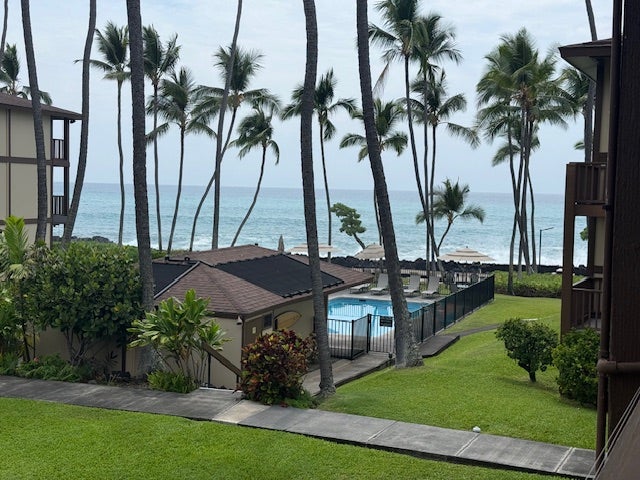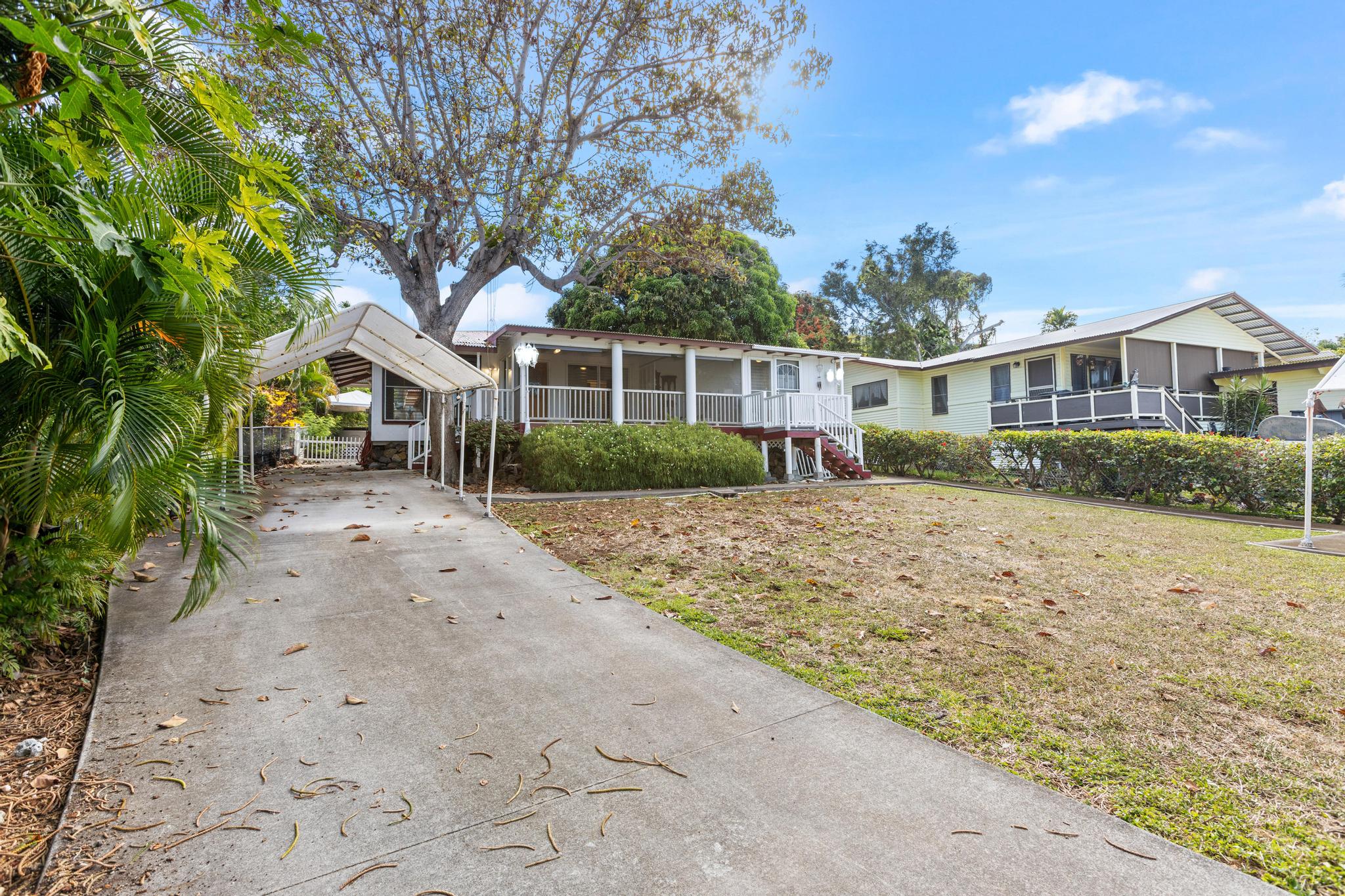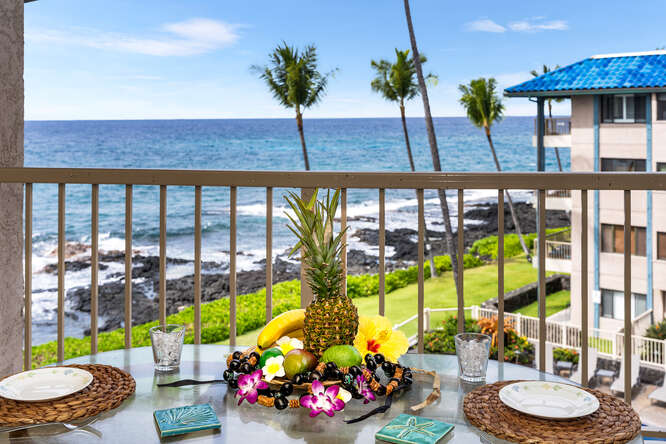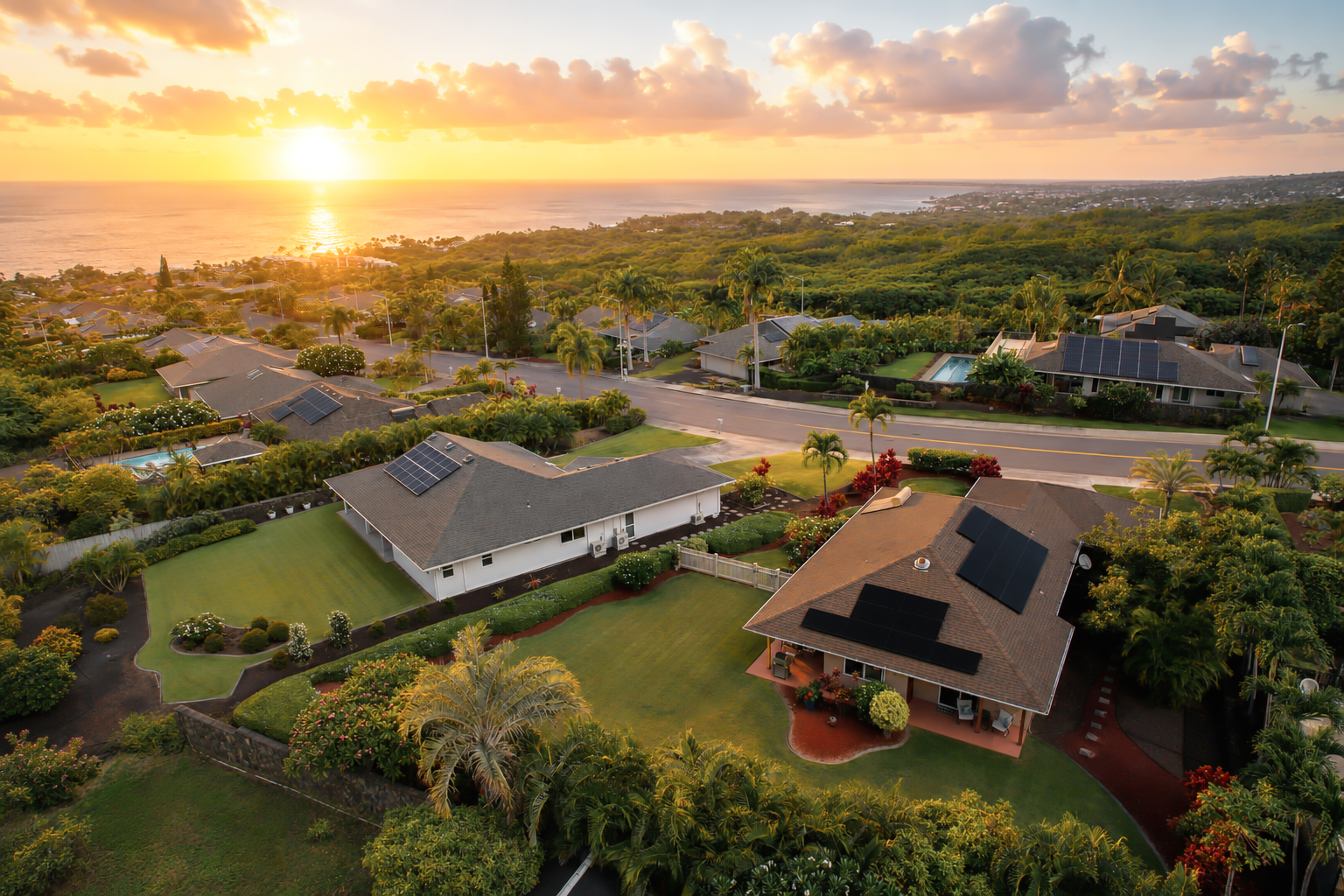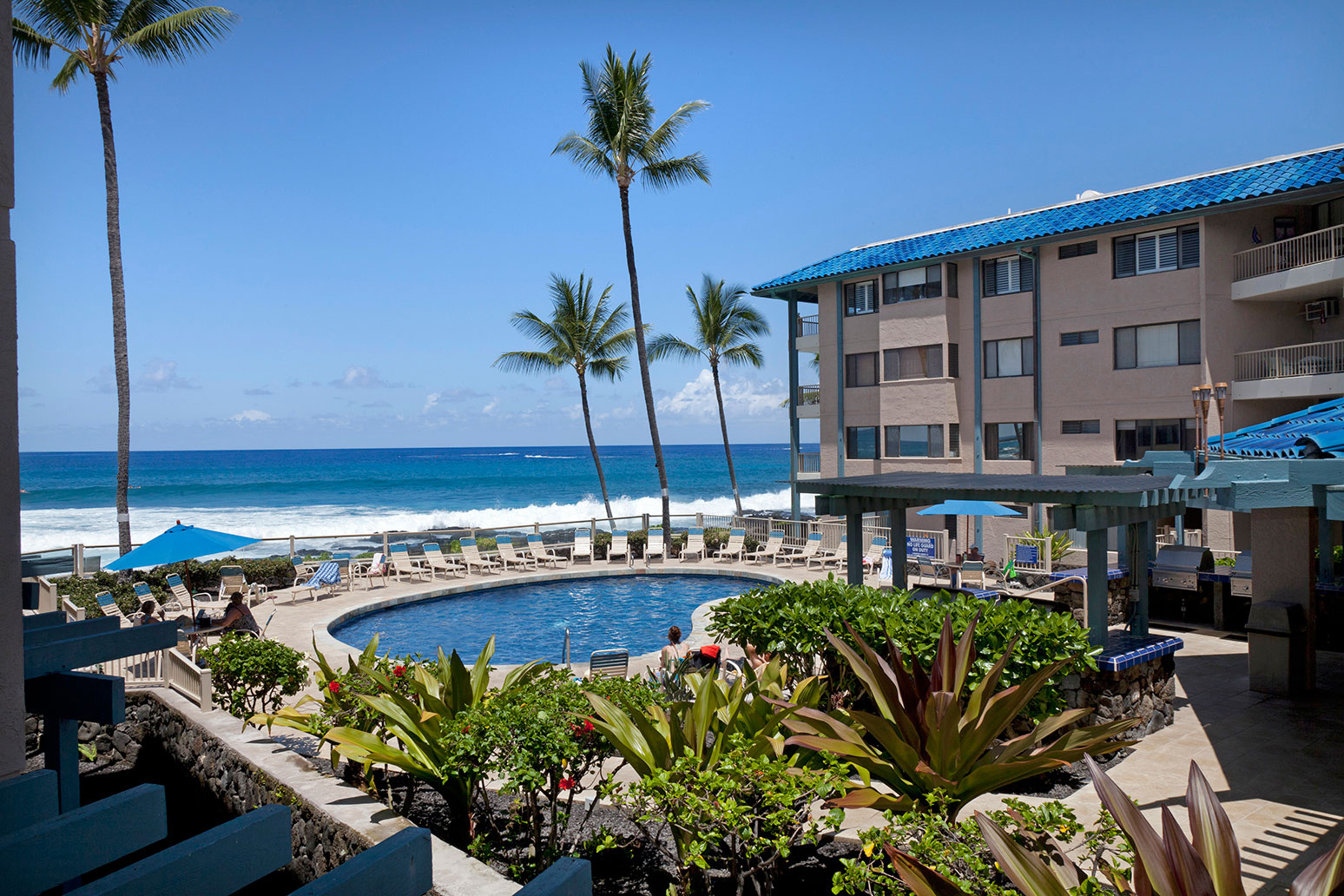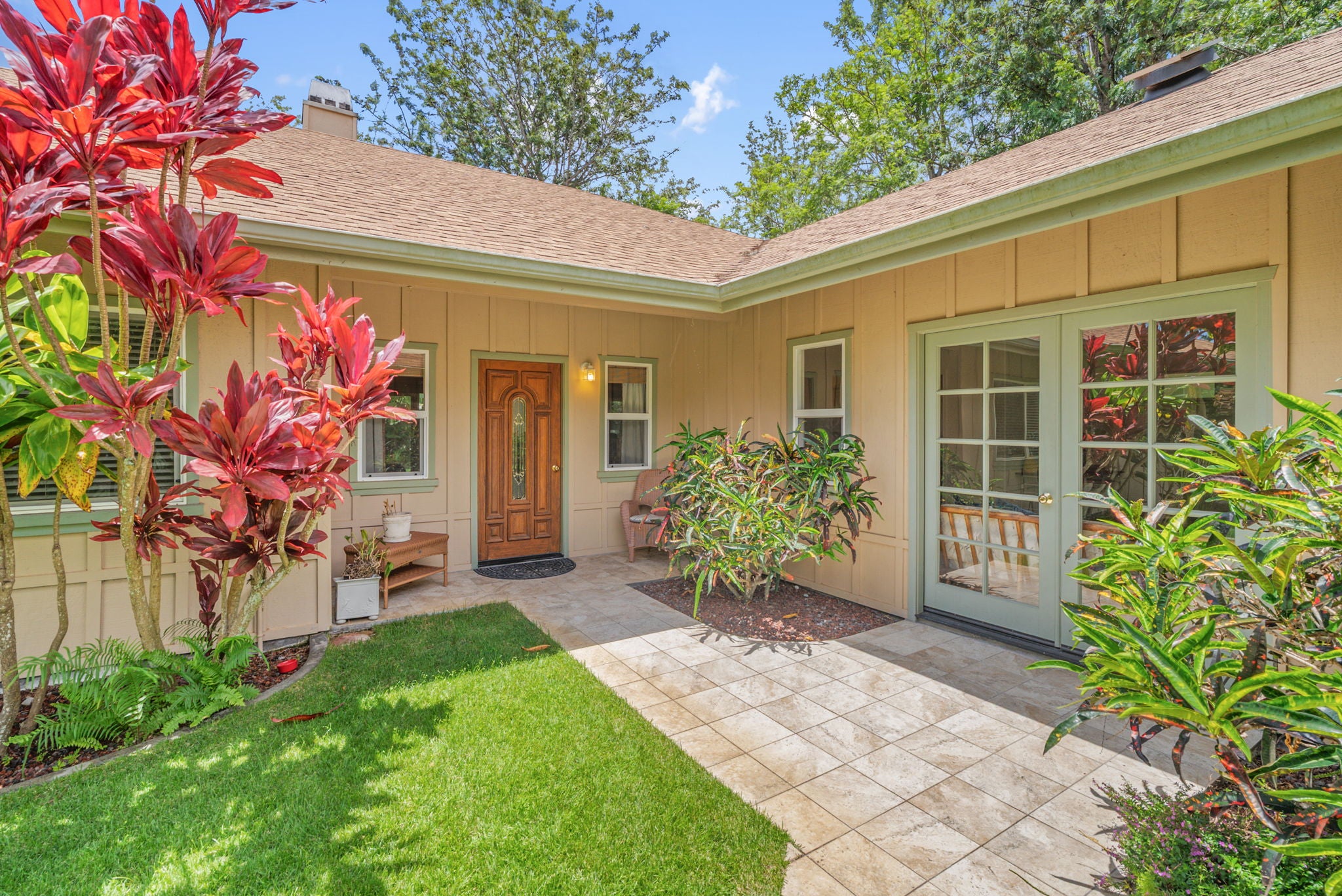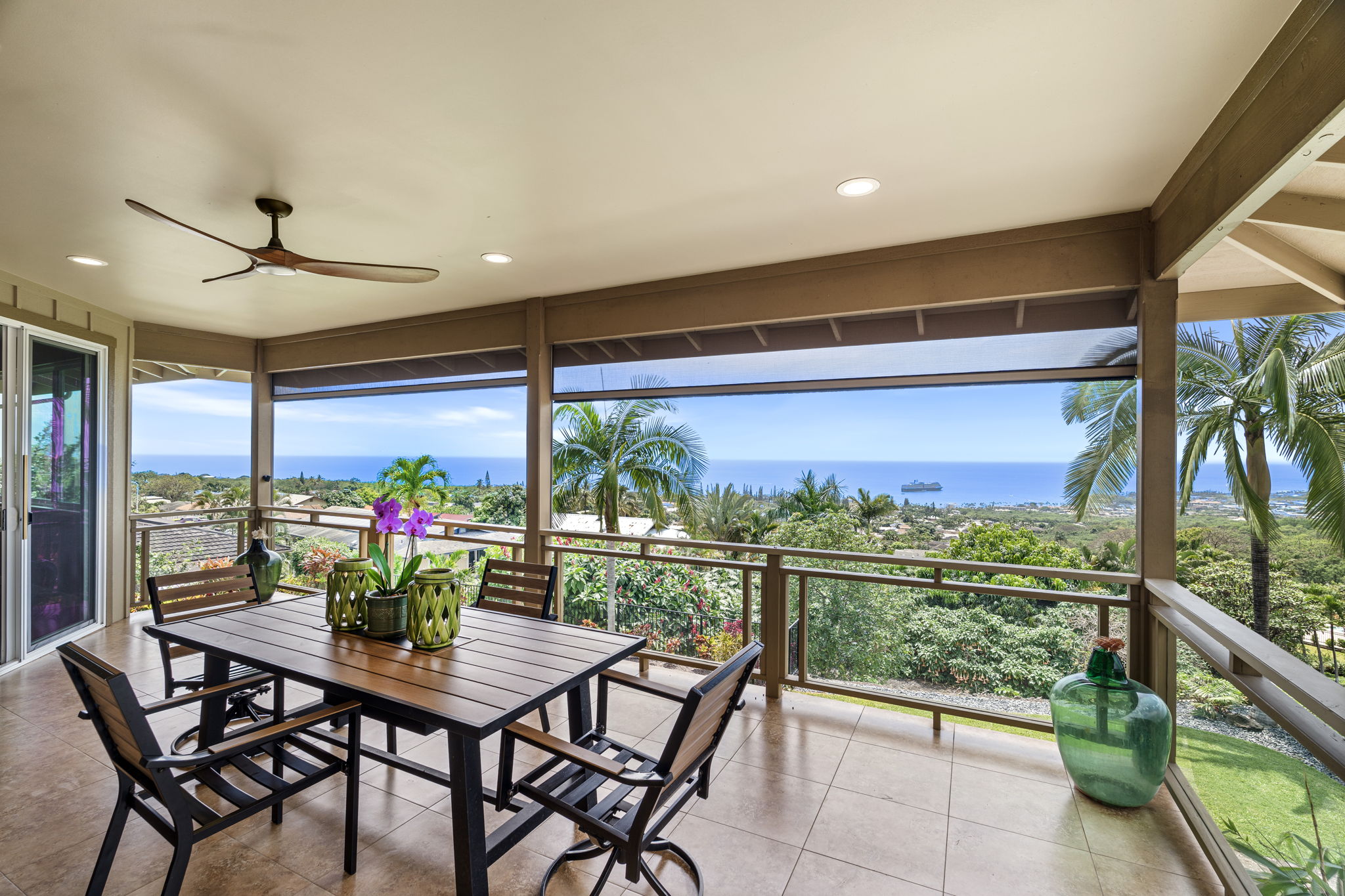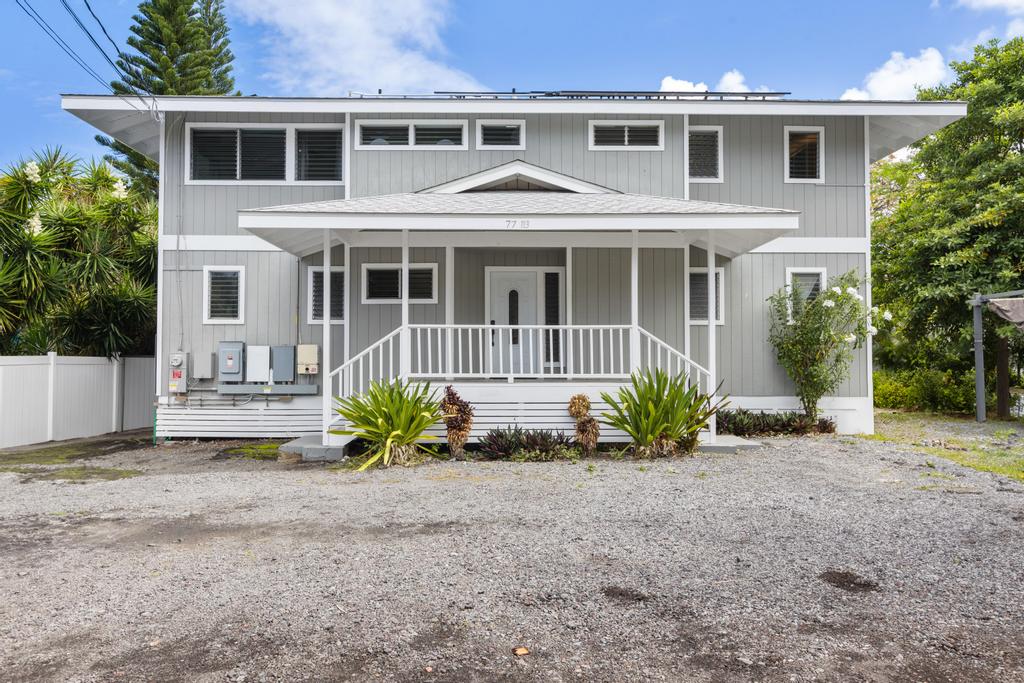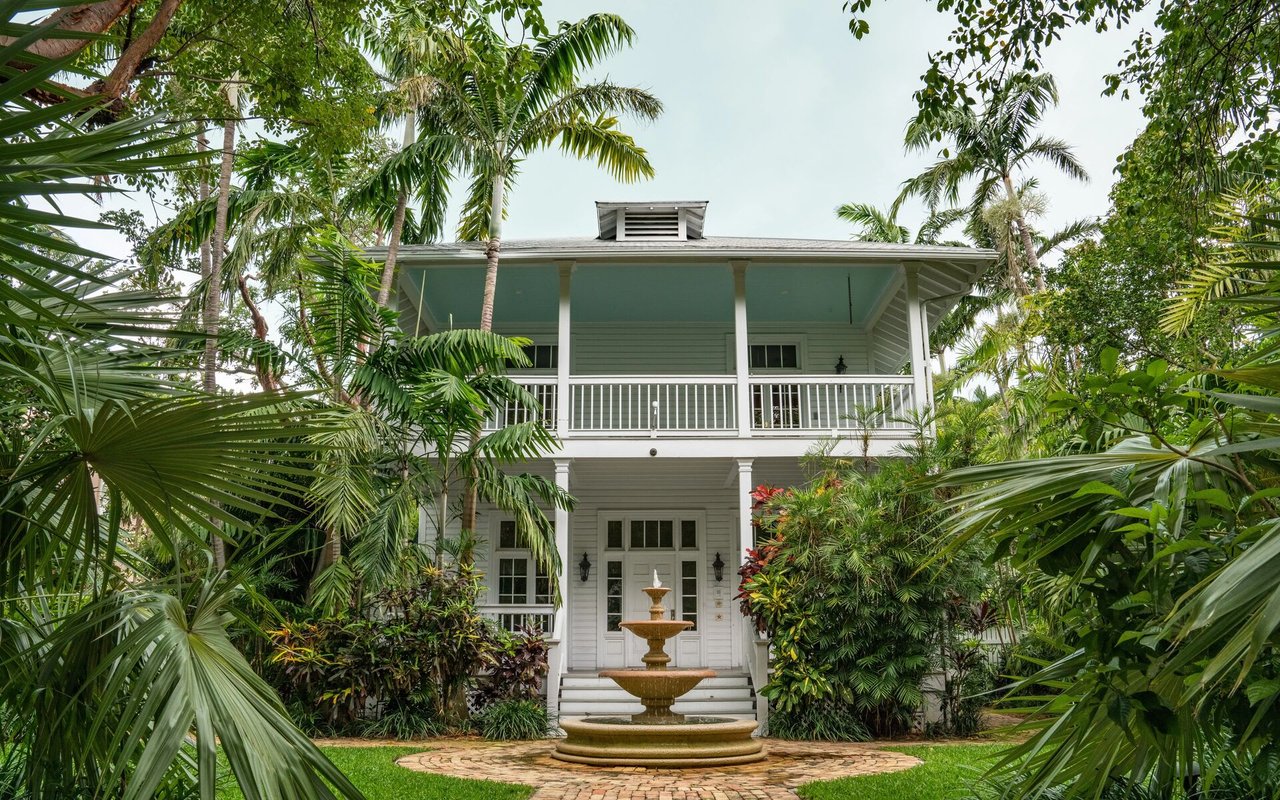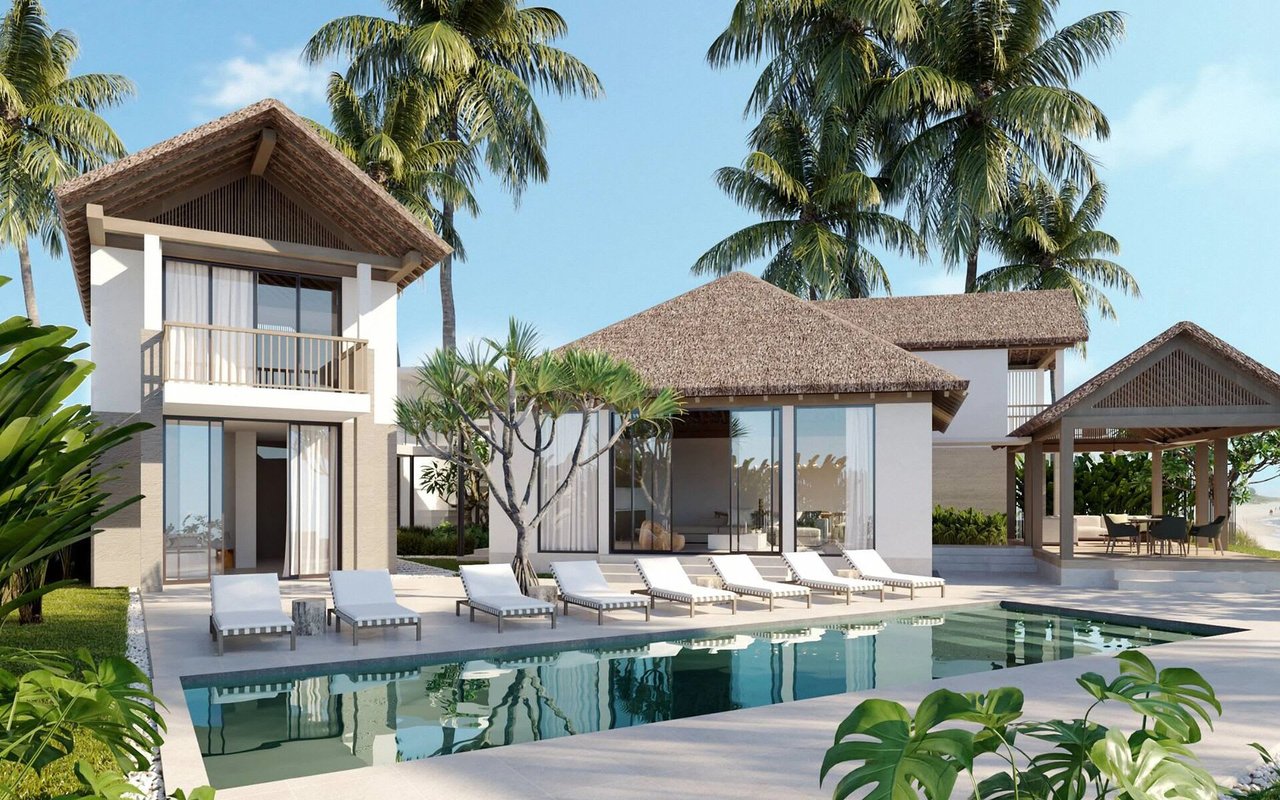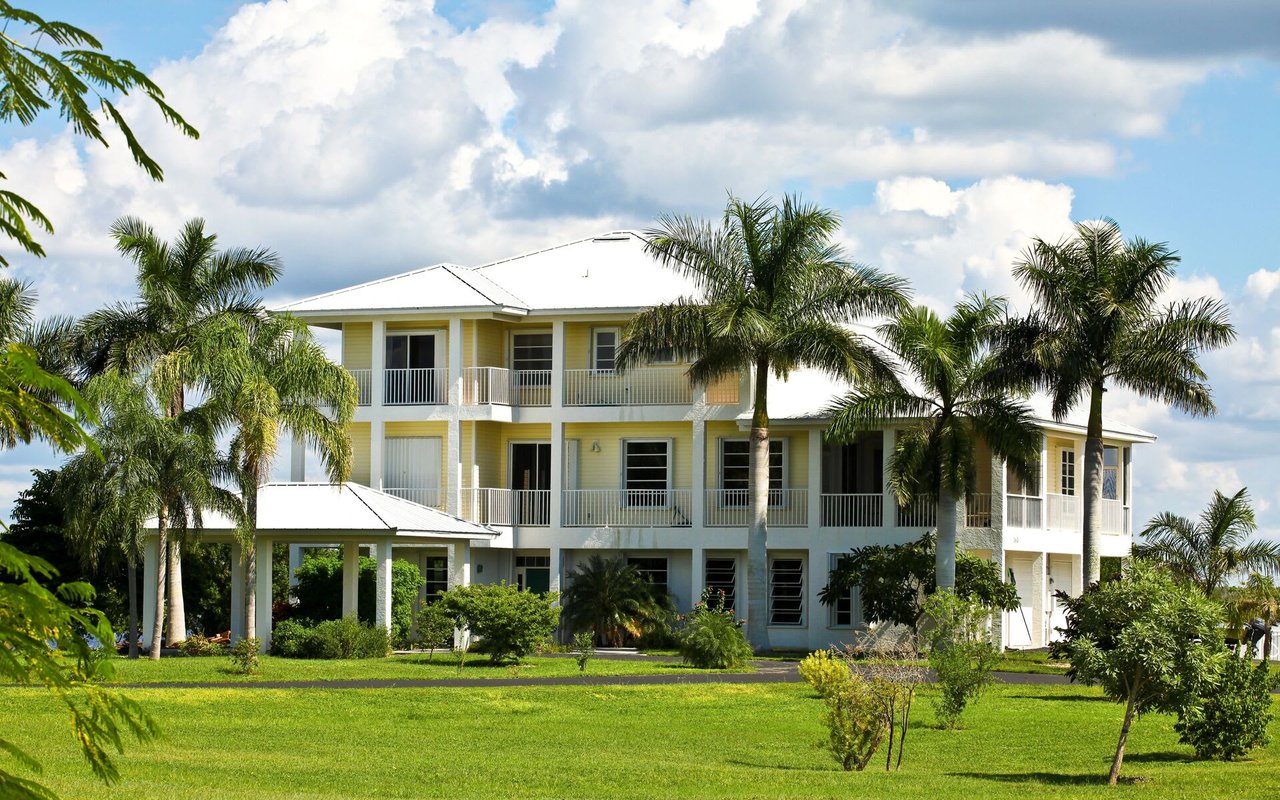
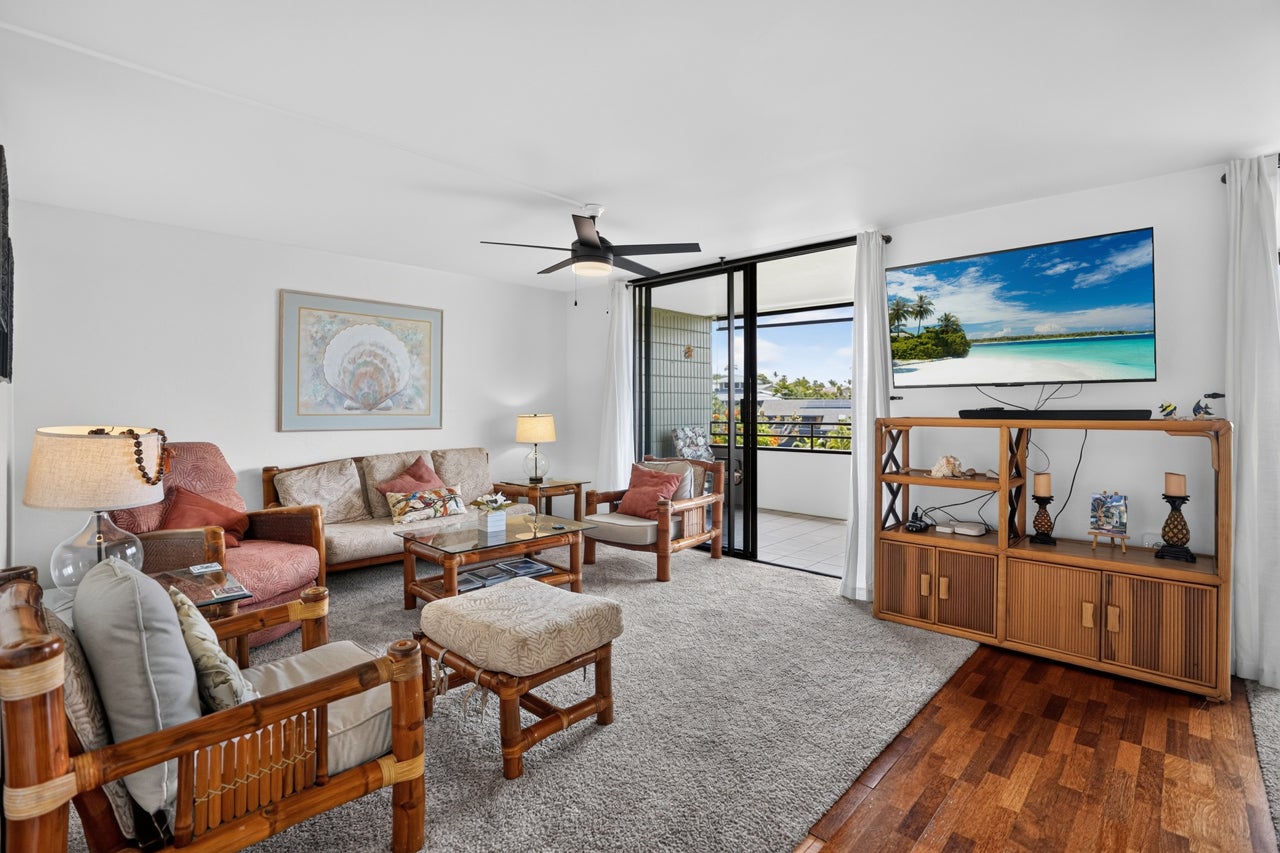
46,201 people live in North Kona, where the median age is 43.5 and the average individual income is $44,815. Data provided by the U.S. Census Bureau.
Total Population
Median Age
Population Density Population Density This is the number of people per square mile in a neighborhood.
Average individual Income
North Kona is where most people's vision of the Big Island actually lives. It's the sunny, leeward coast where ancient Hawaiian kingdoms once ruled, where the world's most coveted coffee grows on volcanic slopes, and where modern luxury resorts sit alongside 200-year-old churches. As Realtors who have spent decades walking this coastline with clients, we've put together this guide to help you understand what makes this district genuinely special, beyond what you'll find in a typical travel brochure.
North Kona occupies the west-facing, leeward side of Hawai'i Island (the Big Island). In the Hawaiian language, kona means "leeward" or "dry side," which tells you almost everything you need to know about the weather here. The district is bordered by South Kohala to the north, South Kona to the south, and the vast Hāmākua district to the east.
The geography is entirely shaped by two massive shield volcanoes. Hualālai, standing at 8,271 feet, forms the backdrop of the entire district. Though it hasn't erupted since 1801, it remains the third-most active volcano on the island. To the east, the slopes climb into Mauna Loa, the largest active volcano on Earth. Because the land rises so sharply from sea level to thousands of feet in just a few miles, North Kona packs an extraordinary range of landscapes into a relatively compact area, from jet-black lava fields along the coast to lush, misty coffee orchards a short drive uphill.
One of the most underappreciated facts about North Kona is that it contains two distinct climate zones, and where you choose to live or stay will define your daily experience.
The coastal strip, from sea level up to about 500 feet, is hot, dry, and reliably sunny year-round. This is where you'll find Kailua-Kona town, the resorts, and the beaches. Annual rainfall here is a mere 10 to 15 inches, making it one of the driest places in Hawai'i. Daytime temperatures hover between 81°F and 87°F depending on the season, with the warmest months being August and September.
Drive ten minutes uphill into the Kona Coffee Belt (roughly 800 to 2,500 feet elevation) and you'll find a completely different world. The mornings start sunny, but by afternoon, a predictable cloud cover rolls in over the slopes of Hualālai, bringing gentle showers and dropping temperatures noticeably. Annual rainfall here jumps to 40 to 60 inches, which is exactly what makes this the perfect environment for growing coffee. Locals call this the "Kona Weather Pattern," and it's a self-contained daily loop that the rest of Hawai'i doesn't experience.
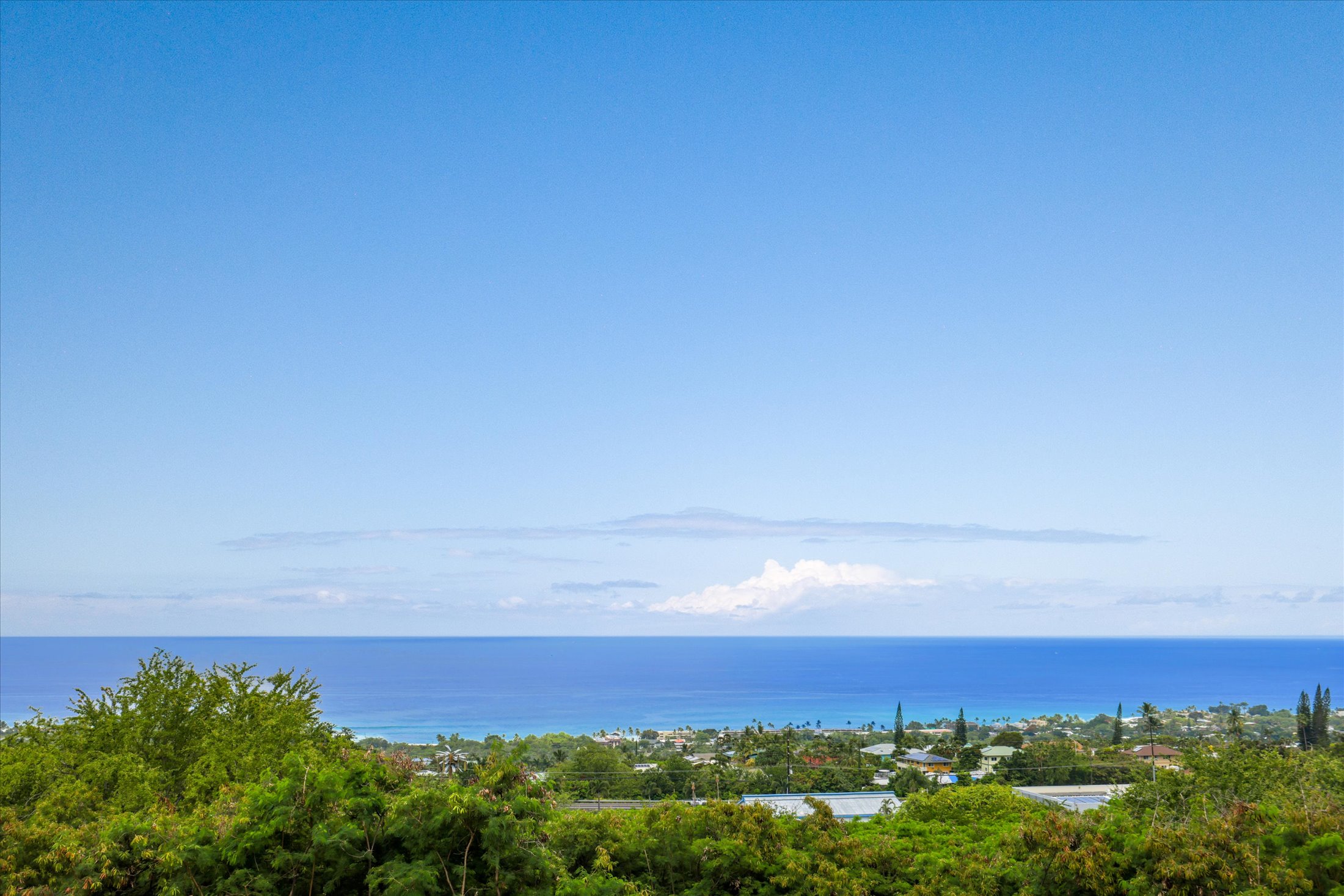
A quick note on vog (volcanic smog): when Kīlauea is actively erupting on the other side of the island, sulfur dioxide can get trapped in North Kona's wind-sheltered air. On clear days, you can see Maui across the channel. On heavy vog days, the air hazes over and produces some of the most dramatic, glowing orange sunsets you'll ever witness.
Historic Kailua Village (often just called "Kona") is the heart of North Kona and the commercial hub for the entire west side of the island. Its main artery, Ali'i Drive, runs directly along the oceanfront and is packed with open-air restaurants, local shops, historic landmarks, and shave ice spots. It's highly walkable, which is rare for the Big Island.
Just uphill, the town of Hōlualoa sits on the slopes of Hualālai right in the heart of the coffee belt. It's cooler, quieter, and has reinvented itself as an upscale arts community, with converted plantation-era buildings now housing fine-art galleries, pottery studios, and koa wood craftsmen.
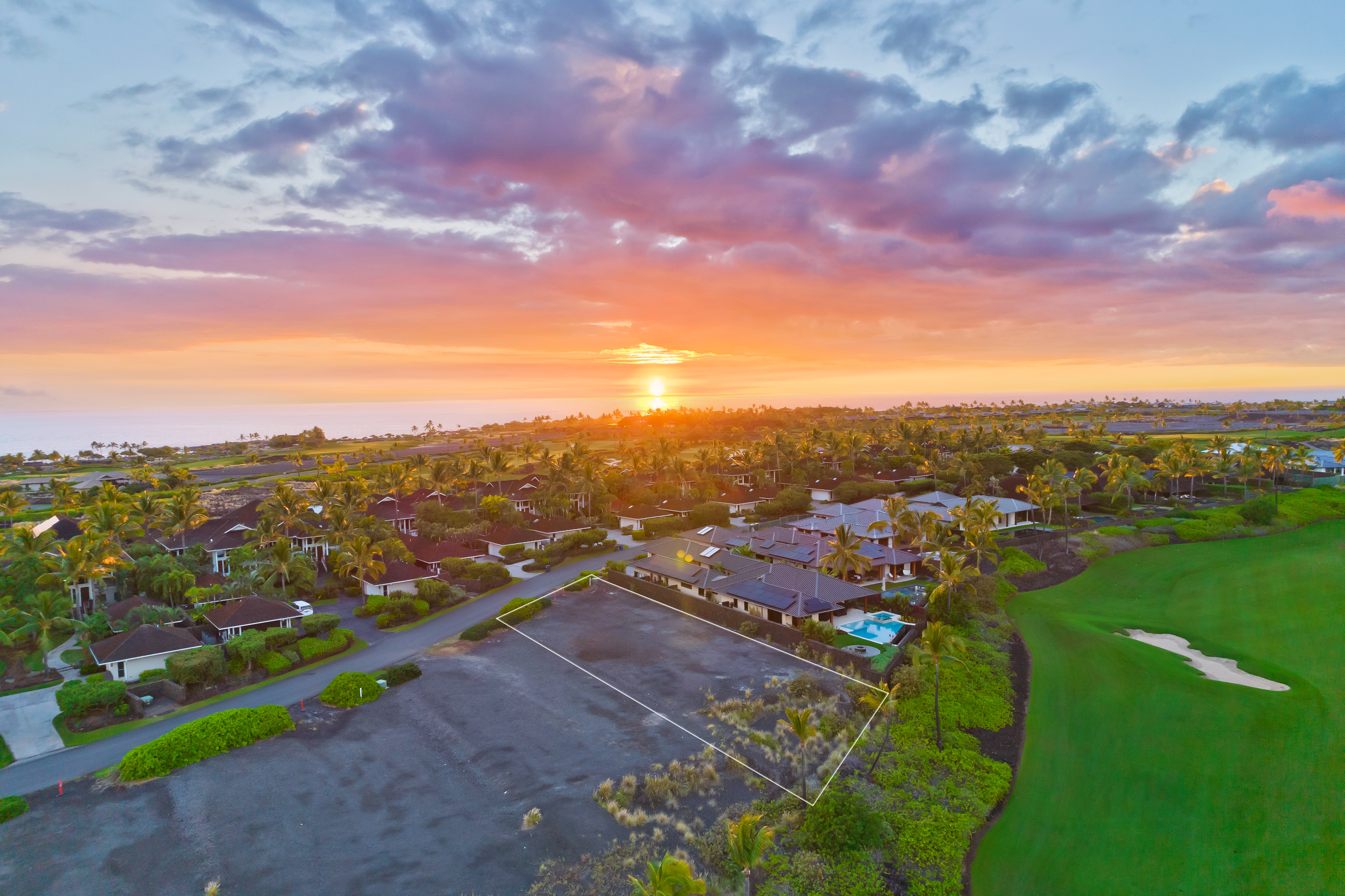
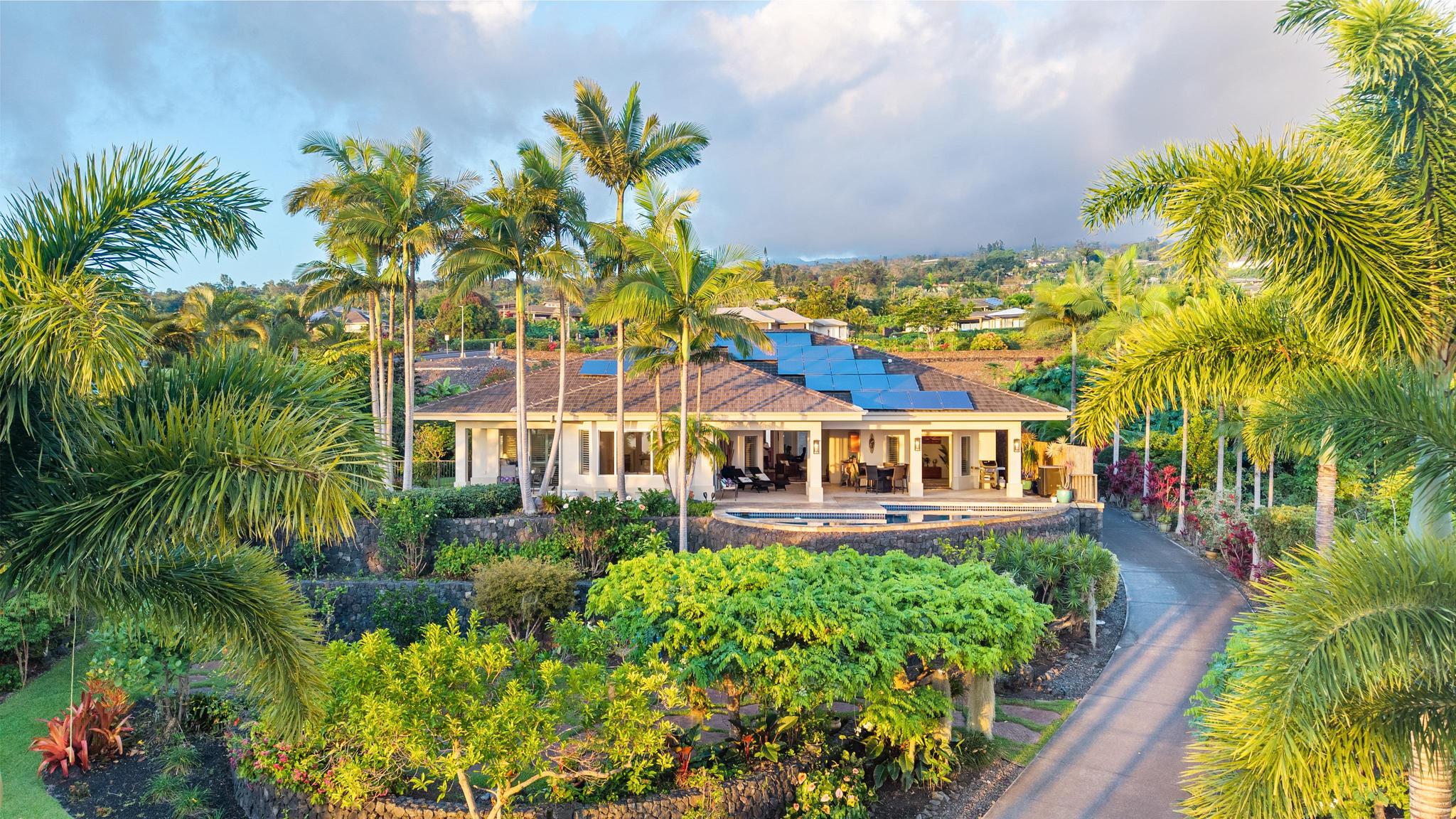
Further north along the coast, you'll find the ultra-exclusive resort communities of Kūki'o, Hualālai, and Kohanaiki, which represent the highest tier of luxury real estate on the island. Mid-elevation neighborhoods like Kona Palisades and Bayview Estates offer that coveted combination of cooler temperatures, sweeping ocean views, and larger lots.
You can't understand North Kona without understanding that this is, quite literally, where the unified Hawaiian Kingdom was born. In 1812, after consolidating power across all the islands, King Kamehameha I established his final seat of government at Kamakahonu, a quiet bay in what is now downtown Kailua-Kona. He ruled from this spot until his death in 1819.
Within blocks of each other on Ali'i Drive, you can visit three landmarks that capture this story. Ahu'ena Heiau at Kamakahonu was Kamehameha's personal temple and political headquarters. Huliheʻe Palace, built in 1838, served as a beloved summer residence for Hawaiian royalty including King Kalākaua and Queen Kapi'olani. Directly across the street, Mokuʻaikaua Church, completed in 1837, is the oldest Christian church in the entire state of Hawai'i, built from lava rock with crushed coral mortar.
The coffee story begins in 1828, when missionary Samuel Ruggles brought the first coffee cuttings from O'ahu. The plants thrived in North Kona's unique microclimate, and by the late 1800s, Japanese immigrant families who had finished their sugar plantation contracts began leasing land here to start independent coffee farms. That legacy is exactly why North Kona's coffee culture feels so authentic and family-driven today.
The modern transformation began in 1970 with the opening of Kona International Airport, which allowed direct flights from the mainland and bypassed Honolulu entirely. In 1981, the Ironman World Championship moved to Kailua-Kona, and the brutal lava-field heat became part of triathlon legend worldwide.
If you take only one piece of advice from this guide, let it be this: when buying Kona coffee, look for the phrase "100% Kona Coffee." A bag labeled "Kona Blend" legally only needs to contain 10% Kona beans, with the remaining 90% being cheaper imported coffee. This is one of the most common mistakes visitors make.
The upland slopes of North Kona produce some of the most premium specialty coffee in the world, thanks to the combination of sunny mornings, overcast afternoons, and mineral-rich volcanic soil. Many multi-generational family farms offer tours where you can walk the orchards, watch the roasting process, and taste freshly brewed estate coffee at the source. Heavenly Hawaiian and Hōlualoa Kona Coffee Company are excellent places to start.
North Kona's coastline is a dramatic study in contrasts, where powdery white sand meets stark black lava rock. Here's an honest breakdown of which beach fits which kind of day.
A critical note on sunscreen: Hawai'i state law prohibits the sale and use of sunscreens containing oxybenzone and octinoxate, which damage coral reefs. Look for mineral-based "reef-safe" formulas using zinc oxide or titanium dioxide. And please, give sea turtles at least 10 feet of space and monk seals at least 50 feet, as required by law.
This deserves its own section because there's truly nothing else like it. After sunset, tour boats head to coastal viewing areas (most commonly near Keāhole Point or Manta Village further south). Bright lights are shone into the water to attract plankton, and giant manta rays, often with wingspans exceeding 10 to 12 feet, glide and somersault just inches beneath snorkelers floating on the surface. It's consistently ranked among the most extraordinary wildlife encounters anywhere on Earth.
If you visit between December and March, add a humpback whale-watching cruise to your list. Thousands of whales migrate through these waters, and the dedicated catamaran and zodiac tours get you close enough to hear them breathe.
The dining scene reflects North Kona's geography and immigrant heritage, with an emphasis on fresh-caught seafood and the "Local Food" tradition that fuses Hawaiian, Japanese, Filipino, and Portuguese flavors.
For waterfront sunset dining, Huggo's and its casual sister restaurant On the Rocks sit directly on Kailua Bay with tables set in the sand. For poke that has earned national recognition, Da Poke Shack is a no-frills counter-service spot that sources fish daily from local fishermen. Umeke's Fish Market Bar & Grill is the lively local favorite for massive poke bowls and modern twists on comfort food. Kona Brewing Co. is the flagship pub where Big Wave Golden Ale was born, with hand-tossed pizzas served on a lush open-air lanai.
For an authentic Local Food experience, Broke Da Mouth Grindz serves enormous portions of plate lunch staples including loco moco and garlic furikake chicken. Up in the coffee belt, the cafés at working coffee estates let you sip espresso made from beans grown a hundred yards away.
A practical note: waterfront restaurants book out weeks in advance for sunset reservations (generally between 6:00 PM and 6:45 PM depending on the season), and many local eateries close surprisingly early, often by 8:00 PM.
Shopping in North Kona is delightfully not about mega-malls. Ali'i Drive is the souvenir and boutique epicenter, with the historic Kona Inn Shopping Village housed in a 1928 former hotel and packed with art galleries, surf shops, and oceanfront views. The Kona Farmers Market runs Wednesday through Sunday under white tents in town, leaning more toward crafts and aloha shirts than produce.
For everyday needs and the best 100% Kona coffee prices on the island, the Kona Costco near the airport is a near-mandatory stop for anyone staying a week or more. KTA Super Stores is Hawai'i Island's homegrown grocery chain and the best place to find truly local products.
For the most distinctive shopping experience, drive up to Hōlualoa Village. The narrow main road is lined with fine-art galleries and studios specializing in koa wood, hand-blown glass, and original paintings. This is the place to find a piece of art that will actually mean something when you bring it home.
The North Kona housing market has shifted out of the frenzied bidding-war era of a few years ago into a more balanced environment that genuinely favors prepared buyers. The median listing price currently sits around $975,000, with median sale prices ranging from roughly $835,000 to $950,000 depending on the specific neighborhood. Homes are taking around 83 days to sell, up about 12% year-over-year, and most properties are closing at approximately 96.8% to 97% of asking price.
What this means in practical terms: inventory has risen significantly, homes are sitting longer, and buyers finally have room to evaluate properties carefully and negotiate.
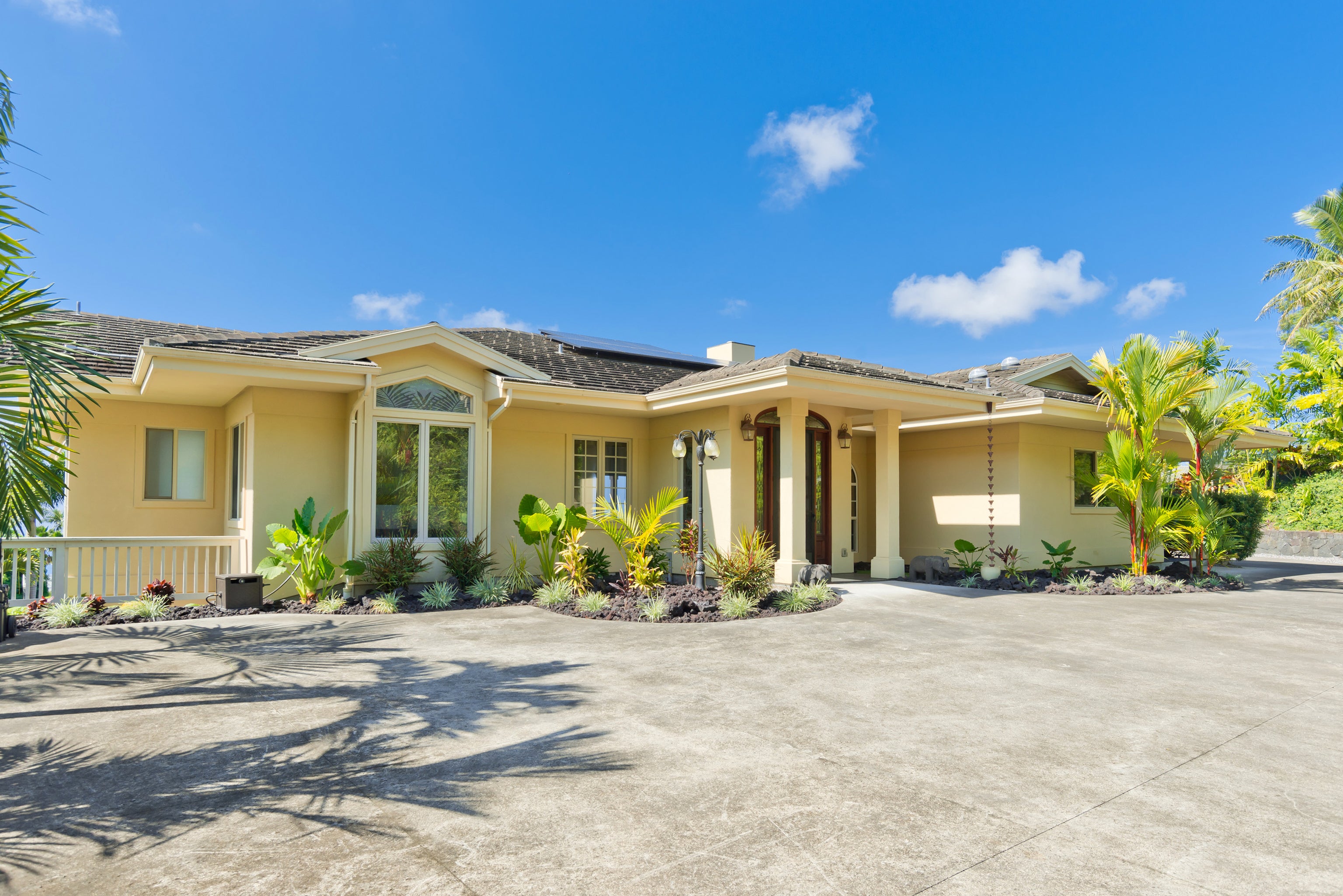
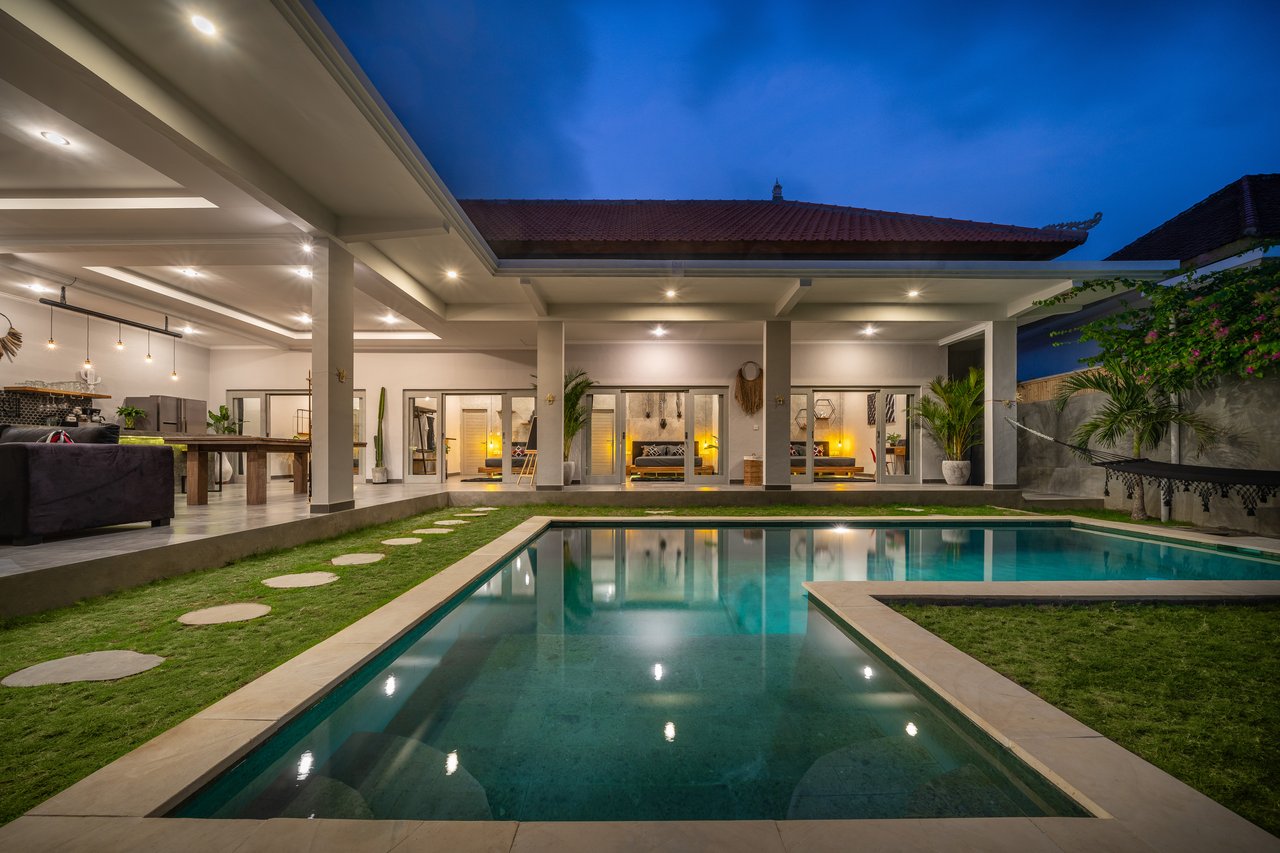
The market breaks into three distinct tiers. The luxury resort belt (Kūki'o, Hualālai, Kohanaiki) ranges from roughly $3 million to over $20 million, with these gated enclaves operating almost entirely as a cash market largely insulated from mortgage rate fluctuations. The mid-market subdivisions at 800 to 1,500 feet of elevation (Kona Palisades, Bayview Estates, Hōlualoa) generally run $850,000 to $1.8 million, with properties featuring solar PV systems, updated interiors, and 'ohana (guest) units commanding noticeable premiums. The condo market offers the entry point, typically $400,000 to $850,000, though buyers absolutely must scrutinize HOA fees and the rising cost of property insurance.
One regulation you must understand before buying with rental income in mind: Hawai'i County strictly prohibits short-term vacation rentals (STVRs) of less than 180 days in residential and agricultural zones. They are only legally permitted in designated resort zones or on properties with pre-existing non-conforming use certificates. If a listing is not explicitly advertised as STVR-eligible, you should assume long-term rentals only. We see buyers make expensive assumptions here, and verifying STVR status is one of the first things we check on any income-focused purchase.
Hawai'i operates the only single, unified statewide public school district in the country. North Kona is served primarily by the Kealakehe Complex, with Kealakehe High School (which offers an International Baccalaureate Diploma Programme), Kealakehe Intermediate, and feeder elementary schools including Kahakai, Kealakehe, and the smaller upland Hōlualoa Elementary.
Public charter schools are particularly popular here and admission is by annual lottery. West Hawai'i Explorations Academy (WHEA) is known for project-based STEM and marine science. Innovations Public Charter School focuses on multi-age classrooms, arts, and social-emotional learning.
For private and college-preparatory options, Makua Lani Christian Academy is located within the district. Many families seeking traditional independent education look 45 minutes north to Waimea, where Hawai'i Preparatory Academy (HPA) and Parker School offer highly regarded K-12 programs.
For higher education, Hawai'i Community College – Pālamanui is a modern University of Hawai'i campus just north of the airport, offering associate degrees, certificates, and pathways to bachelor's and master's programs.
For nearly every visitor and most residents, renting a car is the only practical way to experience North Kona. The district is genuinely spread out, and many of the best beaches and farms are miles apart with no pedestrian or transit access. For standard exploring including town, resorts, and Kua Bay, a sedan or compact SUV is fine. To reach Makalawena and other rugged hidden spots, you'll need a true 4x4 with high ground clearance.
The Hele-On bus system operates island-wide, and the Kona Trolley (Route 201) runs hop-on/hop-off service along Ali'i Drive roughly every 60 minutes, connecting the main shopping hubs to downtown and Keauhou. Uber and Lyft work reliably in and around town, but if you take a rideshare to a remote coffee farm or secluded beach, you may struggle to find a return ride.
Downtown Kailua-Kona is exceptionally walkable once you've parked. And cyclists should know that the wide shoulders of Queen Ka'ahumanu Highway are legendary in the triathlon world, thanks to Ironman.
Life in North Kona moves to what locals call "Island Time," but that's often misunderstood as just being slow. It's really about prioritizing connection, family, and respect for the land over rushing.
Three values shape daily life here. Aloha is far more than a greeting; it's a posture of mutual care extended to neighbors and strangers alike. 'Ohana (family) extends beyond bloodlines to friends, neighbors, and coworkers, which is why you'll see massive multi-generational gatherings at beach parks every weekend. Mālama 'āina (caring for the land) is a genuine duty here, expressed through reef protection, wildlife stewardship, and active community volunteer culture.
The ocean functions as the community's backyard and gymnasium. Outrigger canoe paddling is the official state sport, and you can watch local clubs launch from Kailua Pier almost every afternoon. The annual Queen Lili'uokalani Canoe Race every Labor Day weekend is the largest long-distance outrigger canoe race in the world.
Three annual events define the community calendar. The King Kamehameha Day Celebration Parade in June moves down Ali'i Drive with traditional pā'ū riders honoring the king who unified the islands from this very spot. The Ironman World Championship in October turns the entire town into a global sporting festival, with hundreds of local volunteers powering the event. And the Kona Coffee Cultural Festival in November is Hawai'i's oldest food festival, a 10-day celebration of the multi-ethnic families who built the coffee belt over nearly 200 years.
You'll also hear Pidgin (Hawaiian Creole English) everywhere, born from plantation-era workers needing to communicate across languages. Words like brah (brother/friend), grindz (delicious food), and pau (finished) are part of daily conversation.
Because the Big Island is so large, your North Kona base puts you within striking distance of dramatically different worlds.
If this guide has you seriously considering North Kona as a home, second home, or investment, we'd love to help you navigate it properly. Hawai'i Estates LLC is led by Doug and Kendra Powell, who spent over 20 years building, buying, and selling real estate before opening the firm and joining the Leading Estates of the World 'Ohana. Their combined background as real estate investors, general contractors, and longtime Hawai'i Realtors gives them a depth of insight into property condition, market value, and the real-world considerations that most agents simply don't see.
What we believe defines a great Realtor is straightforward: building genuine relationships, truly understanding what you need and want, and protecting your interests at every step. We specialize as top Kailua-Kona real estate agents and also serve clients throughout Hilo, Puna, and the entire island of Hawai'i. Whether you're searching for your first Hawai'i home, planning a retirement here, building an investment portfolio, or preparing to sell, we'd be honored to help you reach your goals. Reach out anytime and we'll start with a real conversation about what you're hoping to find.
There's plenty to do around North Kona, including shopping, dining, nightlife, parks, and more. Data provided by Walk Score and Yelp.
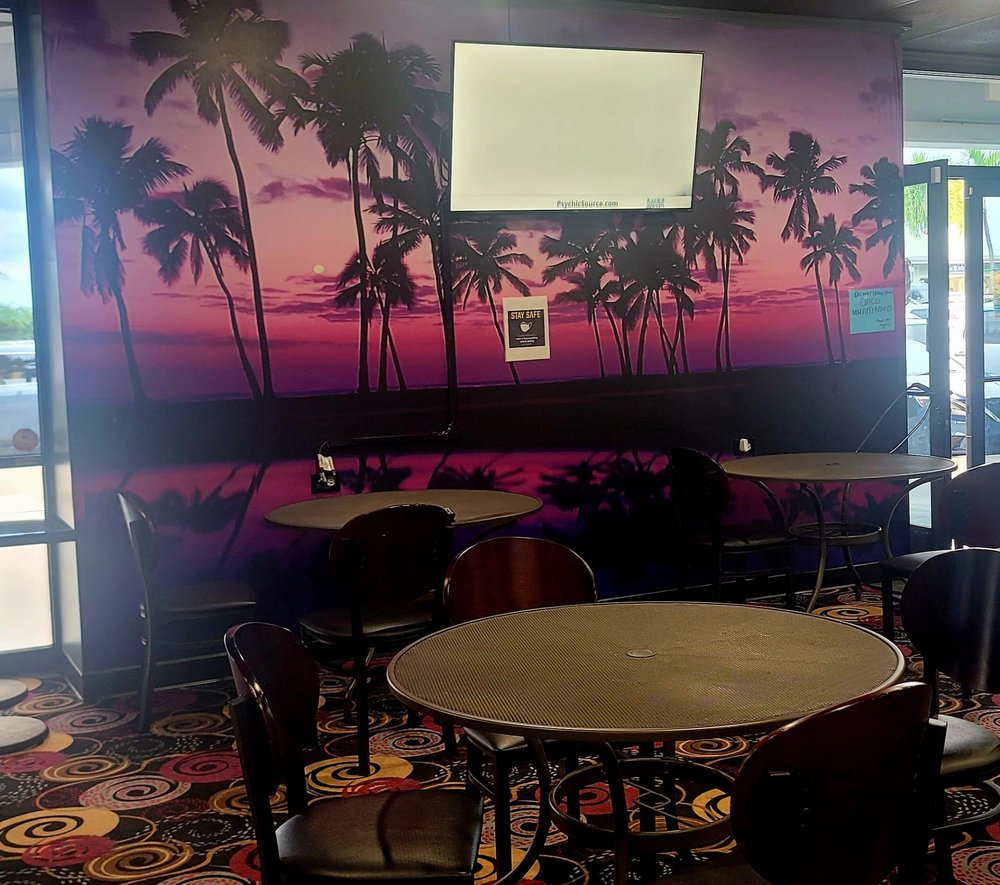
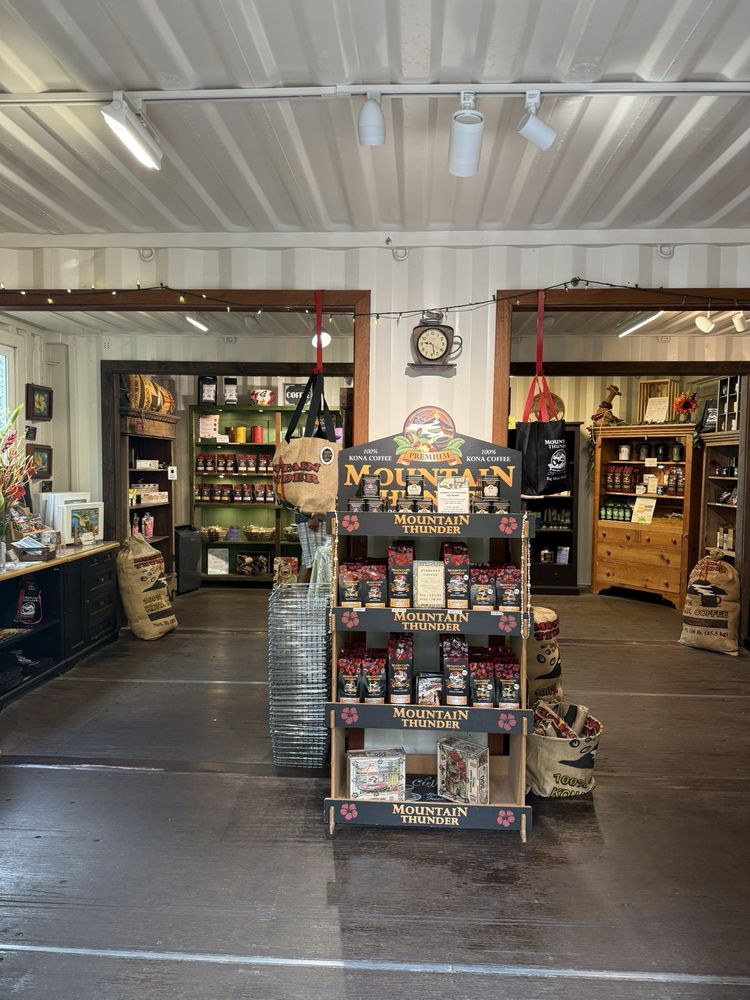
Explore popular things to do in the area, including Downes Grounds, Rancho Aloha, and Anikona Farm.
| Name | Category | Distance | Reviews |
Ratings by
Yelp
|
|---|---|---|---|---|
| Dining | 3.51 miles | 2 reviews | 3/5 stars | |
| Dining · $$ | 3.51 miles | 25 reviews | 4.8/5 stars | |
| Dining | 4.37 miles | 0 reviews | 0/5 stars | |
| Dining | 4.42 miles | 0 reviews | 0/5 stars | |
| Dining | 4.52 miles | 4 reviews | 4.8/5 stars | |
| Dining | 4.56 miles | 0 reviews | 0/5 stars | |
| Dining | 4.65 miles | 3 reviews | 4/5 stars | |
| Dining · $$ | 4.88 miles | 490 reviews | 4.5/5 stars | |
| Active | 3.51 miles | 0 reviews | 0/5 stars | |
| Active | 3.51 miles | 0 reviews | 0/5 stars | |
| Active | 3.51 miles | 0 reviews | 0/5 stars | |
| Active | 3.51 miles | 0 reviews | 0/5 stars | |
| Active | 4.49 miles | 7 reviews | 5/5 stars | |
| Beauty | 3.51 miles | 1 review | 5/5 stars | |
| Beauty | 3.51 miles | 0 reviews | 0/5 stars | |
| Beauty | 3.51 miles | 0 reviews | 0/5 stars | |
|
|
||||
|
|
||||
|
|
||||
|
|
||||
|
|
||||
|
|
North Kona has 15,920 households, with an average household size of 2.87. Data provided by the U.S. Census Bureau. Here’s what the people living in North Kona do for work — and how long it takes them to get there. Data provided by the U.S. Census Bureau. 46,201 people call North Kona home. The population density is 95 and the largest age group is Data provided by the U.S. Census Bureau.
Total Population
Population Density Population Density This is the number of people per square mile in a neighborhood.
Median Age
Men vs Women
Population by Age Group
0-9 Years
10-17 Years
18-24 Years
25-64 Years
65-74 Years
75+ Years
Education Level
Total Households
Average Household Size
Average individual Income
Households with Children
With Children:
Without Children:
Marital Status
Blue vs White Collar Workers
Blue Collar:
White Collar: