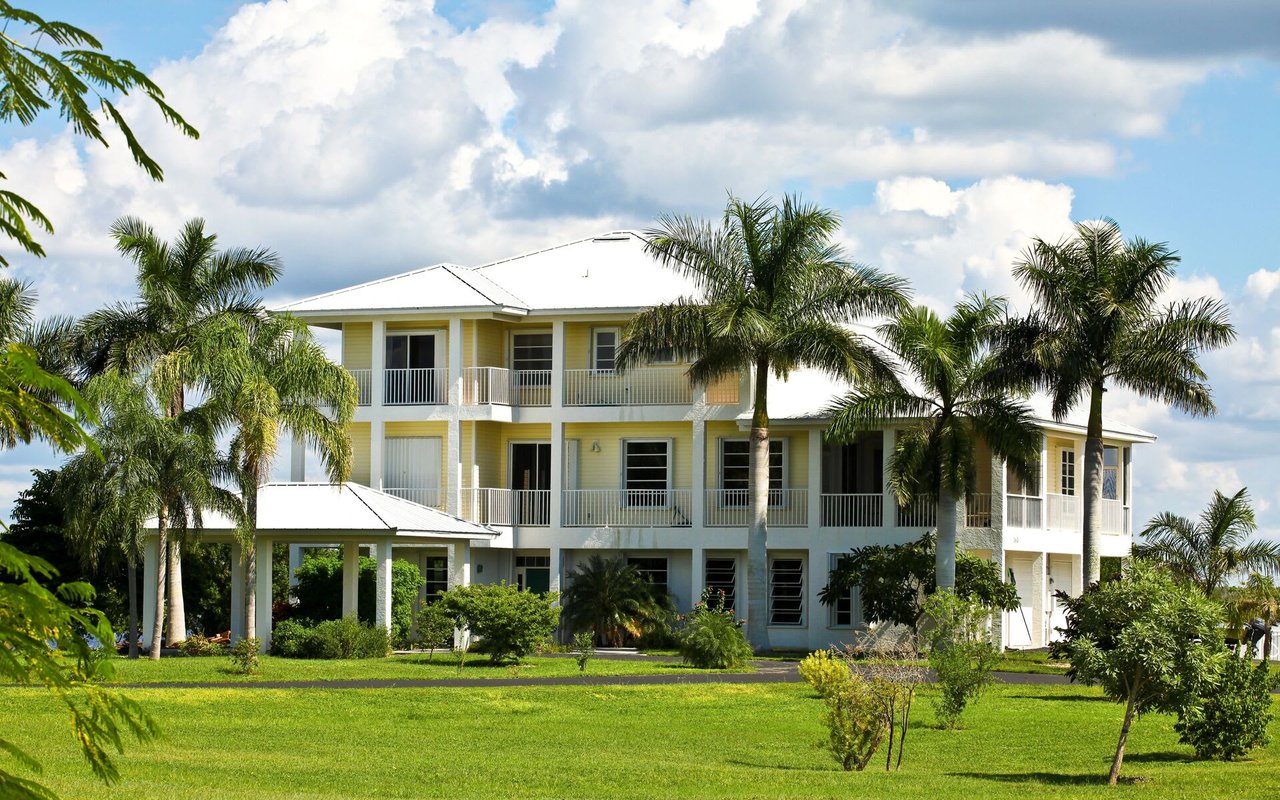
14,225 people live in Puna, where the median age is 45.5 and the average individual income is $23,143. Data provided by the U.S. Census Bureau.
Total Population
Median Age
Population Density Population Density This is the number of people per square mile in a neighborhood.
Average individual Income
Most real estate guides to Hawai'i sell you a postcard. This one is going to tell you the truth, because Puna isn't a postcard — it's a decision. As an agent who works this district every week, I've watched buyers fall completely in love with Puna and I've watched a few realize within a year that they bought the wrong dream. The difference almost always comes down to how well they understood the place before they signed. So let's make sure you understand it.
Puna occupies the windward, easternmost tip of the Big Island — the corner of the island that faces the sunrise and catches the trade winds first. It sits directly south of the Hilo district and east of Ka'ū, and it is enormous. At just under 500 square miles, Puna is roughly the size of the entire island of O'ahu, which is part of why no two corners of it feel quite alike.
What defines Puna more than its borders is what it's built on. The entire district sits on the eastern slope of Kīlauea, one of the most active volcanoes on the planet, and that single geological fact shapes everything that follows in this guide — insurance, water, roads, price, and lifestyle. The landscape reflects that tension beautifully: dense prehistoric rainforest pressed right up against raw black fields of recently cooled lava. The main hubs you'll hear about are Pāhoa, the colorful commercial heart of Lower Puna, along with Kea'au, Mountain View, Kurtistown, and Volcano Village just outside Hawai'i Volcanoes National Park.
If your mental image of Hawai'i is the manicured resort coast of Kona, set it aside. Puna is often called the "wild west" of the Big Island, and that reputation is earned. Life here is independent, raw, and wired directly into the rhythms of nature.
A large part of that independence is structural. Puna grew faster than the county could build infrastructure, so much of daily life runs off-grid by necessity rather than ideology. Most homes collect their own water from rain rather than drawing from a county line — and there's plenty of it, since Puna is one of the wettest inhabited places in the country, taking in 130 to 200 inches a year. Many neighborhoods generate their own power through solar, while the region itself taps Kīlauea's heat through geothermal wells.
That self-reliance has attracted an unusually diverse community. Because Puna offers the most affordable land and housing in the state, it has drawn multigenerational Hawaiian families, organic farmers, artists, retirees, and off-grid homesteaders into the same neighborhoods. Locals sometimes call themselves "Punatics," and they tend to pride themselves on independence, sustainability, and looking out for one another.
Living here also means living on Pele's terms. Residents carry a conscious awareness that the volcano goddess sets the conditions for life in this district — a worldview reinforced hard by the 2018 lower Puna eruption, which reshaped the coastline and erased entire subdivisions. Two practical consequences of that volcanic activity shape daily life: home insurance and mortgages can be genuinely difficult or expensive to secure, and you'll periodically experience vog — volcanic smog that hazes the sky and can irritate sensitive lungs depending on which way the wind blows.
There are gentler textures too. The volcanic soil, sun, and rain make Puna an agricultural powerhouse, and life revolves around fresh food and gathering places like the sprawling Maku'u Farmers Market on Sundays and the music-filled evenings at Uncle Robert's in Kalapana. And there are the coquí frogs — tiny invasive tree frogs whose nighttime chorus can hit the volume of a lawnmower. Some newcomers find it maddening; others come to hear it as tropical white noise. Which camp you land in says a lot about whether Puna is for you.
In short, Puna trades resort amenities and mainland convenience for raw beauty, solitude, a tight-knit community, and an authentic look at an older Hawai'i that has nearly vanished elsewhere.
This is the section I ask every serious buyer to read twice, because nothing affects your money in Puna more than your lava zone.
The U.S. Geological Survey divides the Big Island into nine Lava Flow Hazard Zones, where Zone 1 is the most hazardous and Zone 9 the least. Much of Puna sits squarely in Zones 1 and 2.
Zone | What it means | Examples |
|---|---|---|
Zone 1 | Active vents and the direct paths of the East Rift Zone — eruptions are most likely here | Leilani Estates, Lanipuna Gardens |
Zone 2 | Downslope of and adjacent to the active rift; slightly lower odds, still high risk | Hawaiian Beaches, Hawaiian Paradise Park, Kapoho |
The financial reality matters more than the geology for most buyers. Standard homeowners insurance is extremely difficult to obtain in Zones 1 and 2, and often impossible through mainland carriers. Most owners rely on the Hawai'i Property Insurance Association (HPIA), a state-created pool that is restrictive, carries high deductibles, and can be expensive. Because you generally can't get standard insurance, you generally can't get a conventional mortgage either — which makes Zones 1 and 2 predominantly a cash-only or owner-financed market.
That single constraint shapes the culture. People here build with an understanding of impermanence — the land belongs to Pele, and it could be reclaimed. The result is a remarkably resilient, present-tense community that tends to build simpler, more affordable homes rather than mega-mansions. It's not a limitation everyone wants, but for the right buyer it's a kind of freedom.
In most of America you pay a utility bill and forget about it. In Puna, you are the utility company.
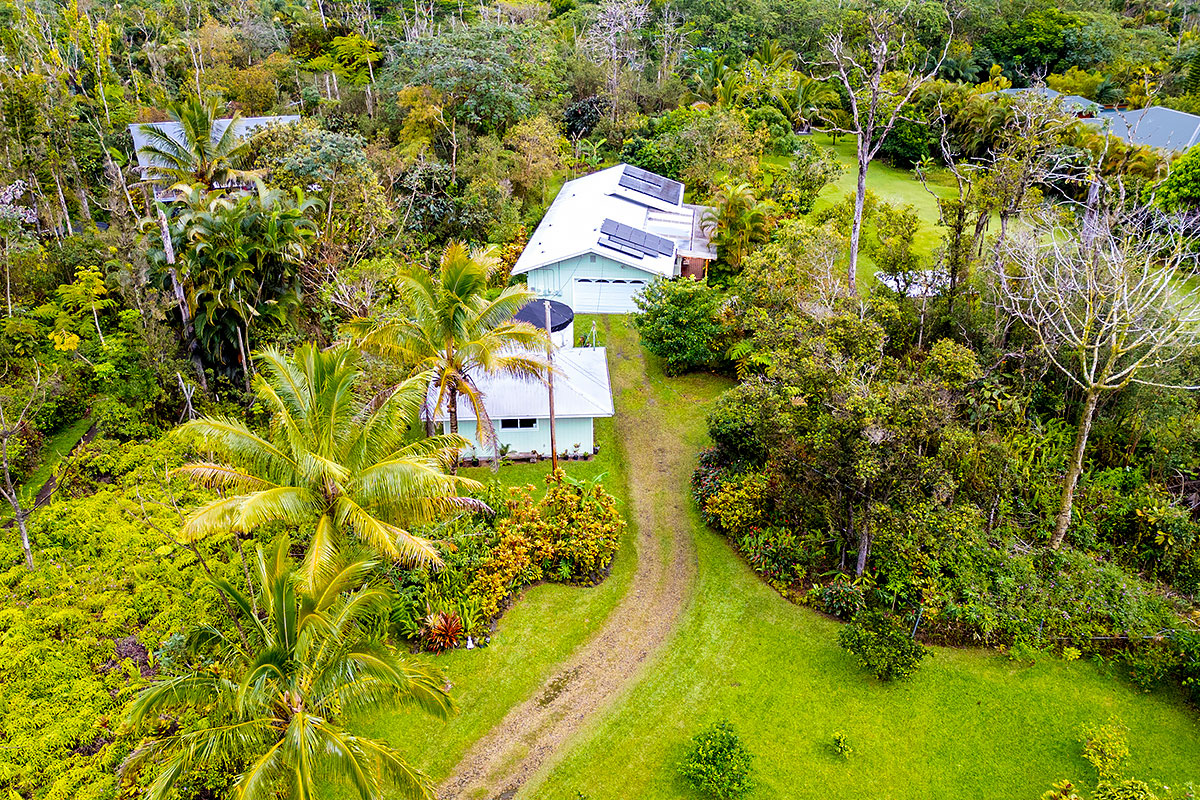
The majority of Puna properties have no county water. Instead, rain falls on a metal roof, runs through gutters, and fills a large above-ground tank — typically 5,000 to 10,000 gallons — and a pump pushes it into the house. That water isn't naturally drinkable, so owners maintain a filtration chain: a sediment filter, a carbon block filter, and an ultraviolet purifier to kill bacteria and the parasites behind rat lungworm disease. The psychological shift is real: even in one of the rainiest places in the country, you become acutely aware of your usage, and a long dry stretch can mean paying a water truck several hundred dollars to refill your tank.
Power tells a similar story. Some areas have HELCO grid access, but many of the more affordable subdivisions don't, and solar reigns — which makes sense in a state with some of the highest electricity rates in the nation. The catch is that Puna is a rainforest that can sit under heavy cloud cover for weeks, so off-grid residents learn to time their heavy power use for sunny afternoons and keep a backup generator for long wet spells.
For the people who thrive here, this isn't a burden. There's a deep, specific satisfaction in knowing the lights stay on in a storm because of your own panels, and the water keeps running because of your own tank. That's not a sales line — it's the thing long-time owners mention most.
Wastewater is one of the most consequential — and most overlooked — topics for Big Island buyers. Hawai'i relies on cesspools more heavily than almost any state, and the Big Island holds about half of them.
The distinction is simple but important. A legacy cesspool is essentially a lined pit: raw sewage flows in, solids settle, and untreated liquid seeps directly into the porous volcanic rock. A modern septic system uses a watertight tank where waste breaks down, then disperses the liquid through an engineered leach field that filters it safely through soil.
Here's the part that affects your timeline and budget. Because untreated cesspool waste threatens the island's reefs and drinking aquifers, Hawai'i law mandates that all cesspools be upgraded to septic or connected to a sewer line by 2050. That deadline sounds distant, but it can arrive early: a major renovation requiring a county permit, or a property sitting in a "Priority 1" environmental zone near the coast or a stream, can trigger the upgrade now. And conversions aren't cheap. In Puna, building a leach field often means jackhammering or blasting through solid lava, so between engineering, permitting, and machinery, a conversion commonly runs anywhere from $15,000 to north of $40,000. When I help buyers evaluate a Puna property, the wastewater system is one of the first things I want documented.
Puna does not do dry, sunny, resort weather. It does moisture, drama, and microclimate.
The rain is the headline. Depending on elevation, the district takes in 130 to 200 inches a year, and rain here is less an event than a lifestyle — heavy overnight downpours or passing afternoon showers that clear into brilliant sun and rainbows. The cost of all that water is humidity. "Puna rust" and mold are constant adversaries; vehicles, tools, and metal roofing degrade faster, so ventilation, dehumidifiers, and rot-resistant building materials genuinely matter. The district also climbs from sea level to several thousand feet, which means real microclimate variation: Lower Puna near the ocean is warm and muggy, while Upper Puna around Mountain View or Volcano Village runs cool, misty, and damp enough that a fireplace earns its keep.
Then there's vog — the haze created when sulfur dioxide and other gases from Kīlauea react with oxygen, moisture, and sunlight. Its severity depends on how active the volcano is and which way the wind blows. The standard northeast trades push the gases west toward Kona, sparing Puna; but when the winds slacken or shift to "Kona winds," Puna can sit under a thick gray haze. For most healthy people it's a visual nuisance, but for anyone with asthma or other respiratory conditions it can bring headaches, sore throats, and breathing trouble. Vog has one more consequence unique to a catchment district: heavy activity can produce acid rain that lowers the pH of tank water and can leach copper and lead from plumbing, so owners watch their water quality closely during active phases.
When developers carved up Puna in the 1950s and '60s, they laid massive grids over raw lava and rainforest, creating thousands of cheap lots. Today those subdivisions function like small unincorporated towns, each with its own personality, climate, and infrastructure. Knowing the differences between them is most of the work of buying well here.
Hawaiian Paradise Park (HPP) sits in Lower Puna and is the second-largest subdivision in the entire United States. It sprawls from oceanfront cliffs up to Highway 130, runs mostly on catchment and septic, and offers a popular balance — close enough to Hilo to commute, rural enough to feel quiet. Main roads are paved; many side streets are still gravel.
Orchidland Estates and Ainaloa, just above HPP, mark the transition into cooler, wetter jungle. Lots tend to be larger and homes are often invisible from the road behind ohia and ferns. These are nearly all catchment, with road maintenance handled by community associations — so conditions vary street by street.
Fern Acres and Eden Roc, up the mountain toward Volcano at 1,500 to 2,000 feet, are cooler, mistier, and distinctly temperate-rainforest in feel. They're among the most affordable on the island and tend to draw homesteaders and people seeking real isolation.
Leilani Estates and Nanawale Estates sit deeper in Lower Puna near Pāhoa. Lush and community-oriented, Leilani became the epicenter of the 2018 eruption when 24 fissures opened inside the neighborhood. Because it sits squarely in Lava Zone 1, property here is highly affordable but comes with the full weight of the insurance and mortgage limitations described above.
If Puna is the wild west, Pāhoa is its town square. About 30 minutes south of Hilo, it's the commercial, social, and cultural hub for the thousands of residents in the surrounding subdivisions. Walking down Pāhoa Village Road feels like stepping into a time capsule — century-old false-front wooden boardwalks, buildings painted in bold eclectic colors, an unmistakable frontier-town energy.
The culture is delightfully eccentric. You'll see mud-splattered farm trucks parked beside Teslas, and crystal healers, surfers, generational Hawaiian families, and off-grid builders sharing the same grocery aisle. The cultural life spills outward, too: Uncle Robert's Awa Bar down the road in Kalapana hosts a legendary weekly night market with live Hawaiian music and a deep sense of 'ohana, and the Maku'u Farmers Market just outside town gathers the region every Sunday.
Pāhoa is also a town that refuses to quit. A slow-moving 2014 lava flow marched to within yards of the commercial center, and in 2018 the town became a staging ground as lava devastated the nearby coast. Despite all of it, Pāhoa has grown — the Puna Kai Shopping Center brought a major grocery store, fitness center, and national chains to a region that once had to drive to Hilo for the basics. That blend of old-world charm and new-world resilience is exactly what makes it unique.
Before 2018, Kapoho was one of the most beloved corners of the island — beach homes, a tight community, and the famous geothermally warmed Kapoho Tide Pools and springs like Wai'ōpae and 'Ahalanui.
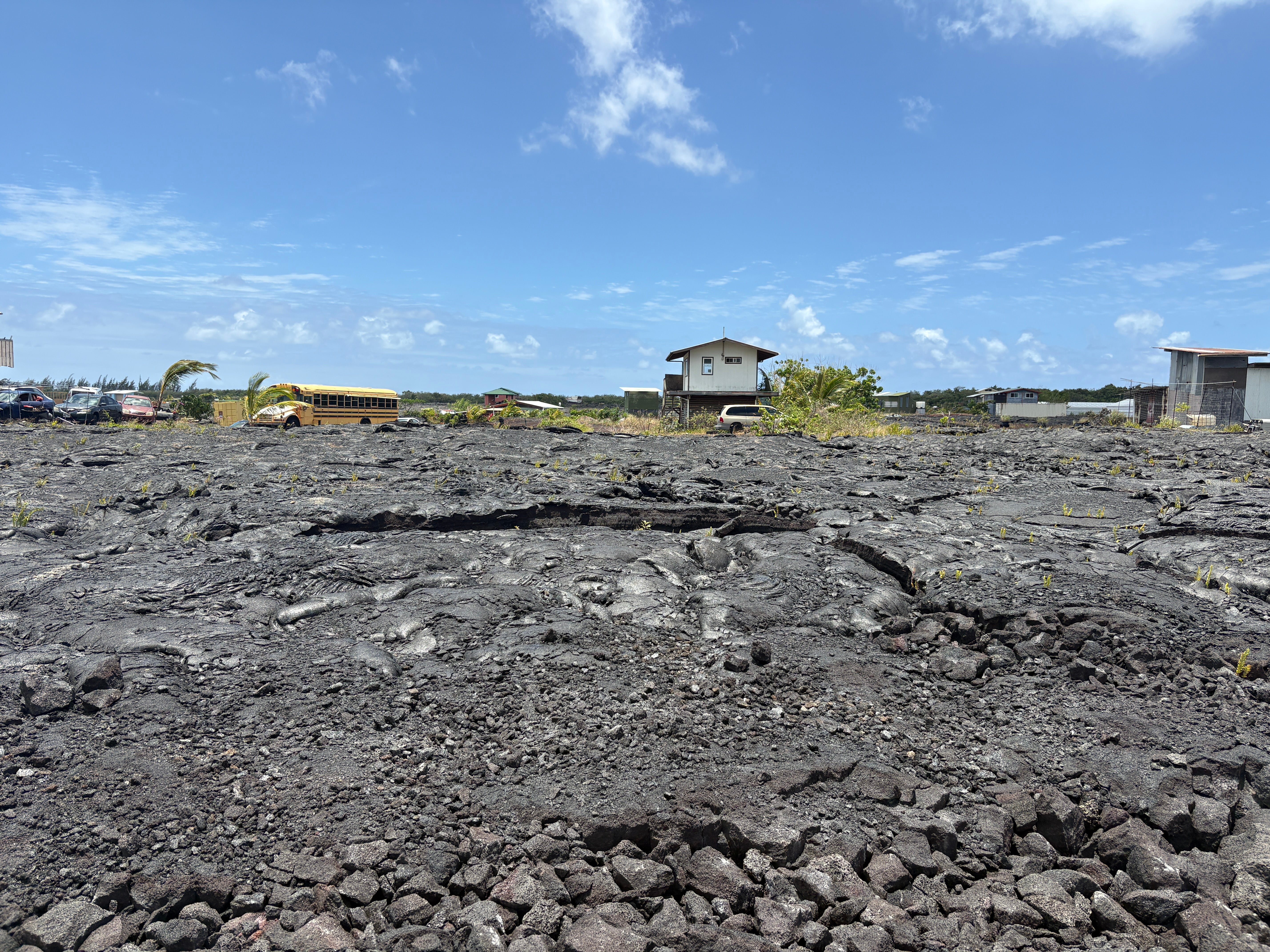
The 2018 Kīlauea eruption changed everything. Over a few months, a river of lava poured down the rift zone and buried Kapoho entirely. More than 600 homes in the Kapoho Beach Lots and Vacationland were lost under tens of feet of rock, and the cherished tide pools were erased. But the eruption didn't only destroy — it built, extending the island's coastline hundreds of acres further into the Pacific.
The coast today, along Highway 137 (the "Red Road"), is raw and wild. Isaac Hale Beach Park at Pohoiki narrowly survived — lava stopped about 230 feet from its boat ramp — but the bay transformed: molten rock shattering against cold ocean rapidly formed a stunning new black sand beach, leaving the old ramp landlocked. Further up, an unnamed crescent of black sand formed where Kapoho Bay once was, reachable only by a rugged hike over hardened lava past the Cape Kumukahi Lighthouse. Visiting this coast is humbling — stark, quiet, beautiful, and unlike anywhere else, because you are literally watching new earth being born.
Because Puna holds some of the cheapest real estate in the state, it's magnetic to buyers. But there's a world of difference between a vacant lot and an existing home, and the gap is where people get hurt.
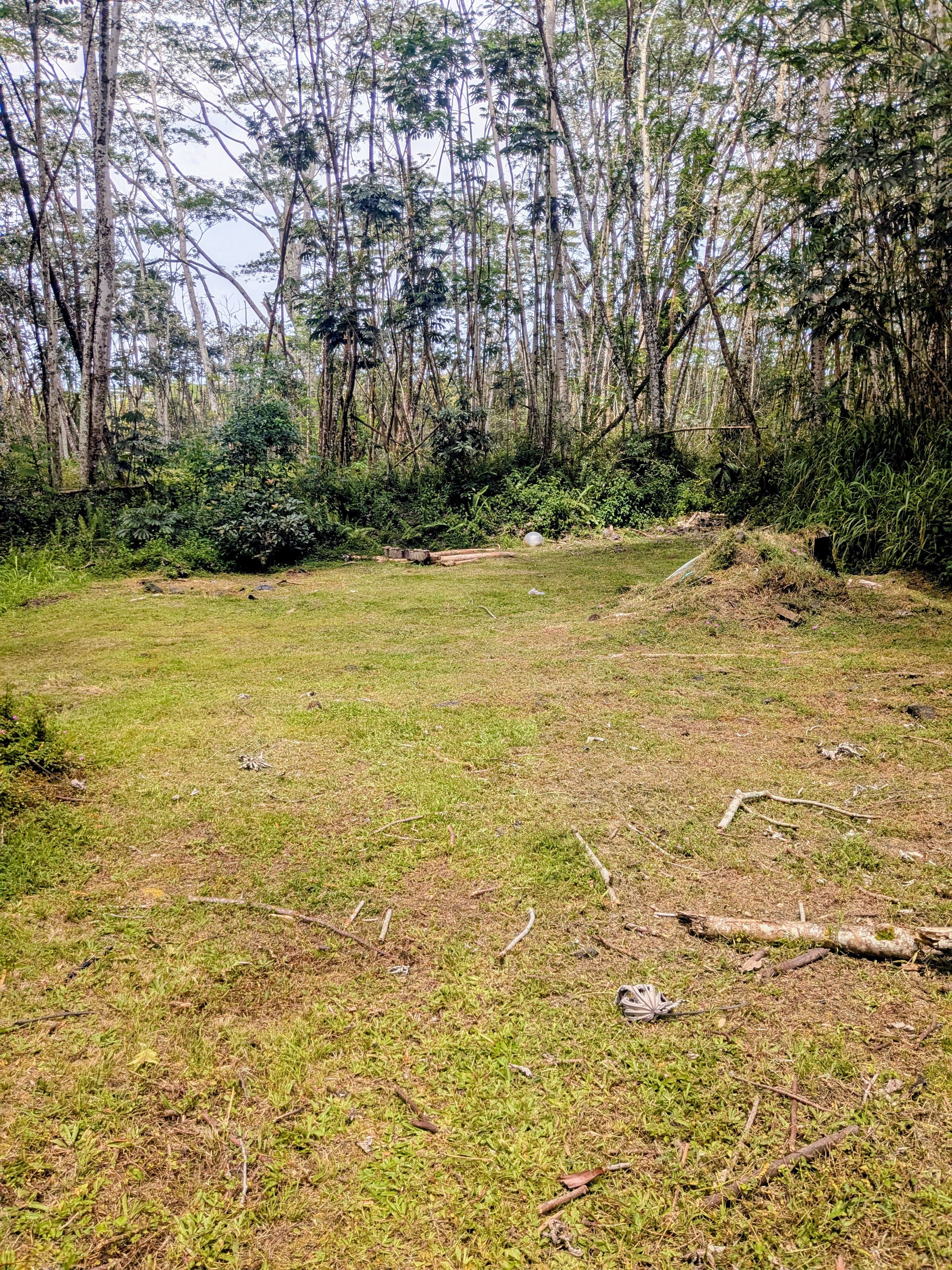
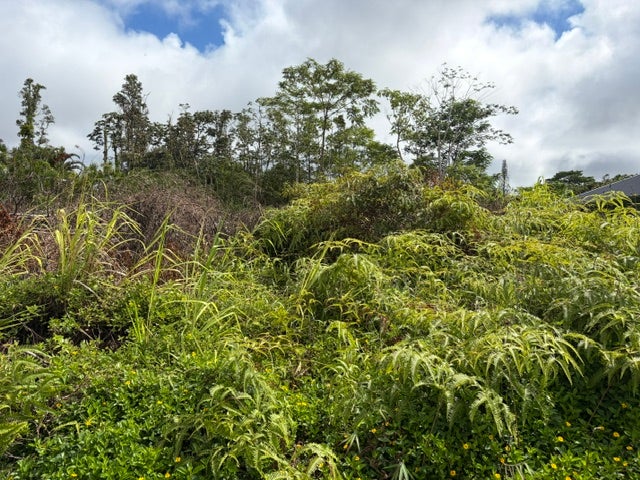
The cheap-lot trap. You'll see one-acre lots listed for $15,000 to $40,000 and start dreaming. The problem is that the price is low because the land is raw. Puna land is usually solid uneven lava or dense jungle choked with invasive albizia, and clearing, ripping rock, and grading a pad can run $10,000 to $30,000 before you pour any concrete. A cheap lot also typically means no utilities — bringing power from a distant HELCO pole can cost tens of thousands in line-extension fees — and the county permitting process is famously slow, requiring engineered plans for septic and catchment that add months or years.
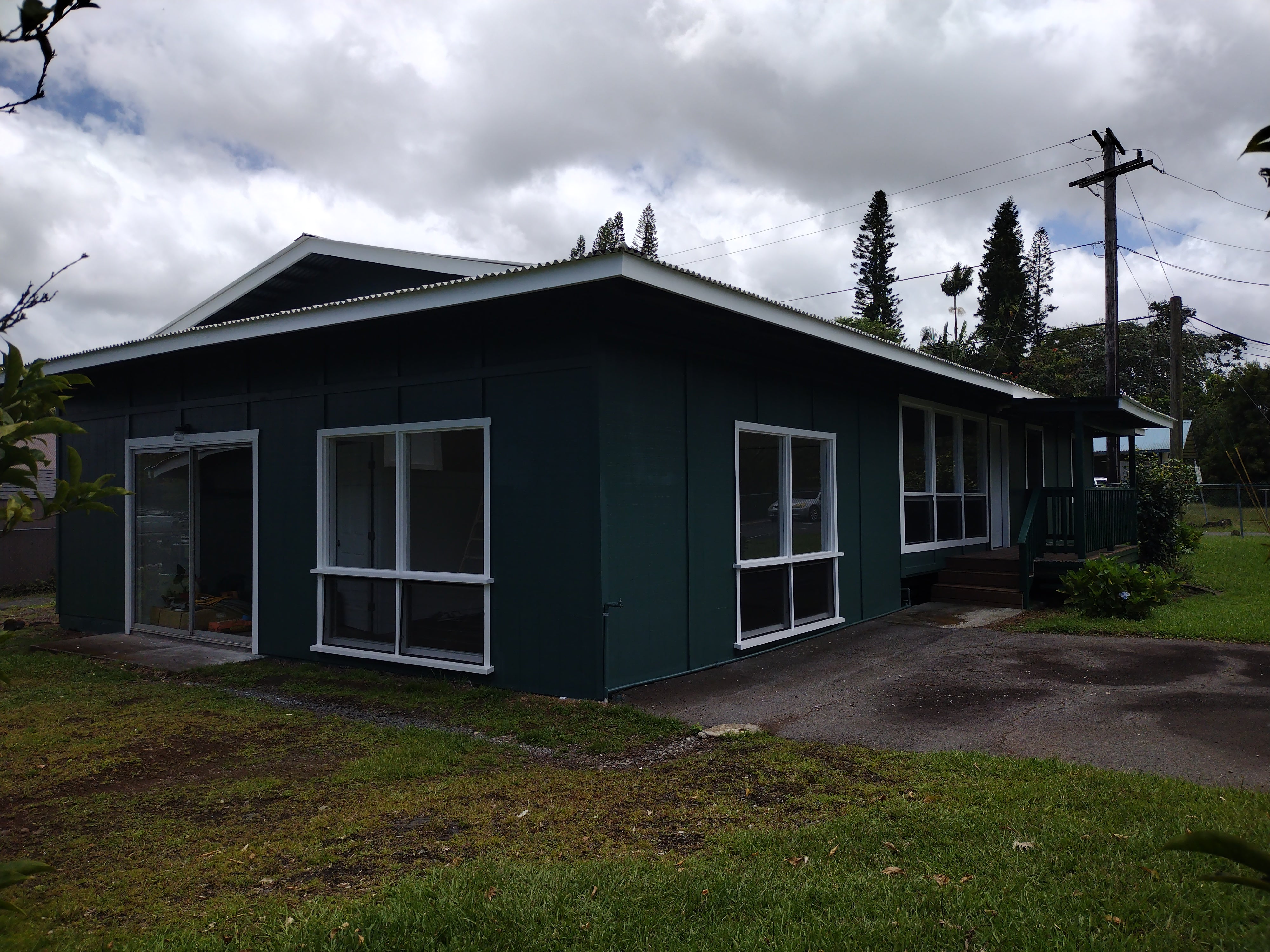
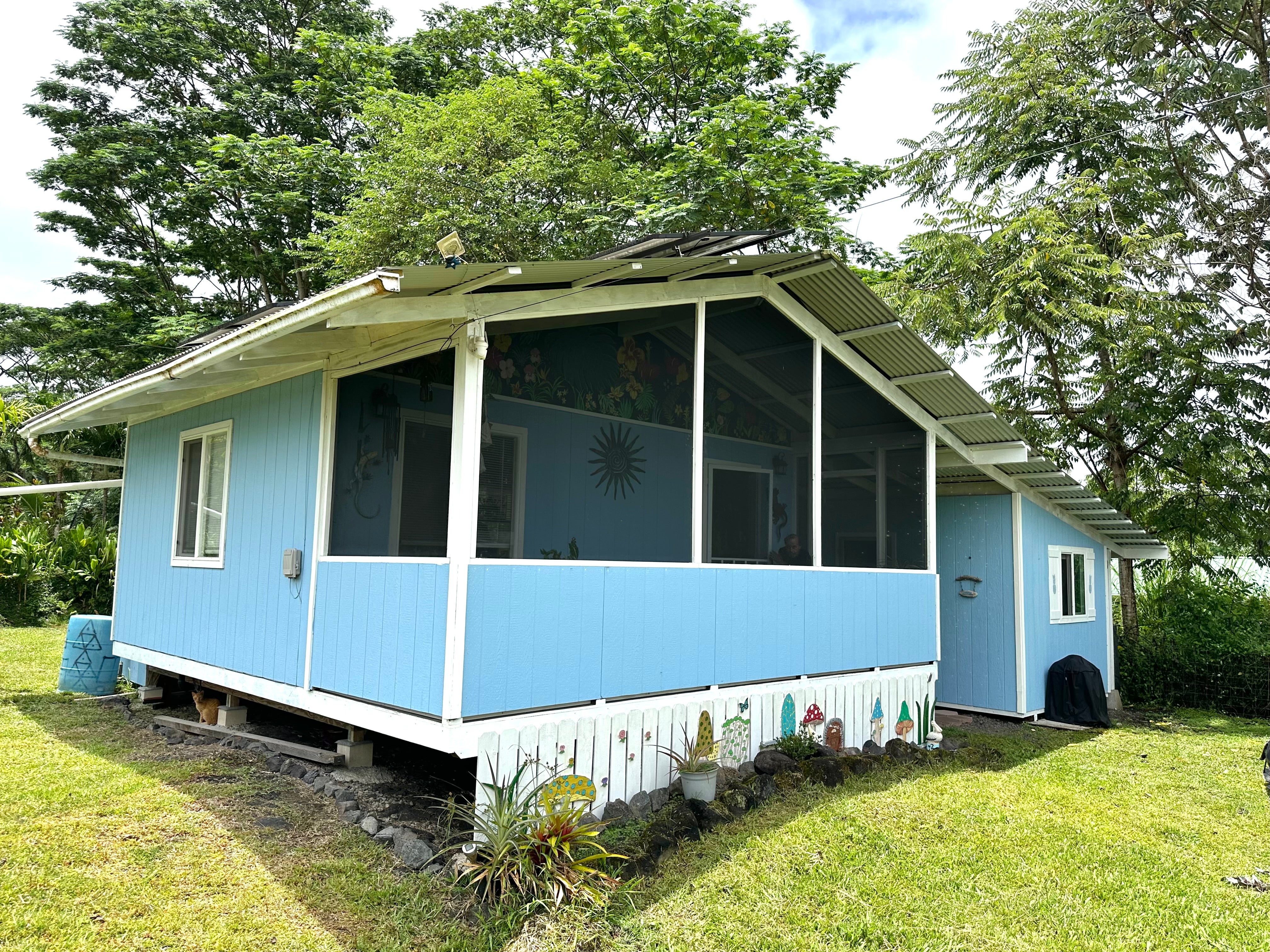
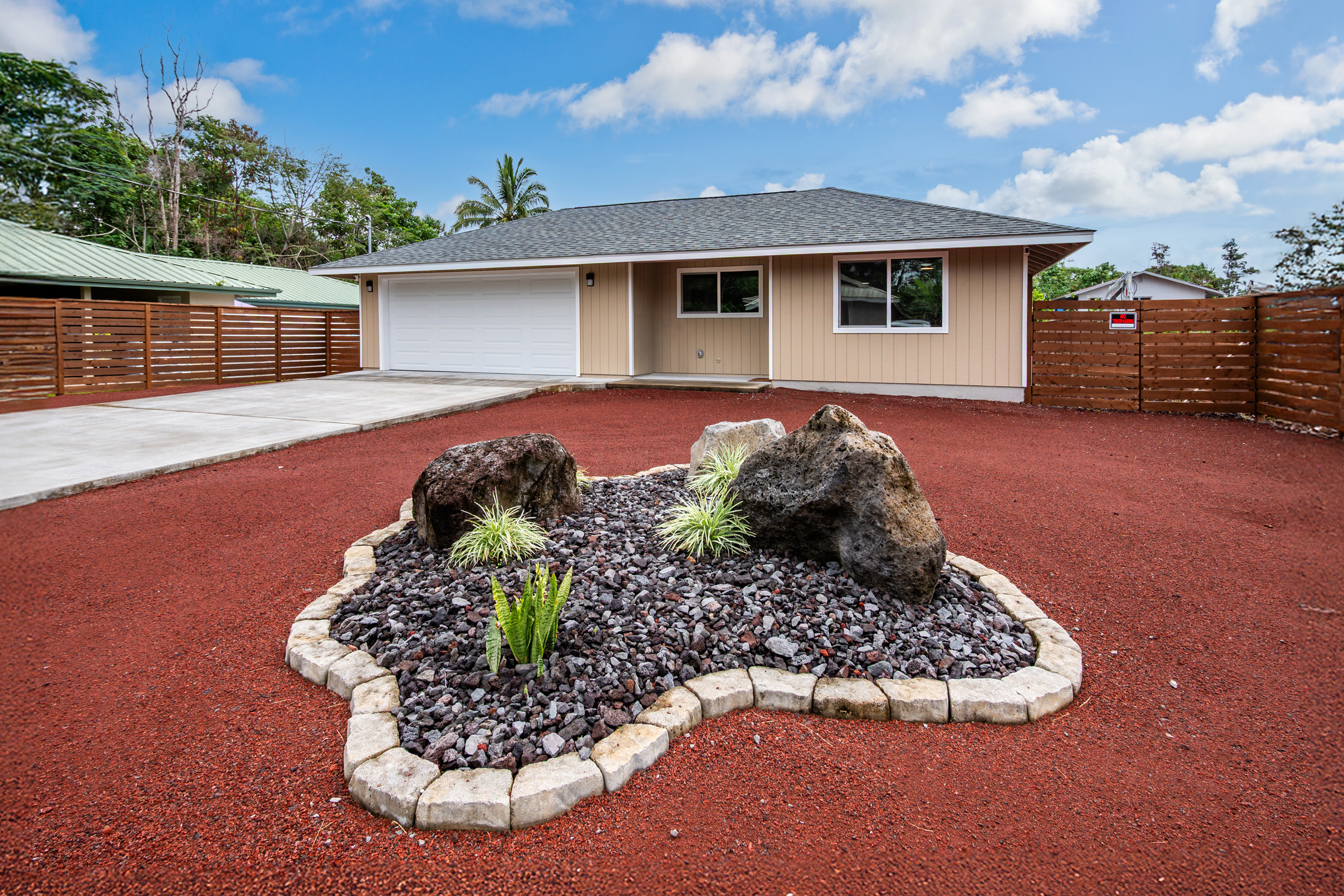
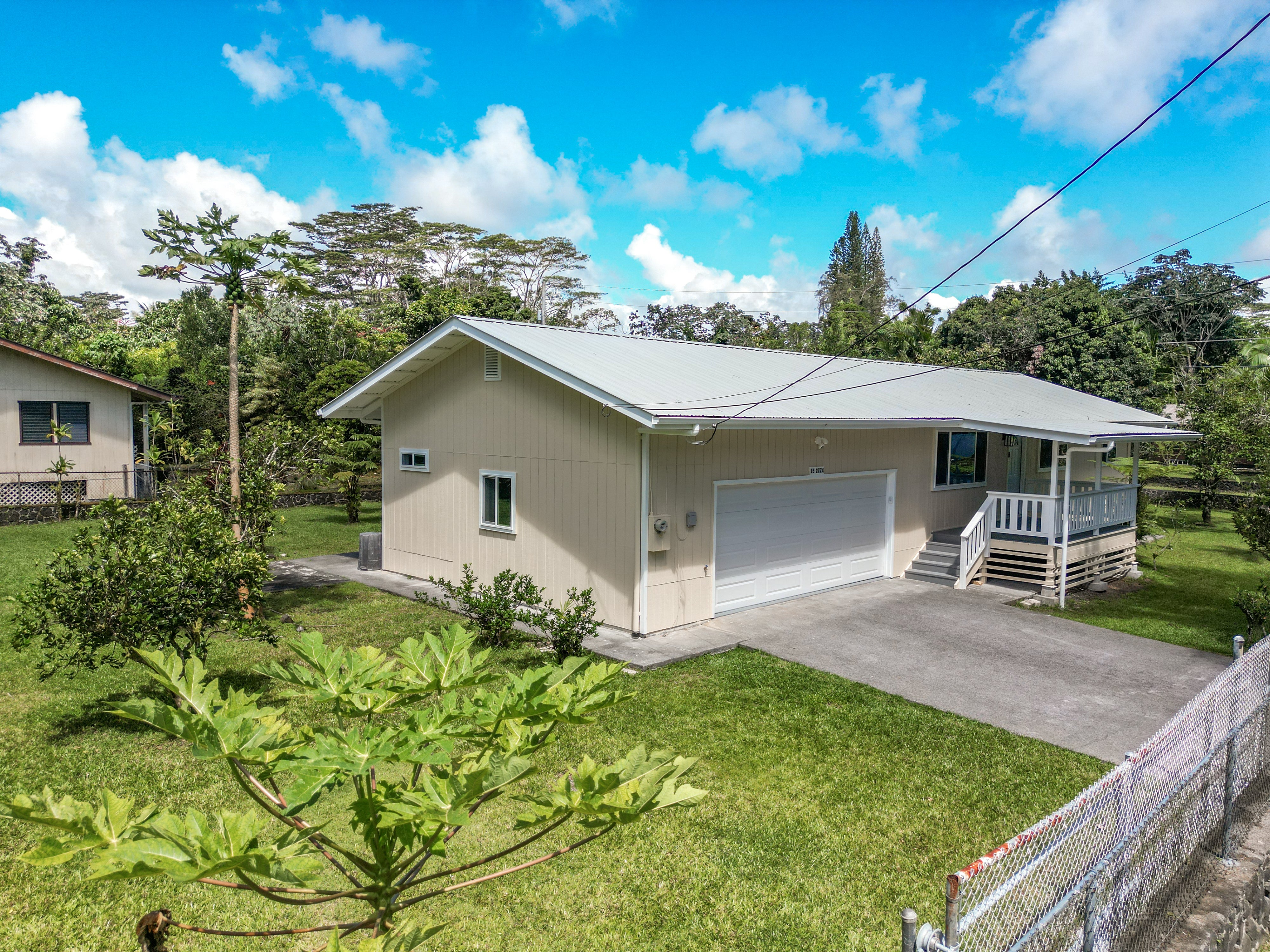
The existing-home path. Buying a standing home sidesteps much of that, with its own rules. Because of Puna's owner-builder history, a high percentage of homes were built unpermitted, and an unpermitted home (or one with unpermitted additions) is nearly impossible to finance — if you want a mortgage, the home must be fully permitted. And as noted, conventional lenders generally won't write loans in the high-risk lava zones, so purchases here often mean cash or seller financing. The upside is significant: the catchment tank, septic system, and power setup already exist and are proven to work.
The honest takeaway is that Puna offers a real chance to own a piece of paradise at a fraction of typical Hawai'i prices — but it asks you to trade mainland convenience for flexible, resilient, localized problem-solving. My job, when I represent you, is to make sure you know exactly which of those trade-offs you're signing up for.
Navigating Puna takes a reliable vehicle and a little patience, because the road network is a mix of modern highway and rugged backcountry.
The biggest challenge is simply getting in and out. Highway 130 is the lifeline connecting Lower Puna to Kea'au and Hilo, where many residents work, and because thousands of commuters depend on that single corridor, rush hour bottlenecks can turn a 30-minute drive into an hour. There are few connecting arteries, so a single accident or fallen tree can stall traffic across Lower Puna. Highway 11 serves Upper Puna toward Mountain View and Volcano.
Inside the subdivisions it's a different game. Neighborhoods like HPP, Orchidland, and Ainaloa own and maintain their own roads through community associations. Main thoroughfares are usually paved, but hundreds of miles of side streets remain gravel, dirt, or graded lava — "Puna potholes" are legendary, and most residents drive four-wheel-drive or high-clearance trucks rather than low sedans. On a brighter note, the post-2018 recovery has made real headway: major reconstruction on Highway 137 and the restoration of Pohoiki Road have reconnected coastal communities that the eruption had isolated.
Puna was once a place you left to buy anything; today it's increasingly self-sustaining.
Families have a real range of school options. The state operates large public complexes including Kea'au and Pāhoa elementary, middle, and high schools. Puna is also a notable hub for public charter schools — programs like Hawai'i Technology Academy, Kua o ka Lā, and Mālama Honua blend conventional learning with community-based and Hawaiian cultural curricula. Private options exist too, with Kamehameha Schools Hawai'i nearby in Kea'au and many families commuting into Hilo for private schooling.
On daily amenities, the Puna Kai Shopping Center in Pāhoa changed Lower Puna life almost overnight, bringing a large Malama Market grocery store, a fitness center, animal hospitals, and national chains directly into town, where residents once drove 30 minutes to Hilo. The Kea'au Shopping Center to the north offers its own groceries, hardware, and eateries as a convenient stop for commuters.
What holds it together is community. Lacking a centralized city government, Puna leans on grassroots networks — and it's one of the most digitally connected rural communities anywhere, with local forums and social networks posting real-time updates on roads, weather, vog, and lost pets. Day to day, life centers on parks, community centers, farmers markets, and the easy mutual reliance of neighbors who genuinely look out for one another.
Puna is the most affordable district in the state, which is exactly why it draws people who want a tropical life without O'ahu, Maui, or Kona price tags. Those lower numbers come with the structural and environmental trade-offs covered throughout this guide. Here's the spectrum as it generally looks:
Segment | Typical range | What you're buying |
|---|---|---|
Raw land | $10,000–$45,000 | Quarter- to one-acre lots; cheap because it's raw — budget $50K–$100K more to clear, permit, and set up off-grid systems before a foundation |
"Affordable" homes | $200,000–$350,000 | Smaller, older, fixer-upper, or unpermitted homes, often deep in Lava Zone 1; expect cash or owner financing |
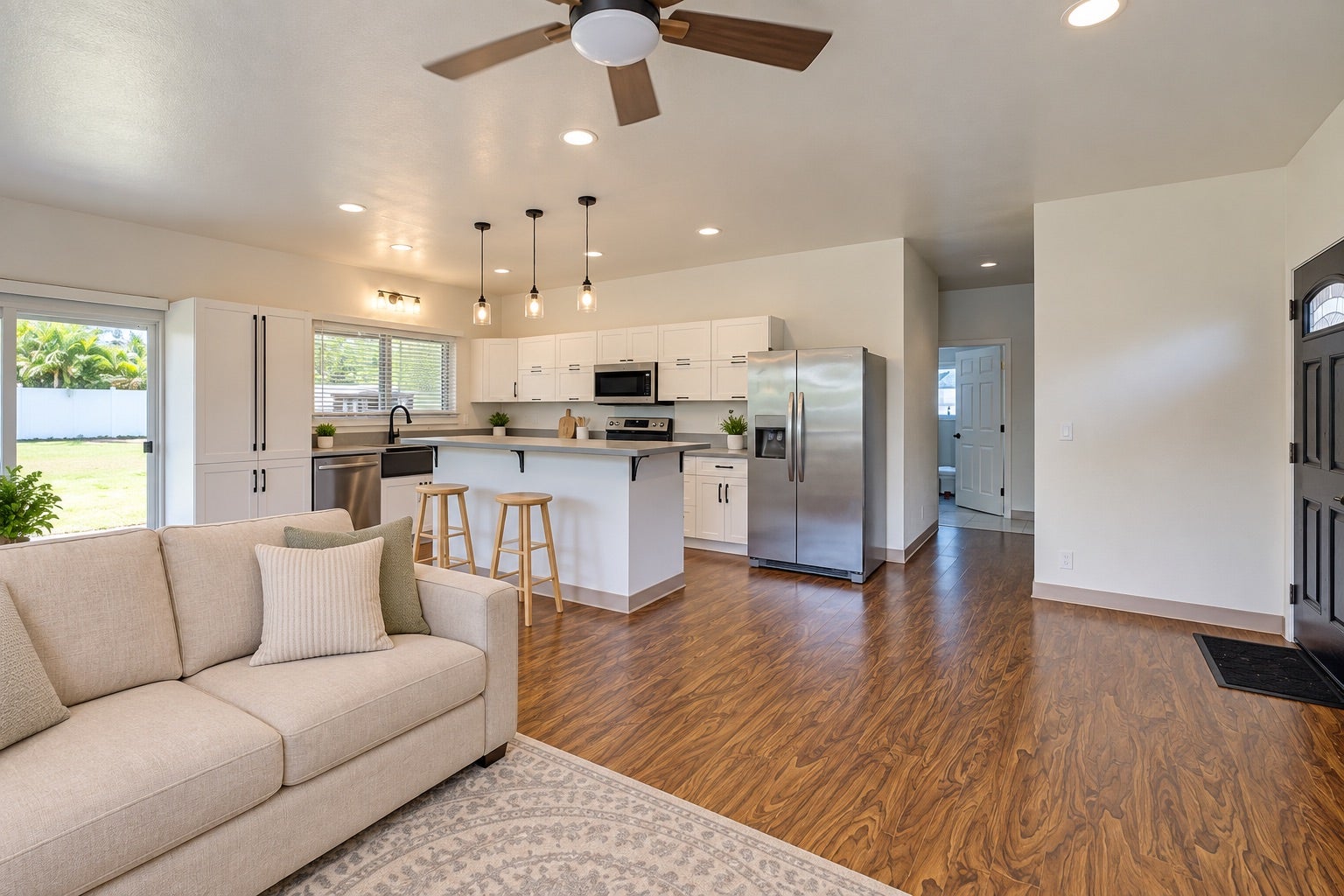
The sweet spot | $350,000–$550,000 | Fully permitted, modern 3-bed/2-bath homes in HPP or Kea'au, usually on catchment and septic in safer Zone 2 or 3 — where standard financing and HPIA insurance become achievable |
Oceanfront / high-end | $750,000–$1.5M+ | Custom estates on HPP's coastal cliffs or the Red Road — the same homes would run $3M–$6M on another island |
The pattern worth internalizing: in Puna, the lava zone and the permit status often matter more to your final cost and your financing than the square footage does.
Puna is polarizing. People either fall hard for its untamed freedom and stay for decades, or hit "island fever" and infrastructure fatigue and leave within a year. The honest way to decide is to ask which side of the ledger you fall on.
You'll likely love Puna if you find genuine satisfaction in self-reliance — maintaining your own solar and water systems — and if you want a community that prizes art, farming, and alternative living over country clubs and strict HOAs. You'll thrive if you're humbled rather than terrified by an active volcano in your backyard, and if you want space and privacy behind a thick canopy of ohia and ferns.
You'll likely struggle if your dream is "resort Hawai'i" — white sand, walkable fine dining, flawless sun. You'll struggle if you have serious respiratory issues that vog can aggravate, if mold, rust, and jungle pests wear you down, or if a 30-to-45-minute drive to Hilo for major medical care, Costco, or the airport sounds like a daily frustration.
The bottom line is this: Puna isn't just a place to buy property — it's an agreement to live by the island's rules. Embrace the quirks, respect the culture, and roll with off-grid life, and it offers a magical, authentic, spectacularly beautiful way of living that has nearly disappeared from the rest of the world.
Buying in Puna rewards local knowledge more than almost any market in Hawai'i, and that's precisely what our team brings. At Hawai'i Estates, LLC, principal broker Kendra Powell and broker-in-charge Doug Powell have built a reputation across the Big Island for honesty, meticulous attention to detail, and a deep command of the realities that make or break a Puna purchase — lava zones, catchment and septic, permitting, and the financing nuances that catch mainland buyers off guard. Our clients consistently describe us as responsive, straightforward, and genuinely invested in helping them make the right decision rather than just any decision. Whether you're eyeing an affordable lot in Orchidland, a permitted home in HPP, or something along the wild coastal Red Road, we'd be glad to help you navigate it with clarity and confidence. Reach out to Hawai'i Estates, LLC at hawaiiestates.com to start the conversation — we pride ourselves on informing and educating our clients so they can make better real estate decisions, and we'd love to do that for you.
There's plenty to do around Puna, including shopping, dining, nightlife, parks, and more. Data provided by Walk Score and Yelp.
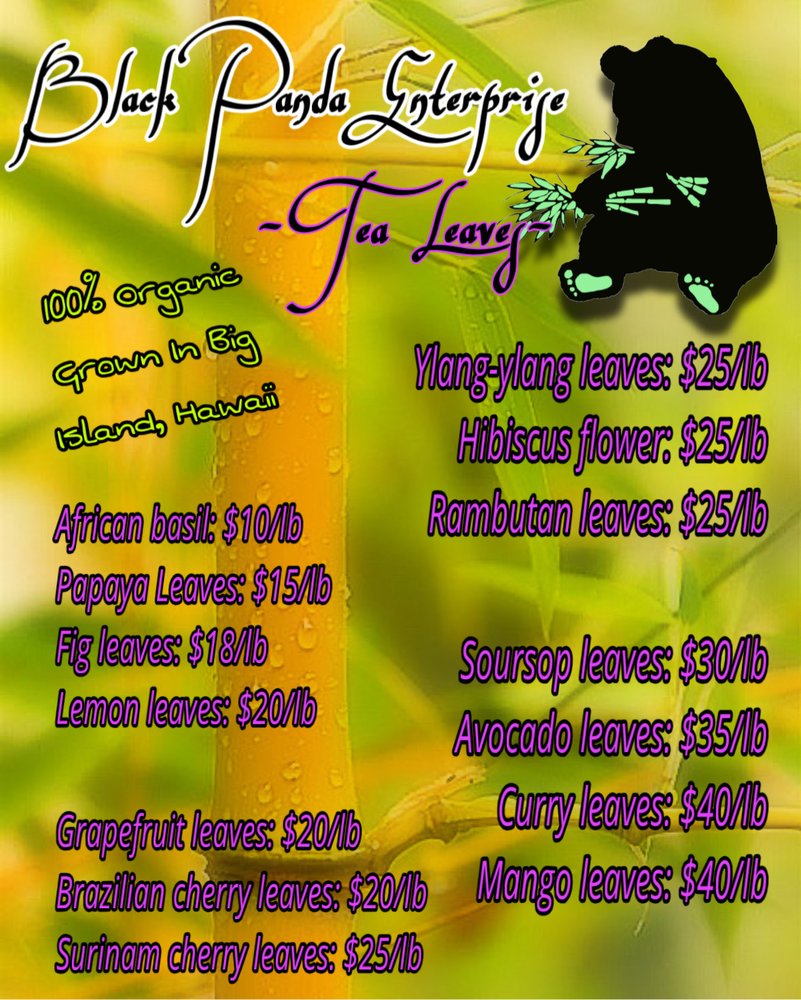
Explore popular things to do in the area, including 8I Health, Rufus Poet's Corner Marketplace, and Black Panda Enterprise.
| Name | Category | Distance | Reviews |
Ratings by
Yelp
|
|---|---|---|---|---|
| Dining | 3.4 miles | 0 reviews | 0/5 stars | |
| Dining · $$ | 3.43 miles | 5 reviews | 4.6/5 stars | |
| Dining | 3.47 miles | 0 reviews | 0/5 stars | |
| Dining | 3.55 miles | 0 reviews | 0/5 stars | |
| Dining | 3.57 miles | 35 reviews | 4.7/5 stars | |
| Dining | 3.58 miles | 0 reviews | 0/5 stars | |
| Dining | 3.58 miles | 5 reviews | 5/5 stars | |
| Dining | 3.58 miles | 2 reviews | 5/5 stars | |
| Dining · $ | 3.58 miles | 0 reviews | 0/5 stars | |
| Shopping | 3.57 miles | 0 reviews | 0/5 stars | |
| Active | 0.99 miles | 5 reviews | 5/5 stars | |
| Active | 2.65 miles | 39 reviews | 3.8/5 stars | |
| Active | 3.06 miles | 2 reviews | 5/5 stars | |
| Active | 3.53 miles | 0 reviews | 0/5 stars | |
| Active | 3.58 miles | 0 reviews | 0/5 stars | |
| Active | 3.58 miles | 0 reviews | 0/5 stars | |
| Active | 3.58 miles | 0 reviews | 0/5 stars | |
| Active | 3.58 miles | 2 reviews | 5/5 stars | |
| Active | 3.58 miles | 0 reviews | 0/5 stars | |
| Active | 3.58 miles | 0 reviews | 0/5 stars | |
| Beauty | 3.4 miles | 7 reviews | 5/5 stars | |
| Beauty | 3.57 miles | 0 reviews | 0/5 stars | |
| Beauty | 3.58 miles | 2 reviews | 5/5 stars | |
| Beauty | 3.58 miles | 0 reviews | 0/5 stars | |
|
|
||||
|
|
||||
|
|
||||
|
|
||||
|
|
||||
|
|
Puna has 5,854 households, with an average household size of 2.43. Data provided by the U.S. Census Bureau. Here’s what the people living in Puna do for work — and how long it takes them to get there. Data provided by the U.S. Census Bureau. 14,225 people call Puna home. The population density is 67 and the largest age group is Data provided by the U.S. Census Bureau.
Total Population
Population Density Population Density This is the number of people per square mile in a neighborhood.
Median Age
Men vs Women
Population by Age Group
0-9 Years
10-17 Years
18-24 Years
25-64 Years
65-74 Years
75+ Years
Education Level
Total Households
Average Household Size
Average individual Income
Households with Children
With Children:
Without Children:
Marital Status
Blue vs White Collar Workers
Blue Collar:
White Collar: