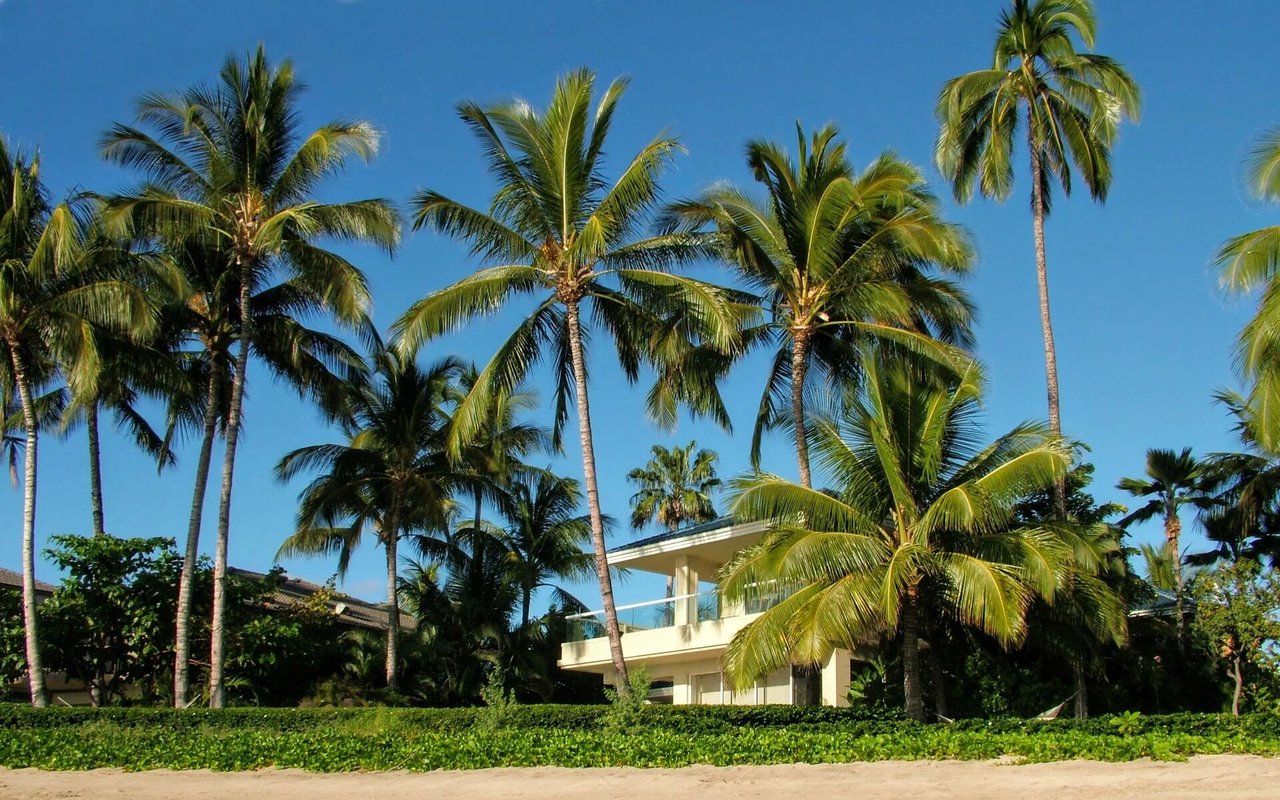
40,805 people live in Hawai'i (Big Island), where the median age is 43.2 and the average individual income is $45,490. Data provided by the U.S. Census Bureau.
Total Population
Median Age
Population Density Population Density This is the number of people per square mile in a neighborhood.
Average individual Income
Most people picture a single tropical postcard when they think of Hawai'i. The Island of Hawai'i — the "Big Island" — refuses that simplicity. It is larger than all the other Hawaiian islands combined, and it doesn't behave like a city with tidy suburbs. Instead, it's a collection of distinct districts, each with its own microclimate, economy, and personality, stitched together by volcanic highlands.
The mental model that serves buyers best is this: the island splits into a sunny, dry West (leeward) side and a lush, rainy East (windward) side, with cool volcanic uplands bridging the middle. The West gives you sunshine, resorts, and luxury real estate. The East gives you waterfalls, rainforest, and an authentically local pace of life. Where you land on that spectrum will shape your budget, your daily routine, and even how your home gets its water. This guide walks you through every decision point so you're choosing with clear eyes rather than chasing a brochure.
Geography here is destiny, so it's worth orienting before you fall in love with a listing.
The West Coast holds the Kona and Kohala districts. Kailua-Kona is the central hub — a historic seaside fishing town that's grown into the island's commercial and tourism heart, with Aliʻi Drive hugging the shoreline about fifteen minutes south of the Kona airport (KOA). Just north, the Kohala Coast is the luxury epicenter: master-planned resort communities like Waikoloa, Mauna Lani, and Mauna Kea carved into stark black lava, fronting the island's finest white-sand beaches.
Move inland and uphill and you reach Waimea (Kamuela), cowboy country at roughly 2,670 feet, home to Parker Ranch and rolling green pasture. Further north sit Hāwī and Kapaʻau, quiet plantation-era towns full of galleries that end dramatically at the Pololū Valley lookout.
The East Coast is anchored by Hilo, the oldest city in the state and the county seat, set on a crescent bay and drenched in over 120 inches of rain a year. North of Hilo, the Hāmākua Coast runs fifty miles of sea cliffs and old sugar towns. To the southeast lies Puna and misty Volcano Village, raw and independent country shaped by recent lava. And the vast, windswept Kaʻū district stretches down to Ka Lae — South Point — the southernmost spot in the United States.
The Big Island is a meteorological marvel. Because Mauna Kea and Mauna Loa block the trade winds, the island contains four of the world's five major climate zones and eight of thirteen sub-zones — everything from continuous rainforest to high desert to alpine tundra at the summits. A fifteen-minute drive can carry you from scorched lava field to jacket-weather mist.
For buyers, three patterns matter most. First, the windward-leeward split: Hilo and the East receive 120 to 130 inches of rain annually — gorgeously green, but a constant battle against mold and mildew — while Kona and Kohala may see as little as 10 to 20 inches, meaning guaranteed sun but real costs for cooling and irrigation. Second, the coveted "banana belt" on the Kona slopes between roughly 800 and 1,500 feet, high enough to escape shoreline heat and low enough to avoid chilly nights, which is exactly why it grows world-class coffee.
Third is vog — volcanic smog formed when sulfur dioxide from Kīlauea reacts with sunlight and moisture. Trade winds typically push it around the southern tip and trap it along the Kona Coast as an afternoon haze. Levels rise and fall entirely with volcanic activity: during active eruptions, sensitive individuals on the west side may notice hazy skies and eye or respiratory irritation; when the volcano quiets, it largely clears. It's not a dealbreaker for most, but it's an honest factor worth understanding before you commit to a west-side address.
This is the single most important concept that separates Big Island real estate from anywhere on the mainland. The USGS divides the island into nine Lava Flow Hazard Zones, where Zone 1 is highest risk and Zone 9 is lowest. These zones don't just describe scenery — they dictate whether you can get a mortgage, what insurance will cost, and your peace of mind.
Hazard Zone | Risk Level | Primary Areas | Mortgage & Insurance Impact |
|---|---|---|---|
Zone 1 | Extreme | Active rifts, parts of lower Puna (Leilani Estates) | Cash buyers only; standard insurance unavailable |
Zone 2 | High | Hawaiian Paradise Park, Pāhoa, Ocean View, parts of South Kona | Mortgages possible; relies on costly HPIA insurance |
Zone 3 | Moderate | Hilo, Kailua-Kona town, Kona slopes | Standard loans and insurance readily available |
Zones 4–9 | Low / None | Kohala resorts, Waimea, Hāmākua | Normal market conditions |
The practical takeaway is simple but crucial: a surprisingly cheap home almost always sits in Zone 1 or 2. Zone 3 — which includes both Hilo and Kailua-Kona — is the comfort baseline where conventional financing and normal insurance work as you'd expect. Before you write any offer, your first two phone calls should be to confirm the lava zone and to get an insurance quote from a local broker. That fifteen-minute step has saved many buyers from an unfinanceable property.
On the mainland, water is something you take for granted. Here, it's a question you ask about every listing. You'll encounter two systems.
County municipal water is the conventional, metered, treated supply found in resort communities, the major towns, and established subdivisions near main highways. Watch for the phrase "County Water Available," though — it often means the line is nearby but not connected, and hookup can cost several thousand dollars out of your pocket.
Rainwater catchment is standard for tens of thousands of rural homes in Puna, Kaʻū, South Kona, and parts of Upcountry. Rain runs off the roof, through gutters and a screen, into a large holding tank, then through a pump and filters into the house. The reality is that you become your own water utility: catchment water isn't potable by default, so a working filtration setup — typically a sediment filter, carbon block, and a UV sterilizer — is essential, and lenders frequently require that UV light to be operational before they'll finance. You'll monitor levels, clean gutters, change filters, and during dry spells you may need to pay a hauler a few hundred dollars to truck in water. Thousands of residents live this way happily, but it's a lifestyle choice you should make on purpose.
This is currently the most consequential financial and legal issue in Big Island real estate. The island has more cesspools — roughly 50,000 — than any other Hawaiian island, and because volcanic rock is so porous, that untreated effluent reaches groundwater and the ocean easily. In response, state law mandates that all cesspools be upgraded to septic or sewer by January 1, 2050.
What that means at the closing table is real money. Because contractors often have to dig or even blast through hard basalt, converting a cesspool to septic commonly runs $15,000 to $40,000 or more. True municipal sewer is rare, limited mostly to central Hilo, parts of downtown Kona, and private resort plants — so septic is the modern standard for rural and suburban homes.
When you review the Seller's Real Property Disclosure (SRPD), read the wastewater section closely. Three things deserve special attention: the state has repeatedly debated bills requiring upgrades within a year of a sale, so a remaining cesspool is a legitimate negotiation point; certain loans (VA and FHA especially) impose strict distance rules between a cesspool or leach field and a catchment tank, and a too-tight lot can sink the loan until it's remedied; and properties near the shoreline face the most immediate pressure to convert. The advice I give clients: if you love a home with catchment and a cesspool, don't necessarily walk — just bake that future $20,000-plus conversion directly into your offer.
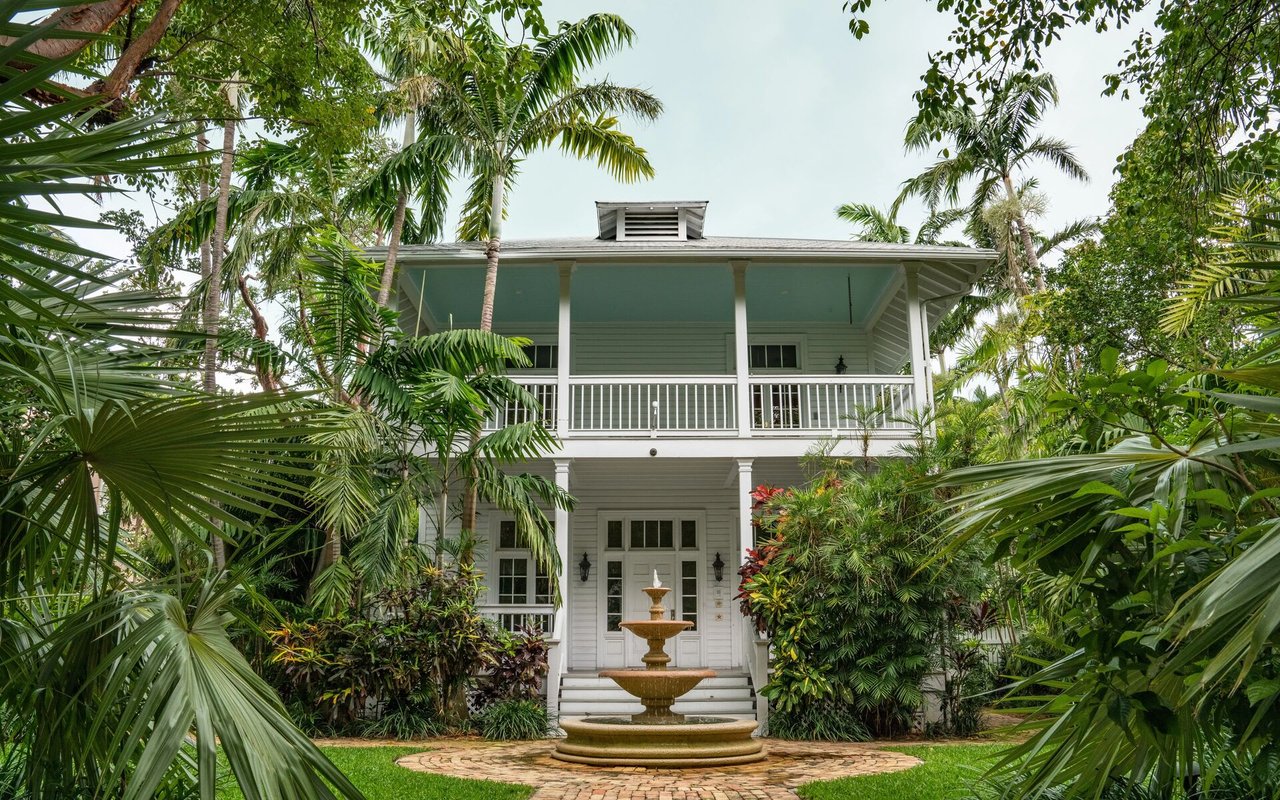
The architecture mirrors the microclimates. On the rainy East Side and in older agricultural towns, you'll find plantation-style homes — single-wall construction, post-and-pier foundations raised off the damp ground, corrugated metal roofs, and deep lānais built to catch cross-breezes. They're full of historic charm, though older single-wall models can be harder to insure or modify.
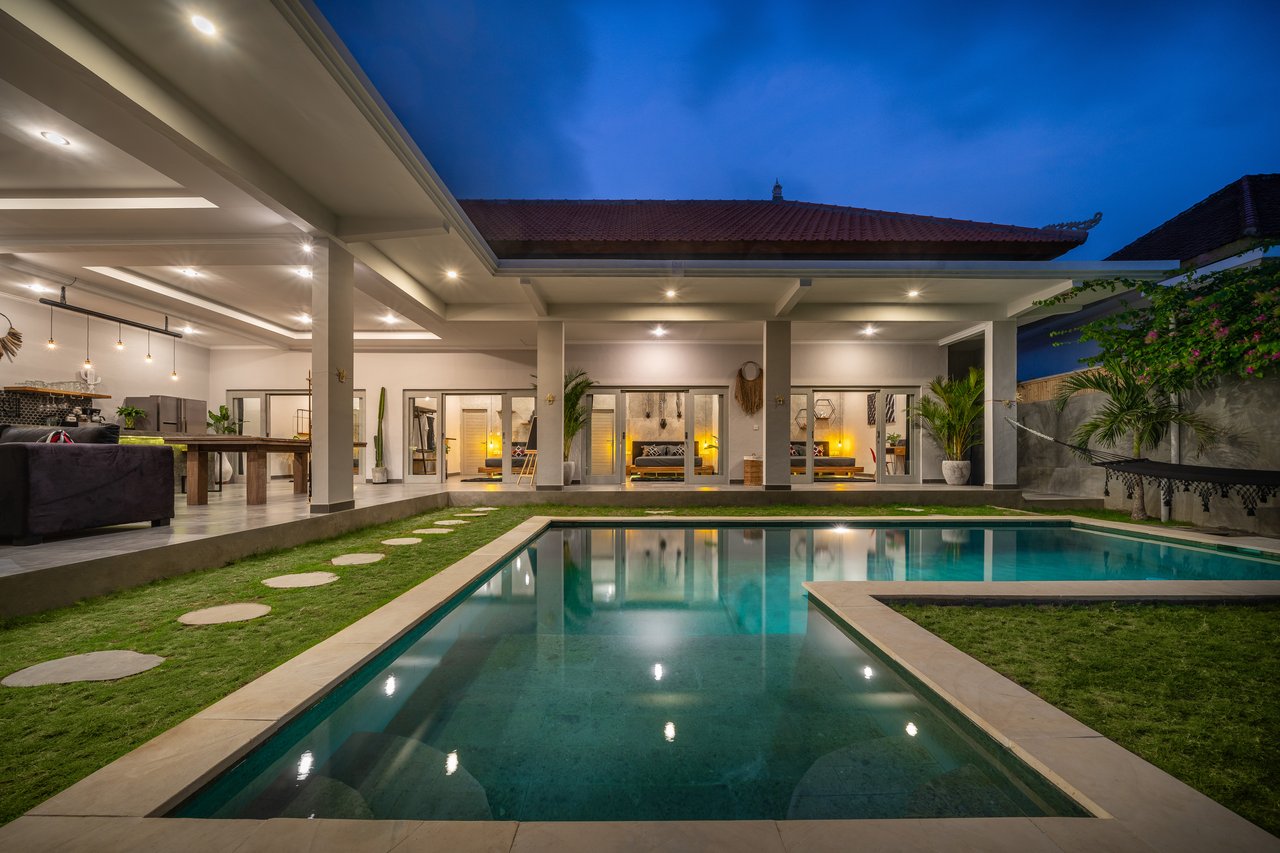
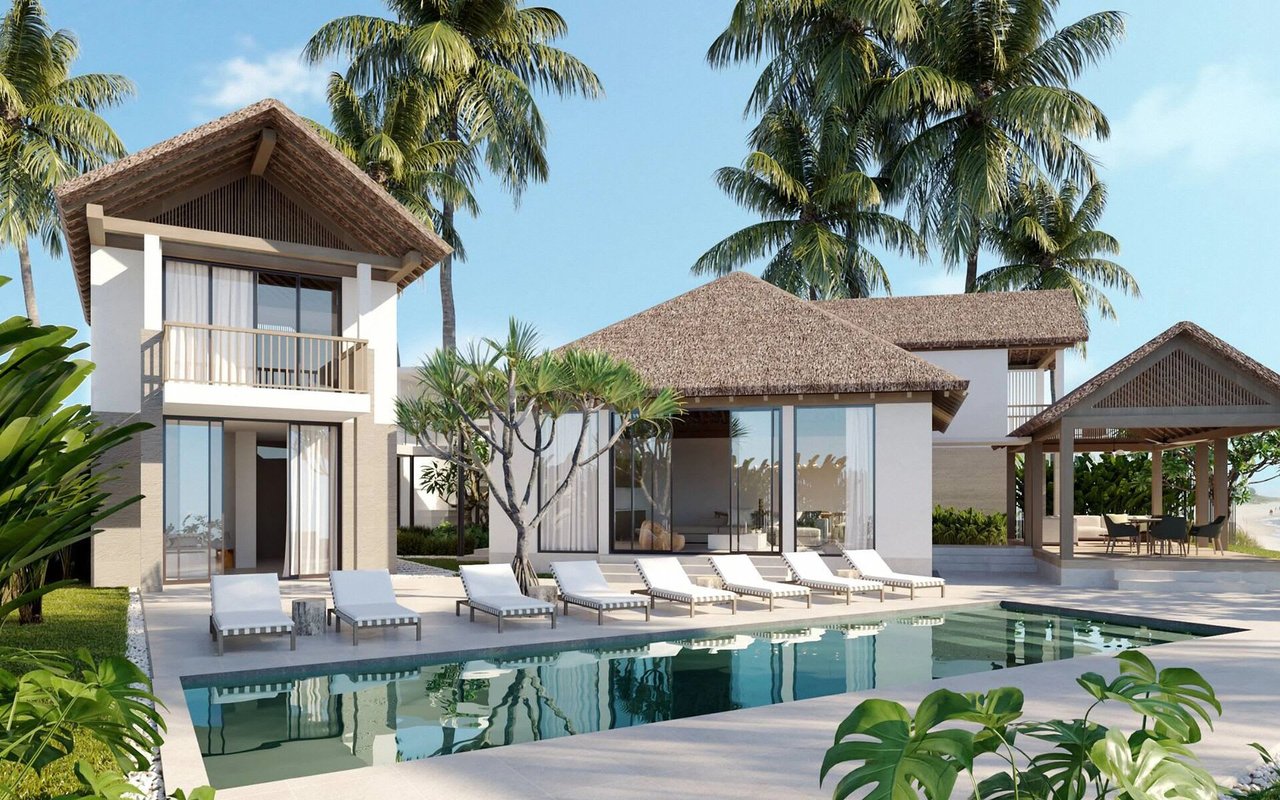
In upscale Kona, Holualoa, and the lower Kohala Coast, pod-style and mid-century tropical homes connect detached living spaces with covered walkways and pocket glass doors that dissolve the line between indoors and out, cooling naturally on the trade winds. Along the gated Kohala resort corridor — Kūkiʻo, Hualālai, Mauna Lani — modern resort luxury dominates: sleek timber-and-stone builds with infinity pools, engineered to shrug off salt air and intense UV. And in lower Puna and Ocean View, you'll see off-grid cabins, domes, and container homes running on solar and catchment, built by people who prize independence over convenience.
Compared with Oʻahu and Maui, the Big Island remains the most attainable market in the state — but it's highly segmented, and the frantic sight-unseen bidding of the pandemic boom has given way to a more deliberate market where buyers scrutinize infrastructure and lava zones carefully. Well-priced, turnkey homes in prime spots still sell in under thirty days; anything needing work or sitting in a high-risk zone lingers.
Region | Typical Range | Character |
|---|---|---|
Puna & Kaʻū | $250,000 – $450,000 | Most affordable in the state; Zones 1–2, often catchment and cesspool |
Hilo & East Side | $500,000 – $750,000 | Localized, non-resort; median around $550K–$590K, usually county water |
Kailua-Kona & Waimea | $850,000 – $1.5M | Median single-family near $1.1M; sun, views, top schools drive demand |
Kohala Resort Corridor | $3M – $20M+ | Gated estates with significant HOA dues and elite amenities |
The honest framing I offer buyers is that the cheapest tier carries the heaviest hidden costs — high insurance or cash-only terms, off-grid systems, future conversion expenses — while the premium west-side and Upcountry tiers buy you financing normalcy and infrastructure you don't have to think about. Neither is "better"; they simply ask different things of you.
Life here runs on a daylight schedule. Hawai'i doesn't observe Daylight Saving Time, so sunrise and sunset stay remarkably consistent — roughly 6:00 a.m. to 7:00 p.m. year-round. People surf, hike, and shop early, and outside a few Kona spots the island quiets down by 9:00 p.m.
The island's scale also reshapes errands. If you live in Puna, Kaʻū, or North Kohala, a Costco or hospital run is "going to town" — frequently a 45-to-90-minute drive each way, with gas and vehicle wear as standing budget lines. Cost of living runs high overall: Hawai'i has the nation's highest electricity rates, which is why solar is so common, and grocery staples can cost roughly double the mainland even as local farmers' markets offer excellent, affordable produce and grass-fed beef. Underpinning all of it is culture. Embracing the Aloha Spirit isn't a slogan; it's a daily expectation — driving courteously, never rushing service workers, and respecting the deep indigenous history of the ʻĀina you now call home.
Hawai'i runs a single statewide public school district, so funding isn't tied to local property taxes the way mainland buyers expect. Quality varies by region, which sends many families toward charter and private options.
Among public high schools, Waiakea High in Hilo consistently ranks near the top on the East Side, while Kealakehe High in Kona anchors the West Side with an International Baccalaureate program. The island also has a strong, competitive network of tuition-free public charter schools — Innovations and West Hawaii Explorations Academy in Kona, and Kanu o ka ʻĀina in Waimea — that admit by lottery. For college-prep families, Waimea is the educational capital, home to the world-renowned Hawaiʻi Preparatory Academy and the well-regarded Parker School, with Kamehameha Schools on the East Side serving children of Hawaiian ancestry at deeply subsidized tuition. Higher education centers on the University of Hawaiʻi at Hilo, known for astronomy, marine biology, and volcanology programs that draw directly on the island itself.
The food scene splits along the same coastal lines as everything else. The West Side is the capital of high-end and farm-to-table dining — Merriman's in Waimea pioneered Hawai'i Regional Cuisine, and resort destinations like CanoeHouse at Mauna Lani showcase hyper-local sourcing — while Kona Brewing Co. keeps things casual. For practical needs, the big-box conveniences (Costco, Target, Home Depot) cluster inland of the Kona airport, and the open-air Kings' Shops and Queens' MarketPlace in Waikoloa cover upscale retail.
The East Side and Upcountry lean into comfort food, historic bakeries, and authentic local plates, with Hilo's downtown anchored by the genuinely excellent Hilo Farmers Market — the place for cheap tropical produce, fresh fish, and handmade crafts. The pattern to remember when choosing a home: the West buys you polish and resort amenities, the East buys you roots and value.
This is where the Big Island simply outclasses everywhere else. You can stand in snow on a summit and snorkel a reef the same afternoon. Hawaiʻi Volcanoes National Park lets you hike across crater floors and through fern-draped lava tubes, with active glow when Kīlauea erupts. Mauna Kea rises 13,796 feet — and more than 33,000 feet from the ocean floor, making it the tallest mountain on Earth base to peak — with world-class observatories at the summit and unforgettable stargazing from the 9,200-foot visitor station.
The ocean is just as rich. The Kona Coast hosts the globally famous manta ray night dives, and the beaches come in a full spectrum: the flawless white sand of Hāpuna on the Kohala Coast, the black sand and basking sea turtles of Punaluʻu in Kaʻū, and the rare green-sand Papakōlea near South Point, one of only a handful on the planet. To the north, the emerald sea cliffs of Waipiʻo and Pololū plunge into black-sand shorelines, while Hilo's windward rains feed accessible waterfalls like Rainbow Falls and the 442-foot Akaka Falls.
With just over 200,000 residents spread across 4,000 square miles, the island has a small-town feel despite its vast footprint — people tend to know one another. The cultural foundation is Native Hawaiian heritage layered with the descendants of Japanese, Filipino, Portuguese, and Chinese plantation-era workers, a community that values ʻOhana, respect for Kūpuna, and connection to the land.
Transplants sort themselves by coast. The West Side draws affluent retirees, remote workers, and fitness-minded entrepreneurs; Waimea attracts ranchers, equestrians, and families chasing the private schools; the East Side and Puna pull an eclectic mix of scientists, artists, farmers, and off-grid homesteaders. One honest note for newcomers: because so many mainlanders move here and leave within three to five years, locals can be slow to invest in friendships until they see you're genuinely committed to staying. The warmth is real — it's just earned.
You'll likely thrive here if you crave raw nature over nightlife, if you're patient enough to smile at "Island Time" and a long drive for groceries, if you genuinely want a simpler and more outdoor-centered life, and if managing your own water filtration or planning a future septic conversion sounds like an adventure rather than a burden.
You may want to reconsider if you depend on highly specialized healthcare — the island has a chronic shortage of medical specialists, and serious cases often mean flying to Honolulu or the mainland. The same caution applies if you can't coexist with bugs and humidity, if your career needs a traditional corporate ladder outside hospitality, agriculture, real estate, or government, or if you're prone to island fever and need regular city escapes. The Big Island rewards resourcefulness and penalizes the expectation of mainland convenience. Going in clear-eyed is the difference between a dream and a disappointment.
Choosing where to live on the Big Island is rarely a simple decision — lava zones, water systems, cesspool timelines, and hyper-local weather all factor into a purchase in ways they never would on the mainland. That's exactly where local expertise earns its keep. At Hawai'i Estates, LLC, led by Principal Broker Kendra Powell and Broker in Charge Doug Powell, we pride ourselves on informing and educating our clients so they can make better, more confident real estate decisions across Kailua-Kona, South Kona, Puna, and island-wide. If you're weighing a move or an investment here, reach out — we'd be glad to walk you through the specifics of any neighborhood, listing, or zone, and help you find the place that genuinely fits your life. Contact us today at hawaiiestates.com to start the conversation.
There's plenty to do around Hawai'i (Big Island), including shopping, dining, nightlife, parks, and more. Data provided by Walk Score and Yelp.
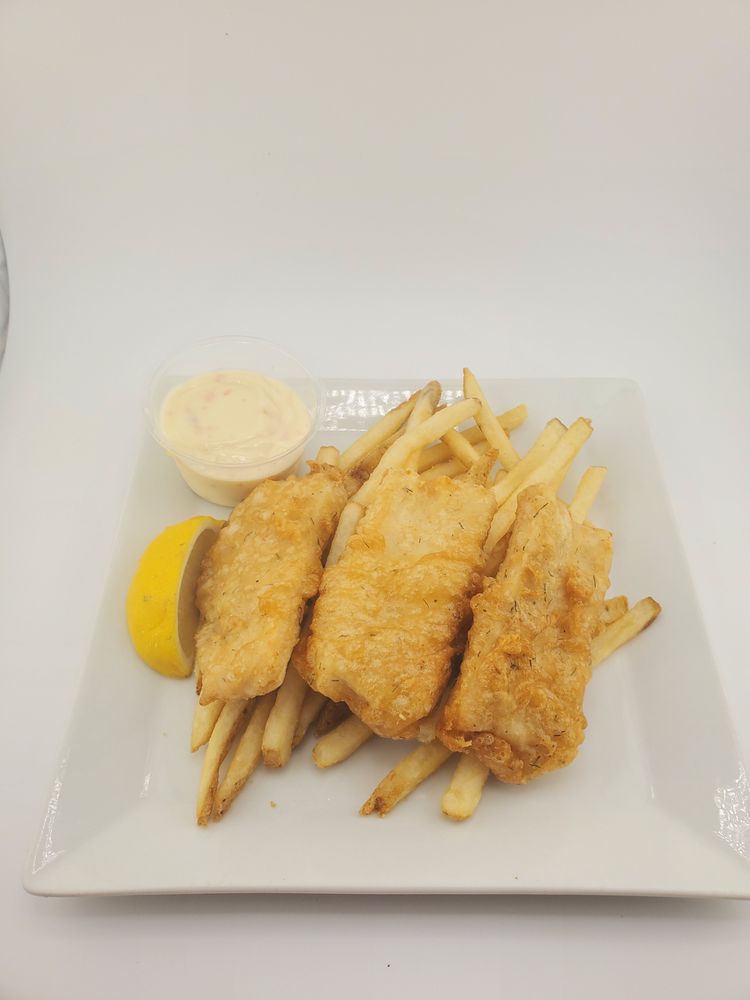
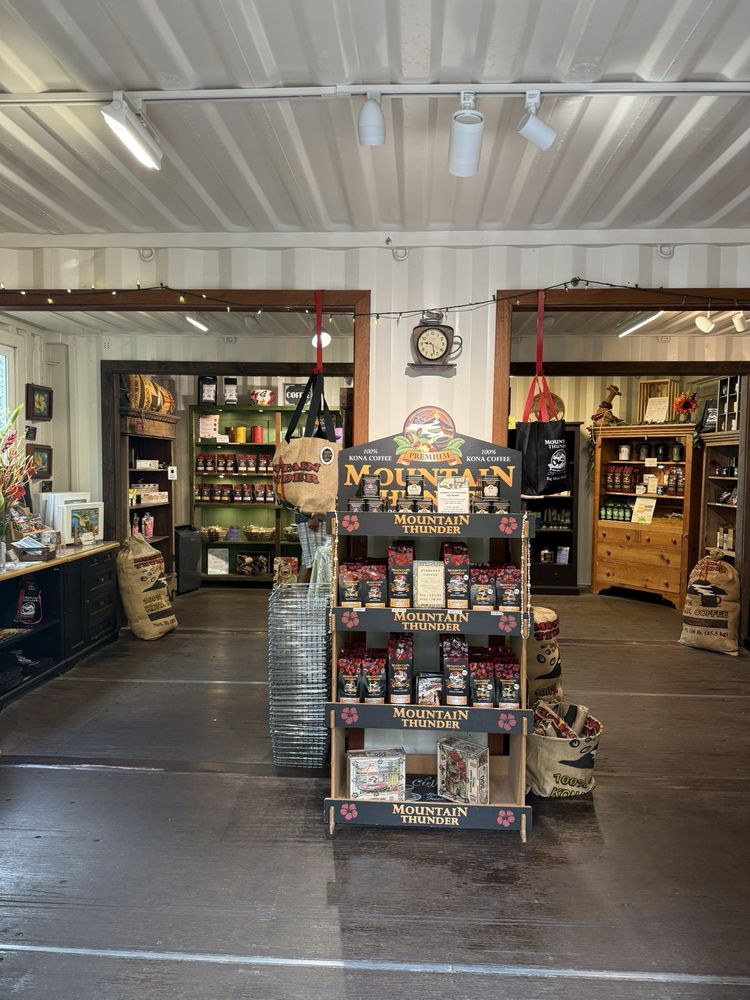
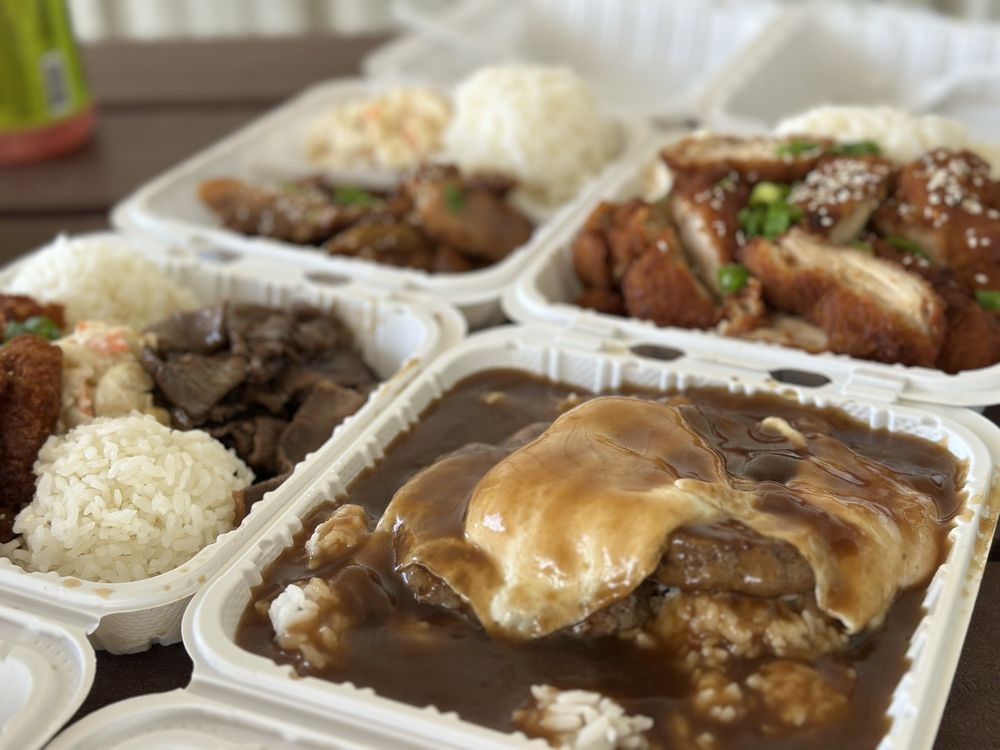
Explore popular things to do in the area, including Wilson’s Food Truck, Mountain Thunder Coffee Plantation, and I'O Processing Company.
| Name | Category | Distance | Reviews |
Ratings by
Yelp
|
|---|---|---|---|---|
| Dining | 0.59 miles | 5 reviews | 4.6/5 stars | |
| Dining · $$ | 3.61 miles | 490 reviews | 4.5/5 stars | |
| Dining | 4.14 miles | 0 reviews | 0/5 stars | |
| Dining | 4.33 miles | 5 reviews | 4.8/5 stars | |
| Dining · $ | 4.77 miles | 61 reviews | 4/5 stars | |
| Dining · $ | 4.82 miles | 45 reviews | 4.2/5 stars | |
| Active | 3.15 miles | 126 reviews | 4.8/5 stars | |
| Active | 4.07 miles | 77 reviews | 3.7/5 stars | |
| Active | 4.49 miles | 6 reviews | 3.5/5 stars | |
| Active | 4.58 miles | 5 reviews | 5/5 stars | |
| Active | 4.75 miles | 0 reviews | 0/5 stars | |
| Active | 4.83 miles | 0 reviews | 0/5 stars | |
| Active | 4.92 miles | 0 reviews | 0/5 stars | |
| Beauty | 3.89 miles | 14 reviews | 3.9/5 stars | |
| Beauty | 4.44 miles | 0 reviews | 0/5 stars | |
| Beauty | 4.55 miles | 3 reviews | 5/5 stars | |
|
|
||||
|
|
||||
|
|
||||
|
|
||||
|
|
||||
|
|
Hawai'i (Big Island) has 14,149 households, with an average household size of 2.86. Data provided by the U.S. Census Bureau. Here’s what the people living in Hawai'i (Big Island) do for work — and how long it takes them to get there. Data provided by the U.S. Census Bureau. 40,805 people call Hawai'i (Big Island) home. The population density is 168 and the largest age group is Data provided by the U.S. Census Bureau.
Total Population
Population Density Population Density This is the number of people per square mile in a neighborhood.
Median Age
Men vs Women
Population by Age Group
0-9 Years
10-17 Years
18-24 Years
25-64 Years
65-74 Years
75+ Years
Education Level
Total Households
Average Household Size
Average individual Income
Households with Children
With Children:
Without Children:
Marital Status
Blue vs White Collar Workers
Blue Collar:
White Collar: