Trying to decide between a resort-style condo and an in-town Kailua Kona condo? You are not alone. The right choice comes down to how you plan to live, what you want included in your monthly costs, and whether you hope to rent the unit short term. In this guide, you will learn how HOA fees differ, what amenities you can expect, how short-term rental rules and taxes work, and which option fits common buyer goals. Let’s dive in.
Resort vs in-town: the snapshot
What “resort” usually means
Resort-style condos in Kailua Kona tend to sit on or near the ocean and offer hotel-like conveniences. You will often find multiple pools and spas, BBQ areas, gated entry, security, and on-site or nearby rental management. These features are great for low-maintenance living and for owners who want a turnkey short-term rental. Higher staffing and amenities usually show up as higher HOA dues.
What “in-town” usually means
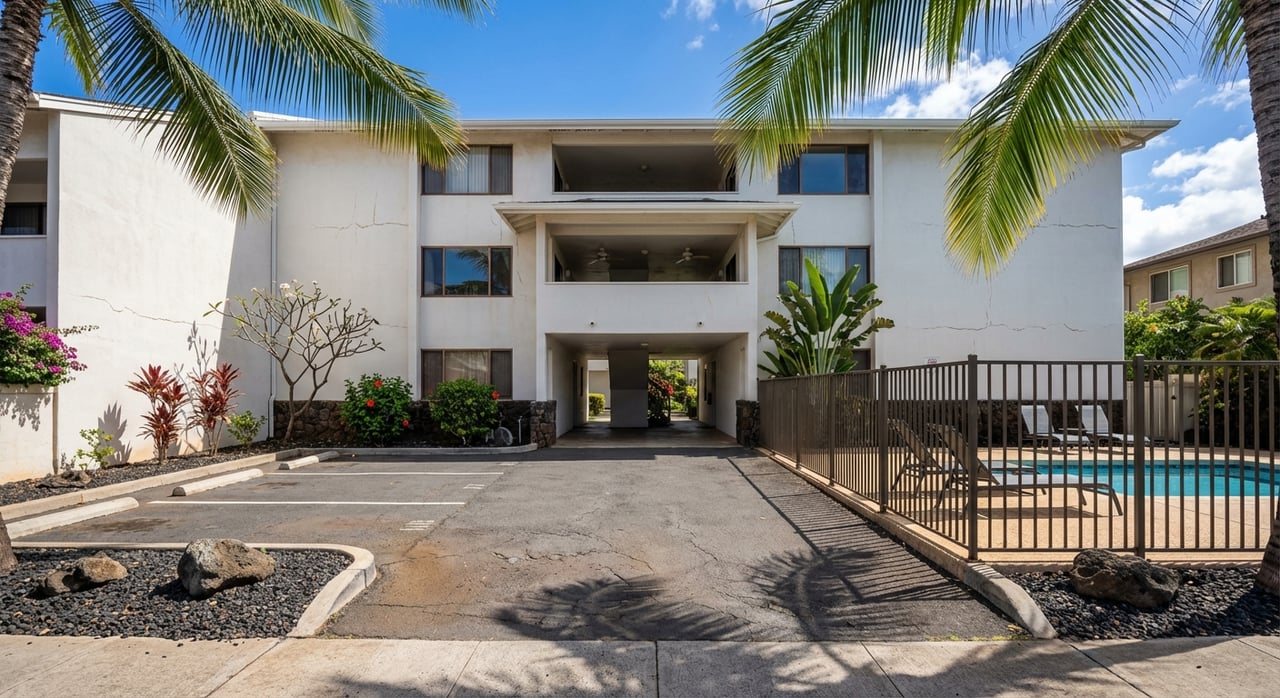
In-town Kailua Village and Aliʻi Drive condos put you near shops, restaurants, the pier, and everyday services. Walkability is a big draw. Amenities are often simpler than resort properties, and some associations aim for more full-time residents and longer lease terms. Street activity can bring some noise, but day-to-day errands can be easier and monthly dues may be lower in certain buildings.
HOA fees: ranges and inclusions
HOA dues in Kailua Kona vary by location, age of the building, and amenity level. As of early 2026, many modest in-town buildings show monthly dues in the several-hundred-dollar range, with a common band around 600 to 1,200 dollars for walkable, mid-amenity projects. Oceanfront and resort properties with multiple pools, security, and broad services often start around 1,000 dollars per month and can extend into the 1,500 to 2,500-plus range in higher-service complexes. Always confirm the current figure for the specific unit you are considering.
What dues often include: common-area maintenance, landscaping, pool and spa upkeep, building insurance, exterior maintenance, elevators where applicable, and sometimes water, trash, cable, and internet. In a few complexes, even air conditioning is covered. Inclusions differ by association, so request the current budget, CC&Rs, and the latest reserve study before you commit.
Lifestyle tradeoffs you will feel
- Noise and seasonality: Resort areas see higher guest turnover and busier peak seasons. In-town buildings can have street noise, but resident populations may be steadier.
- Walkability and errands: In-town living helps with grocery runs, dining, and community events. Resorts lean into on-site relaxation and recreation.
- Maintenance and costs: Resort AOAOs handle more for you, which can mean higher dues. In-town ownership may require hiring your own vendors for some services, often with lower monthly dues in certain projects.
- Community rhythm: Resorts feel like vacation hubs. In-town buildings can feel more neighborhood-oriented, depending on the association’s rental policies.
Short-term rentals and taxes: what to verify
Short-term rental rules in Hawaiʻi are specific and enforced. You must check both county permitting and state tax registration before relying on rental income.
County permits and zoning
Hawaiʻi County requires Short-Term Vacation Rental registration and defines where they are allowed. Some properties outside allowed zones operate with Non-Conforming Use Certificates that must be renewed. Private condo rules do not get overridden by county registration, so your AOAO may still limit or prohibit short stays. Always verify a unit’s TMK and permit status on Hawaiʻi County’s STVR registration and rules, and request the association’s written rental policy.
State taxes and display rules
Short-term stays of less than 180 days are subject to Hawaiʻi’s Transient Accommodations Tax (TAT) and General Excise Tax (GET). Owners must register, display tax IDs as required in ads, and file returns as outlined in the state guidance for renting residential property. A 2025 law known as Act 96 increased the state TAT rate by 0.75 percentage points to 11 percent effective January 1, 2026. See Kiplinger’s summary of Act 96, and always confirm the current rate at the time you price rentals. Counties commonly add their own TAT surcharges, often around 3 percent.
Which option fits your goals?
Retiree seeking low maintenance
If you want ocean views, on-site amenities, and minimal chores, a resort complex can be a strong fit. The higher dues support the services you value. If rental income matters, focus on buildings that allow and are set up for short-term rentals, then verify permits and AOAO rules.
Second home with rental potential
If you plan to use the condo part-time and rent it when you are away, resort or condo-hotel style properties can simplify management and marketing. Confirm zoning, county STVR registration, AOAO rental minimums, and tax registrations before you count on income.
Full-time local or long-stay resident
If you want walkability, community rhythm, and practical monthly costs, in-town buildings often deliver. Look for associations with longer minimum lease terms, a track record of solid reserves, and clear inclusion lists for utilities and services.
Financing, tenure, and insurance
Leasehold vs fee simple
Some Big Island condos are leasehold, meaning you lease the land rather than own it. Ground rent, escalations, and lease expiration dates affect value, financing, and resale. Fee simple means you own the unit and the land interest. Always confirm land tenure in the MLS notes and deed, and read any lease terms closely.
Lender and insurance considerations
Lenders can underwrite properties that allow short-term rentals differently than primarily owner-occupied buildings. Ask a lender who regularly finances Big Island condos about treatment of rental income and condo-hotel designations. For insurance, request the AOAO’s master policy declarations to understand deductibles and covered perils, then size your HO-6 and loss-assessment coverage accordingly. Oceanfront buildings may require additional coverage based on exposure.
Due diligence checklist
Before you make an offer, gather these items:
- HOA resale packet: CC&Rs, bylaws, house rules, current budget, year-to-date financials, latest reserve study, insurance declarations, and the last 12–24 months of meeting minutes, plus any pending litigation and owner-occupancy vs rental ratios.
- STVR status: Verify the property’s TMK and any permit or Non-Conforming Use Certificate on Hawaiʻi County’s STVR page. Match any advertised permit number to the county record.
- Tax registration: Confirm the seller or operator’s GET and TAT IDs and follow the state rental guidance for display and filings.
- HOA inclusions: Get a line-item list of what dues cover, and confirm which utilities are separately metered.
- Land tenure: Verify fee simple or leasehold and read ground lease terms if applicable.
- Insurance: Review the AOAO’s master policy and set your HO-6 and loss-assessment limits.
- Property management: If rental income is part of your plan, request the management contract, the last 12 months of statements, and occupancy data.
Popular areas and complexes to explore
- Aliʻi Drive and Kailua Village: Examples include Kona Alii, Kona Makai, Kona Pacific, Kona Reef, and Kona Bali Kai. Walkability is the headline, with varied rental policies by AOAO.
- Keauhou and south of town: Examples include Kanaloa at Kona and Keauhou Surf & Racquet Club. Expect larger grounds and more resort-style amenities. Always confirm each association’s rental rules and dues.
Your next step
Choosing between resort and in-town living in Kailua Kona is about matching your day-to-day lifestyle with the true cost of ownership and the rules that shape rental potential. If you want help comparing specific buildings, reviewing HOA budgets and reserve studies, and verifying STVR and tax details, reach out to the local team that blends neighborhood knowledge with construction-savvy insight. Connect with Hawai'i Estates to map your options and move forward with confidence.
FAQs
What are typical Kailua Kona condo HOA fees?
- Many mid-amenity in-town buildings run about 600 to 1,200 dollars per month, while higher-service oceanfront resorts often start near 1,000 dollars and can reach 1,500 to 2,500-plus; always confirm current dues for the specific unit.
How do I confirm a Kailua Kona condo allows short-term rentals?
- Check the unit’s TMK and permit on the Hawaiʻi County STVR registry and review the AOAO’s CC&Rs and rental policy, since private rules can be more restrictive than zoning.
What taxes apply if I rent my Hawaii condo for short stays?
- Short stays under 180 days generally require GET and TAT registrations and filings per state guidance, with the state TAT set to 11 percent starting January 1, 2026, plus a county TAT surcharge; confirm current rates before pricing.
What is the difference between fee simple and leasehold condos in Hawaii?
- Fee simple means you own the unit and land interest; leasehold means you pay ground rent and face lease terms that affect financing and resale, so review the ground lease, escalations, and expiration.
Is a resort condo quieter than an in-town condo in Kailua Kona?
- Resorts can feel busier in peak seasons due to guest turnover, while in-town buildings may have street noise but steadier resident patterns; visit at different times to judge the rhythm you prefer.
What documents should I review before buying a Kailua Kona condo?
- Request the HOA resale packet, reserve study, insurance declarations, STVR permit or NUC if applicable, GET and TAT registrations, and any property management contracts and rental statements if income is part of your plan.