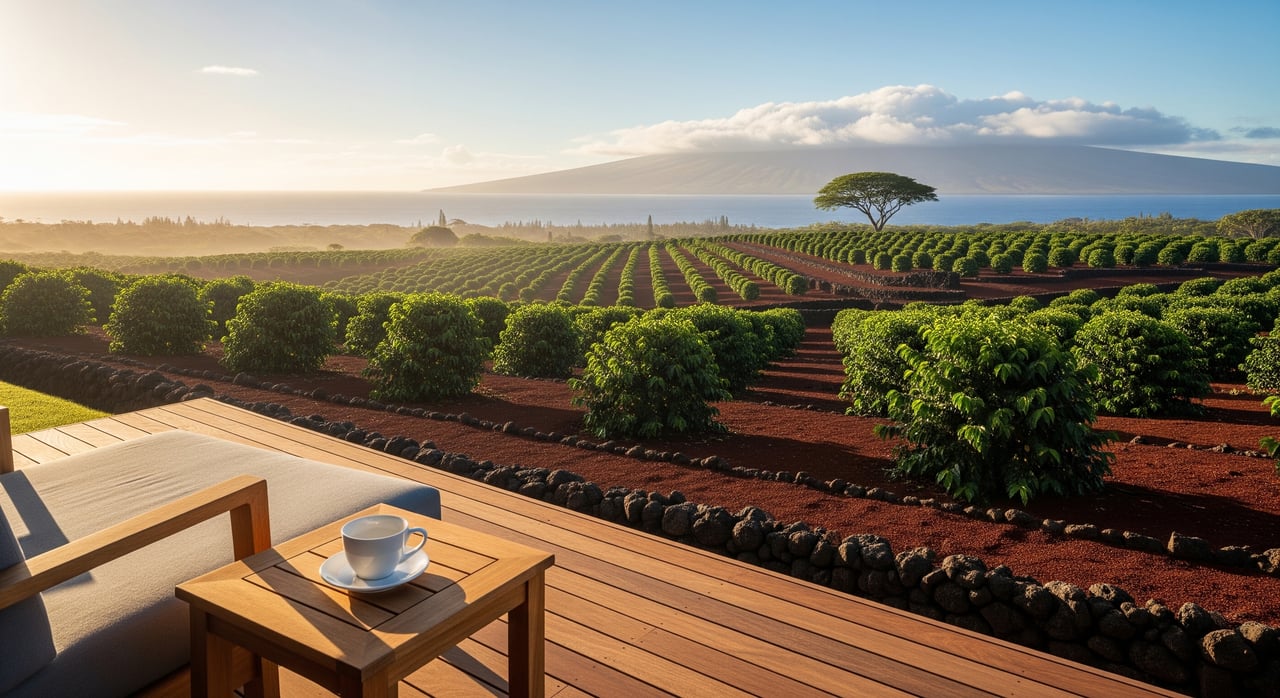
Imagine waking to cool mauka air and the scent of coffee blossoms while the ocean glows below. Living among South Kona’s coffee farms offers a rare blend of rural beauty and hands-on lifestyle, but it comes with real responsibilities. If you’re weighing a move uphill, you deserve a clear picture of property types, utilities, zoning basics, and the day-to-day realities of farm-adjacent life. This guide walks you through what to know so you can choose with confidence. Let’s dive in.
South Kona’s coffee belt setting
Mauka microclimates matter
South Kona’s mauka neighborhoods sit on the leeward slopes with warm days, cooler nights, and variable rainfall. Elevation, slope, and wind exposure can shift temperature and humidity over short distances. Those micro-differences shape coffee quality and pest pressure, so expect variability from one ridge to the next.
Rural access and services
Mauka areas feel distinctly rural with low-density living. Roads are often narrow and winding, and some are private or partially unpaved. Grocery, medical, schools, and work commutes depend on your distance downhill to main roads and town services.
Properties and home types
Lot sizes and terrain
Small coffee properties often range from 1 to 10 acres, with many hobby or smallholder operations on 1 to 5 acres. Parcels can include steep slopes, lava rock, and gulches, which reduce usable acreage. The lot size on title may not equal plantable or buildable area.
Homes and farm structures
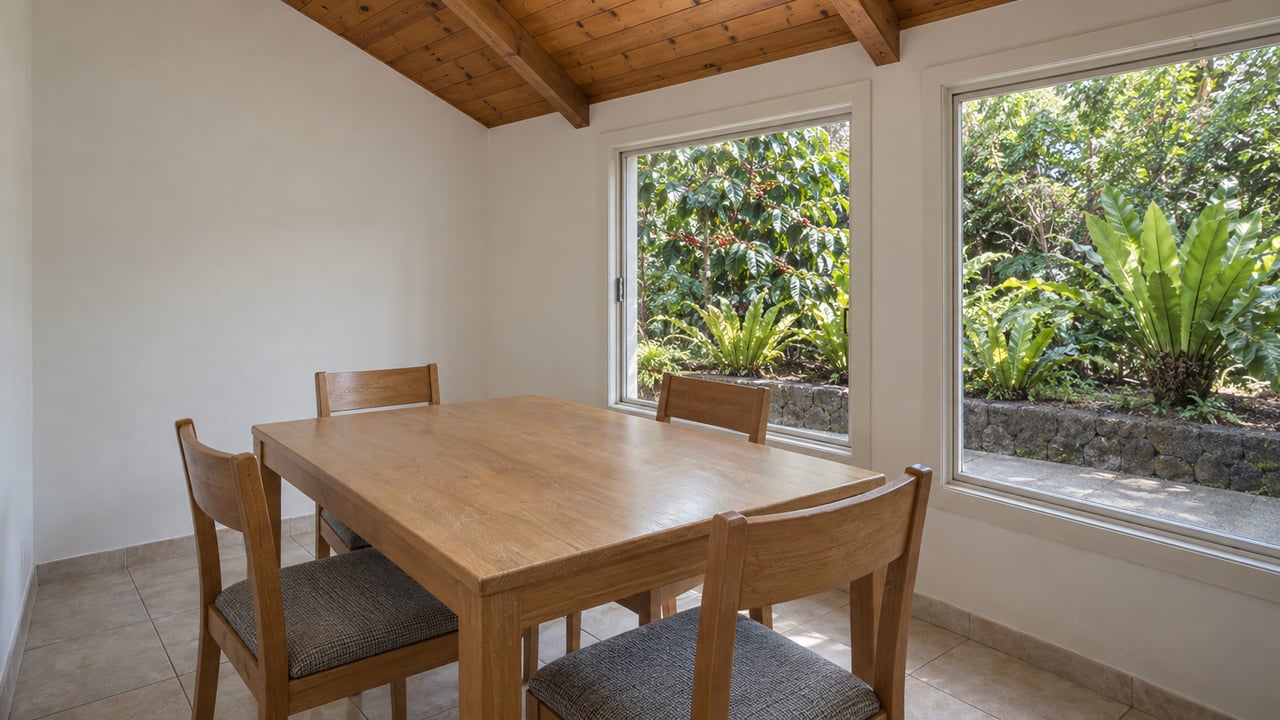
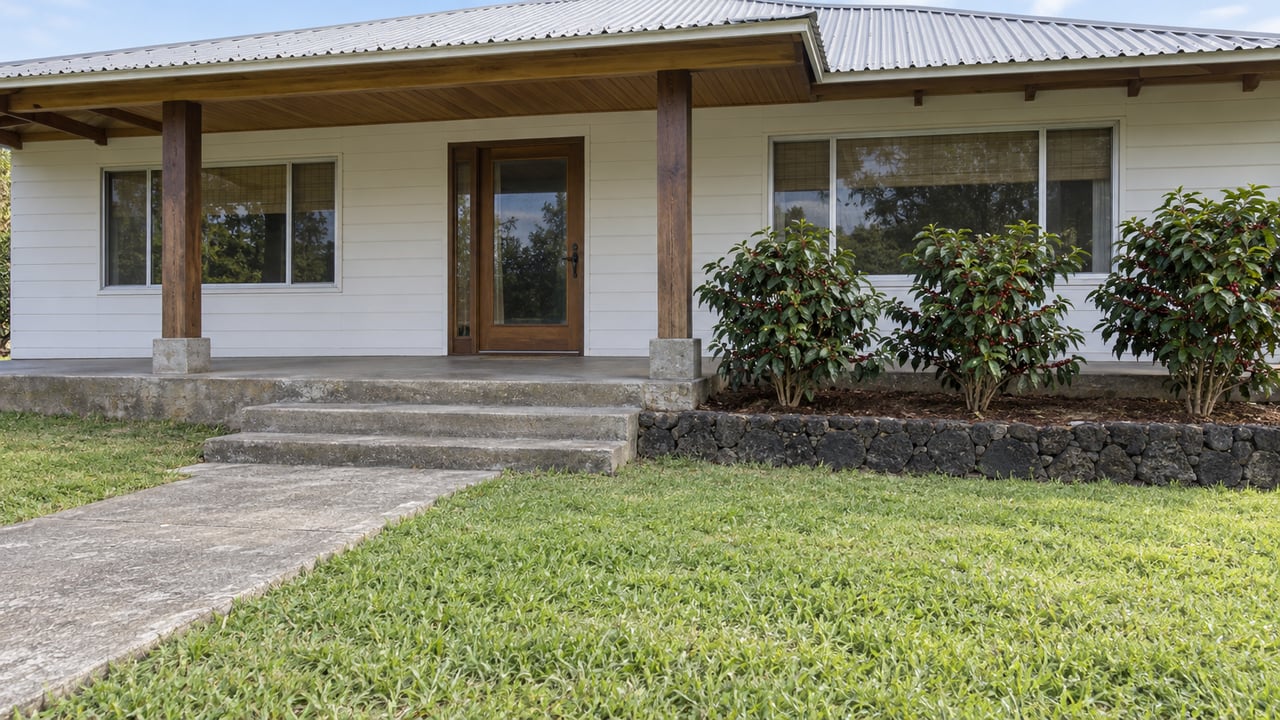
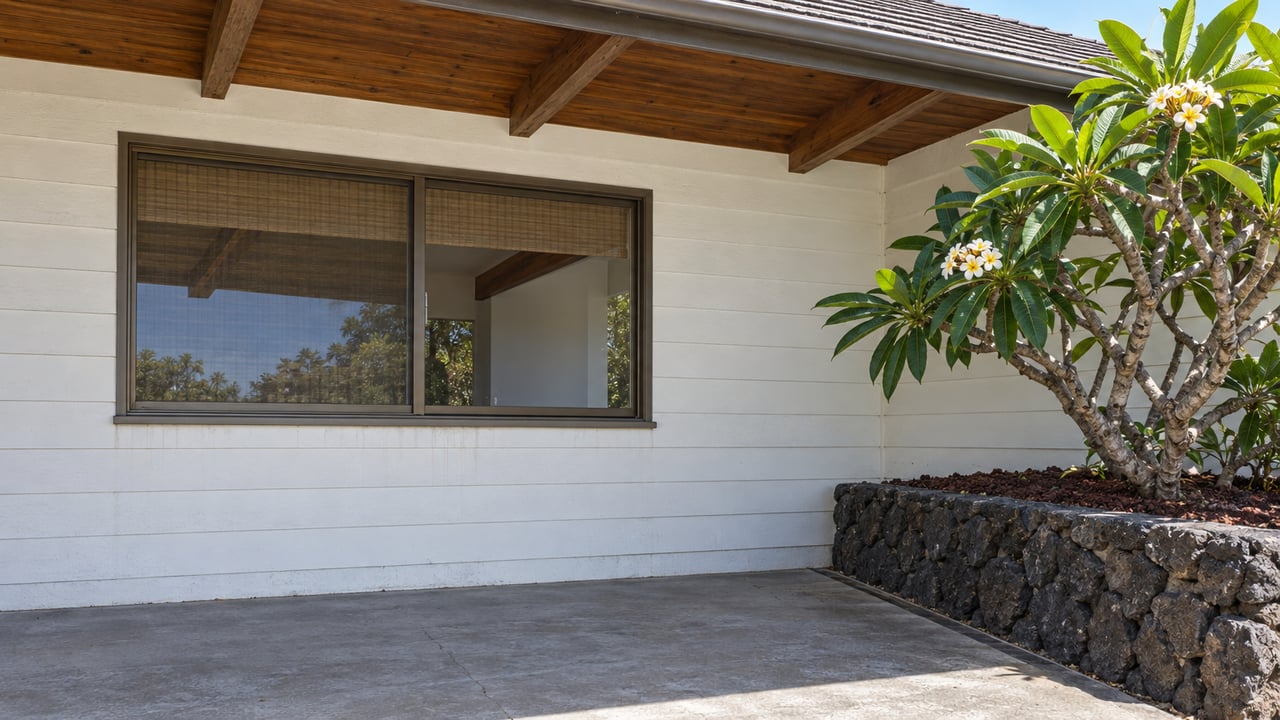
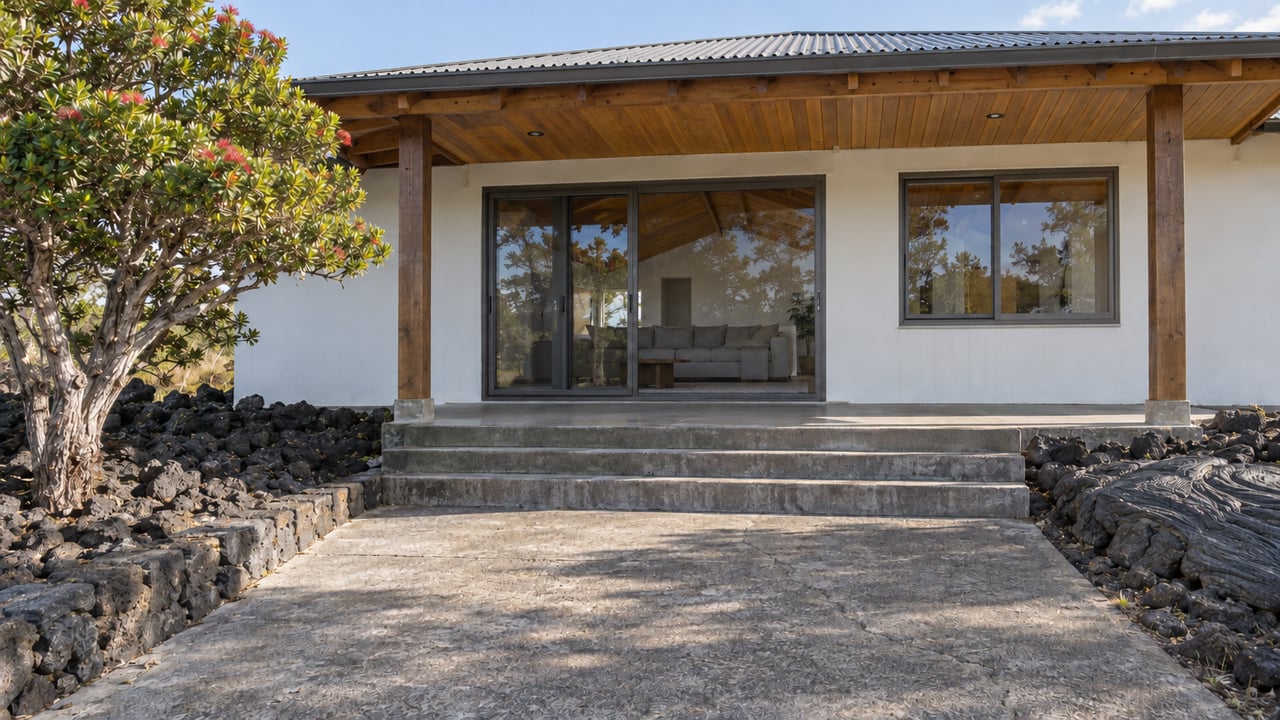
You’ll see plantation-style or ranch homes, post-and-beam builds on piers to suit slope and airflow, and modest cottages alongside newer designs. Many emphasize lanais and covered outdoor space. Drying sheds and small processing areas often sit apart from the main home.
Roads, access, and easements
Some properties rely on private roads or shared maintenance agreements. Always verify recorded easements, legal ingress and egress, and who pays for road upkeep. Seasonal erosion or potholes are common on rural roads.
Utilities, water, and wastewater
Electricity is generally available, but capacity and reliability can vary. Some remote parcels use generators or solar with batteries. Many mauka homes rely on private wastewater systems like septic; older properties may still have cesspools. Confirm current rules and any required upgrades before you buy.
County water lines may not reach uphill parcels. Rain catchment with storage tanks is common, and some properties have wells. Verify connection options, catchment capacity, well permits and yields, and water quality.
Internet and cell service
Broadband can be limited, and cellular coverage varies by elevation and carrier. Test on site and consider satellite or fixed wireless if needed.
Insurance and natural hazards
Plan for wind and hurricane coverage, and understand slope stability and wildfire concerns on drier parcels. Flood risk is often lower at higher elevations, but each site is unique. Insurance options and costs can differ for rural and agricultural properties.
Zoning, land use, and taxes
Agricultural zoning basics
Many South Kona coffee properties sit in State Agricultural districts with county agricultural or rural zoning. Residential dwellings and farm uses are typically allowed, with setbacks and building rules. Small-scale processing or direct sales can be possible, but larger operations or public access may need permits.
Taxes and ag classification
Hawaii offers use-value property tax programs that can reduce taxes when land is actively farmed and meets criteria. Requirements vary by county and program. If lower taxes are important to your plan, confirm eligibility rules and documentation needs early.
Permits and improvements
Building, wastewater, and electrical work require permits. Processing areas, roasters, or any public-facing retail or tastings can trigger additional health or environmental rules. Subdivision and land division follow specific county standards, and legacy small lots may have distinct rights.
Daily life on or near a coffee farm
What farm work looks like
Coffee is hands-on. Tasks include planting and pruning, fertilizing, managing shade trees, pest control, picking by hand, processing, drying, and storage. Even small acreage needs structure, tools, and routine care.
Seasonality and labor
Coffee production follows a seasonal rhythm from flowering to harvest. Labor needs spike at harvest, and you may hire pickers or rely on family and friends. Some years are heavier than others.
Pests and plant health
The coffee berry borer is a known invasive pest in Hawaii and a constant management issue. Integrated pest management is standard practice. You will also monitor for fungal disease, fertilize for soil health, and manage birds and insects.
Water and irrigation
Many farms depend on rain catchment or wells, so storage and backup plans matter. Young trees and dry spells often require irrigation. Check historic water availability, well permits and yields, and tank capacity.
Processing and sales compliance
Drying and storage must be clean and well-managed to protect quality. On-site roasting, direct retail, or farm tours can add value, but they may require permits and health or occupancy approvals. Confirm rules before you invest in equipment or branding.
Lifestyle tradeoffs
Benefits include space, privacy, scenic views, and the satisfaction of growing specialty coffee. Tradeoffs include distance to services, limited utilities and internet, ongoing maintenance, and the need to manage pests and compliance. If you like rolling up your sleeves, the rewards can be real.
Economics and buyer fit
Hobby vs commercial viability
Specialty Kona coffee can command premium prices, but production costs are high and yields vary. One to five acres can produce meaningful volume, yet most owners blend farm income with other revenue streams. Profitability depends on quality, marketing, and efficiency.
Market channels and value capture
Direct-to-consumer sales, farmers markets, online stores, wholesale to roasters, and agritourism are common paths. True “estate” branding requires following origin labeling rules. Quality control and a clear brand story help capture premium value.
Costs to plan for
Budget for land care, pruning and replanting, fertilizer, pest control, irrigation gear, processing equipment, harvest labor, insurance, taxes, and utilities. Upfront costs may include site prep, roads, storage, processing space, and wastewater or well upgrades.
Who it suits, who it may not
This lifestyle fits buyers who want an active, rural setting and enjoy hands-on work. It is a tougher fit if you need immediate urban amenities, highly reliable broadband, or low-maintenance living. It also is not ideal if you expect passive income without managing operations.
Smart due diligence checklist
- Title and access
- Verify legal description, recorded easements, and ingress/egress rights.
- Confirm any shared or private road maintenance obligations.
- Zoning and permitted uses
- Confirm State Land Use district and county zoning.
- Ask county planning about processing spaces, retail, tours, events, or subdivision.
- Water and wastewater
- Identify water source: county line, well, or rain catchment, and check permits or connection options.
- For wells, obtain pump tests and yield data; for catchment, confirm storage capacity.
- Verify septic or cesspool status and any upgrade requirements with local authorities.
- Soil and topography
- Order soil tests for pH and nutrients.
- Assess slope stability and erosion risk on steeper parcels.
- Infrastructure and utilities
- Inspect road condition and access during wet and dry seasons.
- Confirm electric capacity and transformer location; evaluate backup power needs.
- Test cellular and internet options on site; research satellite or fixed wireless if needed.
- Agricultural assets
- Review planting maps, tree age, spacing, shade species, and overall plant health.
- Ask for fertilizer and pesticide records, pest history, yields, and revenue where available.
- Inspect processing gear and storage areas for condition and cleanliness.
- Environmental and hazards
- Review flood mapping, landslide susceptibility, and wildfire risk.
- Note any conservation or protected designations affecting use.
- Market and business readiness
- If selling coffee or hosting visitors, confirm retail, food handling, occupancy, and health rules.
- Insurance and financing
- Get quotes for homeowners, farm liability, and crop coverage as applicable.
- Explore lenders familiar with rural and agricultural properties.
How Hawai’i Estates helps
You want a partner who understands mauka life, not just square footage. Our team pairs neighborhood-level Kona knowledge with practical construction and permitting insight to help you assess water systems, wastewater, roads, utilities, and farm infrastructure with clear eyes. We are meticulous with timelines and paperwork, and we guide you through zoning and use questions so your plan matches the property’s reality.
Whether you’re eyeing a 2-acre hobby farm or a larger working parcel, we help you weigh tradeoffs, estimate improvement costs, and plan a smooth escrow. Ready to explore South Kona’s coffee belt with confidence? Reach out to Hawai'i Estates for grounded advice and a plan that fits your lifestyle.
FAQs
How many acres do I need for Kona coffee?
- Many small owners operate on 1 to 5 acres, but commercial scale and reliable income usually require more land and intensive management.
Do I need permits to sell coffee or run tours?
- Small direct sales may be feasible, while public tastings, tours, or roasting and retail can trigger county planning and health department permits.
What are typical water sources in mauka South Kona?
- Many properties use rain catchment with storage tanks; some have wells; a minority connect to county water where mains are nearby.
How is the coffee berry borer managed on farms?
- Integrated pest management is standard, with ongoing monitoring and control to protect fruit quality throughout the season.
Can I subdivide a South Kona agricultural parcel later?
- Subdivision depends on county rules and minimum lot sizes; existing lot size does not guarantee approval, so consult planning early.
What internet options are realistic uphill?
- Fiber or cable may be limited; test cellular on site and consider satellite or fixed wireless alternatives if needed.