Torn between the energy of Kailua Kona and the quiet rhythm of South Kona? You are not alone. Many buyers weigh convenience, services, and entertainment against privacy, land, and a slower pace. In this guide, you will learn how daily life, amenities, housing, microclimates, and infrastructure differ so you can choose a place that fits how you want to live. Let’s dive in.
Kona lifestyles at a glance
- Kailua Kona: convenience and activity. West Hawaiʻi’s hub for shopping, dining, services, and visitor activity. Walkable pockets near Aliʻi Drive and more options for classes, gyms, and events. Busier atmosphere, especially in town.
- South Kona: space and quiet. Rural and agricultural with small village centers like Captain Cook, Kealakekua, and Hōnaunau. Strong presence of coffee farms and long-term residents. Daily life follows local community rhythms and the seasons.
Pace and community character
Kailua Kona functions as the commercial and tourism center for West Hawaiʻi, with retail, restaurants, and events concentrated along Aliʻi Drive and downtown. You will see a mix of service-industry workers, part-time residents, and visitors, which keeps the area lively into the evening. This setting tends to suit people who like options close at hand and a social calendar.
South Kona feels more rural and spread out. Community life centers on small markets, churches, community halls, and farm or coffee events. Many residents work in agriculture, creative fields, or ocean-related trades. If you prefer a quieter, local-forward pace, South Kona may align with your lifestyle.
Amenities and access
Healthcare and emergency services
Kailua Kona offers the highest concentration of clinics, urgent care, and regional services on the Kona coast. South Kona residents often drive north for specialty care or hospital services. Before you choose a home, check how far your prospective address is from primary care and emergency resources. The County of Hawaiʻi site is a good starting point for service and planning context.
Groceries, shopping, dining, and banking
Kailua Kona has multiple grocery options, larger retail centers, pharmacies, and professional services. In South Kona, you will find smaller grocery stores and local markets, with many residents driving to Kailua Kona for broader shopping and dining choices.
Airport access and commuting
Ellison Onizuka Kona International Airport serves West Hawaiʻi and is closer to Kailua Kona and the Keāhole area. If you travel often, being nearer to the airport can save time. See flight and facility details on the Kona International Airport page.
Throughout Kona, a personal vehicle is essential. Public transit is limited, and drive times can stretch during events or peak seasons. Expect typical drives of about 20 to 45 minutes from central Kailua Kona to many South Kona villages, depending on your exact route.
Housing and lot patterns
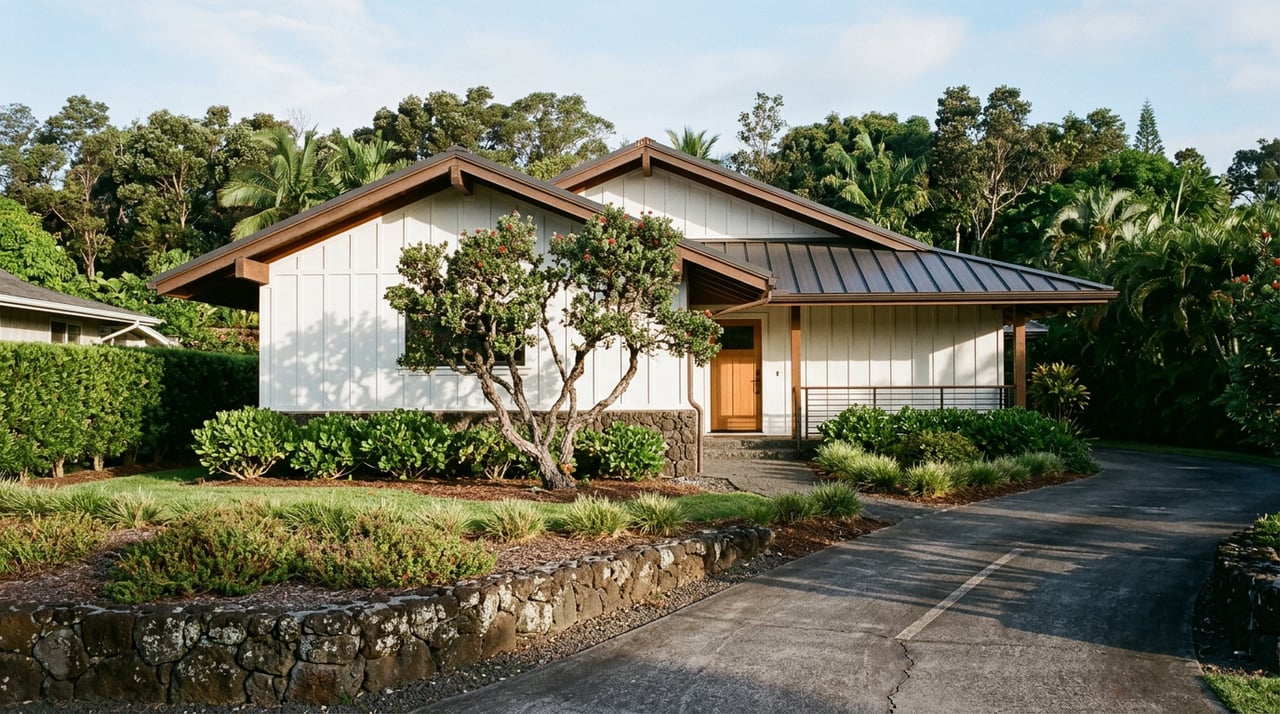
Kailua Kona features more condos and townhomes, plus compact single-family neighborhoods and higher-density coastal properties. You will often see more move-in-ready listings and a higher share of vacation-oriented homes near town.
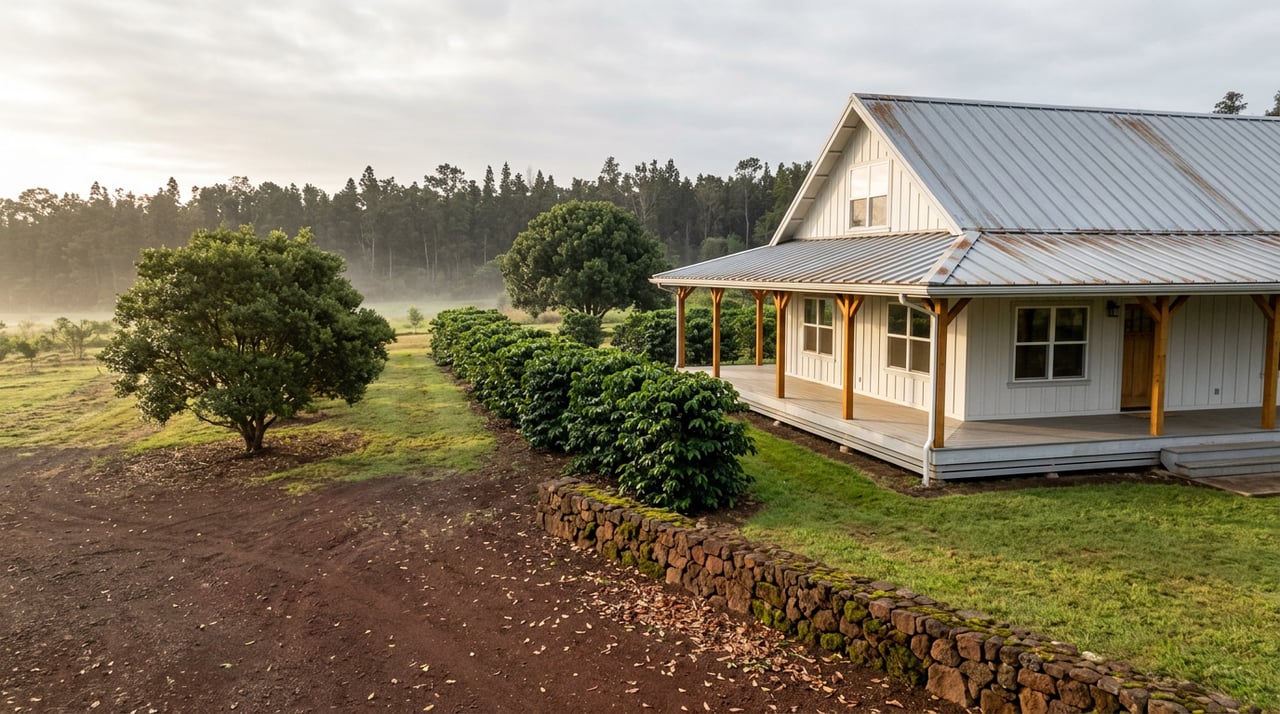
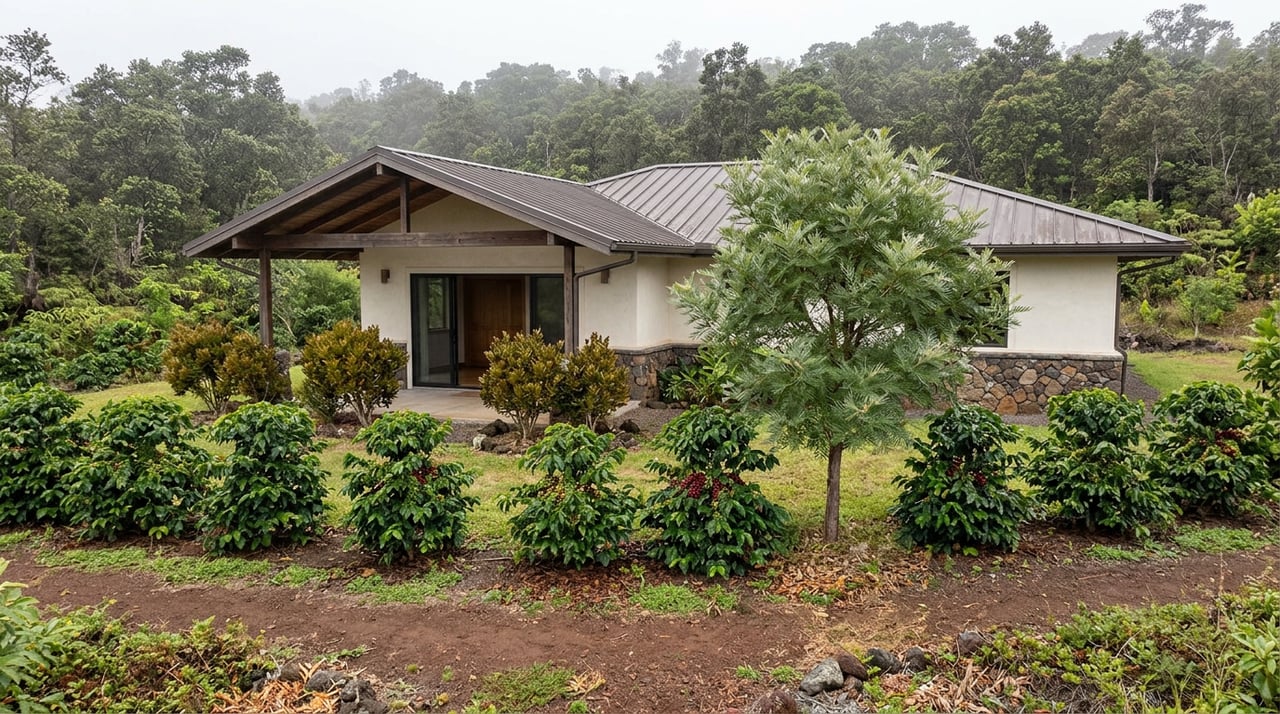
South Kona skews toward larger-lot homes, agricultural parcels, plantation-era cottages, and custom builds. Many properties are zoned agricultural or actively used for coffee and small-scale farming. You may get more land and space, with the tradeoff of fewer nearby services.
Pricing patterns vary by proximity to the ocean, elevation, and infrastructure. Properties close to downtown or along the coast in Kailua Kona typically command premium pricing per square foot. South Kona often delivers more land per dollar, but values still range widely based on view, access, and utilities.
Microclimates and outdoor life
Weather and elevation
Both areas sit on the leeward side of Hawaiʻi Island and enjoy sunshine and warm temperatures. Kailua Kona near the shoreline tends to be drier and sunnier. As you move upslope or into certain South Kona pockets, rainfall increases, which supports coffee cultivation. For climate context, explore NOAA climate normals.
Ocean access and parks
Kailua Kona offers convenient access to beaches, boat tours, snorkeling spots, and charters that operate out of town. South Kona is known for world-class snorkeling and diving at Kealakekua Bay and Hōnaunau. Learn about the protected marine and cultural site at Puʻuhonua o Hōnaunau National Historical Park and review access details for Kealakekua Bay State Historical Park.
Agriculture and local culture
South Kona’s uplands are a core region for Kona coffee. Expect coffee farms, fruit trees, and agricultural landscapes to shape daily life and community events. To get a feel for the local culture, check out the Kona Coffee Cultural Festival.
Infrastructure and utilities
Water and wastewater systems
Kailua Kona neighborhoods are more likely to have county water and sewer lines. In South Kona, many properties rely on rainwater catchment systems and private wastewater systems such as septic or cesspools. Hawaiʻi has active policies guiding cesspool repair and replacement, so confirm your system type and potential upgrade costs. Review current guidance on the Hawaiʻi Department of Health’s cesspools repair and replacement page.
Electricity and resilience
Hawaiian Electric serves the island’s grid, and solar with battery storage is common, especially in rural areas where owners value resilience. Learn about grid and program basics from Hawaiian Electric.
Internet and cell coverage
Kailua Kona generally has more reliable wired broadband and cell service. In South Kona, coverage can be patchy and speeds can vary by micro-location. Always test signal strength at the property and confirm wired ISP options.
Zoning, permits, and natural hazards
South Kona includes many agricultural and conservation parcels, which can affect building permits, subdivision potential, and tax rates. The County of Hawaiʻi planning pages provide maps and guidance. Hazard profiles vary across the island, so consult the USGS Hawaiʻi Volcano Observatory for lava hazard information when evaluating a property.
Buyer checklist for both areas
Use this quick list to pressure-test any property before you tour or make an offer:
- Water source: County water or catchment? If catchment, what is tank size and roof/gutter condition?
- Wastewater: Sewer, septic, or cesspool? Review DOH rules and estimate upgrade costs if needed.
- Power: Grid reliability, existing solar, battery storage, and interconnection status.
- Internet and cell: Test carrier coverage and verify wired ISP availability at the address.
- Commute: Drive to groceries, primary care, and the airport during peak times to confirm real-world travel.
- Road access: County-maintained paved road or private/unimproved road? Check drainage conditions on coastal routes.
- Zoning and use: Confirm agricultural or conservation status, permits on file, and any restrictions that affect your plans.
- Short-term rental: If you plan to host, review county regulations and neighborhood norms; demand is higher near Kailua Kona’s visitor areas.
- Environmental and cultural resources: Learn about nearby protected sites or shoreline rules that may affect use and access.
- Insurance and maintenance: Ask about wind, hurricane, flood, or tsunami zones; review roof and foundation condition.
Which Kona fits you
Choose Kailua Kona if you want:
- Short drives to shopping, dining, healthcare, and the airport.
- Walkable pockets near downtown and more structured fitness or class options.
- A higher chance of move-in-ready condos or townhomes.
- Tourism-adjacent locations that may support stronger resale liquidity.
Choose South Kona if you want:
- Larger lots, more privacy, and agricultural potential.
- A slower pace centered on local markets, farms, and ocean access.
- Microclimates that support gardening, coffee, or fruit trees.
- Fewer visitors on your street and a more local day-to-day vibe.
Ready to explore with a local guide?
Both areas offer a great lifestyle, but the right fit depends on your daily routine, tolerance for driving, and comfort with rural infrastructure. If you want clear, construction-savvy advice and neighborhood-level insights, reach out to Hawai'i Estates. We will help you compare specific properties, verify utilities and zoning, and navigate a smooth, well-managed transaction.
FAQs
What should I know about utilities in South Kona?
- Many homes use rainwater catchment and private wastewater systems. Confirm system type, condition, and any upgrade requirements using Hawaiʻi DOH’s cesspool guidance.
Is Kailua Kona more walkable than South Kona?
- Yes, walkability is highest near downtown Kailua Kona along Aliʻi Drive and nearby neighborhoods. South Kona is largely car-dependent with dispersed village centers.
How close is the airport to each area?
- Kona International Airport sits north of Kailua Kona, which favors residents in or north of town. South Kona residents typically plan extra time for airport trips.
Are there strong snorkeling and park options in South Kona?
- Yes. Kealakekua Bay and Puʻuhonua o Hōnaunau offer excellent snorkeling and cultural sites. Review current access details on the DLNR and NPS park pages.
Do lava hazards affect buying in Kona?
- Hazard levels vary by parcel. The Kona side is generally lower risk than some east-side zones, but you should consult USGS HVO maps for property-specific information.
How do housing types differ between the two areas?
- Kailua Kona offers more condos, townhomes, and compact neighborhoods near services. South Kona leans toward larger-lot single-family homes and agricultural parcels.