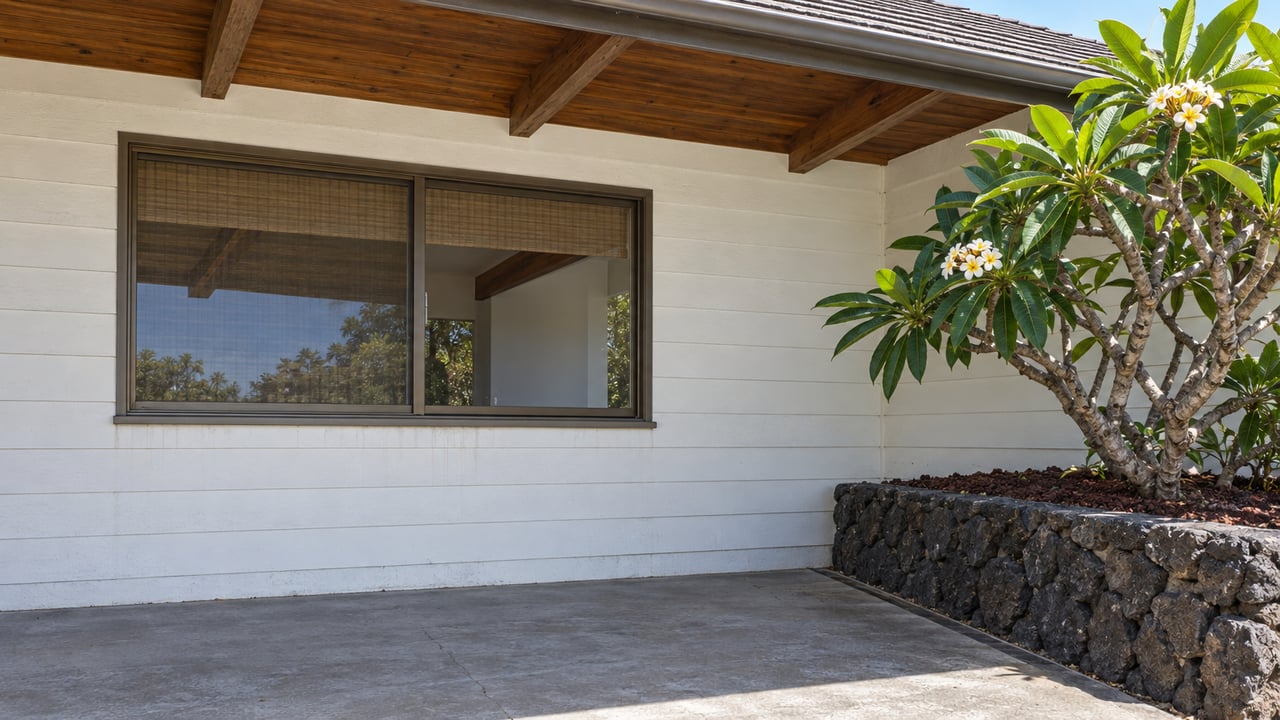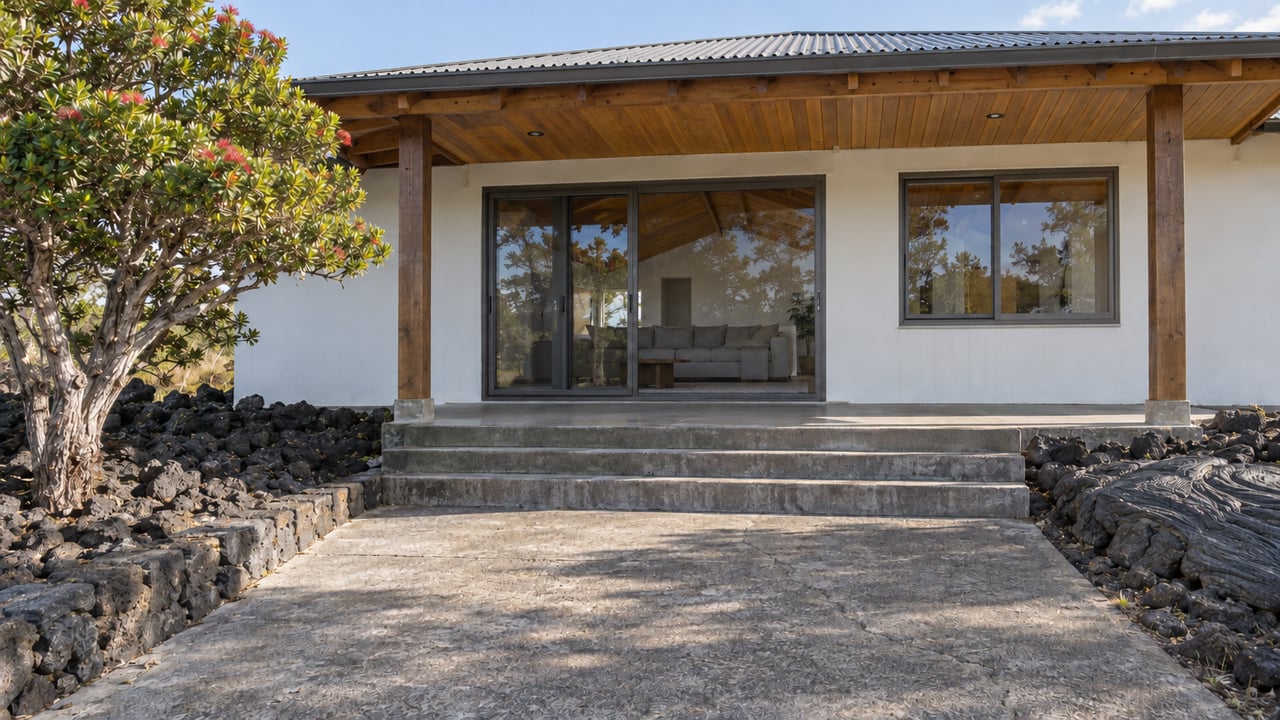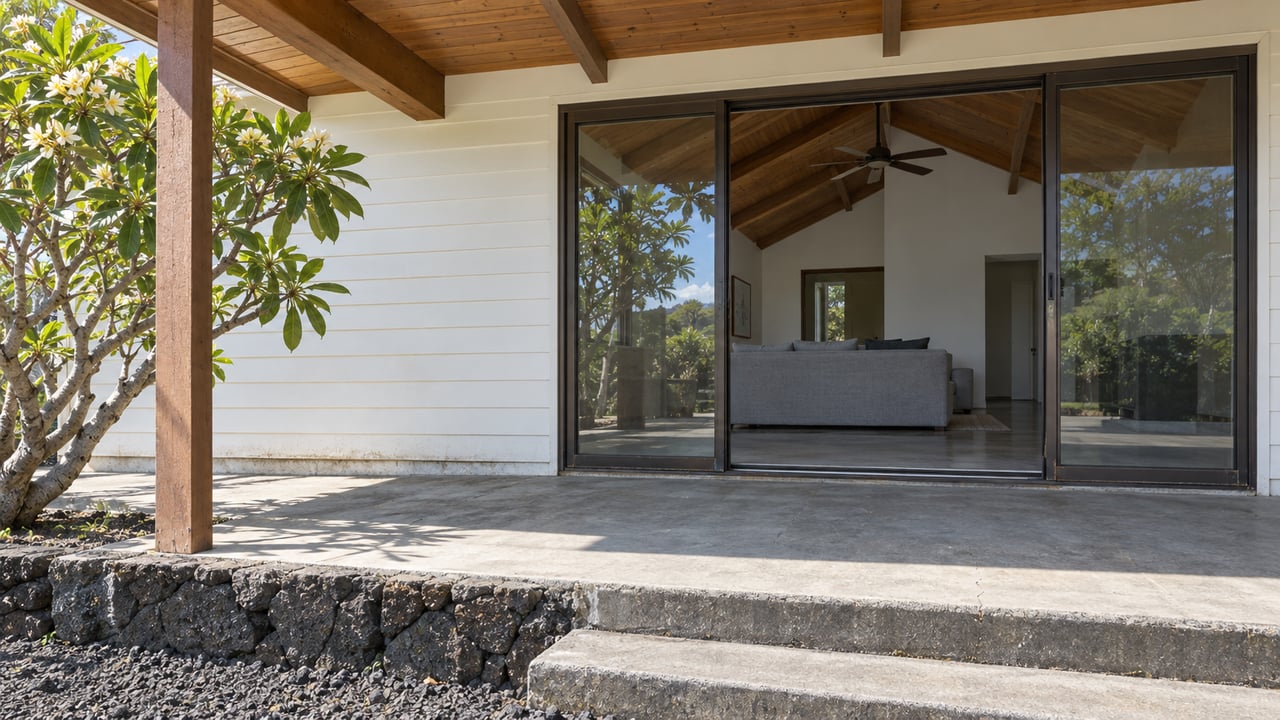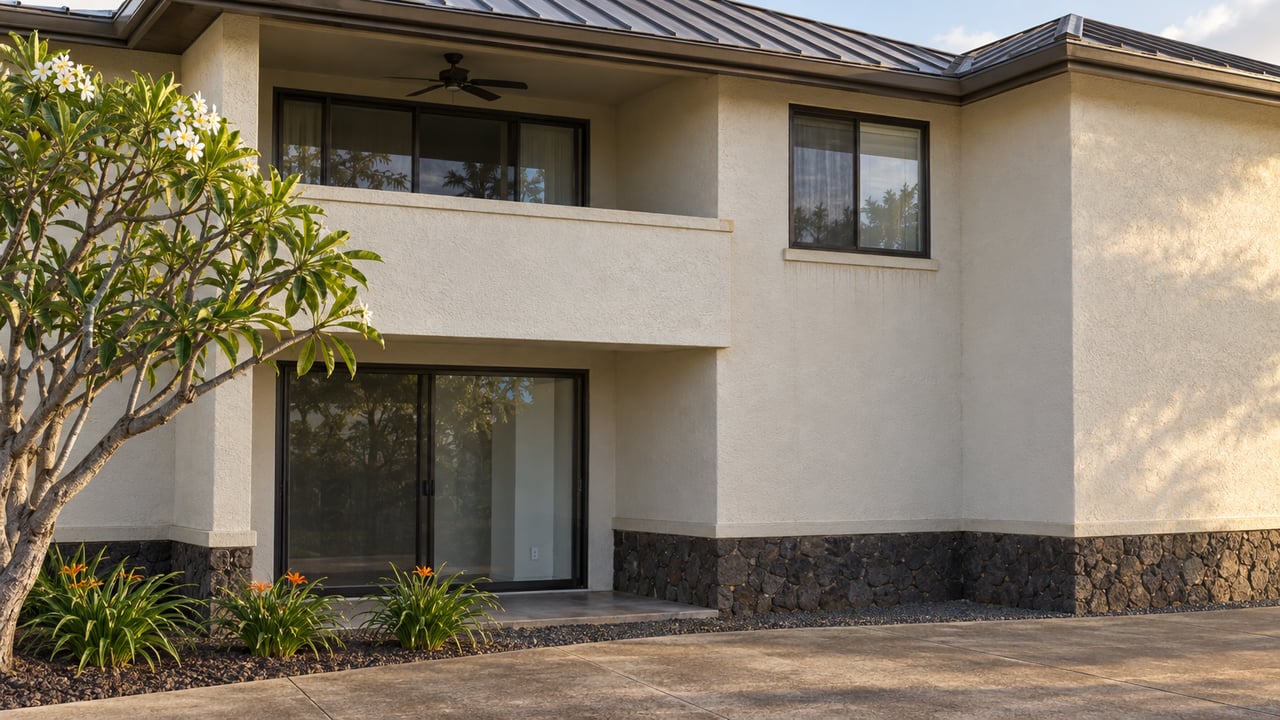
If you have ever wondered whether North Kona feels the same from the shoreline to the hills, the short answer is no. This part of the coast changes quickly as you move from Kailua Village and Aliʻi Drive up toward Hōlualoa, Honalo, Kaloko, and Kaiminani. Understanding those shifts can help you narrow your home search, set better expectations, and choose an area that fits your daily life. Let’s dive in.
North Kona Works Like a Corridor
North Kona is best understood as a connected corridor, not one single neighborhood with one uniform feel. Hawaiʻi County’s planning and council district boundaries show a broad area that includes places such as Honalo, Kahaluʻu-Keauhou, Hōlualoa, parts of Kailua, Kaloko, Kaiminani, and part of Waikoloa.
That matters because the area changes with geography. Along the shoreline, land use and housing patterns tend to support a more compact coastal feel. As you head mauka, the setting often shifts toward detached homes, larger lots, and a more spread-out residential pattern.
For buyers, this means North Kona can offer very different lifestyles within a relatively short drive. For sellers, it means your location inside the corridor shapes how buyers will see your property and what features they value most.
Coastal North Kona Feels Active and Convenient
The coastal stretch includes Historic Kailua Village, Aliʻi Drive, Keauhou, and Kahaluʻu. This is the side of North Kona many people picture first because it combines ocean access, visitor activity, and a concentration of everyday services.
Historic Kailua Village sits about 15 minutes south of Kona International Airport and serves as the town core of the Kona coast. It is known for shopping, dining, and major historic sites along Aliʻi Drive. Census QuickFacts also shows a meaningful owner-occupied residential base in Kailua, with a 67.0% owner-occupied housing rate and a median home value of $667,400.
That mix helps explain why the coast often appeals to people who want convenience and lower-maintenance living. In practical terms, shoreline housing can include a blend of condos, townhomes, and other homes that fit a more compact coastal setting.
Kailua Village and Aliʻi Drive
If you want to be close to activity, Kailua Village and the Aliʻi Drive corridor often stand out. You may be near shops, dining, historic sites, and the shoreline, which can make daily routines feel simpler and more connected to town.
This part of North Kona can be a strong fit if you value easy access over extra separation. Buyers who prefer a lock-and-leave setup or a more urban coastal pattern often start their search here.
Keauhou and Kahaluʻu
Farther south, Keauhou and Kahaluʻu offer another version of coastal living. Kahaluʻu Beach Park is known for snorkeling, lifeguards, and honu, while the broader Keauhou area is recognized for sunny weather, ocean recreation, restored heiau, and manta-ray viewing.
This area can feel a little more removed from the center of Kailua while still staying connected to the coast. If you want a shoreline location with access to recreation and a well-known coastal setting, this stretch may be worth a closer look.
Coastal Transit and Access
Hele-On Route 201 runs seven days a week between the Loloku Street Park & Ride and Keauhou Shopping Center, with stops along Aliʻi Drive. That makes the coastal corridor one of the easier parts of North Kona for car-light routines.
If you are comparing daily logistics, this is a real quality-of-life point. The coast also benefits from proximity to the airport and the broader west-side service corridor, which can matter whether you live here full time or split time between islands or the mainland.
Mauka North Kona Feels Cooler and More Spread Out
As you head uphill, North Kona starts to feel different in both climate and layout. Hōlualoa, Honalo, Kaloko, and Kaiminani sit above or inland from the shoreline, and many buyers notice the change right away.
The first difference is often the setting. Instead of the more compact coastal pattern, mauka areas tend to feel quieter, greener, and more residential in a detached-home sense. The second difference is temperature, since higher elevations are generally a bit cooler than the coast.
NOAA climate guidance notes that temperature decreases by about 3°F per 1,000 feet of elevation. North Kona still sits on the dry leeward side overall, but moving uphill usually brings slightly cooler air and a greener feel than the shoreline.
Hōlualoa and Honalo
Hōlualoa sits on the slopes above Historic Kailua Village and Keauhou. It is described as an art enclave in Kona coffee country, with higher elevation, regular cloud coverage, and rich volcanic soil.
For many buyers, that translates into a more rural-feeling environment than the coast. You may find a stronger sense of separation from the visitor-oriented shoreline, along with homes and parcels that reflect the area’s coffee-country setting.
Honalo fits into the same broader mauka story of North Kona as a hillside community rather than a shoreline one. If your priority is breathing room and a setting that feels more tucked into the slopes, this side of the corridor may be a better match than the coast.
Kaloko and Kaiminani
Farther inland, Kaloko and Kaiminani are part of North Kona’s upland residential picture. Kaiminani’s Census QuickFacts profile reported 12,590 residents in 2020, a 73.3% owner-occupied housing rate, and a median home value of $761,300.
Those figures are consistent with an established owner-occupied area rather than a resort-focused enclave. If you are looking for a neighborhood context that leans more residential and less visitor-centered, inland North Kona may offer that feel.
Coast to Mauka: What Changes Most
When you compare North Kona from coast to mauka, a few differences tend to matter most in a home search. These are often the factors that shape how a property feels day to day.
Area pattern | What you may notice |
|---|---|
Coast | Warmer, drier conditions with a more compact housing pattern and easier access to shoreline amenities |
Mauka | Slightly cooler temperatures, greener surroundings, and a more spread-out residential feel |
Town core | Closer access to shopping, dining, transit stops, and airport connections |
Hillside/inland | More separation from the shoreline activity and a quieter day-to-day setting |
The Kona airport climate normals help show why the coast feels so dry and warm. The 1991 to 2020 normals for Kailua Kona at Keāhole show a mean annual temperature of 78.2°F and annual precipitation of 9.87 inches.
That dry leeward climate is one of North Kona’s defining features. Still, even small elevation changes can create a noticeably different feel when you are touring neighborhoods.
Everyday Logistics Across North Kona
Neighborhood feel is only part of the decision. You also need to think about how North Kona works for everyday life, travel, and access to services.
Ellison Onizuka Kona International Airport supports transpacific and interisland flights, which is a major advantage for residents who travel often or expect visiting family and friends. Honokohau Small Boat Harbor provides moorings, ramps, fuel, and harbor services, adding to the west side’s practical infrastructure.
For healthcare, Kona Community Hospital in Kealakekua provides emergency, trauma, maternity, imaging, cancer care, surgery, and rehabilitation services. The Kona Open Space Network also reflects a broader effort to connect open spaces, parks, neighborhoods, historic sites, drainage areas, and trails.
Taken together, these features help explain why North Kona appeals to a wide range of buyers. You can choose between a more active coastal routine and a more tucked-away mauka routine while still staying connected to the same west-side corridor.
How to Choose the Right North Kona Area
A simple way to narrow your search is to start with your daily rhythm. Ask yourself whether you want to be closer to the shoreline and town activity or whether you would rather trade some convenience for more space and a cooler setting.
You can also think in terms of maintenance and property style. Coastal areas may appeal if you prefer a more compact home base, while mauka areas may appeal if you want a detached-home setting, room to spread out, or a more rural atmosphere.
If you are selling, this same coast-to-mauka story can shape your marketing strategy. Buyers are not just comparing square footage. They are comparing lifestyle, microclimate, access, and the kind of day-to-day experience each location offers.
North Kona rewards local knowledge because small location changes can lead to very different buying decisions. That is where a neighborhood-level view becomes more useful than a one-size-fits-all description of “Kona.”
Whether you are buying along the coast or preparing to sell a home farther mauka, working with a team that understands these block-by-block and slope-by-slope differences can make the process much clearer. If you want practical, locally grounded guidance on North Kona neighborhoods, connect with Hawai'i Estates.
FAQs
What makes North Kona different from one neighborhood?
- North Kona includes a connected mix of coastal, town, and upland areas such as Kailua, Kahaluʻu-Keauhou, Hōlualoa, Honalo, Kaloko, and Kaiminani, so it functions more like a corridor than one uniform neighborhood.
What is coastal North Kona like for daily living?
- Coastal North Kona generally offers warmer, drier conditions, access to shoreline amenities, and a more compact housing pattern near places like Kailua Village, Aliʻi Drive, Keauhou, and Kahaluʻu.
What is mauka North Kona like compared with the coast?
- Mauka North Kona areas such as Hōlualoa, Honalo, Kaloko, and Kaiminani usually feel cooler, greener, quieter, and more spread out than the shoreline.
What transportation options are available in coastal North Kona?
- Hele-On Route 201 runs seven days a week between the Loloku Street Park & Ride and Keauhou Shopping Center with stops along Aliʻi Drive, making the coastal corridor one of the easier areas for car-light routines.
What climate should you expect in North Kona?
- The coast is generally sunny, warm, and dry, with Kona airport normals showing a mean annual temperature of 78.2°F and annual precipitation of 9.87 inches, while higher elevations are typically a bit cooler.
What should buyers compare when choosing a North Kona neighborhood?
- Buyers should compare access, housing style, microclimate, maintenance preferences, and whether they want a more active coastal setting or a quieter mauka environment.