Wondering where in South Kona you will feel most at home? That question matters more here than in many other markets, because a few hundred feet of elevation can change your daily comfort, your view, your yard work, and even your water setup. If you are trying to balance climate, privacy, upkeep, and layout, this guide will help you match the right elevation band and home style to the way you actually want to live. Let’s dive in.
Why elevation matters in South Kona
South Kona covers a long stretch of rural, low-density land with steep and often rough terrain running from sea level into the uplands. That means two homes in the same general area can feel very different depending on their elevation, slope, and exposure.
Local climate patterns also vary sharply from parcel to parcel. NOAA and the University of Hawaiʻi note that South Kona’s slopes are sheltered from the usual trade winds, while daytime heating can create upslope flow and afternoon showers. In practical terms, that means the best home for you is not just about the address. It is about how the specific lot lives day to day.
Coastal elevation living
Low-elevation South Kona is usually the warmest and driest-feeling option. County planning materials describe lower elevations as running roughly from 70°F in winter to 90°F in summer, with some coastal areas receiving under 30 inches of rainfall per year.
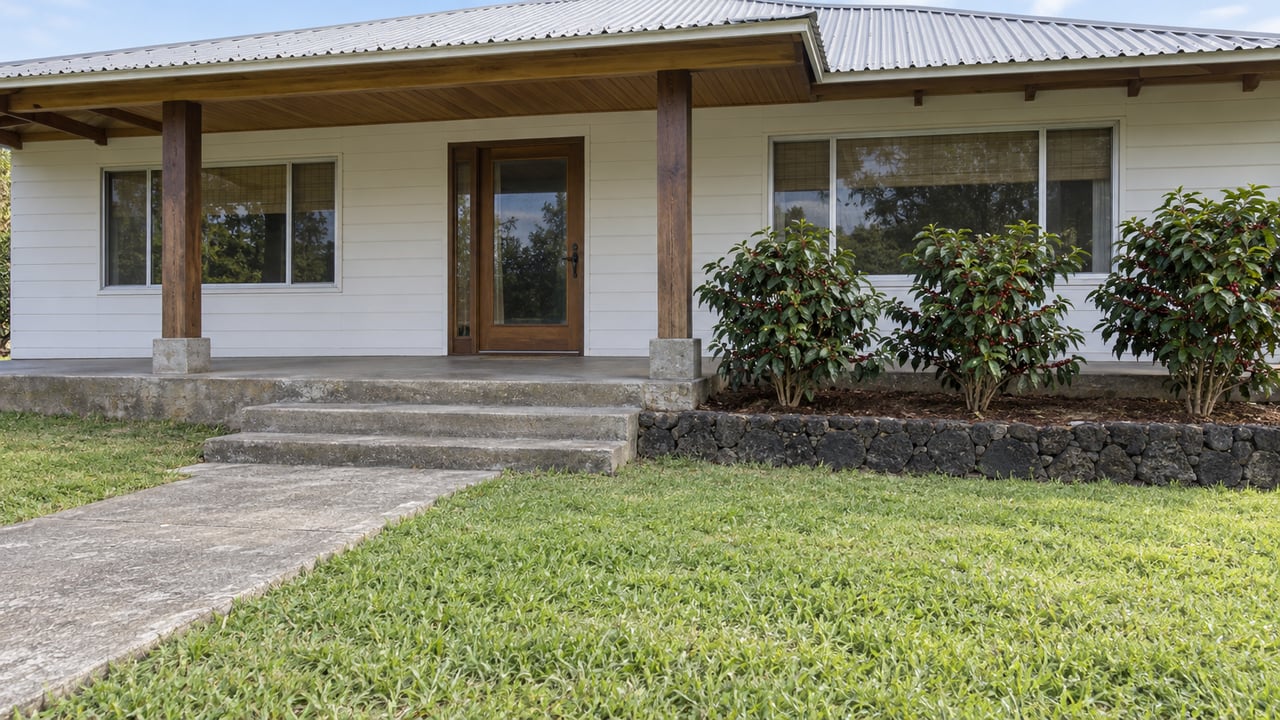
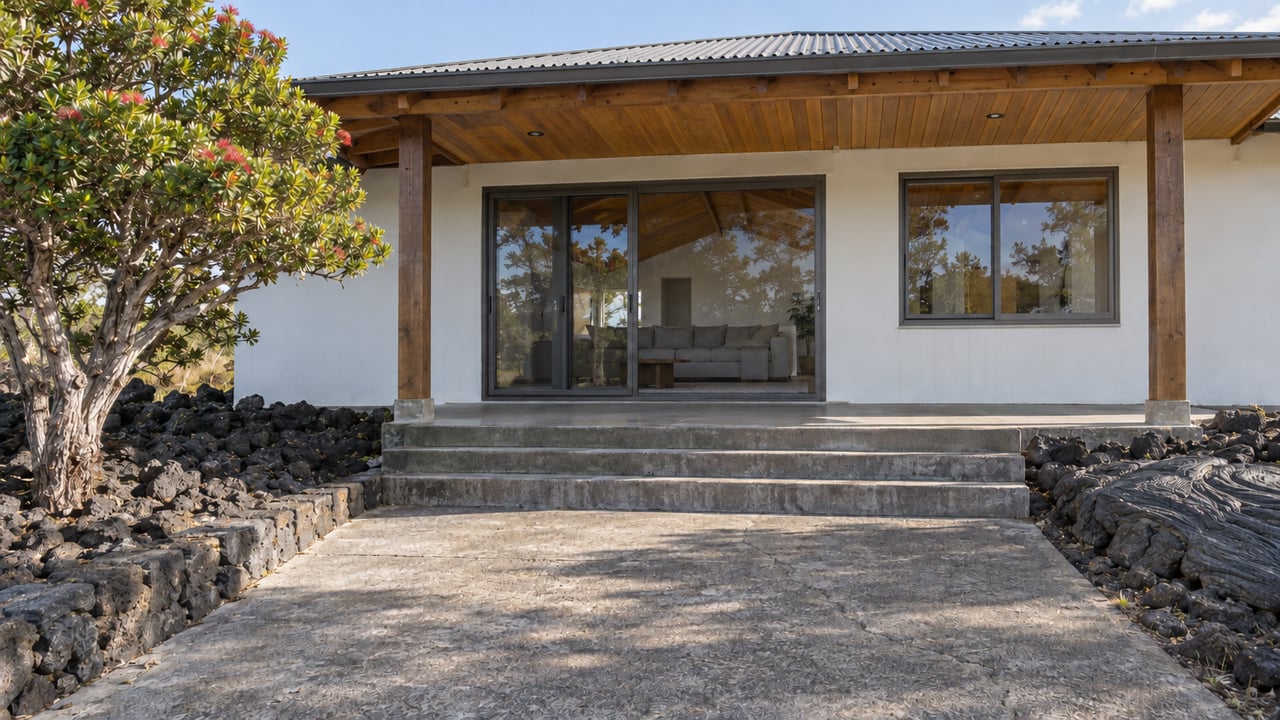
If you love warm weather, ocean access, and lower-water landscaping, this band may appeal to you. You may also find that outdoor living works best when the home has strong shade features like lanais, eaves, and covered seating areas.
The tradeoff is exposure. Coastal properties can face more salt air, seasonal high surf, strong currents, rocky shoreline access, and increasing coastal flooding and erosion risk tied to sea level rise. If you are considering this zone, it helps to think beyond the view and ask how much coastal wear, sun, and exposure you are willing to manage.
Best fit for coastal homes
Coastal living often works best for buyers who want:
- Warm temperatures most of the year
- Easier access to the shoreline
- Simpler, lower-water landscaping goals
- A home designed for shade and airflow
- A realistic plan for salt, wind, and coastal upkeep
Mid-elevation comfort in the coffee belt
For many buyers, the 700 to 2,000-foot range offers the best balance of comfort and everyday livability. County materials identify this as the main Kona coffee belt, and the climate data from CTAHR’s Kona Research Station in Kealakekua gives a useful benchmark for what this part of South Kona can feel like.
At about 1,200 to 1,500 feet, the station reports roughly 60 inches of annual rainfall, with average minimum temperatures around 60°F and average maximum temperatures around 78°F. That combination is a big reason many buyers describe the coffee belt as mild and comfortable.
This elevation can be a strong match if you want a temperate feel without moving too far upslope. You may still see afternoon showers and upslope breezes, so layout and ventilation remain important.
Why buyers often prefer the coffee belt
This band tends to suit buyers who want:
- Milder daytime temperatures
- Cooler evenings than the coast
- A balance between sun and greenery
- Better everyday comfort without going fully upland
- A practical middle ground for indoor and outdoor living
Higher elevation and upland tradeoffs
Above the coffee belt, South Kona shifts more toward upland forests and grasslands. County planning materials note that temperatures cool with elevation, and University of Hawaiʻi climate research finds that elevation is the main predictor of temperature across Hawaiʻi’s steep terrain.
For you, that often means cooler nights, more privacy, and greener surroundings. It can also mean more cloud cover, slower drying after rain, and more moisture-related upkeep over time.
This band can be a great fit if you value space, quiet, and a cooler climate. It may be less ideal if you want strong sun, quick drying conditions, or a lower-maintenance exterior.
Upland homes often suit buyers who want
- Cooler temperatures
- Larger-feeling surroundings and privacy
- More greenery
- Separation from hotter coastal conditions
- A property that feels more tucked away
How layout should match the land
In South Kona, the lot often tells you what kind of home layout makes sense. Because steep slopes and limited level land are common in mauka areas, the most comfortable floor plan is usually the one that works with the parcel instead of fighting it.
On flatter lots, a single-level home can offer easy indoor-outdoor flow and simpler movement between living areas, yard space, and lanais. On hillside parcels, split-level or stepped layouts often make better use of the terrain and may help preserve views.
This is where practical guidance matters. A home can look great in photos, but the real question is whether its layout fits the land in a way that supports comfort, drainage, access, and daily use.
Ventilation and shade matter more than size
In South Kona, square footage is not always the best predictor of comfort. Hawaiʻi Energy’s homeowner guide notes that natural ventilation works best when a home is oriented about 45 degrees to the wind, with openings totaling about 12 percent of floor area and including low intake and high exhaust points.
That makes cross-ventilation a major quality-of-life feature. A well-placed window, breezeway, or high vent can make a home feel dramatically more comfortable than a larger house with poor airflow.
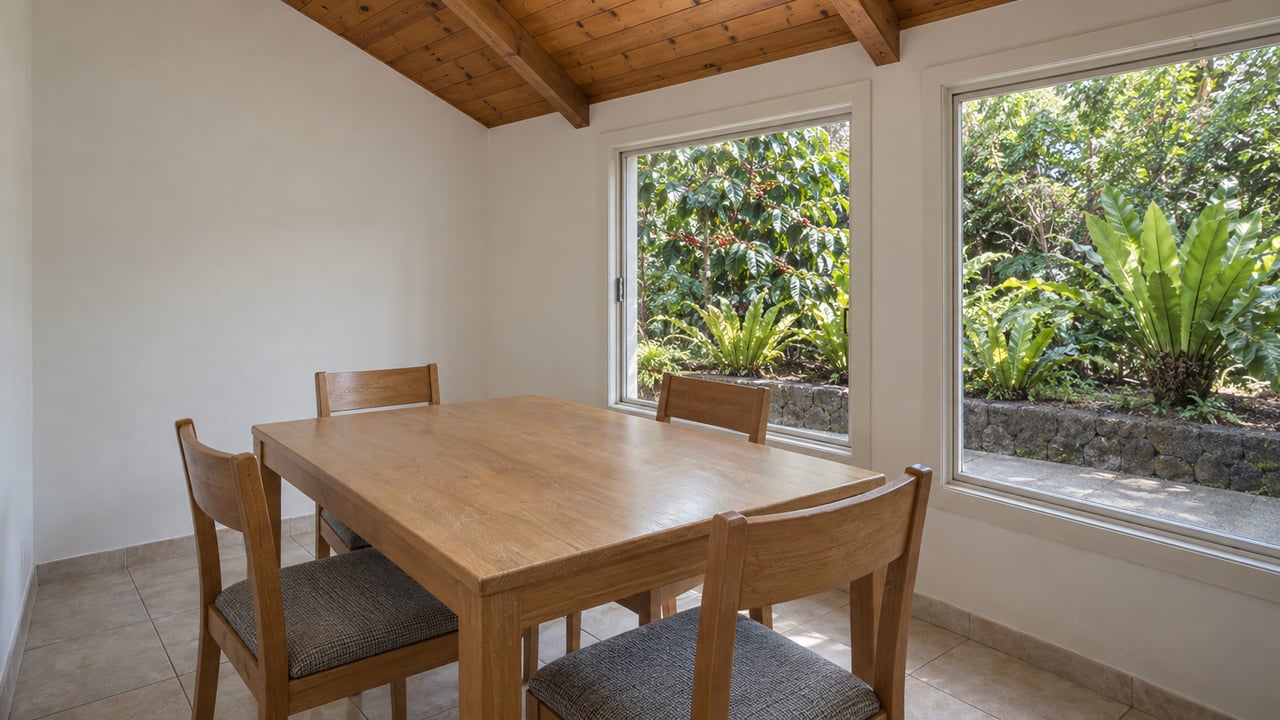
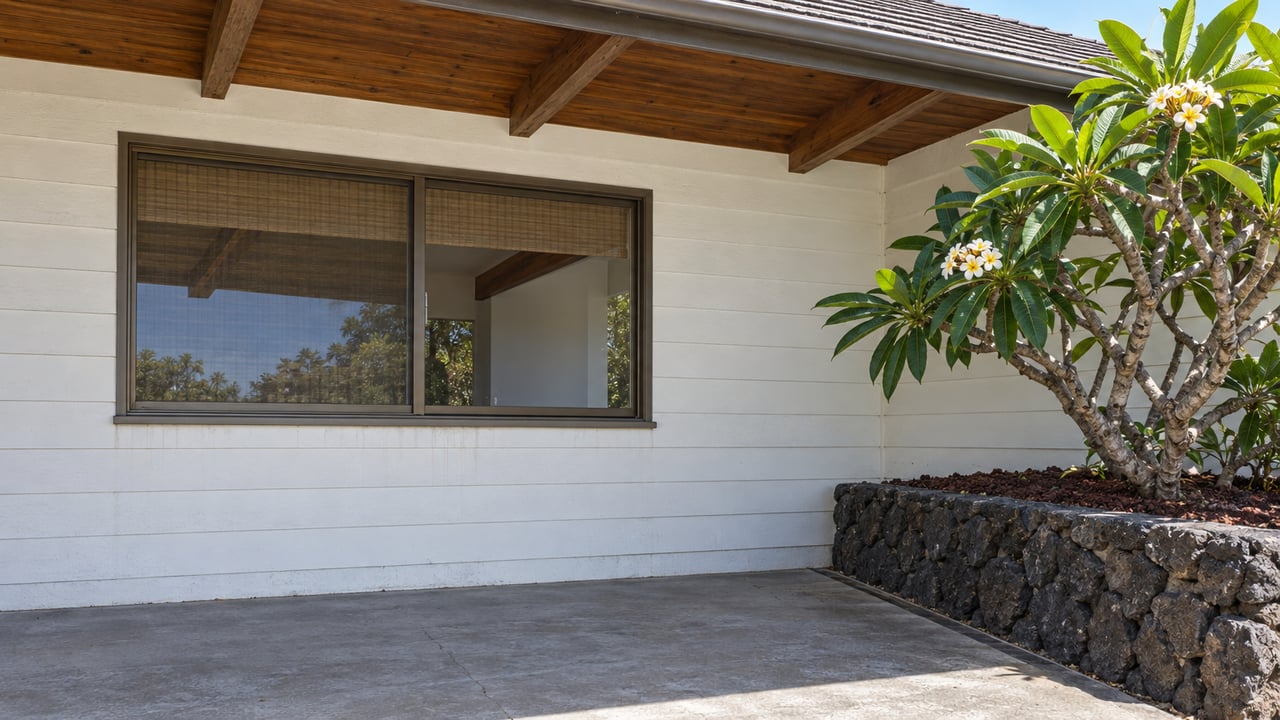
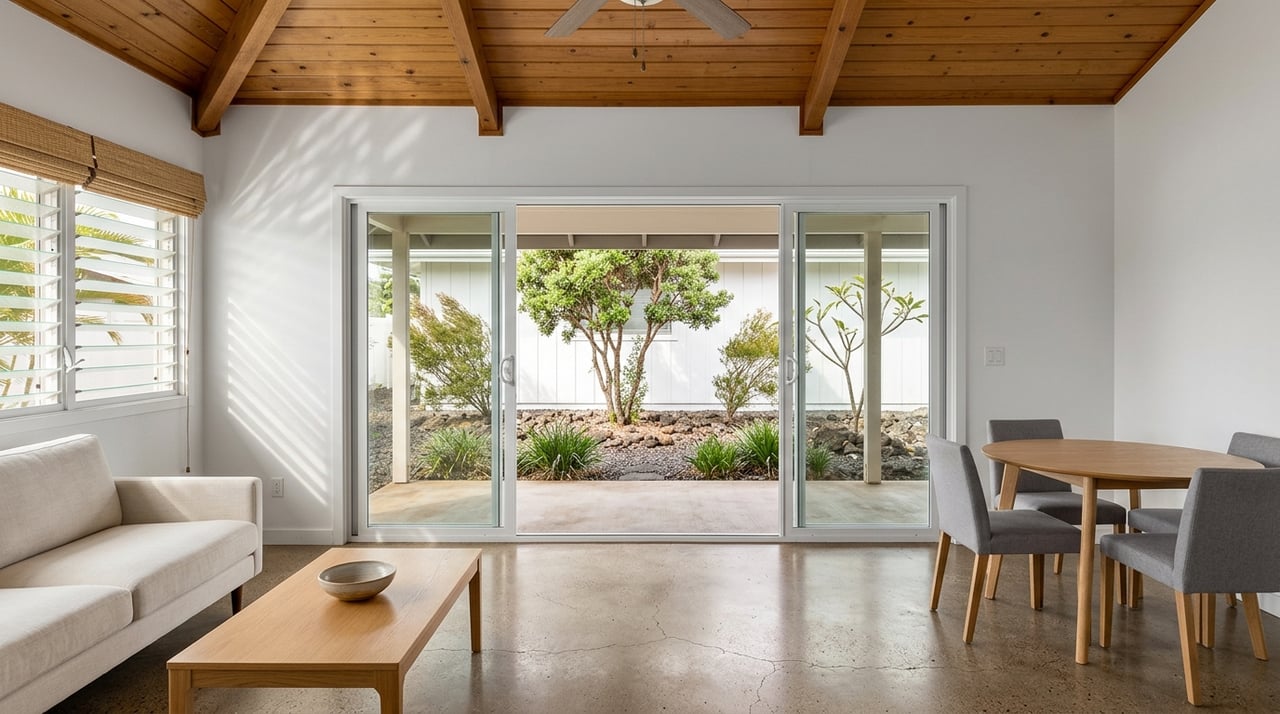
Shade matters too. Eaves, lanais, and landscaping can reduce heat gain, and minimizing east- and west-facing walls and windows can improve comfort. If you spend time outdoors, covered spaces may matter just as much as interior square footage.
Layout features worth prioritizing
As you compare homes, pay close attention to:
- Cross-ventilation potential
- Covered outdoor living areas
- Deep eaves or shaded windows
- Window placement for airflow
- Floor plans that follow the slope naturally
- Easy access from parking to the home
Water should be part of your first tour
In South Kona, water access is a core buying factor. County planning materials state that there are no perennial streams in Kona, and that more than half of South Kona residents depend on rain catchment or hauled or delivered potable water. Residents south of Ho‘okena rely on catchment and hauling.
That means water source, storage, and irrigation planning should be part of your first conversation, not a question saved for later. If you are comparing properties, ask how the home is supplied and what that means for everyday use, backup planning, and landscape maintenance.
A beautiful lot can feel very different once you understand the water system behind it. If you hope to garden, keep landscaping lush, or reduce maintenance stress, water setup deserves close attention.
Lot size, wind, and maintenance
South Kona’s rural, agricultural character often means larger parcels and more space between homes. That can offer privacy and flexibility, but it also means more ongoing work.
More land can mean more driveway care, fencing, trimming, and drainage management. If the lot is exposed, wind can also affect how usable your outdoor spaces feel and how well plants perform.
CTAHR guidance notes that wind can damage plants and reduce yields, while coastal landscapes face added challenges from sea salt and wind. Existing windbreaks, mature shade trees, and protected planting areas can make a meaningful difference in how a property lives.
Questions to ask about the lot
Before you fall in love with a property, consider asking:
- Is the lot coastal, coffee-belt, or upland?
- How steep is the driveway and building area?
- Is the home exposed to wind or naturally sheltered?
- What is the water source?
- Are there existing windbreaks or mature shade trees?
- How much trimming, drainage, and yard work will the parcel need?
How to choose your best match
The right South Kona home is not automatically the lowest, highest, or largest one. It is the one that fits your comfort preferences, maintenance tolerance, and day-to-day routines.
If you want warmer weather and simpler, drier landscaping, lower elevations may suit you best. If you want a mild climate and balanced livability, the coffee belt is often the strongest contender. If you prefer cooler nights, added privacy, and greener surroundings, the uplands may feel right.
The same idea applies to layout. A smart floor plan, good airflow, practical shade, and a water setup that fits your needs can matter just as much as the view. When you evaluate homes through that lens, you make a more confident decision.
Buying in South Kona is easier when you have local guidance that looks beyond the listing photos. The team at Hawai'i Estates brings neighborhood-level Kona knowledge and practical, construction-minded insight to help you weigh elevation, layout, condition, and long-term livability.
FAQs
What elevation is most comfortable in South Kona?
- For many buyers, the 700 to 2,000-foot coffee belt offers the best balance of mild temperatures, manageable rainfall, and everyday comfort.
What is coastal living like in South Kona?
- Coastal South Kona is typically warmer and drier, but it also comes with more salt exposure, shoreline hazards, and growing coastal risk from erosion and flooding.
What should buyers know about water in South Kona?
- Water access is a major practical issue, and many South Kona properties rely on rain catchment or hauled or delivered potable water rather than a more traditional supply.
What home layout works best on a South Kona hillside lot?
- On sloped parcels, split-level or stepped layouts often work better because they follow the terrain more naturally and can improve usability and views.
What features improve comfort in a South Kona home?
- Cross-ventilation, shaded windows, eaves, lanais, and covered outdoor areas are all important features for comfort in South Kona’s varied climate.
What should buyers ask about a South Kona lot before making an offer?
- You should ask about elevation, slope, driveway steepness, wind exposure, water source, shade, and the likely maintenance needs of the parcel.