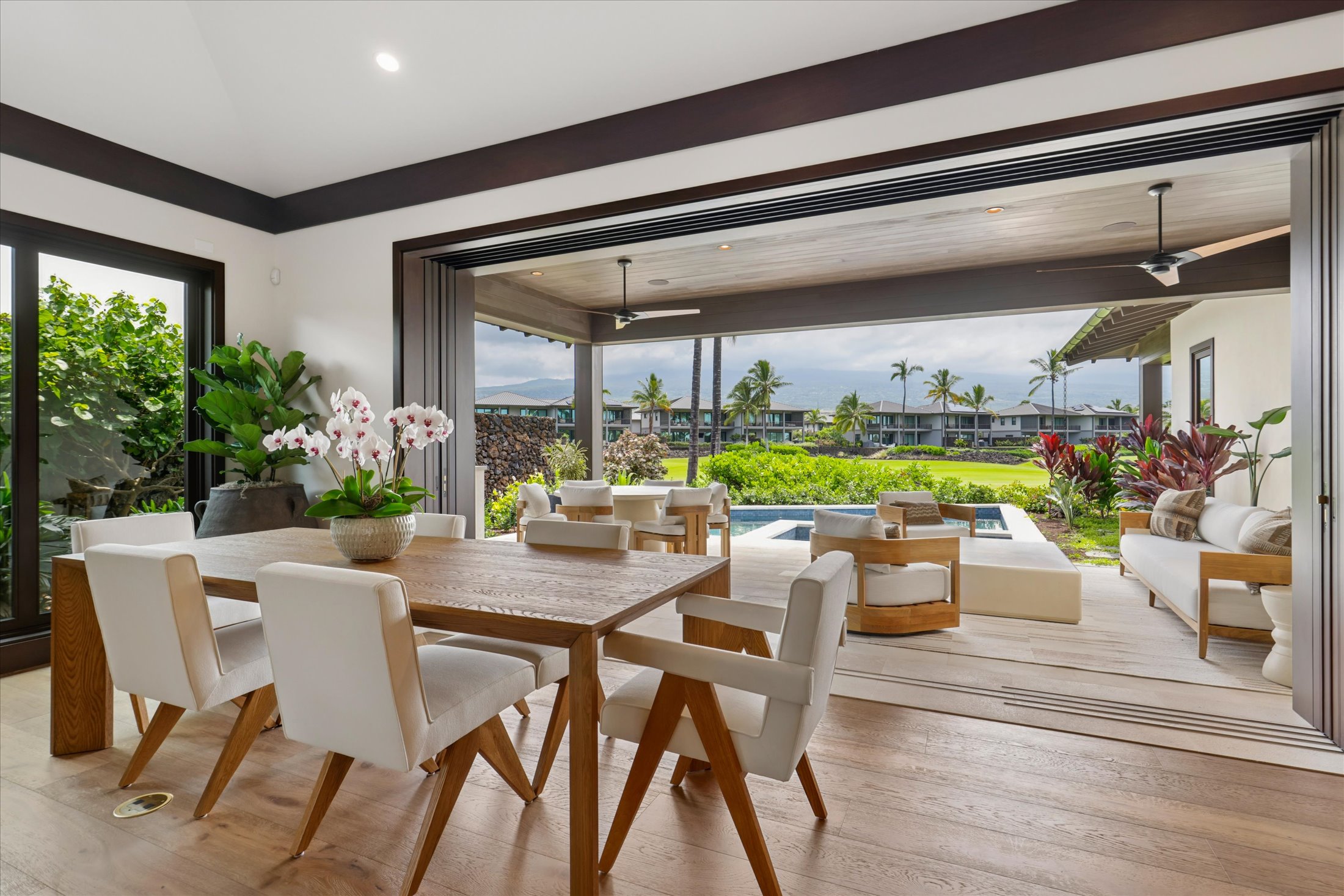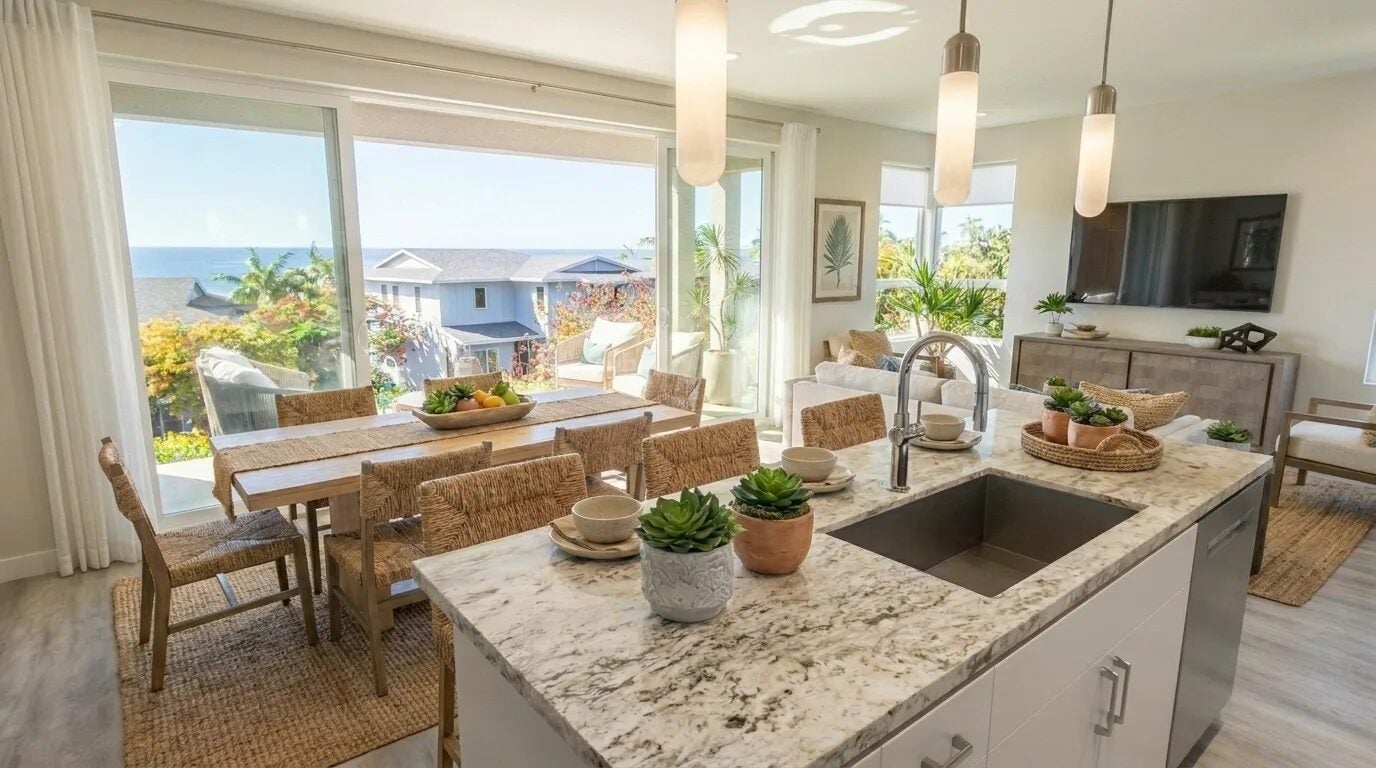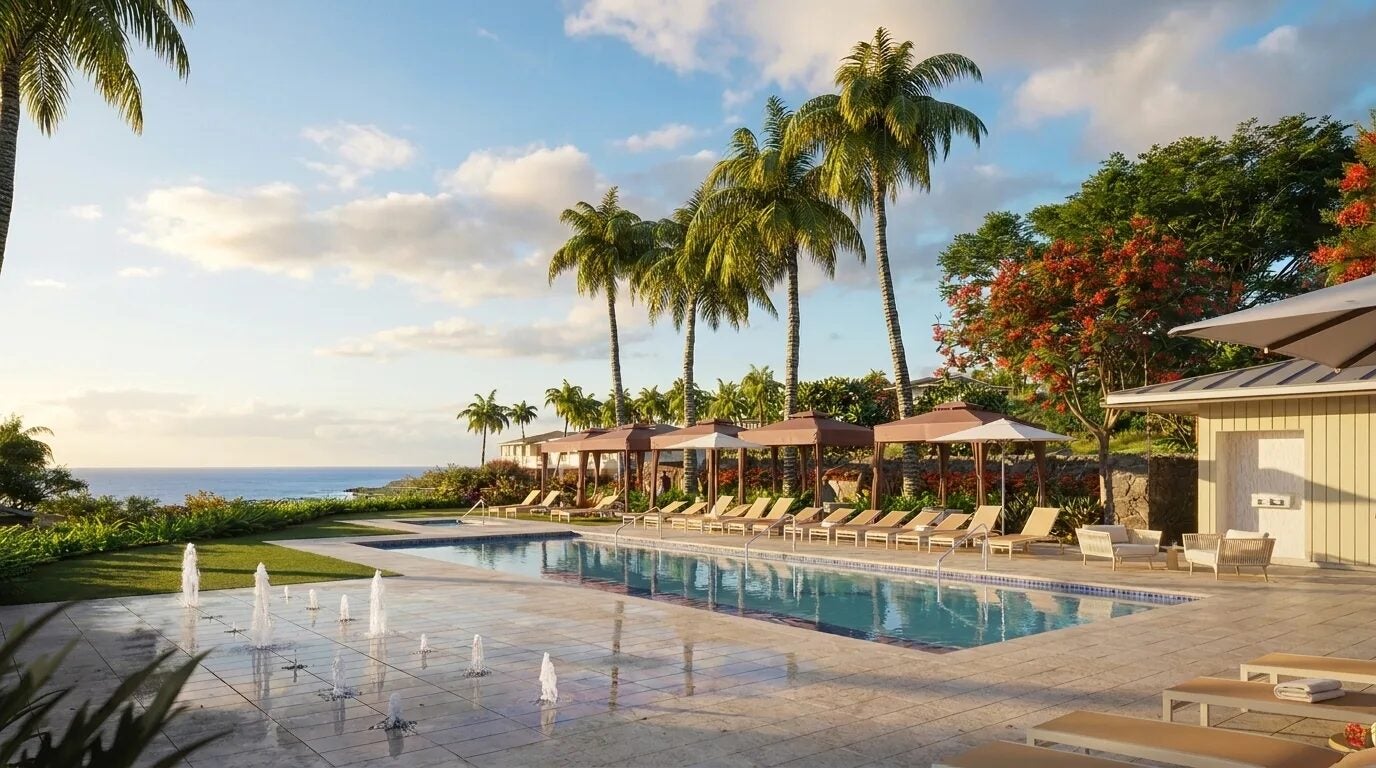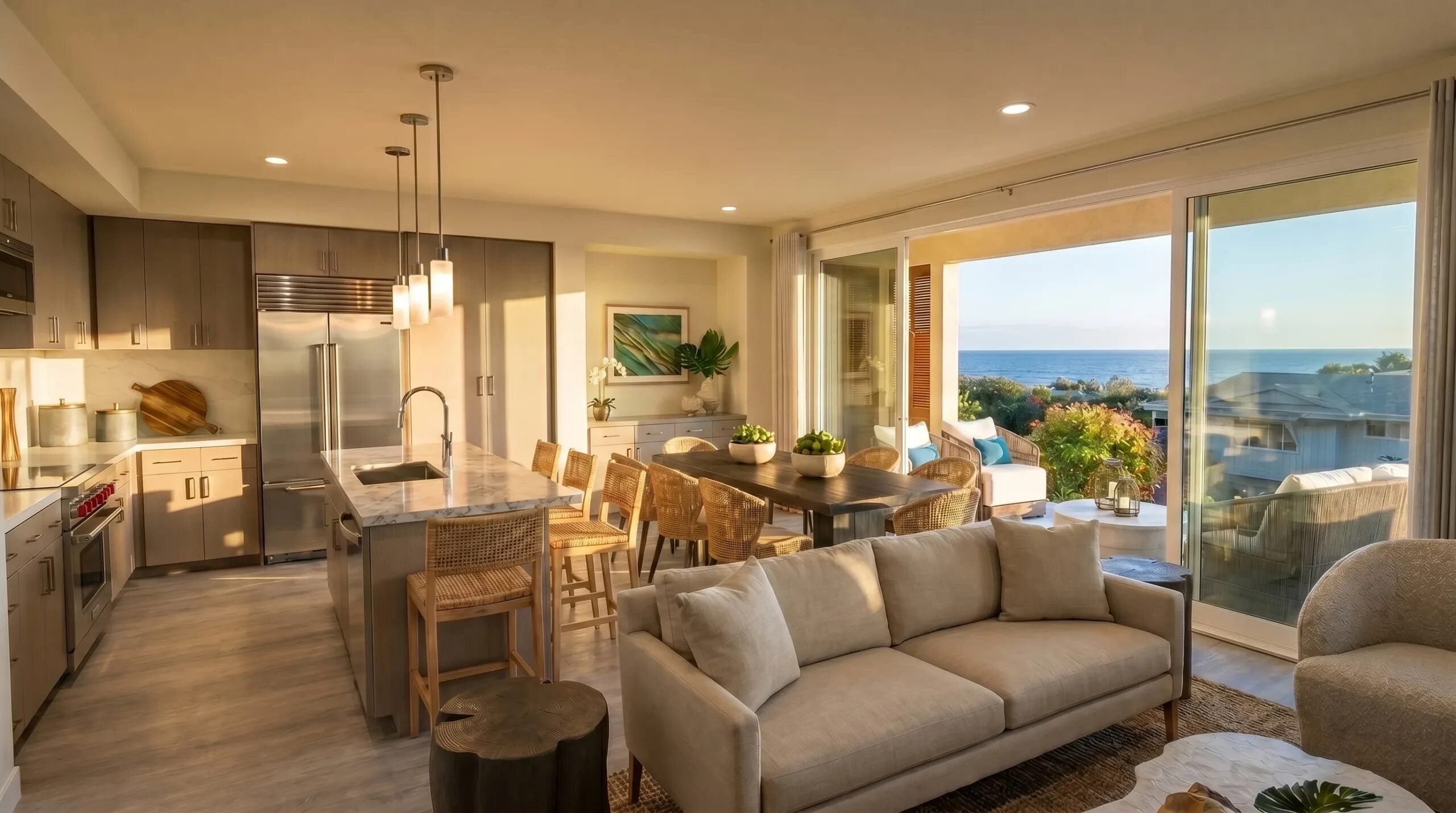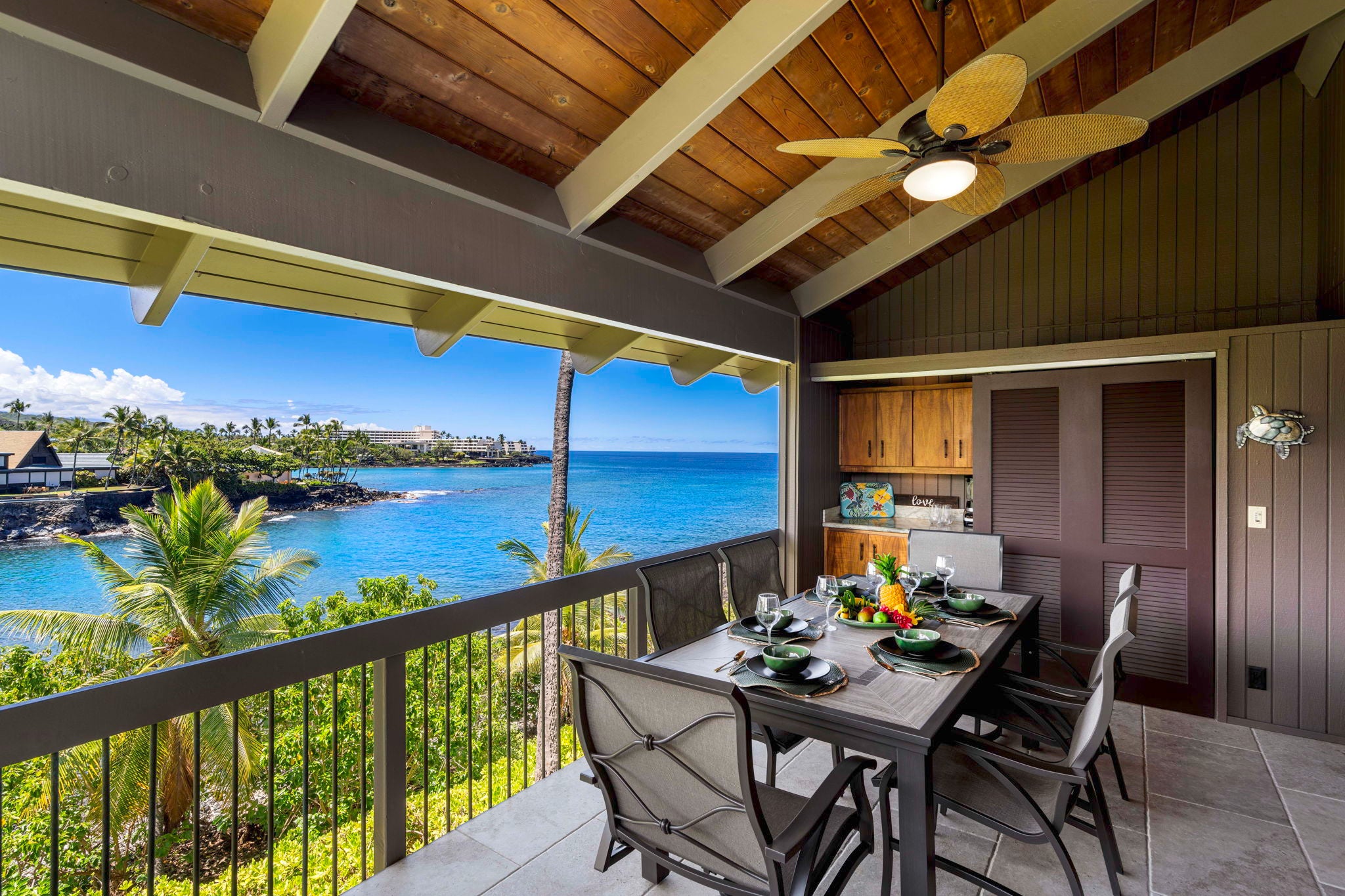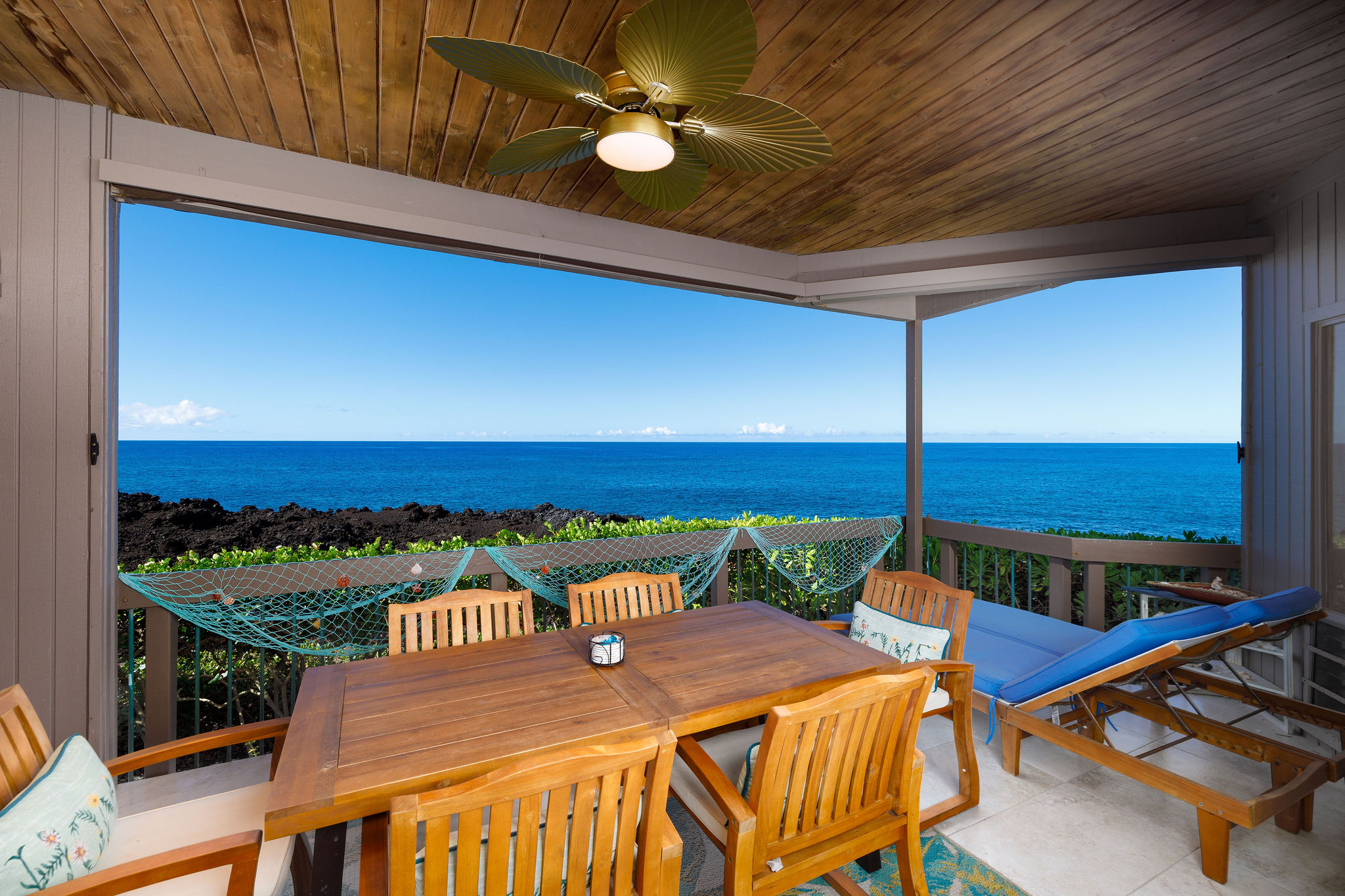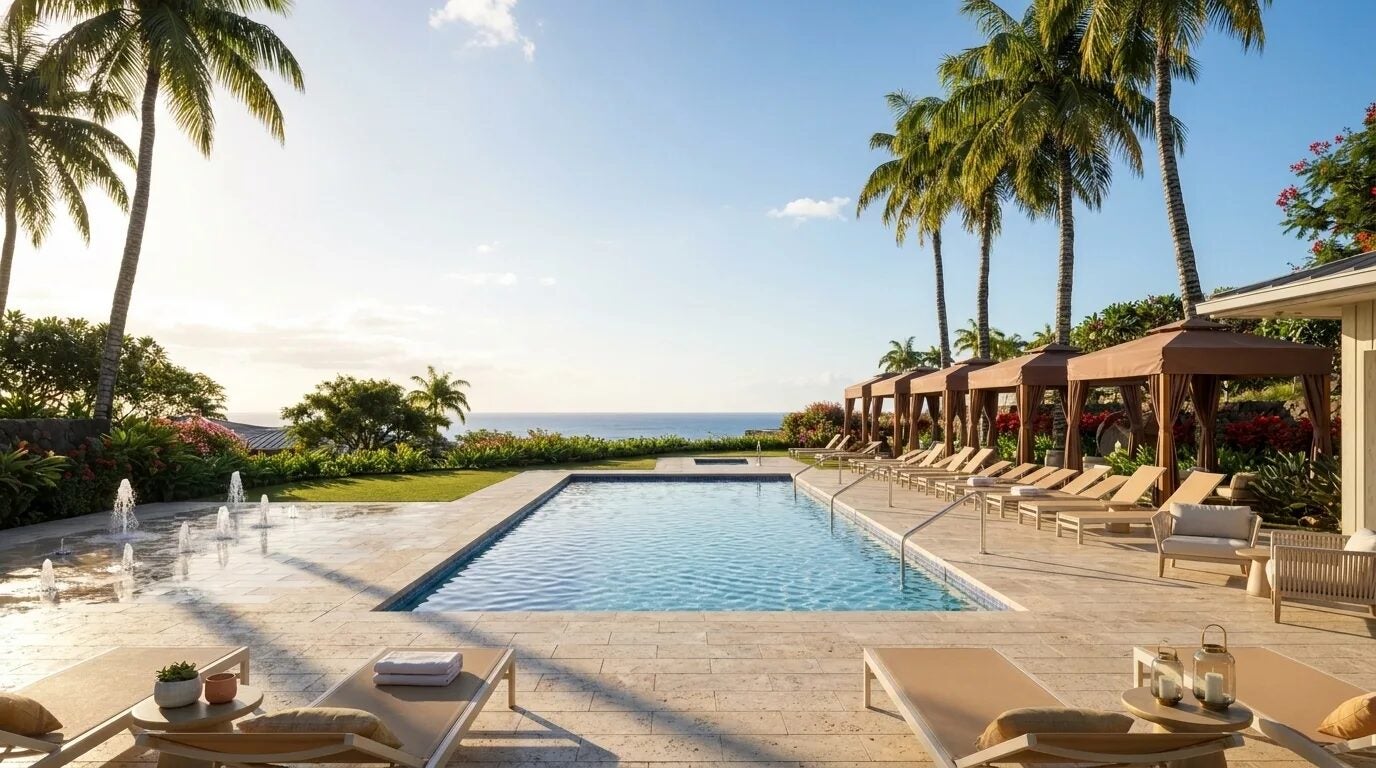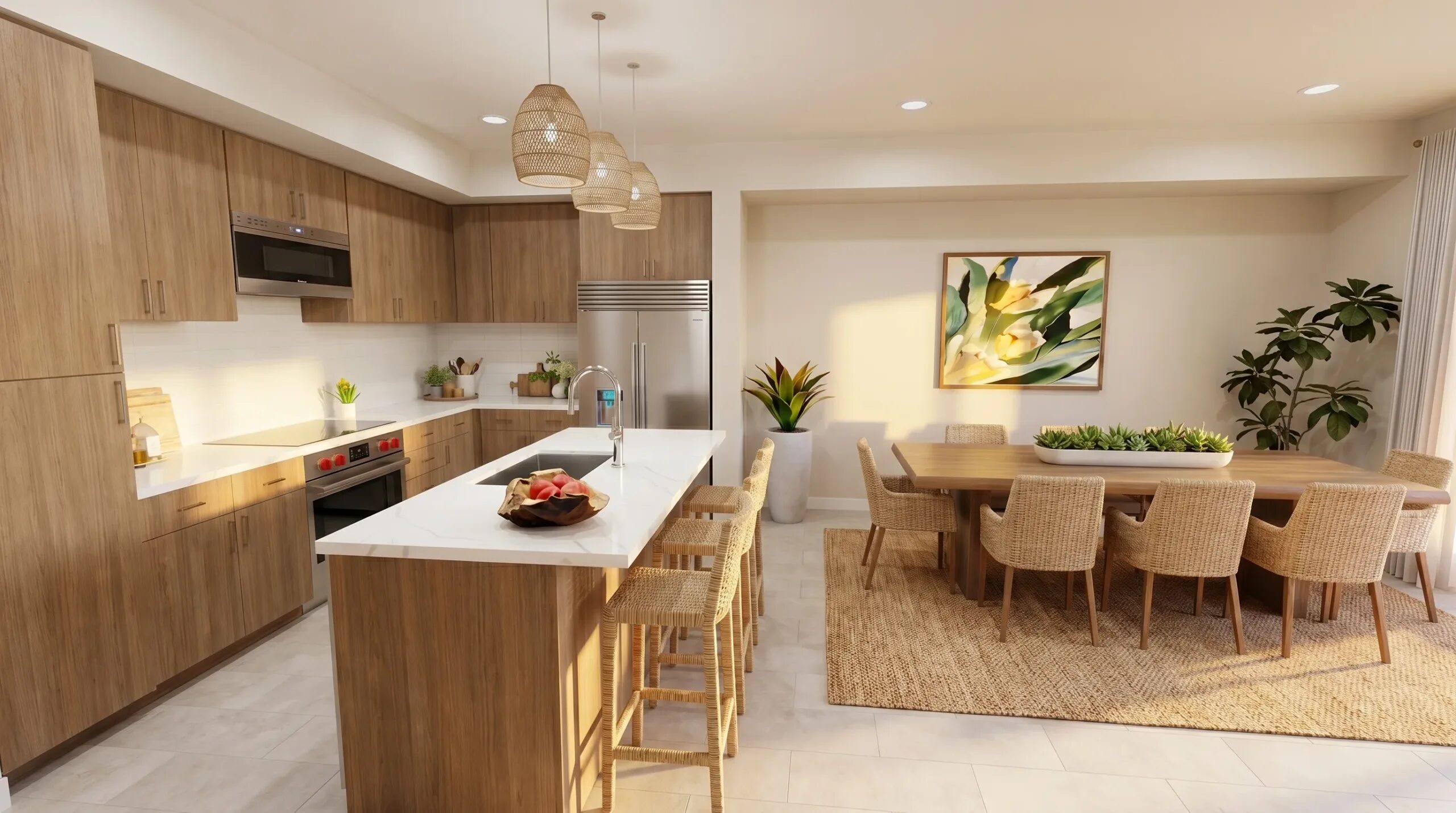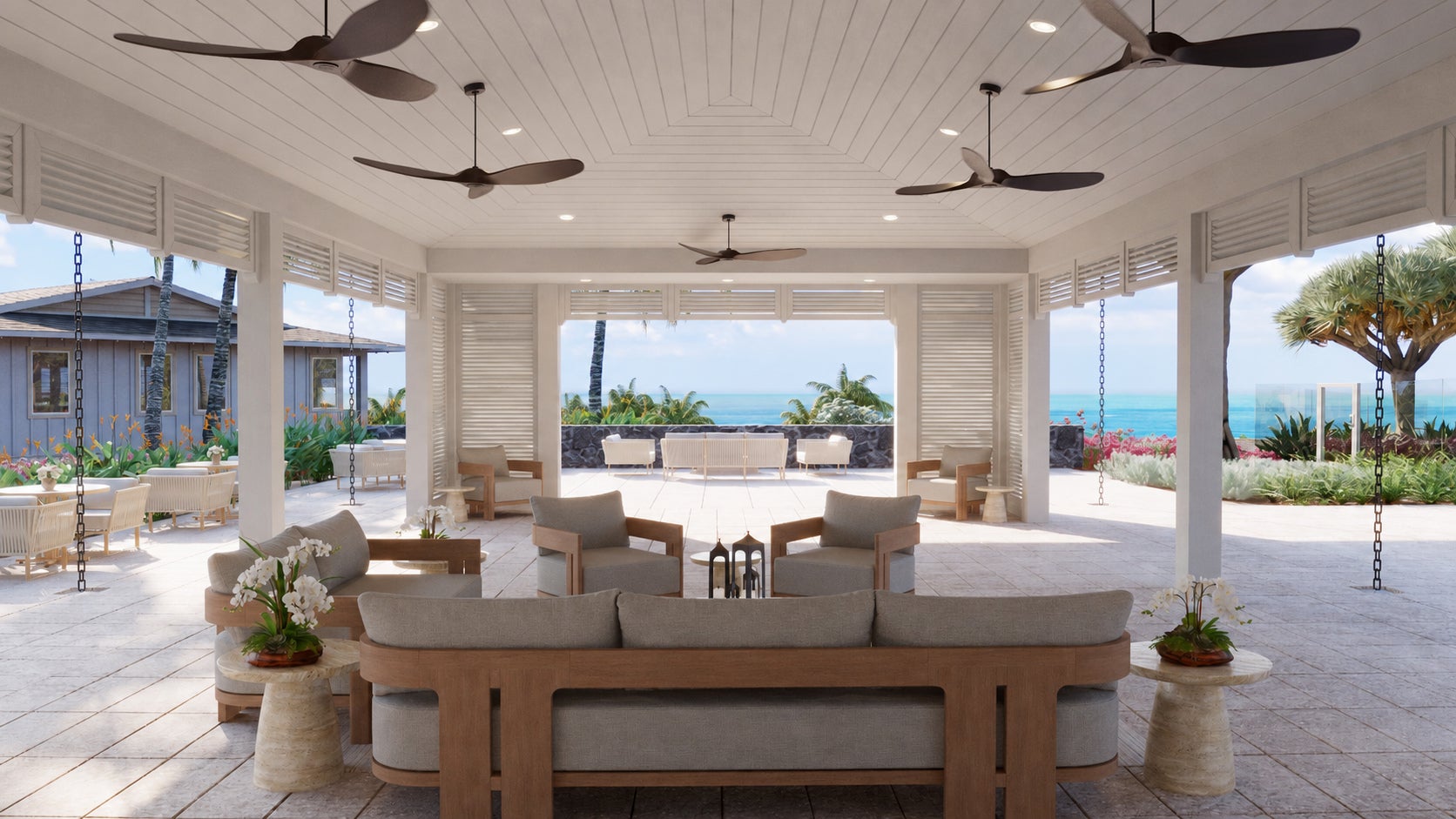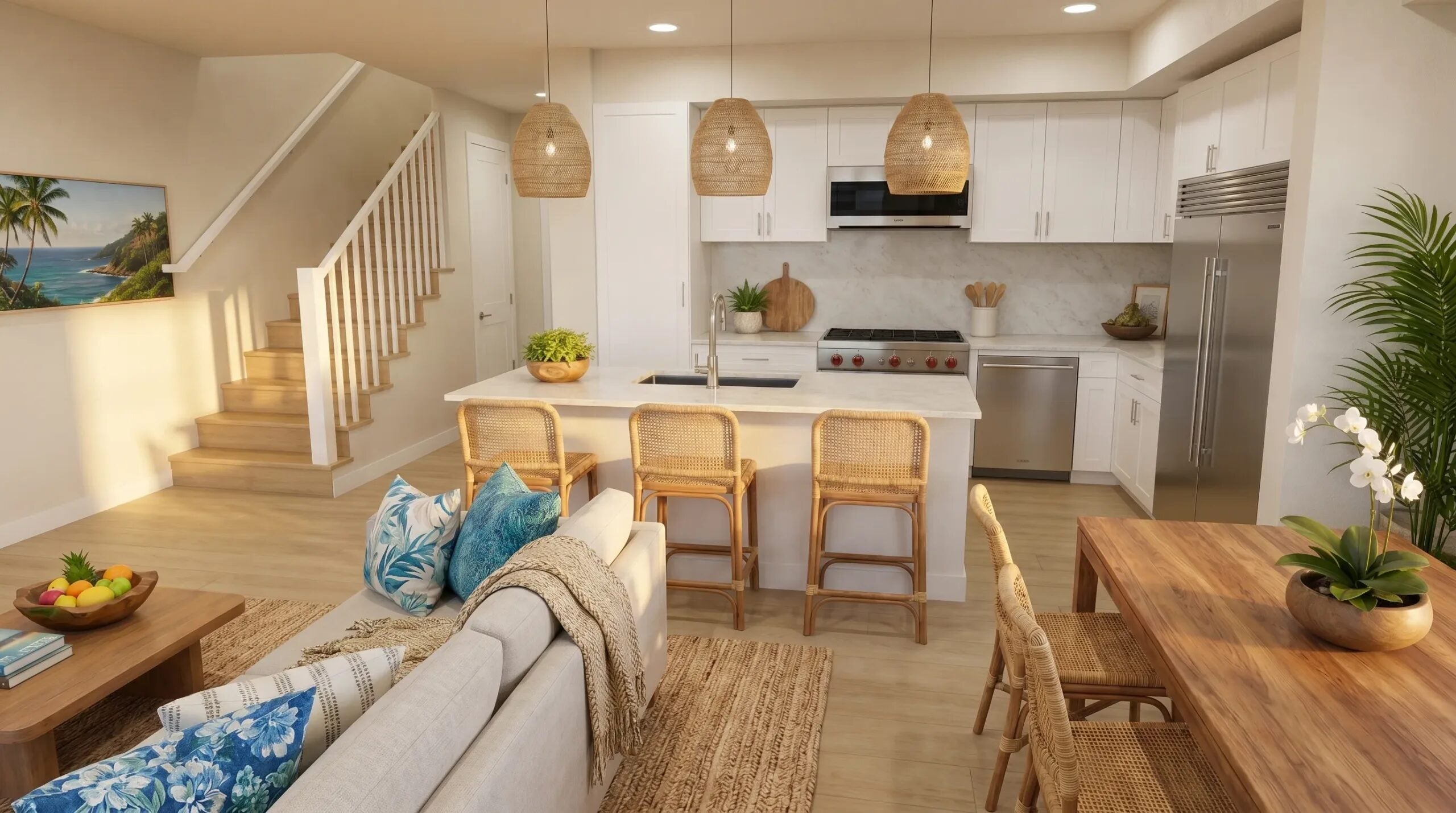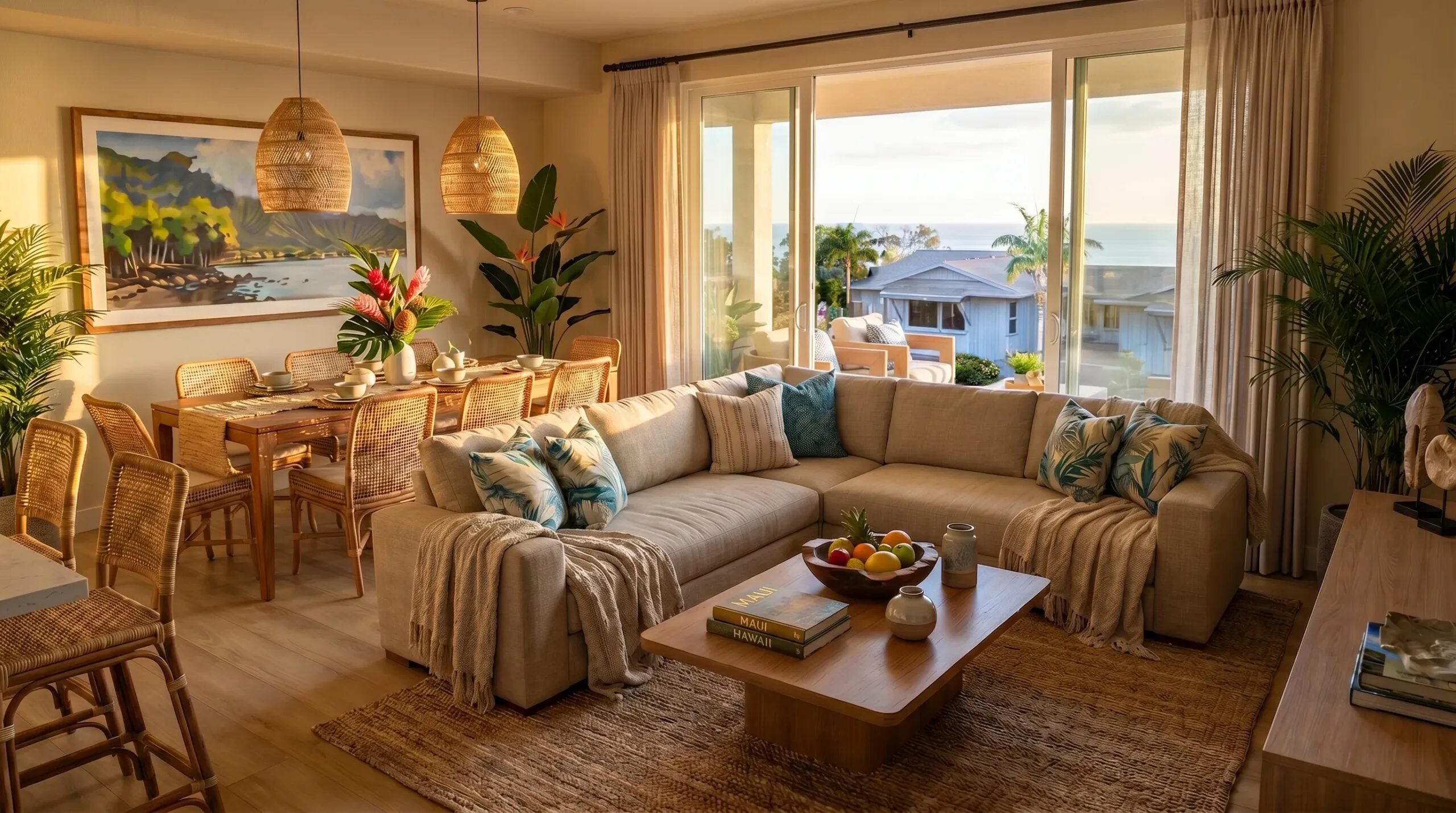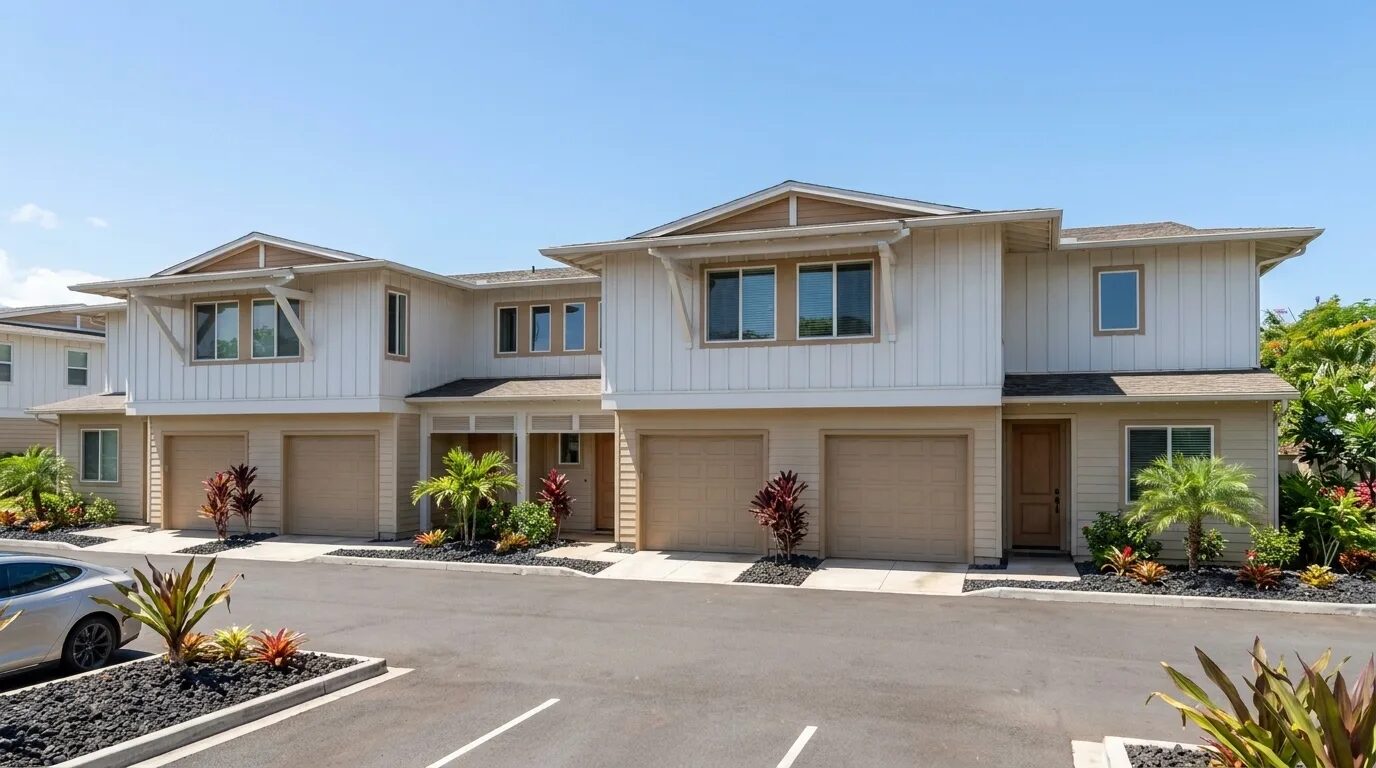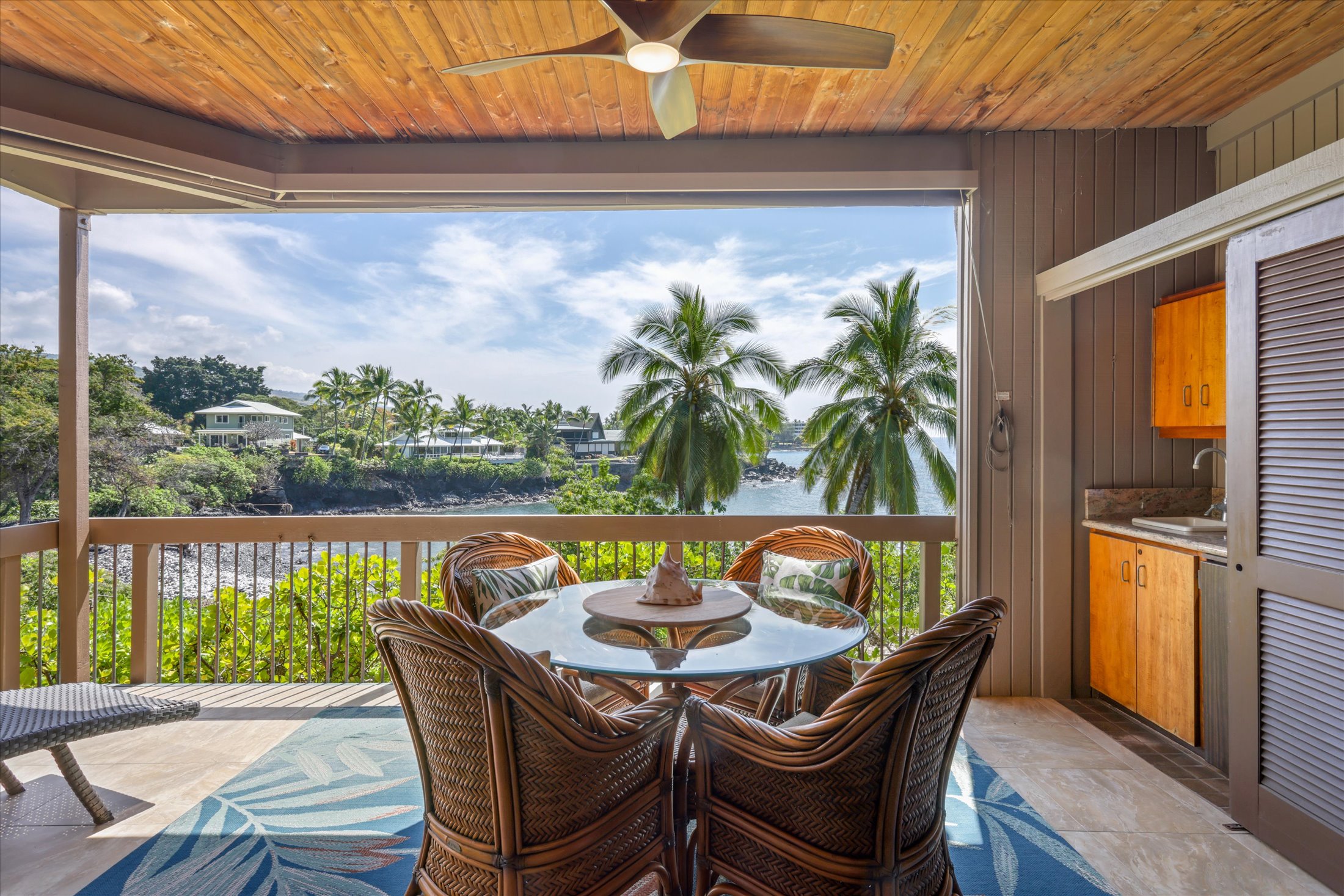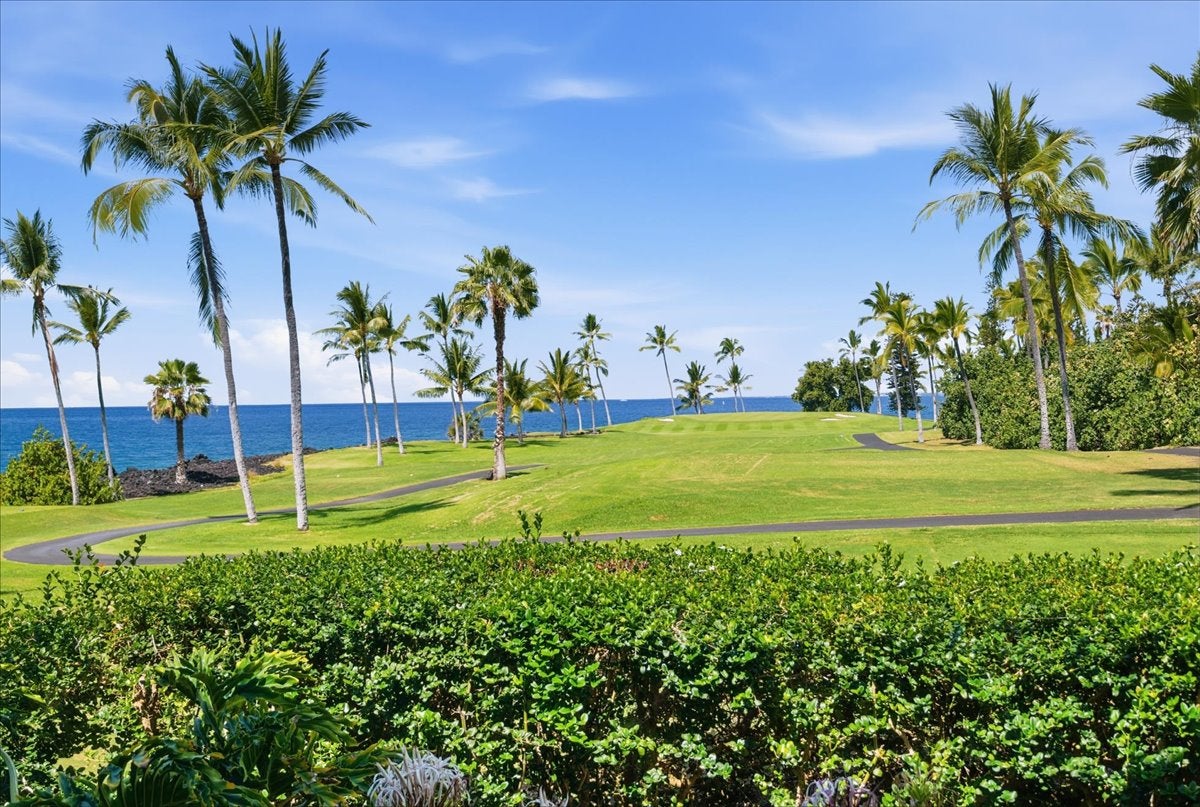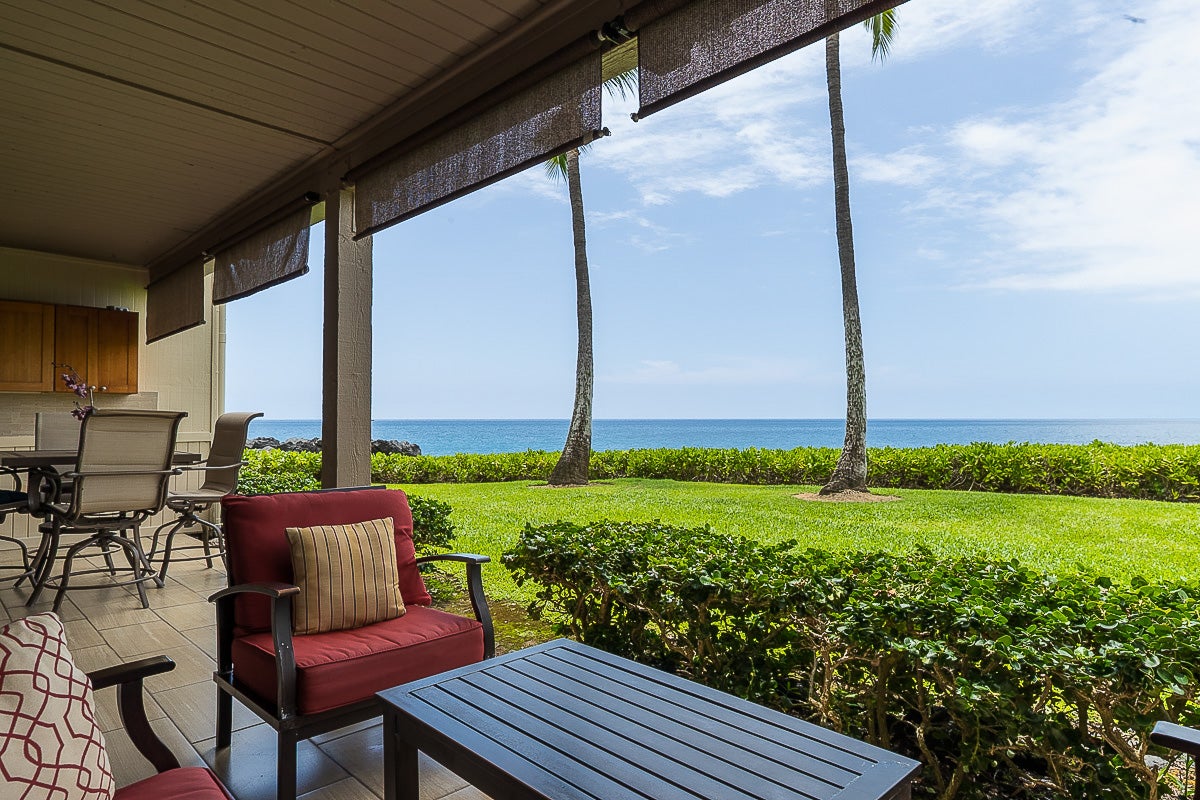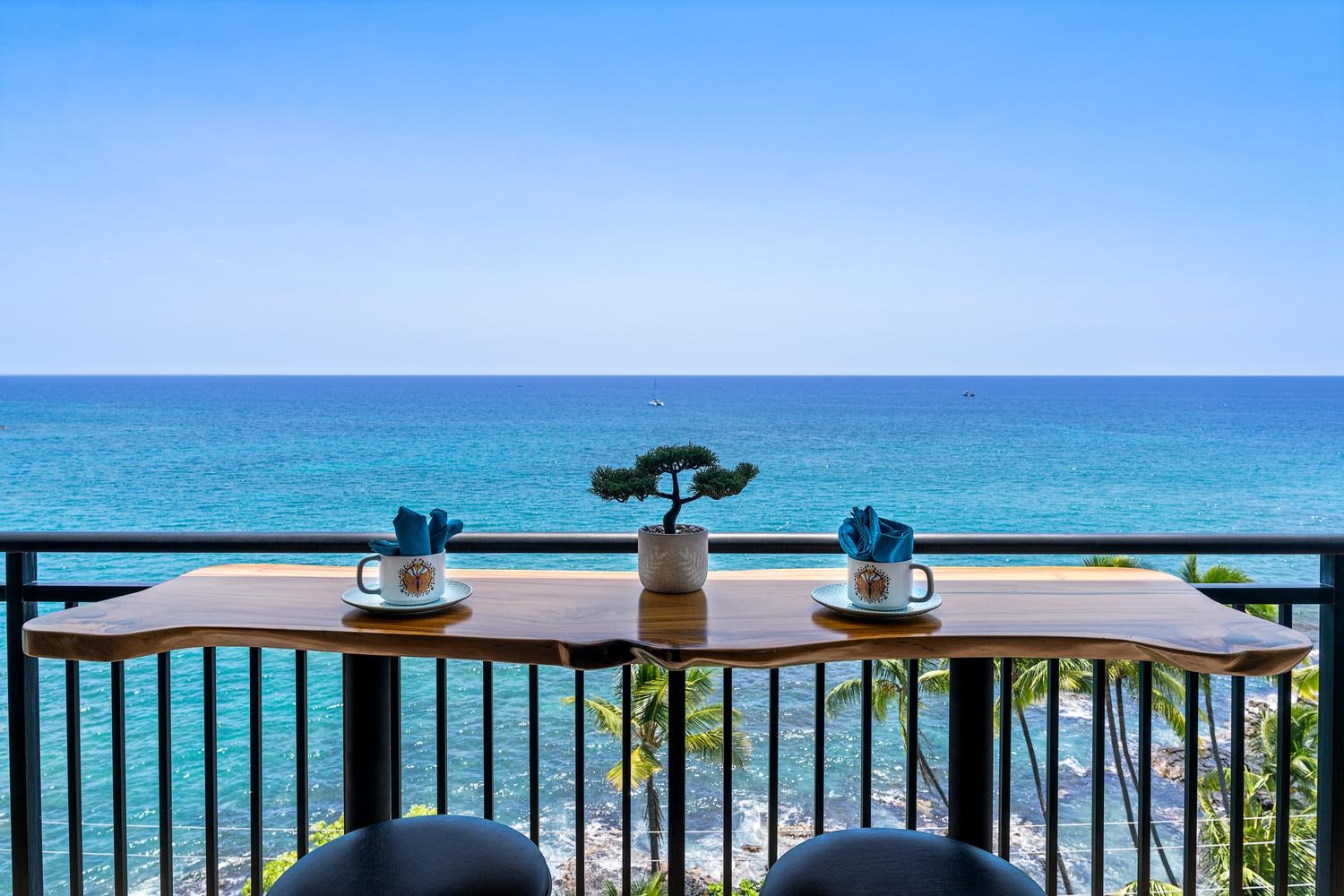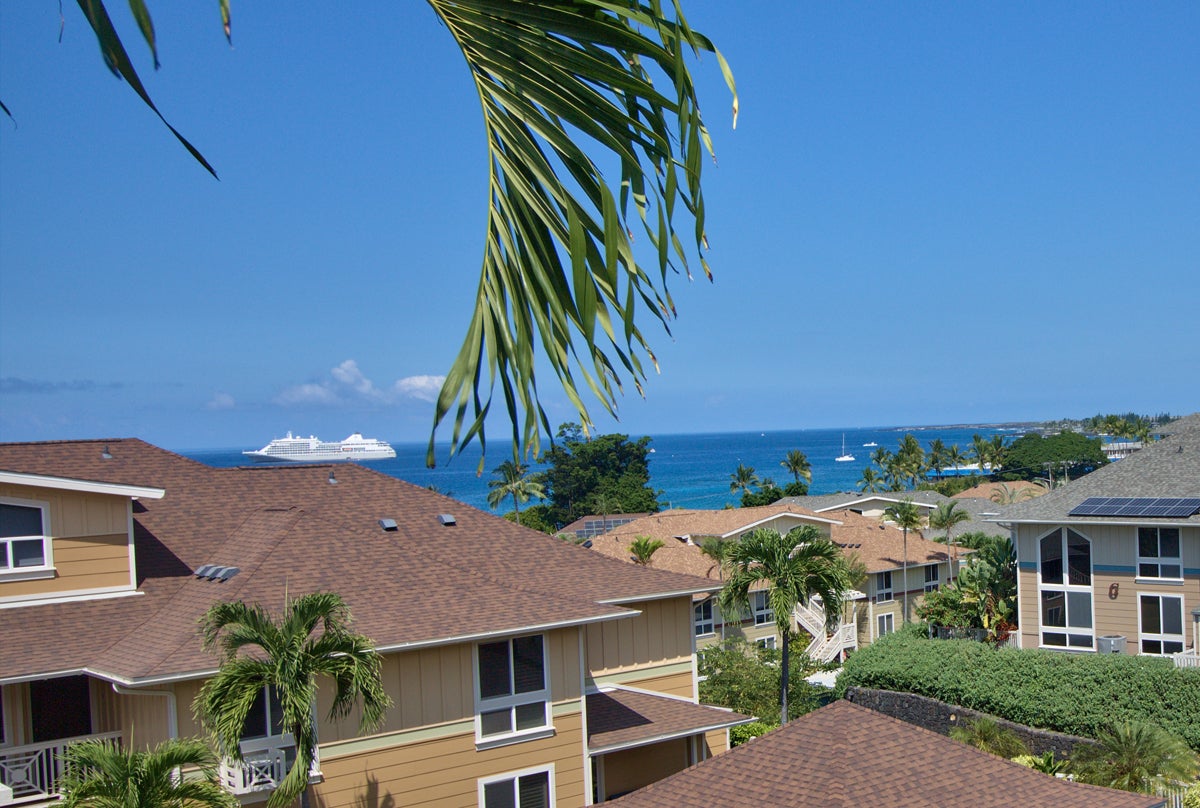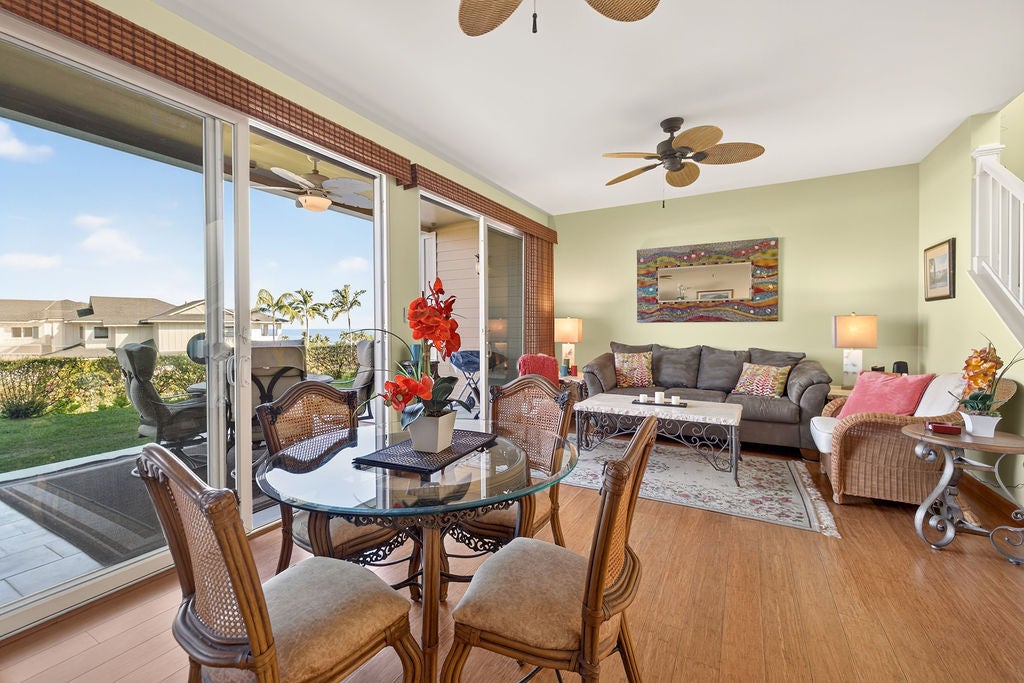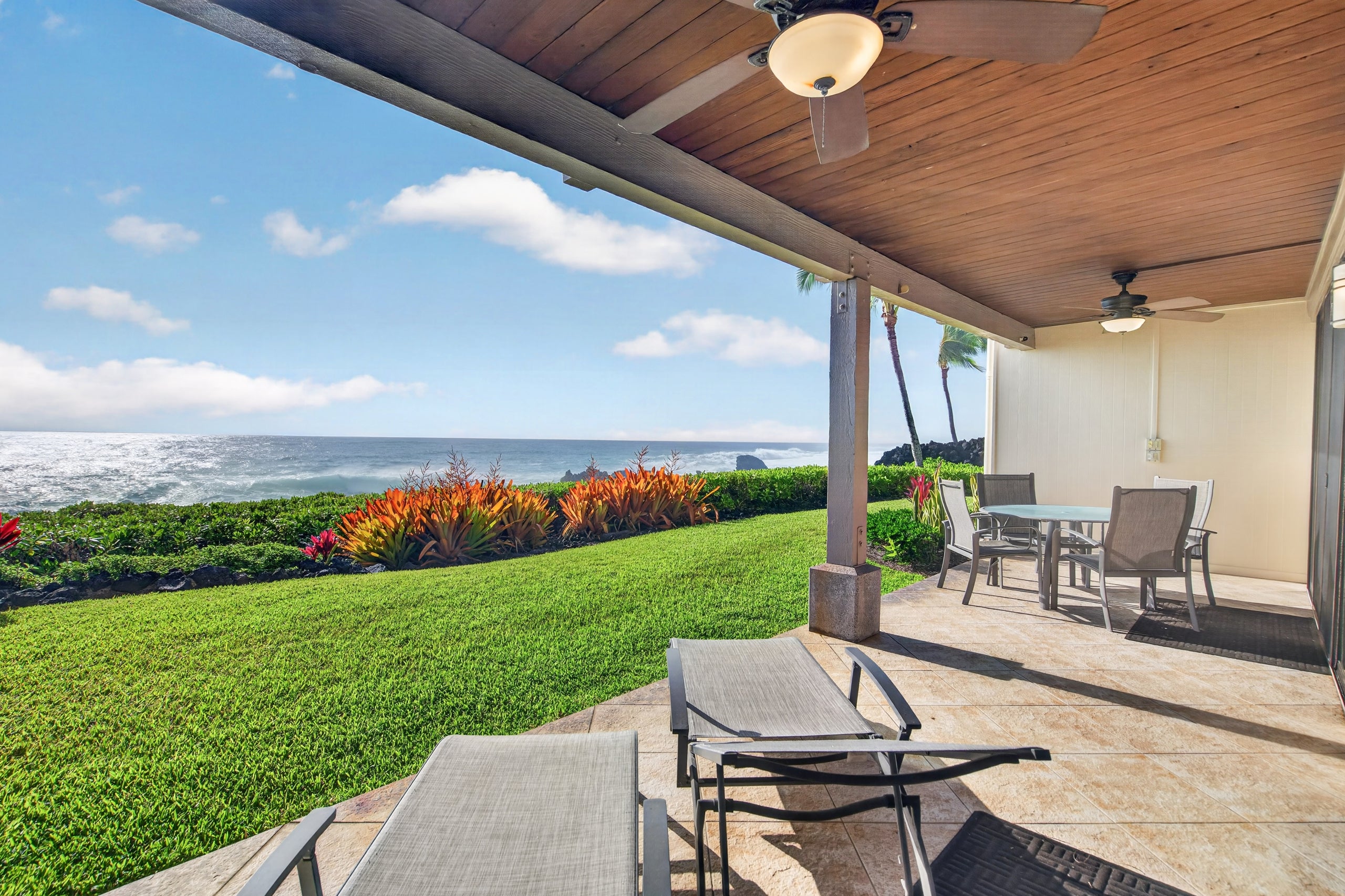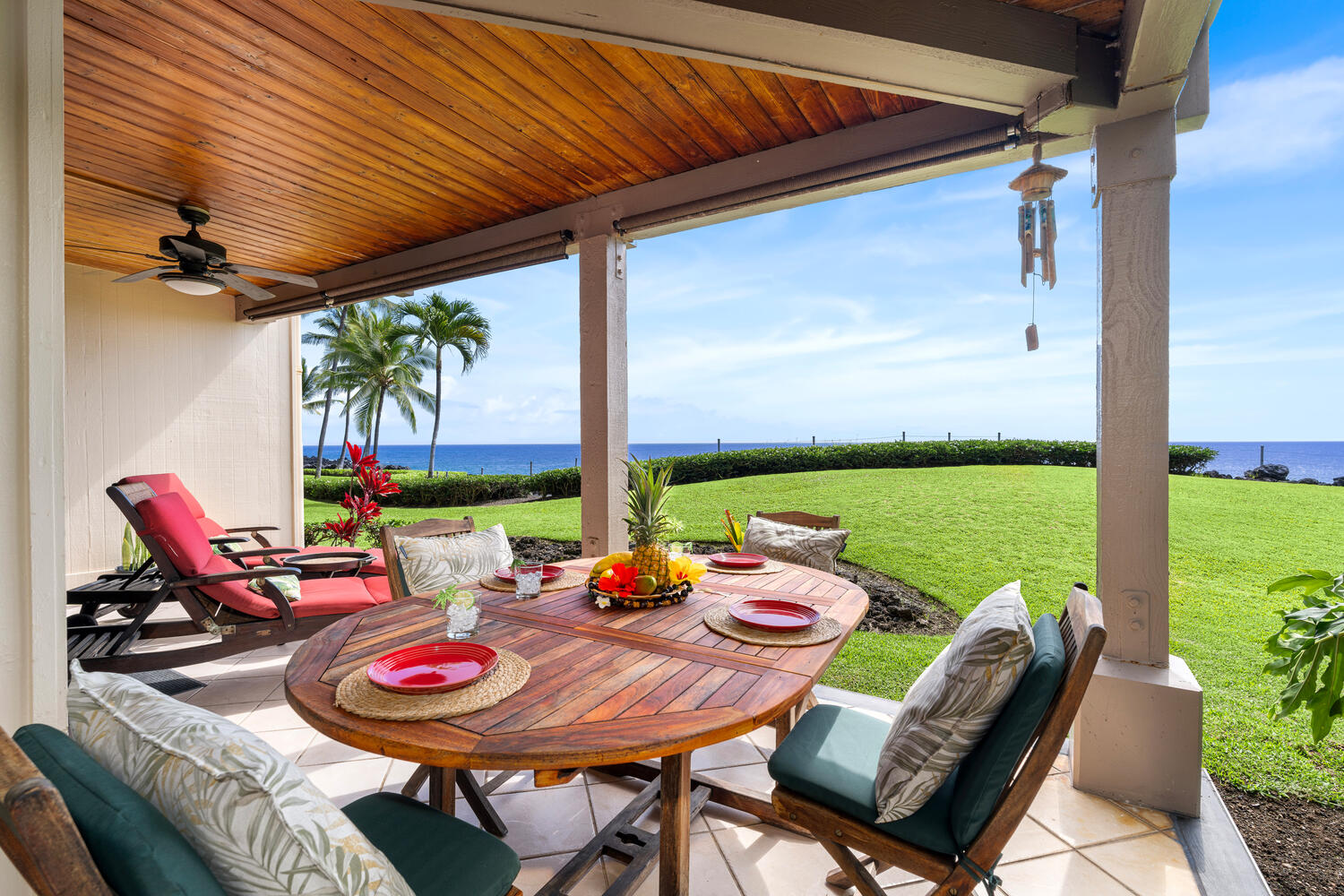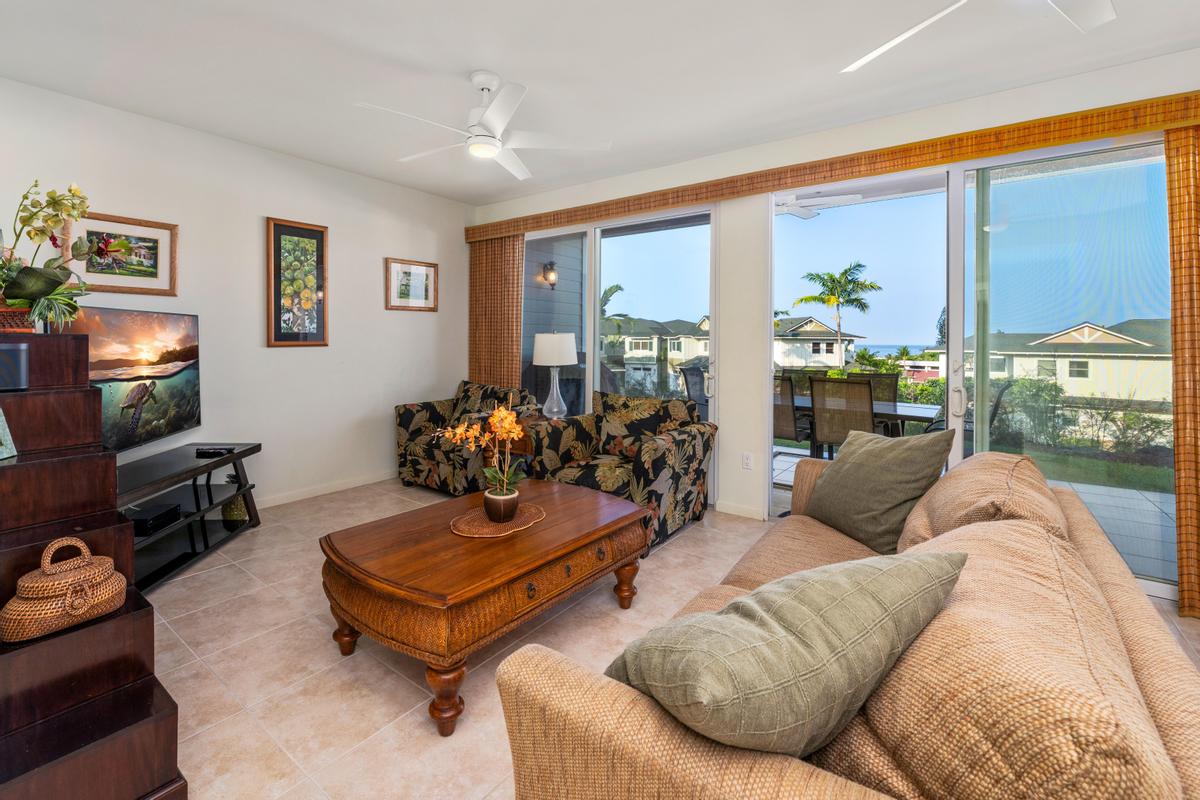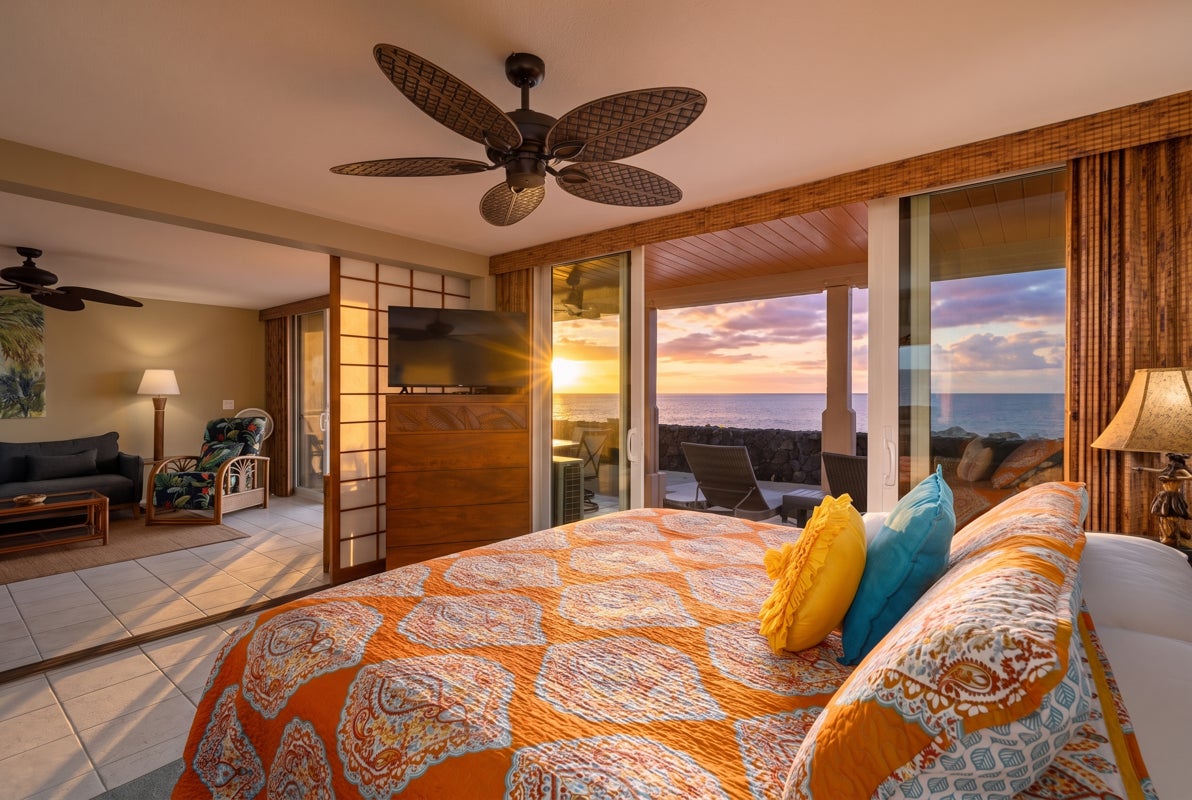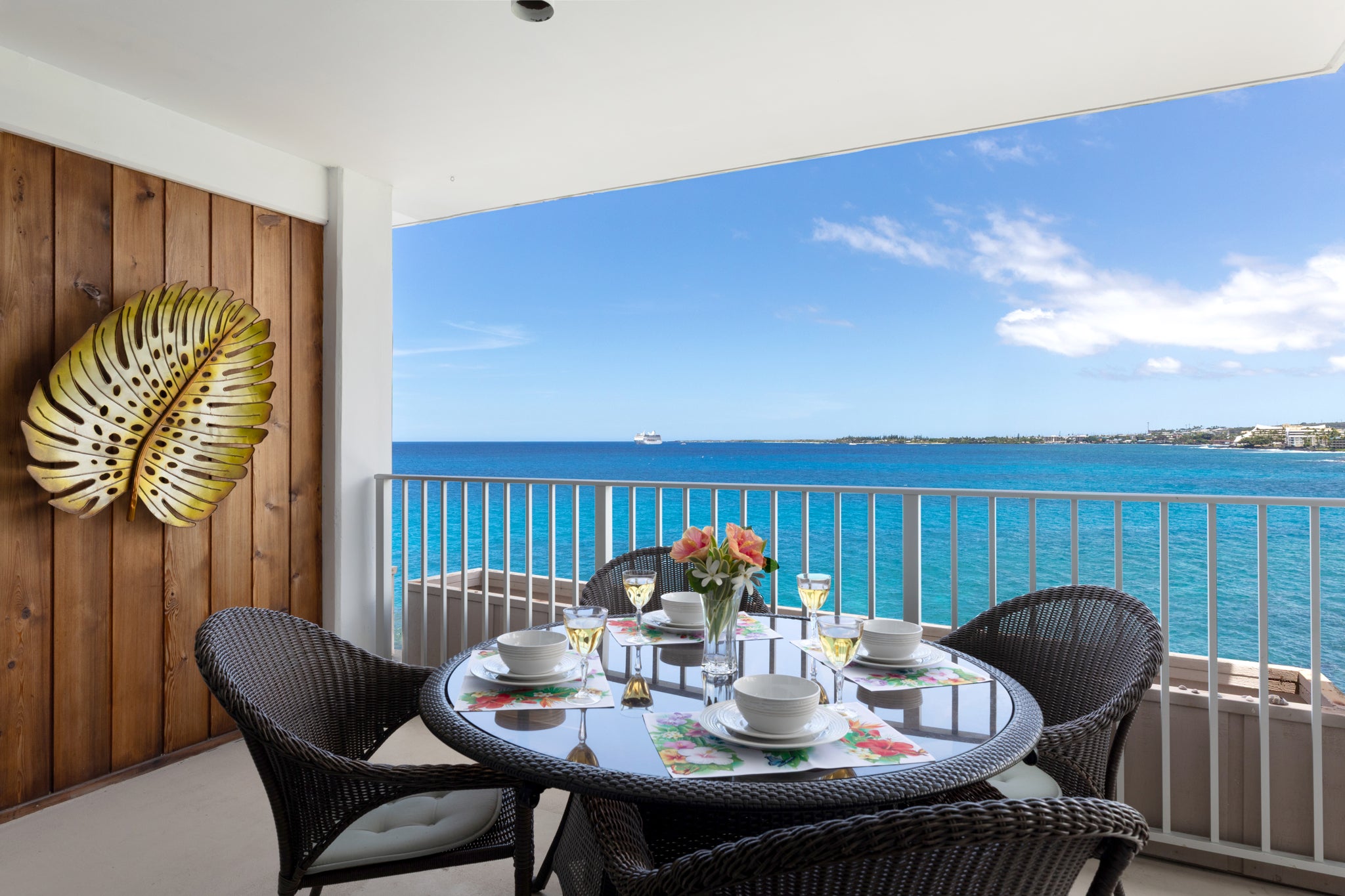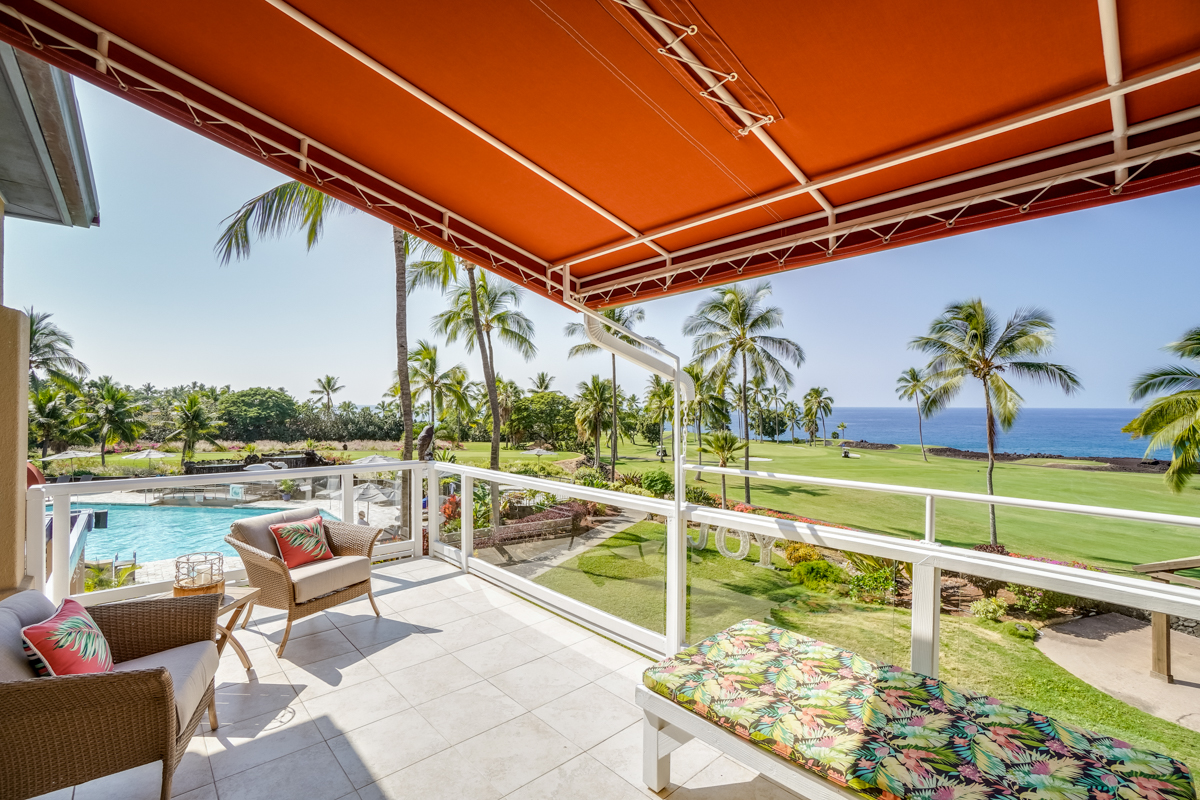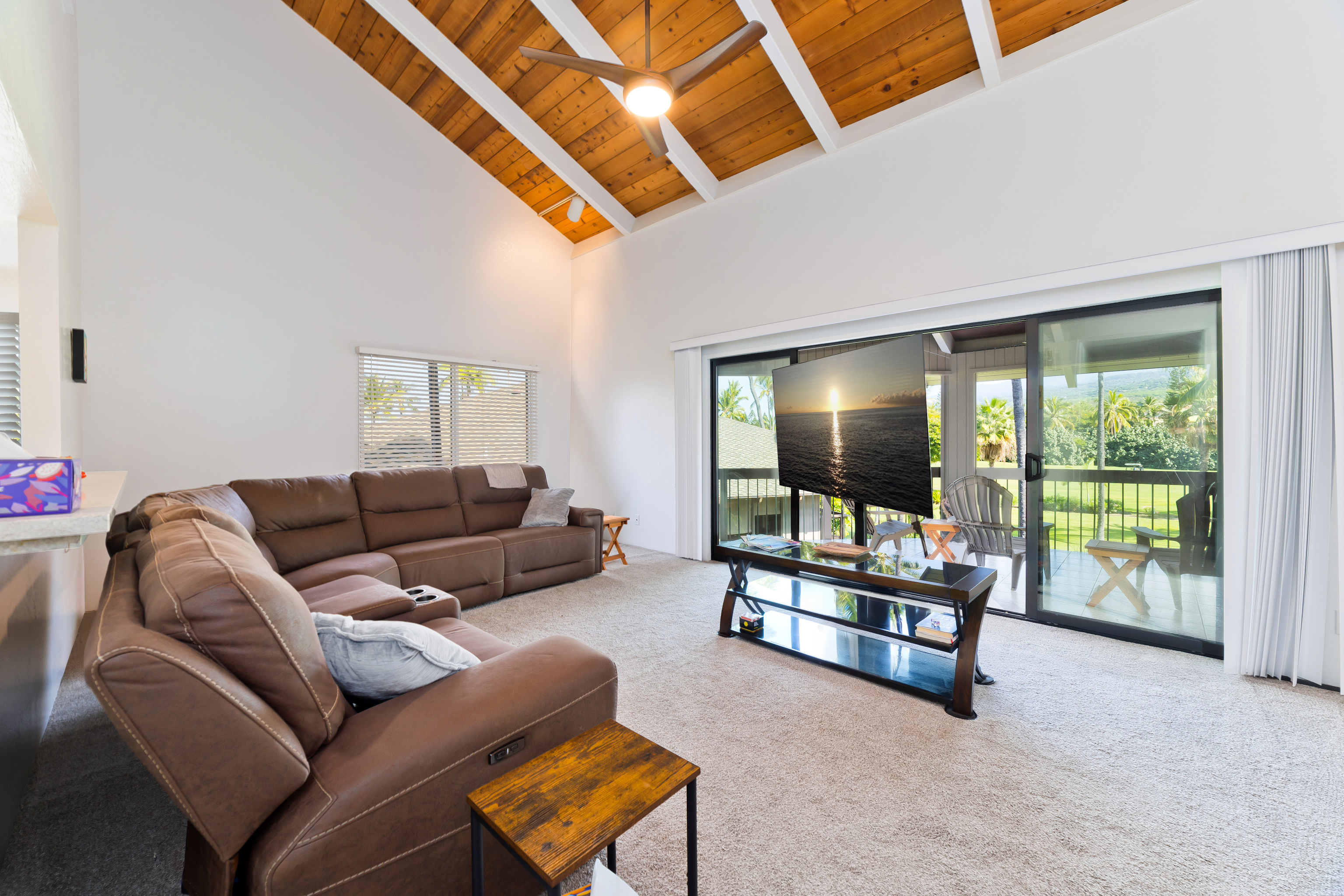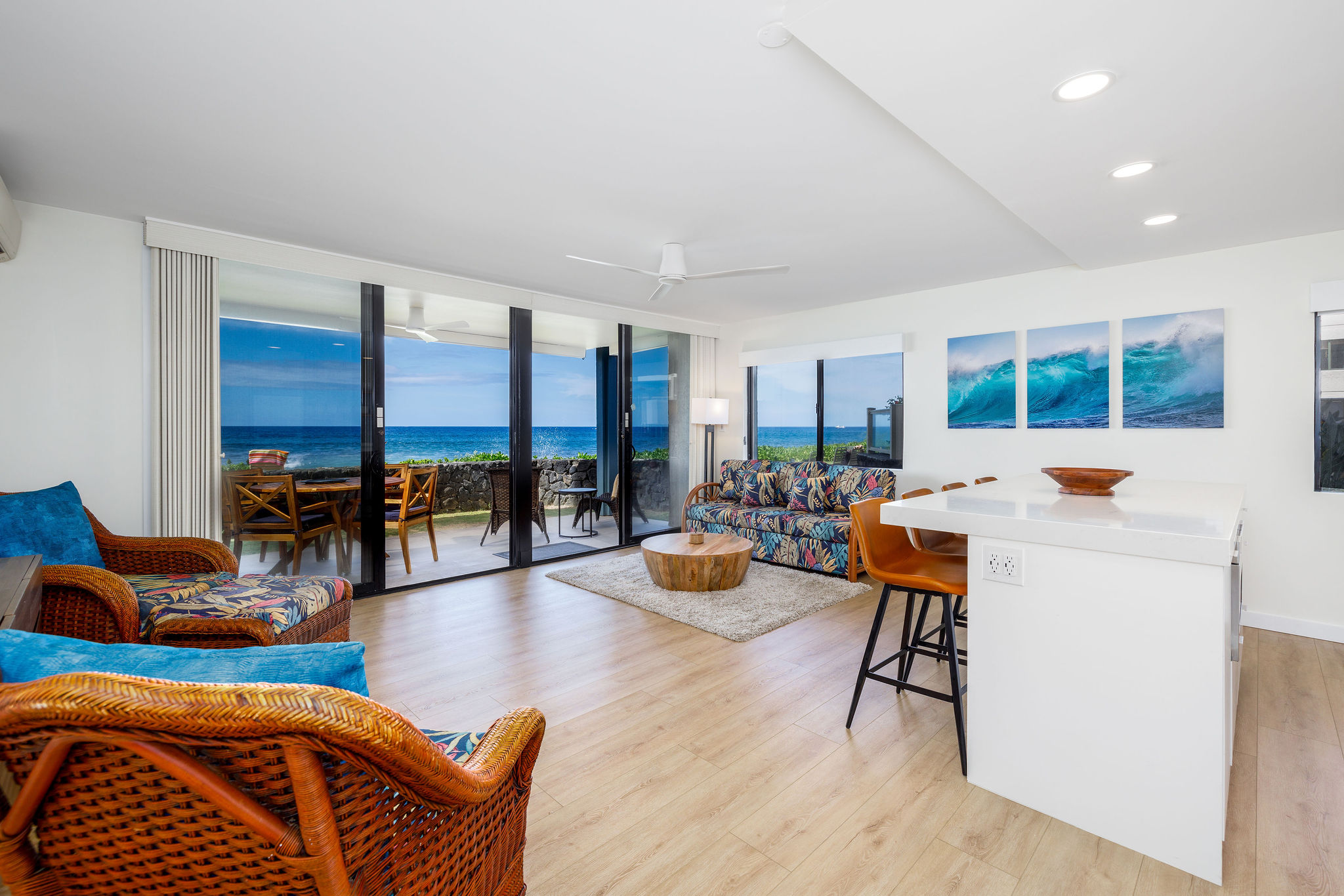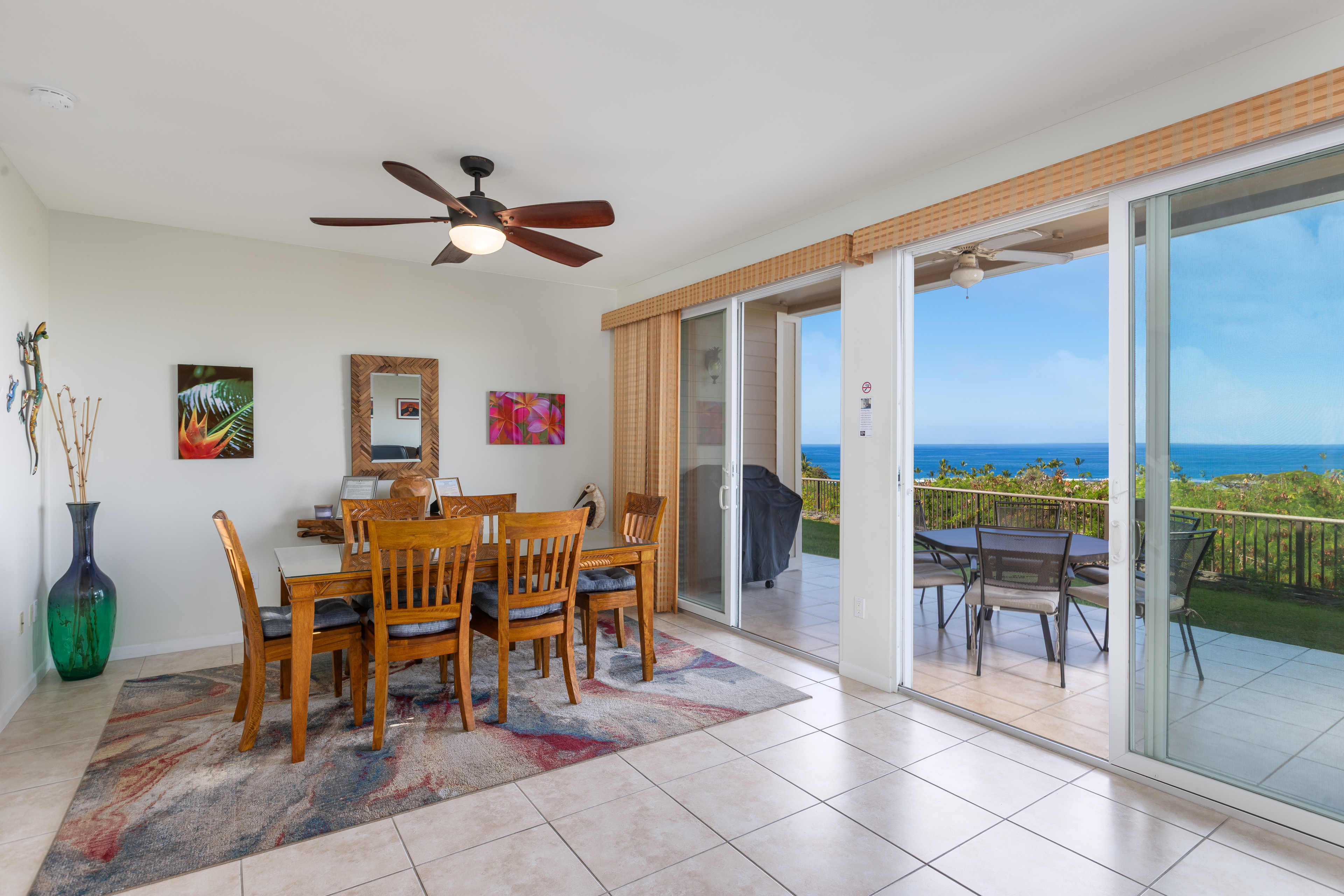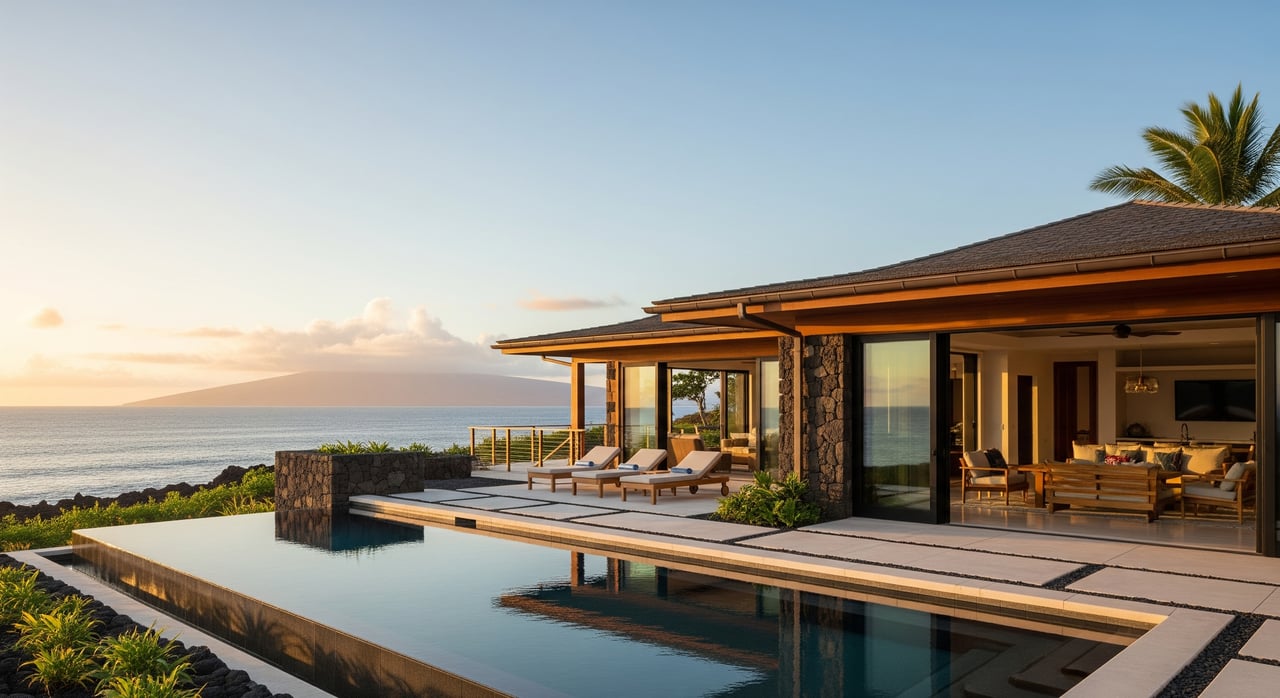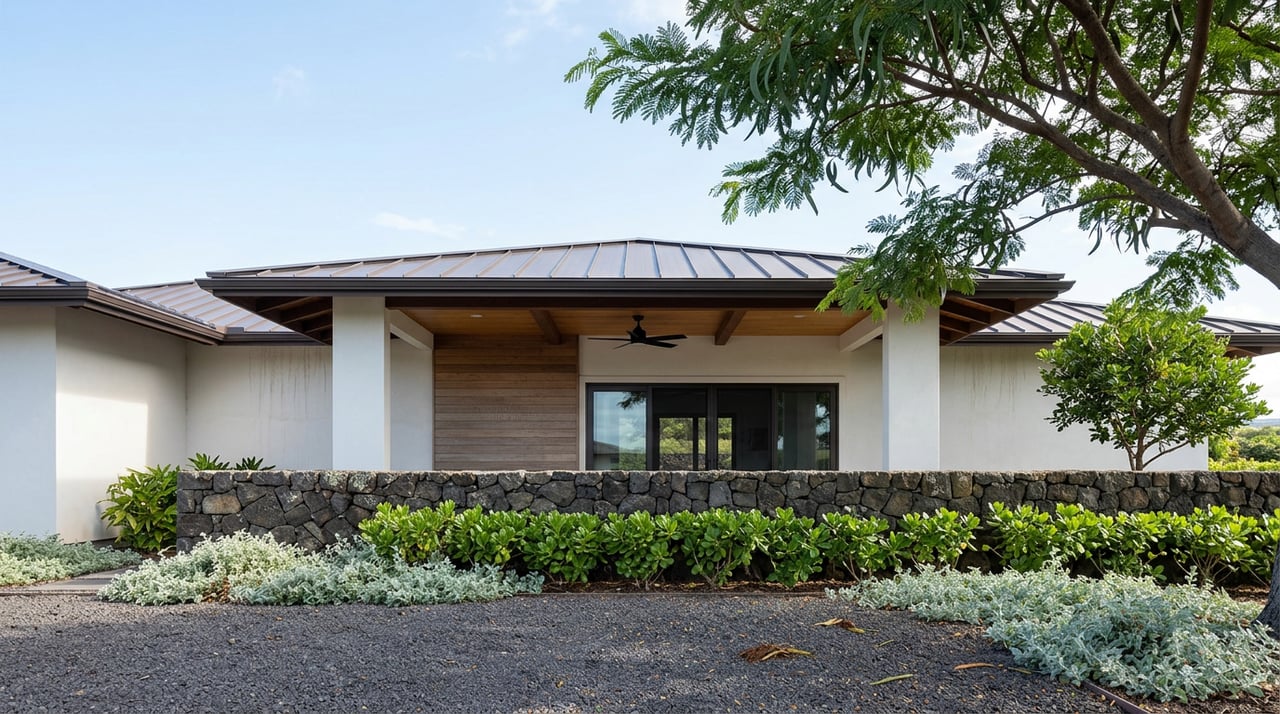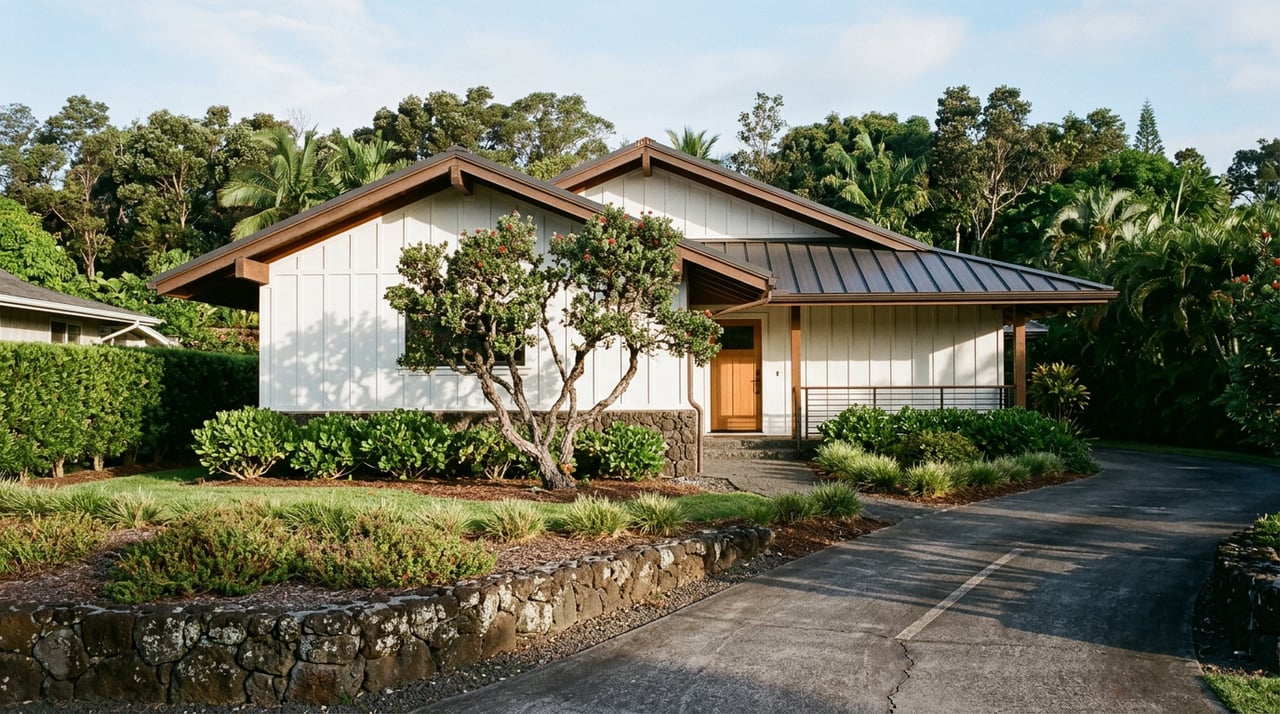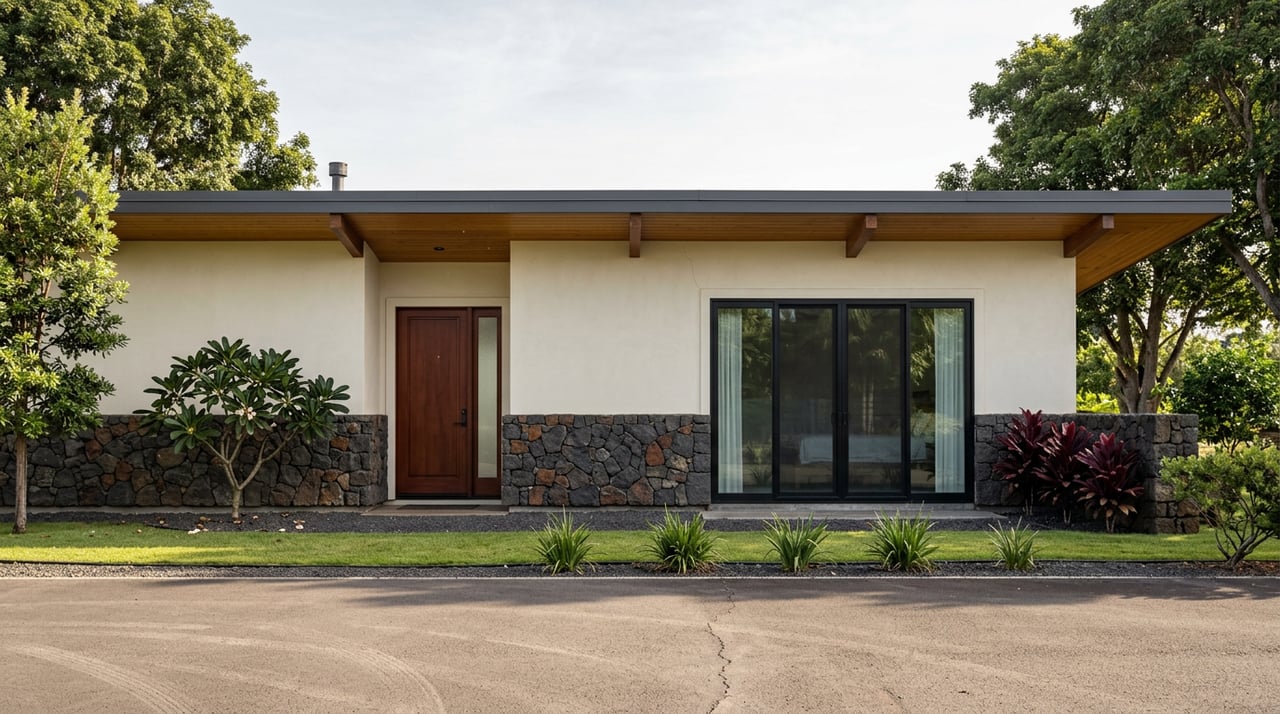
Condos in Kailua-Kona offer low-maintenance oceanfront and resort-area living at a lower entry price than single-family homes.
Kailua Kona, HI Housing Market Trends (JULY 2026)
Unlike other islands in the state—such as Oahu or Maui, which have implemented sweeping, aggressive crackdowns on short-term vacation rentals (STVRs)—and many mainland tourist hubs that ban them entirely, Hawaii County has a clearly defined, stable regulatory framework. Under local ordinance, new short-term rentals (stays under 30 days) are legally permitted as-of-right in specific resort-zoned nodes. In Kailua-Kona, these legally protected areas run directly along the famous oceanfront corridor of Aliʻi Drive and into Keauhou. By focusing on a condo in these designated multi-family resort zones, you can secure a property that allows you to offset your carrying costs through platforms like Airbnb or VRBO when you are not using it. This creates a reliable, dual-purpose asset—a personal vacation getaway and a legal income generator—in a state where such opportunities are rapidly disappearing.
When people think of buying a tropical property, they often overlook the hidden, compounding costs of weather and maintenance. On the mainland or even on the eastern, windward side of the Big Island (Hilo), extreme humidity, torrential rainfall, and mold are constant battlegrounds. Kailua-Kona operates in a unique microclimate sheltered by the massive peaks of Mauna Loa and Hualālai. The Kona coast is famously sunny and arid, receiving a fraction of the rainfall seen elsewhere in the state. For a condominium owner, this dry climate is a massive financial shield. It significantly reduces the wear and tear on the building’s exterior, slows down the corrosion of structural elements from salty air, and minimizes the risk of mold. This directly translates to more predictable, stable Homeowners Association (HOA) maintenance fees and a lower likelihood of sudden, expensive "special assessments" that frequently plague condos in wetter, storm-prone regions of the country.
To get walking-distance access to the ocean in places like Honolulu, South Maui, or coastal California, single-family homes routinely cost multiple millions of dollars, and even condos carry staggering premiums. Kailua-Kona’s unique layout features a high concentration of established condominium complexes built directly along the shoreline and the vibrant, walkable core of Kona town. Buying a condo here allows you to walk out your front door directly onto a white sand beach, a surf break, or a seaside cafe. Furthermore, because the Big Island is geologically younger and has more land mass than its neighbors, its real estate remains structurally more affordable. A condo in Kailua-Kona grants you premium, front-row access to a world-class ocean lifestyle at a price point that would buy you little more than a landlocked, highway-adjacent unit on Maui or Oahu.
Here are six frequently asked questions regarding buying a condo in Kailua-Kona, Hawaii
It depends entirely on the property’s specific zoning and the rules of the individual homeowners association (HOA). Under Hawaii County law, short-term vacation rentals (stays under 30 days) are generally restricted to designated resort-zoned areas, such as the complexes flanking Aliʻi Drive or Keauhou. Even if county zoning permits transient rentals, you must carefully check the condo’s Covenants, Conditions, and Restrictions (CC&Rs), as individual boards have the legal right to ban short-term rentals or enforce strict minimum-stay limits.
Kona condo maintenance fees vary wildly depending on the age of the building and its amenities, but they generally cover exterior structural upkeep, landscaping, pool maintenance, and master building insurance. In many older complexes along the coast, the monthly fee may also bundle in utilities like water, sewer, trash disposal, and basic cable or internet. It is vital to review the building's recent reserve study during your escrow period to ensure the association has enough cash saved to avoid sudden, expensive special assessments for major projects like roof replacements.
While the vast majority of condominiums currently listed for sale in Kailua-Kona are Fee Simple (meaning you own the unit and a fractional share of the land outright), you will still encounter Leasehold properties. In a Leasehold agreement, you only own the physical structure for a predetermined number of years while paying "land rent" to a lessor, and ownership reverts to the landowner when the lease expires. Financing a Leasehold property becomes incredibly difficult as the remaining lease term shortens, making it critical to confirm the tenure type with your real estate agent upfront.
Generally speaking, the majority of condominium developments on the Kona coast enforce strict "no pet" policies or limit animals exclusively to certified service and assistance animals. There are only a small handful of complexes in the region that openly permit traditional household pets, and even those usually impose strict caps on the animal's weight, size, and total number of pets allowed. If owning a pet is a non-negotiable part of your lifestyle, you must establish this filter at the very beginning of your property search to avoid falling in love with a restricted building.
Most condominiums in Kailua-Kona come with exactly one deeded or assigned parking stall, which can present a significant hurdle for multi-car households. If you intend to operate the property as a short-term vacation rental, Hawaii County tax and zoning regulations strictly require that your guests use your designated stall, leaving no on-site room for an owner's vehicle. Because extra open parking is incredibly rare in coastal complexes, units that feature a private garage or two dedicated stalls command a massive price premium and sell much faster.
If you generate income by renting out your condo on a short-term basis, you are legally required to register for and pay three distinct taxes to the state and county. You will be responsible for the State General Excise Tax (GET), the State Transient Accommodations Tax (TAT), and an additional 3% Hawaii County Transient Accommodations Tax (HCTAT). These cumulative taxes average around 13% to 18% of your gross rental income and must be filed regularly, with your official tax ID numbers prominently displayed on all online booking listings.
Whether you have questions about oceanfront listings, resort-area amenities, or the buying process, the team at Hawai'i Estates is here to help. Reach out to Kendra and Doug Powell today for local expertise and personalized guidance every step of the way.
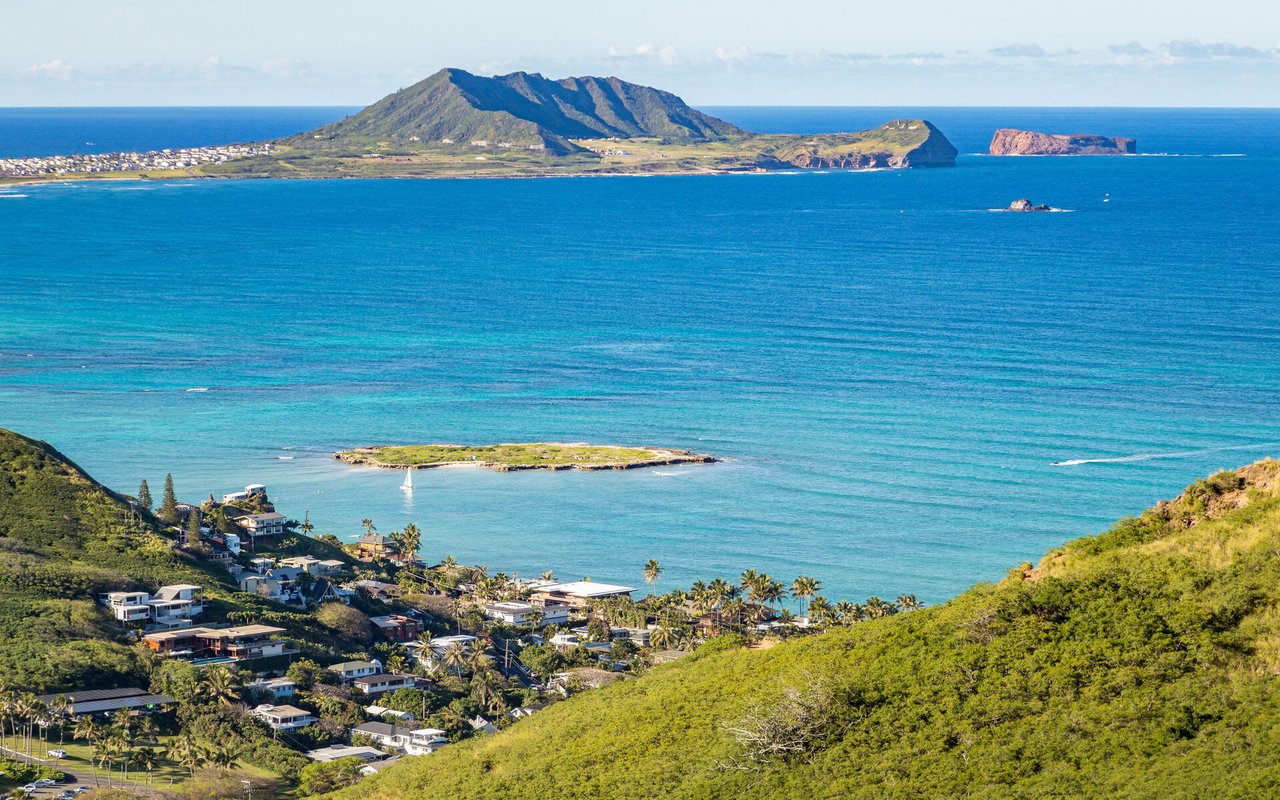
Explore everything Kailua-Kona has to offer in our complete neighborhood guide. From sun-soaked beaches and vibrant local dining to the distinct character of each community, we cover the details that help you picture life on Hawai'i's Big Island. Browse the guide below to get to know the area, then reach out to Hawai'i Estates when you're ready to find your place in Kailua-Kona.