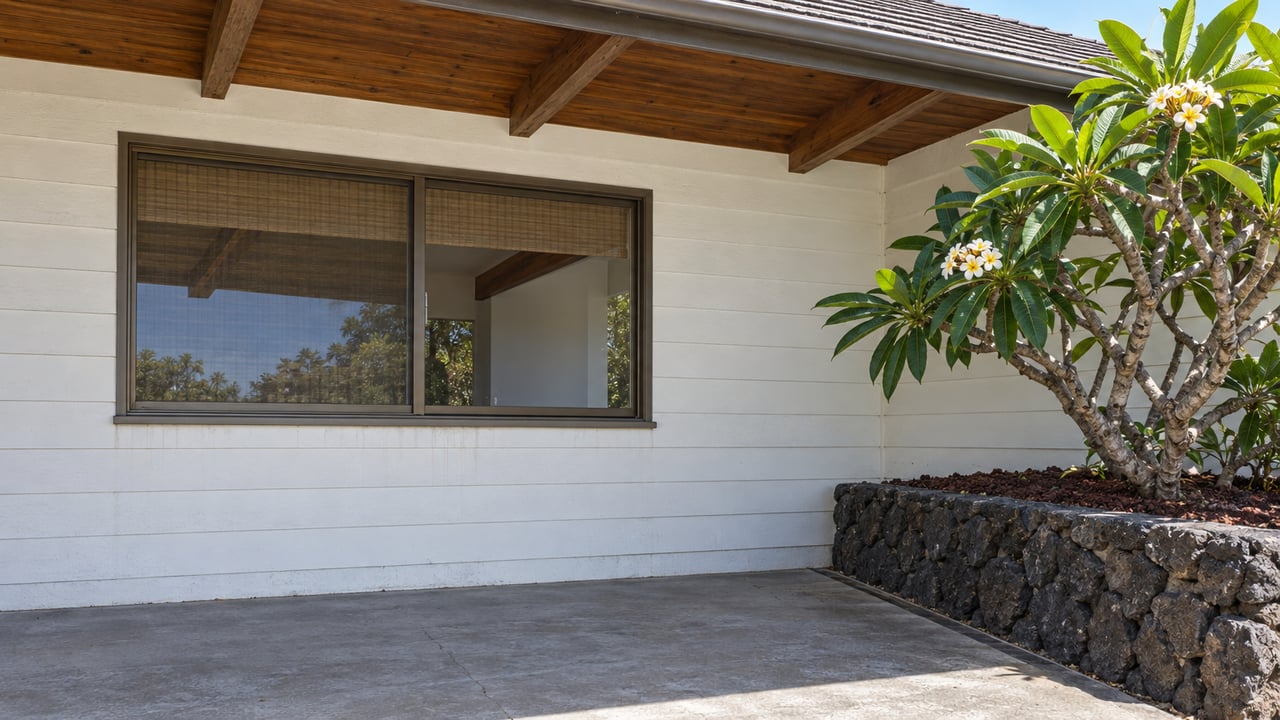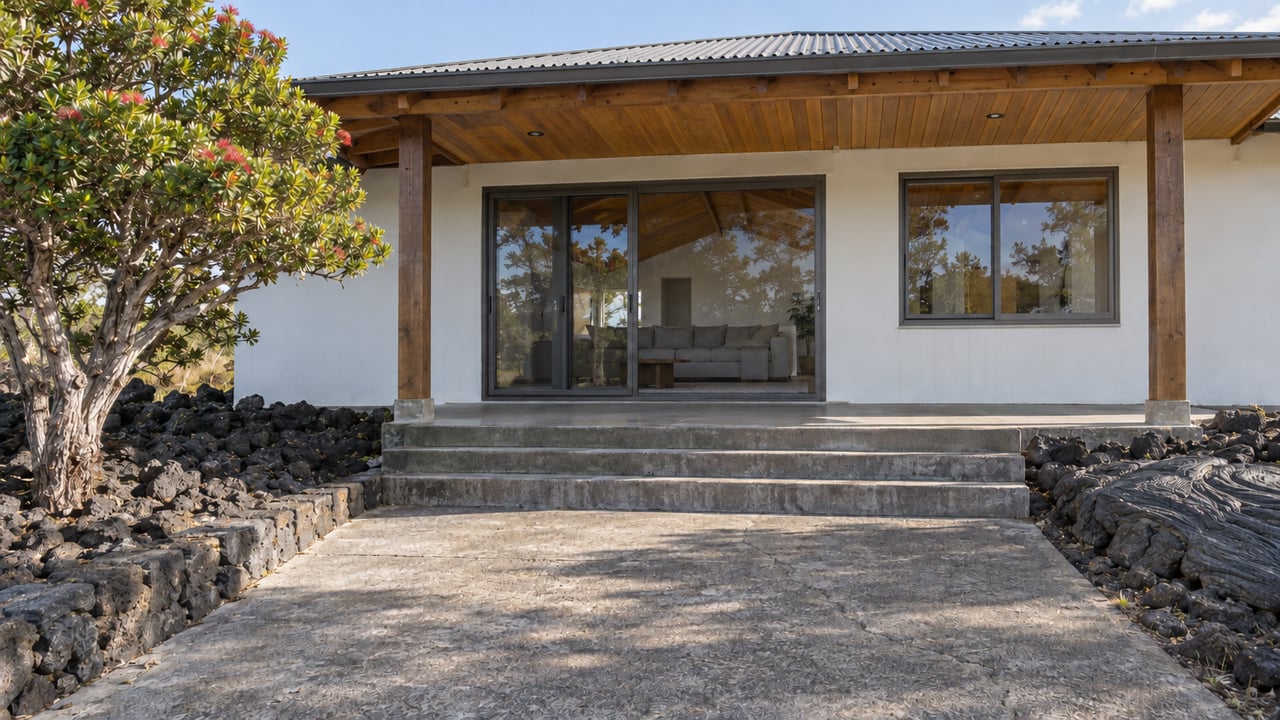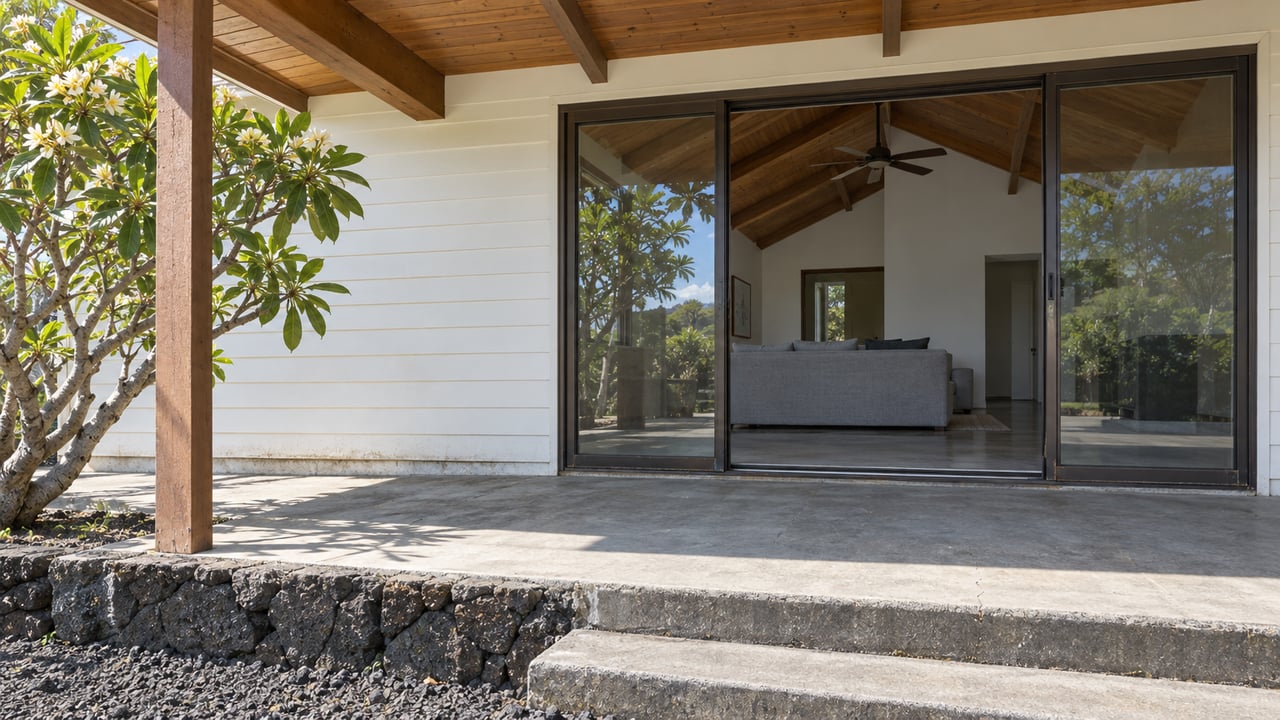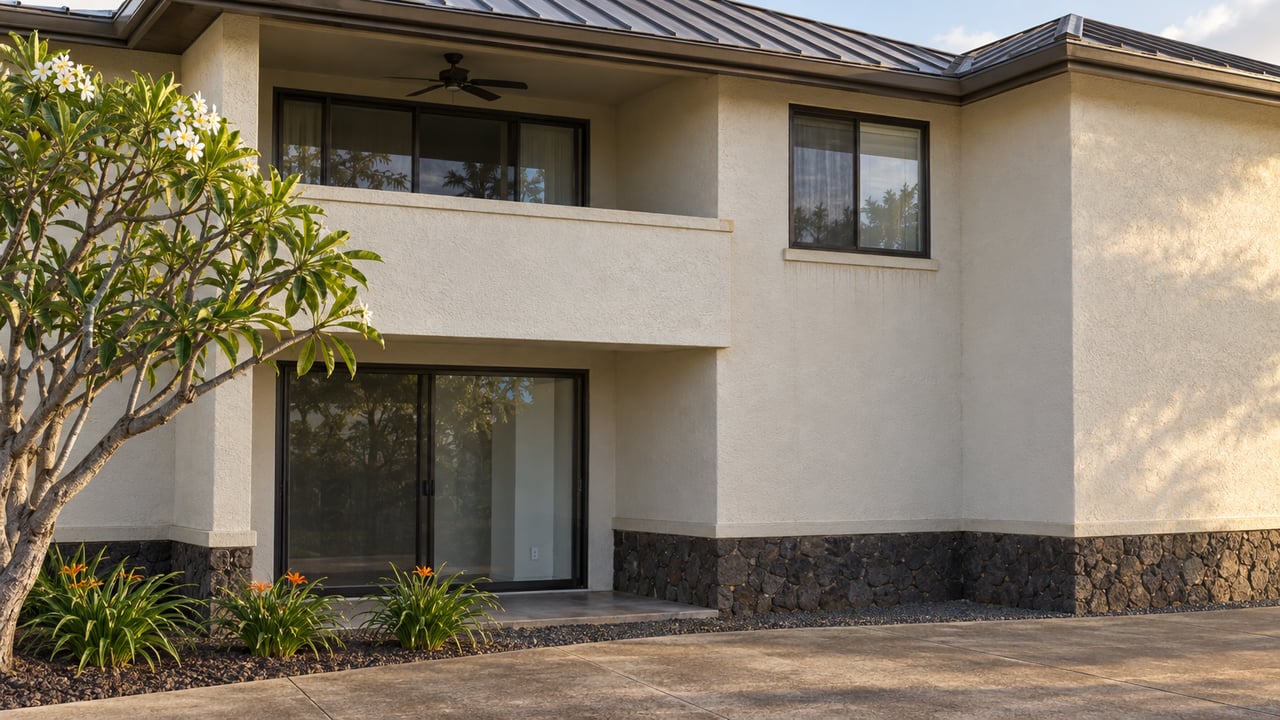
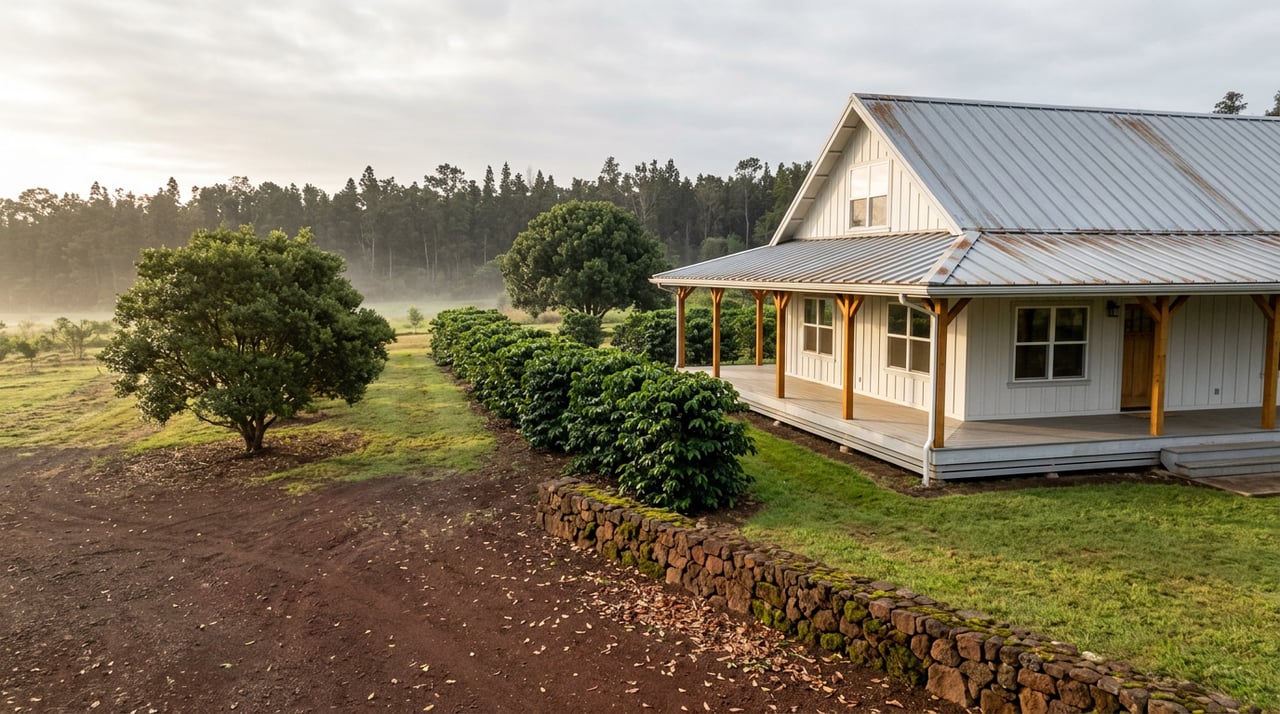
You're looking at a five-acre coffee parcel above Captain Cook, the kind of place with a plantation-era farmhouse and a lanai that faces the ocean over the treetops. The asking price sits comfortably in the low seven figures, which tracks with what working Kona coffee farms have been listing for through mid-2026, typically between one million and three million dollars for parcels running three to fifteen acres. Then you scroll to the tax line and it looks like a typo. A few hundred dollars a year on land worth that much.
It isn't a typo. It's a status the seller earned by farming, and it's a status you have to keep earning once the deed changes hands. The gap between what the land is worth and what it's taxed on is the whole story of buying agricultural land in South Kona, and almost nobody explains what happens to that gap the day you become the owner.
The Number Is a Production Value, Not a Market Value
Hawai'i County doesn't tax every acre the same way. Under the Hawai'i County Code, a parcel zoned agricultural and actively farmed can be assessed on what it produces rather than what it would sell for, which is why a coffee farm's tax bill can look nothing like a comparable house lot down the road. The county runs a few distinct tracks for this. Land where a farmer is raising food crops but hasn't committed to a formal multi-year dedication can qualify for a community food sustainability assessment, taxed at 30 percent of market value. Land under a short-term dedication, a shorter commitment aimed at lessees, gets assessed under a separate short-term rate. Land under a long-term dedication, the deepest commitment, is assessed on the land's agricultural-use value, which is where that startling few-hundred-dollar number usually comes from.
None of these are permanent classifications stamped onto the parcel. They're renewable statuses tied to what's happening on the ground right now, checked by the county, and revoked when the farming stops.
A South Kona Councilwoman Helped Rewrite the Rules in 2023
The 2023 proposals were covered by the Hawai'i Tribune-Herald. In 2023, the Hawai'i County Council took up two bills that repealed the old ten-year agricultural dedication program and replaced it with the categories in use today. The bills were introduced by Hamakua Councilwoman Heather Kimball and Michelle Galimba, who represented South Kona on the council at the time and is not seeking reelection this term.
The Hawai'i Tribune-Herald quoted Kimball saying the goal was “a pathway for everyone engaged in commercial agriculture to receive a tax benefit.” The new dedication allowed for fallow periods in orchards and pastures, rather than requiring continuous production on paper, and required applicants to submit a farm business plan to the county's Department of Finance. Long-term dedicated land could sit fallow for three years out of every ten without losing its status.
That 2023 overhaul set a July 1, 2024 sunset for the old dedication program, meaning owners with existing ten-year dedications had to reapply under the new rules or fall back to market-value assessment. If you're comparing that to a listing today, the practical lesson is to review the dedication requirements.
The Deadline Sits on the Calendar Every Year
The Kona Coffee Farmers Association says Hawai'i County's dedicated agricultural applications are due September 1 each year, and applicants who miss the deadline must wait another cycle.
For a buyer, the relevant question isn't whether September 1 matters to the current owner. It's whether the seller filed on time, whether the parcel's existing dedication term still has years left on it, and whether the paperwork transfers with the sale or has to be refiled the moment title changes hands.
| Assessment track | Basis for tax | Commitment | Filing deadline |
|---|---|---|---|
| Community food sustainability | 30% of market value | Annual, food crops only | September 1 |
| Short-term dedication | Short-term dedication rate | Up to 3 years | September 1 |
| Long-term dedication | Long-term agricultural-use value | Multi-year | September 1 |
What a Buyer Actually Inherits
Here's the part that catches people off guard at closing. A long-term agricultural dedication in Hawai'i County gets recorded at the State Bureau of Conveyances, which means it shows up on the title report like any other encumbrance. It travels with the land, not the person who filed for it. If the new owner doesn't continue the same qualifying agricultural use, the county can cancel the dedication and impose a rollback tax, calculated as the difference between what was actually paid and what would have been owed at full market value, applied retroactively.
That means the tiny tax bill on the listing sheet isn't a gift that transfers cleanly. It's closer to a lease you're stepping into. Keep farming and the number stays small. Let the coffee trees go untended, convert the acreage to a house lot, or simply not file the paperwork on time, and the county can impose a rollback tax.
What to Check Before You Write an Offer
- Ask which track the current dedication falls under, community food sustainability, short-term, or long-term, and how many years remain on it.
- Request the seller's most recent Schedule F or state general excise tax filing that was submitted to support the dedication. If there isn't one, the status may already be at risk.
- Pull the preliminary title report and confirm whether a long-term dedication is recorded at the Bureau of Conveyances. If it is, understand that obligation moves with the deed.
- Ask your escrow team to flag any pending or unresolved county inspection findings tied to the agricultural use before you close.
- If you don't intend to keep farming, budget for the rollback exposure as part of your offer, not as a surprise afterward.
FAQ
Does the tax break transfer automatically when I buy the land? The dedication status transfers with the parcel, but the obligation to keep farming transfers with it too.
What counts as enough farming to keep the status? The county's threshold isn't steep on paper, generally built around demonstrated income from the crop and documentation like a Schedule F or the state's general excise tax form, but it has to reflect actual production, not a few backyard trees.
Can I carve out a homesite without losing the dedication on the rest of the parcel? Farm plans submitted to the county typically subtract a small homesite allowance from the total dedicated acreage, a detail the Kona Coffee Farmers Association walks farmers through each filing season. The working orchard acreage still has to meet the production standard on its own.
If the current owner's dedication lapses before closing, what should I check? Check the filing history before you write an offer; it matters more than the number on the current tax bill.
A coffee farm's tax line tells you what the last owner did with the land. It doesn't tell you what you're required to do with it next. That's the kind of detail that's easy to miss reading a listing sheet from a desk on the mainland and much harder to miss once you've walked the rows with someone who's read a Hawai'i County farm plan before.
If you're weighing a South Kona parcel and want a second set of eyes on what the tax status actually commits you to, Hawai'i Estates can walk the numbers with you before you write an offer. Get your Instant Home Valuation and start the conversation with the questions that actually matter.
This article is general information, not legal, tax or financial advice. Consult a qualified professional about your situation.