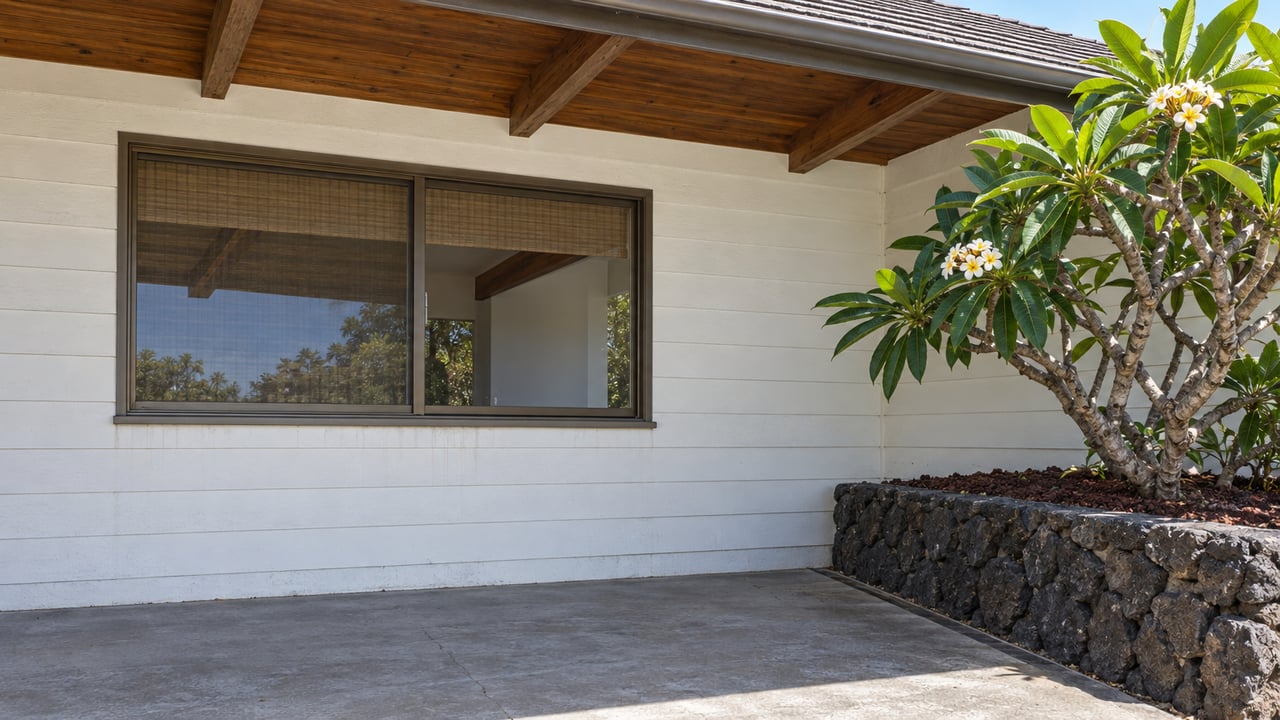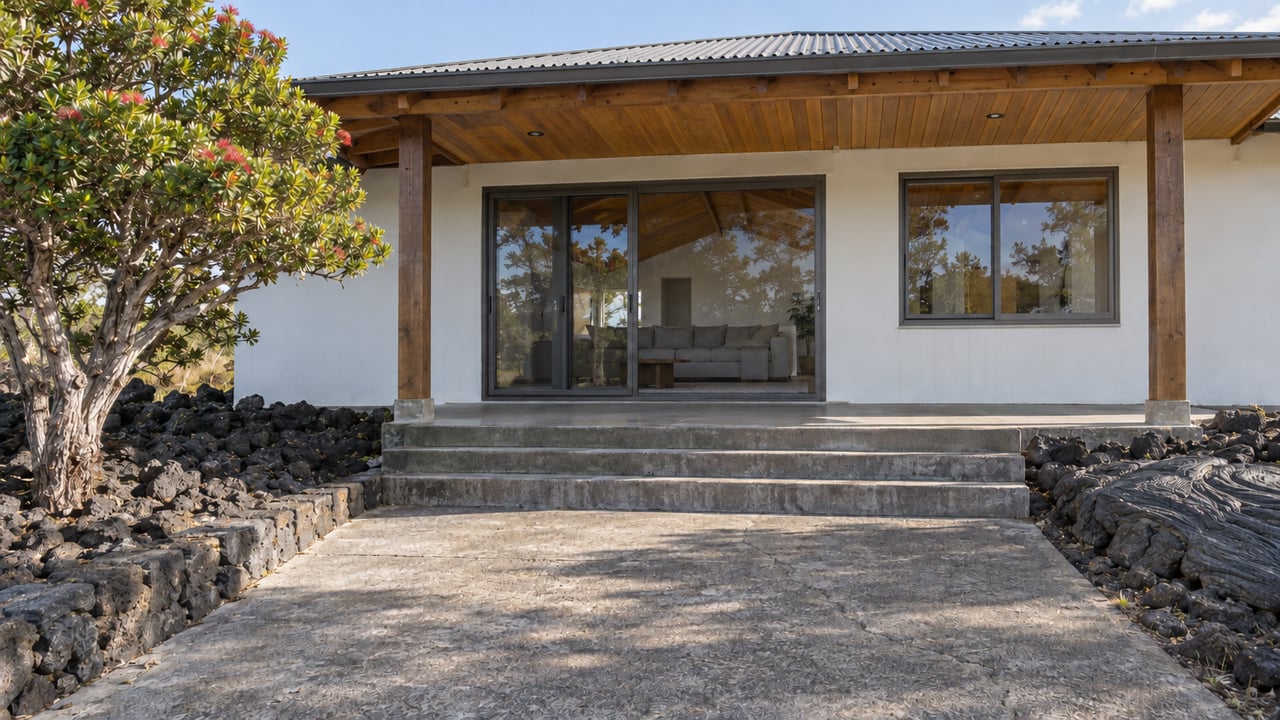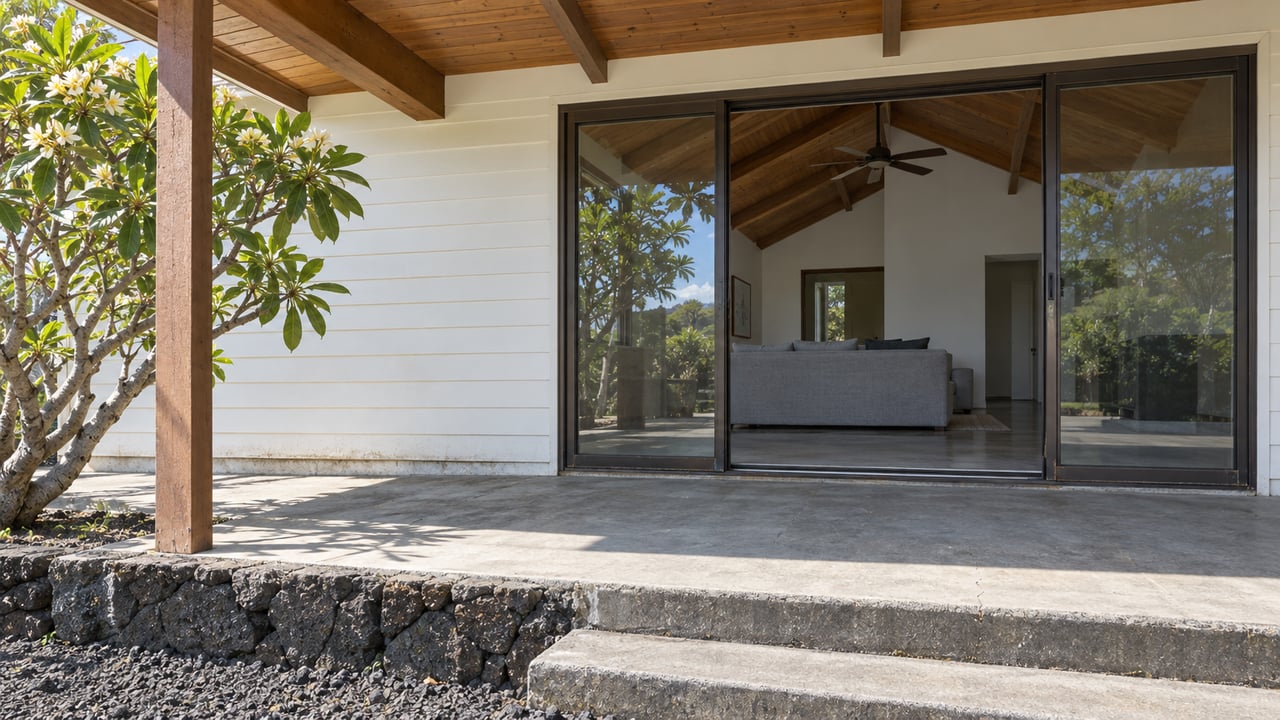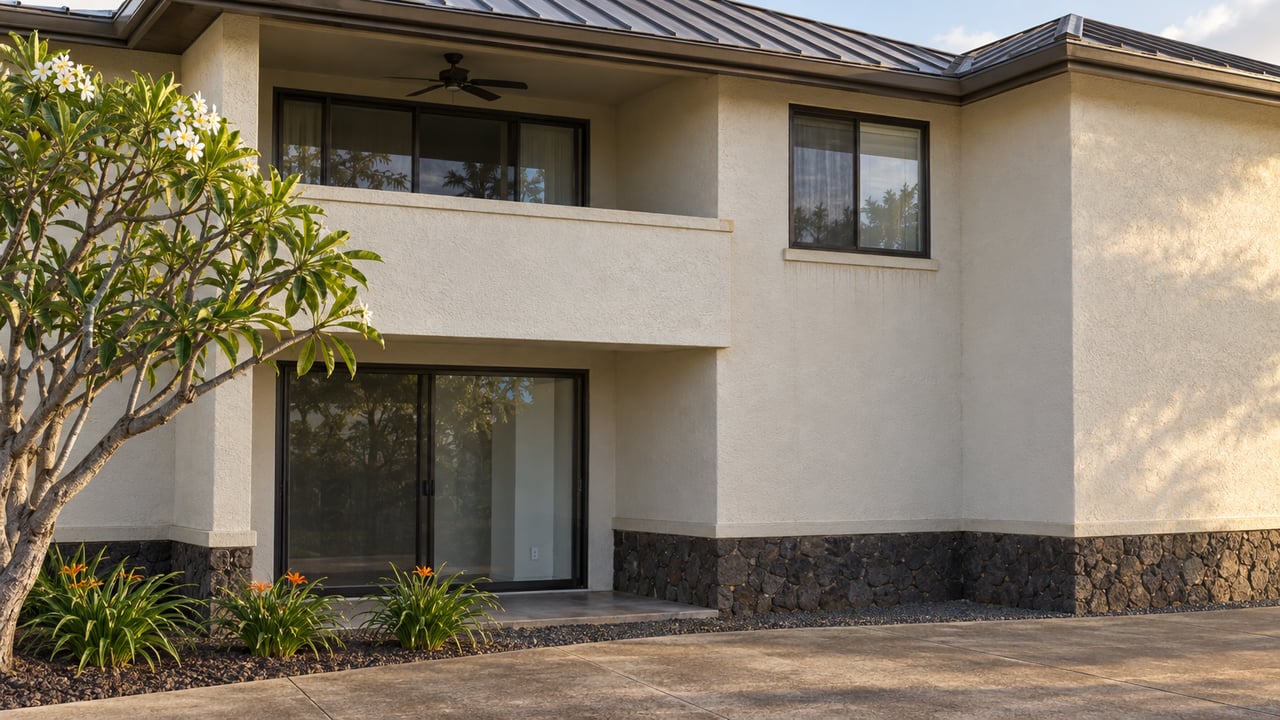
Wondering whether a Kailua Kona rental should be short-term or long-term? It is a smart question, especially when the income potential can look very different on paper. The right answer depends on more than rent estimates alone, and understanding the rules, taxes, and management demands can save you from an expensive mistake. Let’s dive in.
Short-Term vs Long-Term Basics
In Kailua Kona, short-term rentals can offer stronger gross revenue potential, but they also come with more moving parts. Long-term rentals usually provide steadier monthly income with a simpler operating model. If you are weighing the two, the real decision is not just about revenue. It is about legal eligibility, taxes, workload, and how hands-on you want to be.
For many buyers and second-home owners, this choice starts before closing. The property itself often determines what strategy is realistic. In Kailua Kona, that makes due diligence especially important.
Revenue Potential in Kona
The broader Kona market continues to show a meaningful gross-revenue advantage for short-term rentals. In the State of Hawaiʻi’s August 2025 vacation-rental report, Kona posted 46.7% year-to-date occupancy and a $431.65 average daily rate. At that run rate, gross revenue works out to about $6,047 per available listing-month or about $73,577 per available listing-year.
Long-term rent snapshots are lower, but more stable. Current Kailua Kona estimates are around $2,650 per month median on Realtor.com and $3,042 per month average on Zillow, as summarized in the research report. That gap is real, but short-term gross income comes before taxes, furnishing, cleaning, management, vacancy, and compliance costs.
Seasonality matters too. The same Hawaiʻi Tourism Authority report shows Kona’s August 2025 monthly occupancy at 40.7%, which was below the year-to-date average. That is a helpful reminder that short-term rental income can swing with travel demand, while long-term rent is usually more predictable month to month.
Zoning Comes First
In Kailua Kona, the first question is simple: Is short-term use even allowed at this property? Hawaiʻi County’s planning code permits short-term vacation rentals in V, CG, and CV districts, in resort and resort node areas, and in the RM district for multiple-family dwellings within a condominium property regime. You can review the County’s short-term vacation rental resources and related code materials before assuming a property can operate as a vacation rental.
This is why property selection matters so much. A strong-looking condo or house may not be a valid short-term rental candidate if its zoning, project rules, or registration history do not line up. In many Kona purchases, the best rental strategy is determined by the parcel first and the business plan second.
The County also recognizes some qualifying pre-existing rentals through a Nonconforming Use Certificate, often called an NUC. Under the County’s planning code materials, Bill 108 and Ordinance 2018-114 created the modern framework for these rentals. If a property depends on NUC status, confirming that status should be part of your early due diligence.
Know the Definitions
Short-term rental rules are not always defined the same way by every agency. Hawaiʻi County defines a short-term vacation rental as a dwelling unit where the owner or operator does not live on the building site, with no more than five bedrooms, and rented for 30 consecutive days or less. That is the local land-use framework.
Tax rules use a different threshold. The Hawaiʻi Department of Taxation says rentals of less than 180 consecutive days are treated as transient accommodations for tax purposes. That means a buyer can easily confuse zoning rules with tax rules, even though they are related but not identical.
There is also a private-rule layer to consider. Even if zoning allows short-term use, the County makes clear that private covenants still apply. In practical terms, condo documents or HOA rules can block a short-term rental plan even when the parcel is otherwise eligible.
Short-Term Rental Compliance in Kailua Kona
If you plan to operate a legal short-term rental, compliance is ongoing. Existing nonconforming rentals must renew their NUC annually. The County also requires an owner or reachable contact person to live in Hawaiʻi County and be available to guests, neighbors, and County agencies 24/7.
The response rules are specific. According to the County code, phone response is expected within one hour, and physical presence must be available within three hours if requested. The code also requires registration or NUC numbers in advertising, unit posting requirements, designated on-site parking, and quiet hours from 9:00 p.m. to 8:00 a.m.
That is a serious operational standard. It works best when you have reliable local support and a property that was chosen with compliance in mind.
Fines and Enforcement Risks
Kailua Kona is not a casual short-term rental market. Hawaiʻi County’s code allows civil fines of up to $500 per day for continuing violations. The criminal section also allows a first-offense fine of up to $500, with higher fines for repeat offenses.
That matters because some buyers focus heavily on projected income and not enough on legal setup. A property that is not properly registered, permitted, or allowed by private rules can create risk quickly. In this market, compliance is part of the investment math.
Taxes Can Change the Math
Taxes are one of the biggest financial differences between short-term and long-term rentals. The Hawaiʻi Department of Taxation explains that long-term rentals of 180 consecutive days or more are generally subject to Hawaiʻi income tax and GET only. Short-term rentals are subject to GET plus TAT.
For 2026, the State’s rental tax guidance notes that the State transient accommodations tax is 11% effective January 1, 2026. Hawaiʻi County also imposes a 3% County TAT, and the County GET surcharge brings the maximum visible pass-on rate to 4.7120% in Hawaiʻi County for activities taxed at the 4.0% GET rate.
There is another detail many owners miss. Under the State’s tax fact sheet on transient accommodations, mandatory cleaning or housekeeping fees, mandatory resort fees, and mandatory management fees are included in gross rental proceeds for TAT purposes. In other words, the taxable base is often broader than the nightly rate.
Fees and Administrative Costs
Short-term rentals also come with County fees and paperwork obligations. Under the County code, new eligible short-term vacation rentals pay a one-time $500 fee, while NUC renewals cost $250 annually. The County also requires proof that State GET and TAT licenses are active, County property taxes are current, parking standards are met, and a compliant site plan is filed.
Those costs may not be huge by themselves, but they should be part of your underwriting. A short-term rental that looks attractive based on nightly rates alone can feel very different once you include registration, taxes, and management structure.
Long-Term Rentals Offer Stability
Long-term rentals usually appeal to owners who want a steadier, less hands-on experience. In exchange for lower gross revenue potential, you often get fewer turnovers, less furnishing replacement, and fewer guest-related issues. For many absentee owners, that stability is the real value.
Long-term rentals are not free of regulation, though. Hawaiʻi’s residential landlord-tenant code resources state that a security deposit may not exceed one month’s rent. If any of that deposit is retained, the landlord must provide written notice and an itemized accounting, and the balance must be returned no later than 14 days after the rental agreement ends.
Repair timelines also matter. The same State resources note that emergency repairs should begin within three business days and non-emergency repairs within 12 business days after notice. As of February 5, 2026, Act 278 also created a two-year mediation pilot for nonpayment evictions if the tenant requests mediation within 10 days of receiving an eviction notice.
Management Load and Wear-and-Tear
A short-term rental is usually more operationally intense. Because guests rotate more often, you should expect more cleaning, more supply restocking, more parking coordination, and more direct communication. The County’s 24/7 reachability rules reinforce the fact that a short-term rental operates more like a hospitality business than a passive investment.
This can be a good fit if you want flexibility or plan to use the property part time yourself. It can be less appealing if you live off-island and do not want frequent issues to manage. In condo and resort-style communities, it can also create friction if rules or expectations are not aligned.
Long-term rentals tend to reduce that turnover pressure. You may still face maintenance and legal responsibilities, but the day-to-day ownership experience is often calmer. For some owners, that is worth more than chasing the highest possible gross income.
Which Strategy Fits Best?
A short-term rental tends to make the most sense when the property is legally eligible, HOA or condo rules allow the use, and you have strong local management support. It also needs enough gross-revenue upside to justify higher taxes, furnishing, turnover costs, and compliance demands. In Kailua Kona, that usually means buying with the County framework already in mind.
A long-term rental often makes more sense if you value predictability, lower operational intensity, and fewer guest-related issues. You still need to understand landlord-tenant law, but the tax structure is simpler and the monthly income pattern is usually steadier. For many second-home owners and absentee investors, that tradeoff is a practical one.
A Smart Due Diligence Checklist
Before you buy or change a property’s rental use in Kailua Kona, work through the basics carefully:
- Verify the property’s TMK zoning
- Confirm whether the parcel is in a permitted resort, commercial, or qualifying condominium context
- Review HOA or condo documents for rental restrictions
- Confirm short-term vacation rental registration or NUC status, if applicable
- Check parking compliance requirements
- Ask how the property will be classified and taxed at the County level
These steps often determine whether a property is a true short-term rental candidate, a better long-term hold, or not a good fit for either strategy.
If you are comparing rental options in Kailua Kona, the best next move is to match the property to the rules before you match it to a revenue goal. The team at Hawai'i Estates brings local market knowledge, practical investor perspective, and careful transaction guidance to help you evaluate the real-world fit of a property before you commit.
FAQs
What makes a property eligible for a short-term rental in Kailua Kona?
- A property generally needs to fall within Hawaiʻi County’s permitted zoning or qualifying resort or condominium framework, and it also must comply with any HOA or condo rental restrictions.
What taxes apply to short-term rentals in Kailua Kona?
- Short-term rentals are generally subject to GET, State TAT, and County TAT, while long-term rentals of 180 consecutive days or more are generally subject to income tax and GET only.
What is the main advantage of a long-term rental in Kailua Kona?
- The main advantage is usually steadier income with less turnover, less furnishing wear, and a simpler day-to-day management profile.
What is the biggest risk of assuming a Kailua Kona property can be a vacation rental?
- The biggest risk is buying a property that does not meet County zoning, registration, NUC, parking, or private-rule requirements, which can lead to compliance problems and fines.
What should buyers review before purchasing a rental property in Kailua Kona?
- Buyers should review zoning, HOA or condo rules, registration or NUC status, parking requirements, and the likely tax treatment of the property before moving forward.