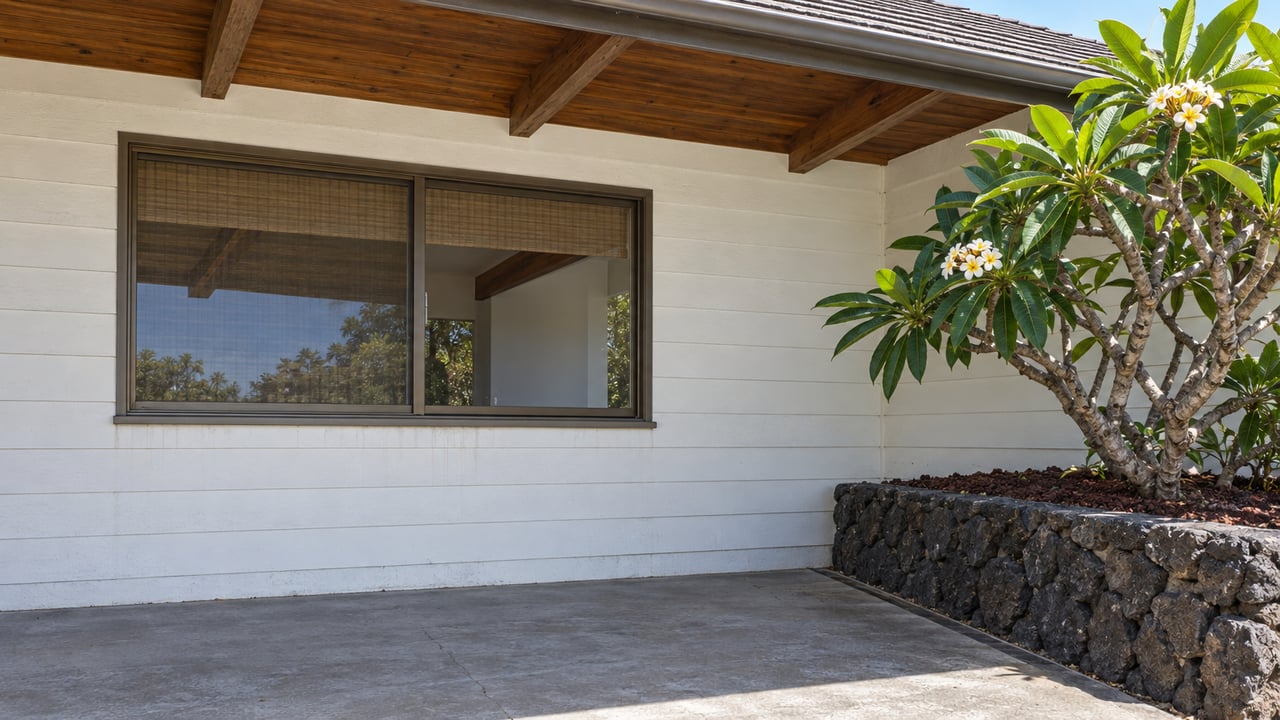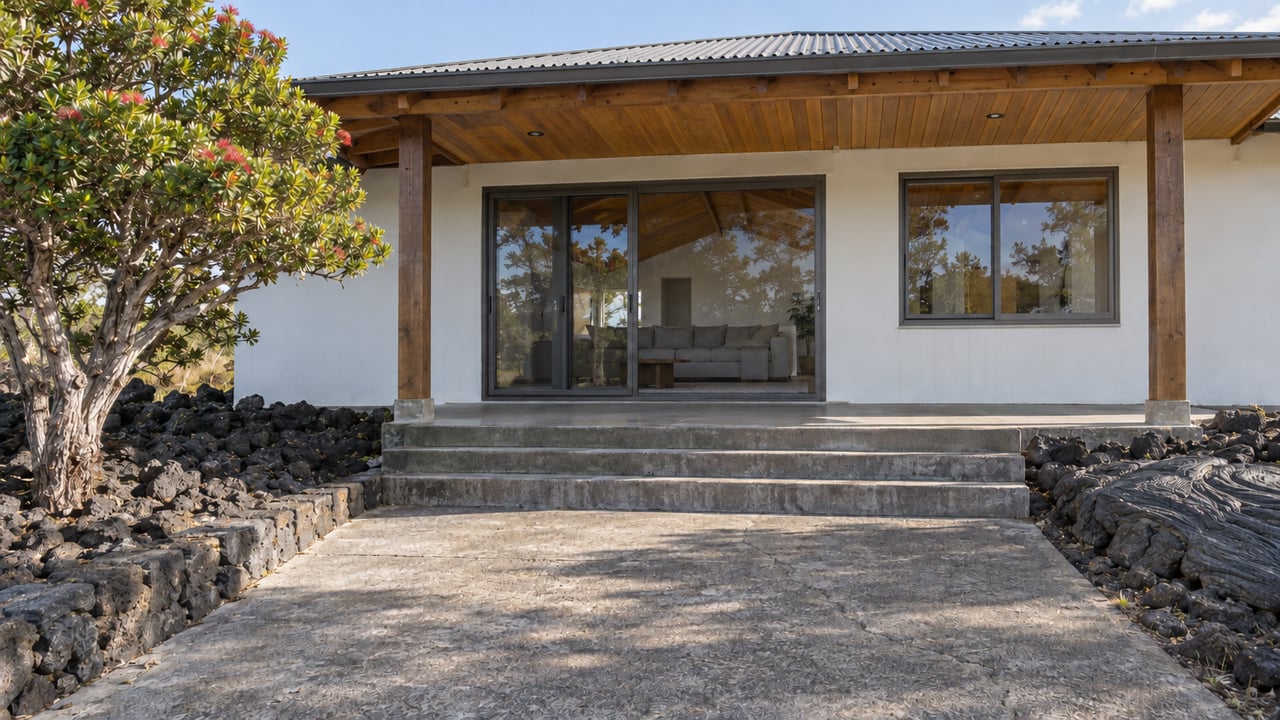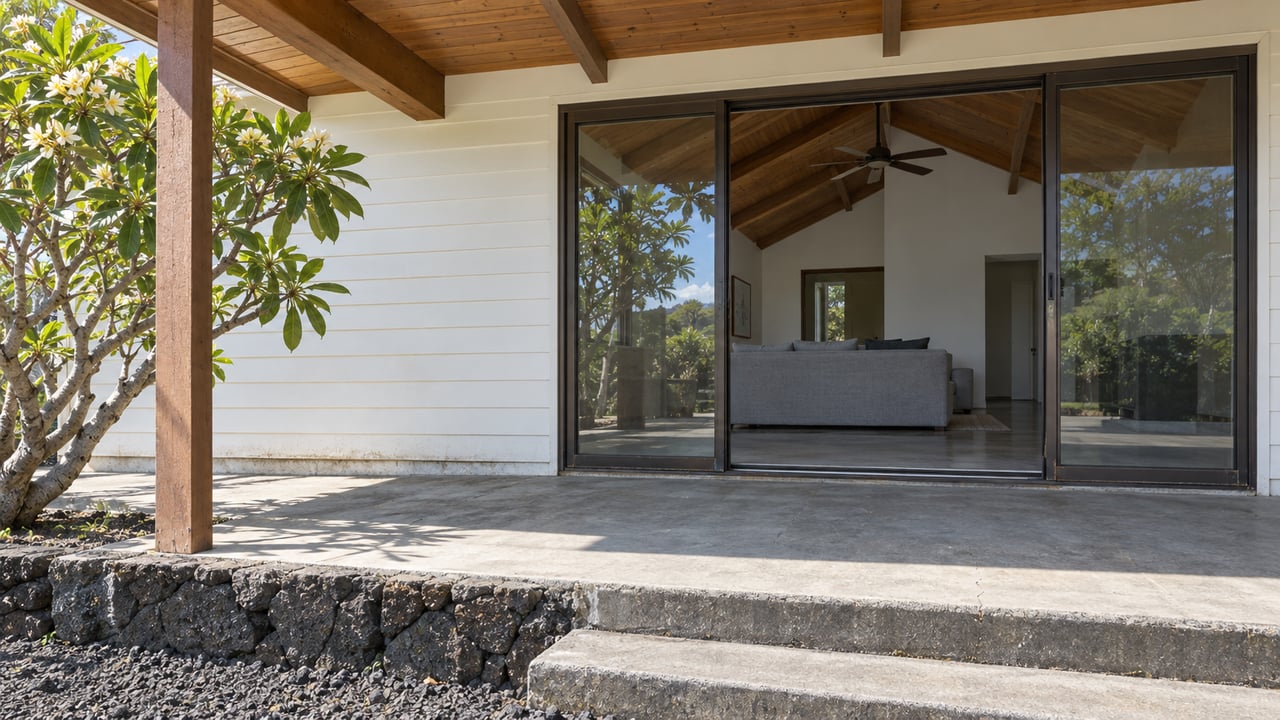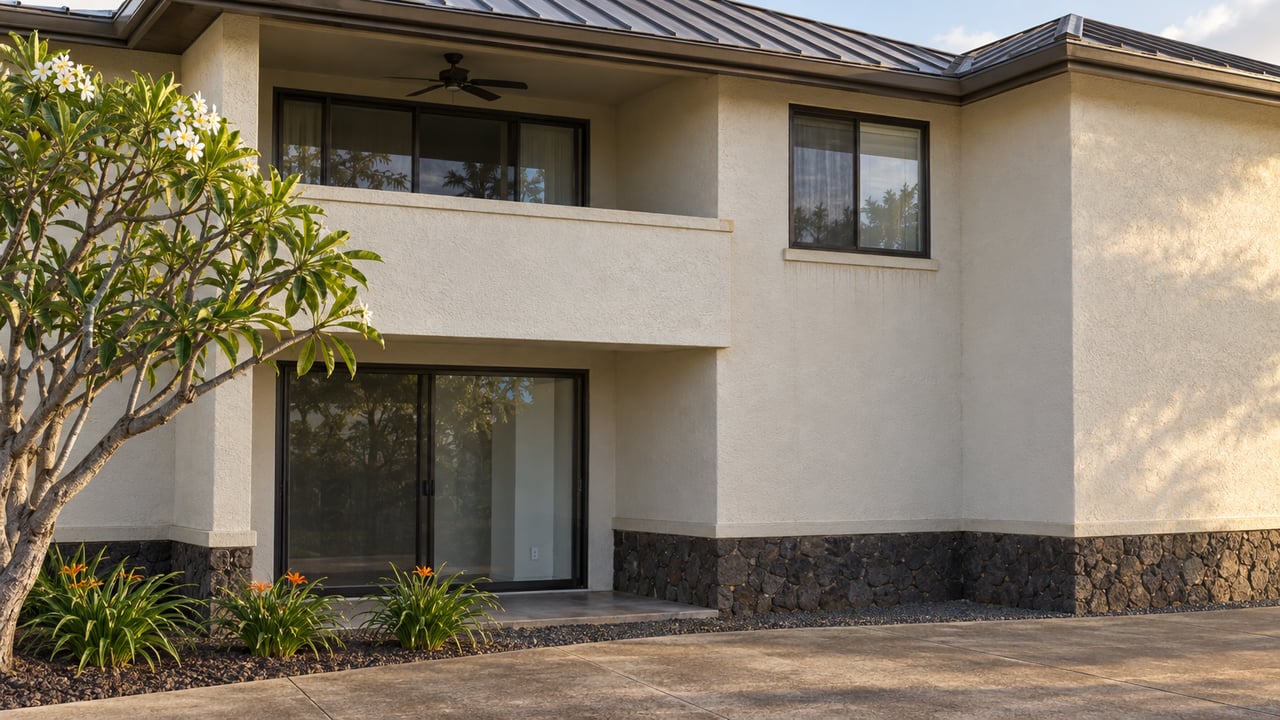
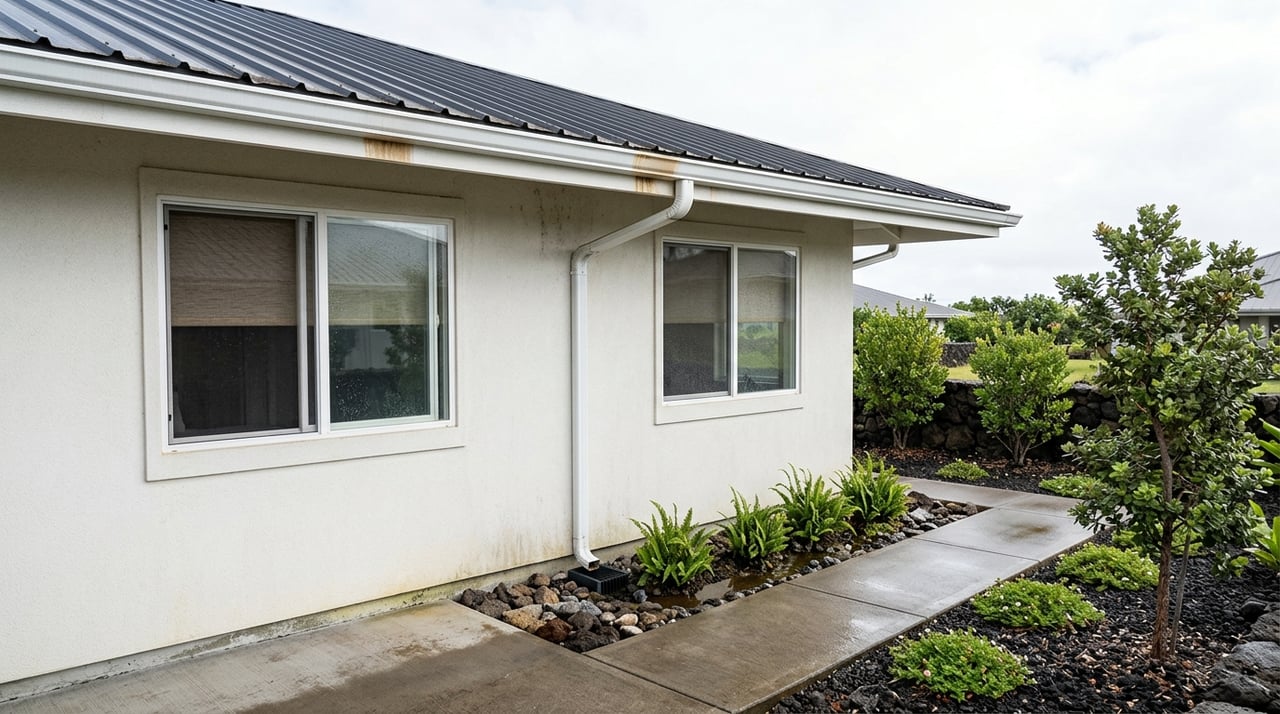
Wondering why one North Kona home feels sunny and dry while another, just a short drive uphill, feels cooler, greener, and cloudier? That is not your imagination. North Kona has some of the most noticeable microclimate shifts on Hawaiʻi Island, and those changes can affect your comfort, yard work, home upkeep, and even the kind of property that feels right for your lifestyle. If you are thinking about buying in the area, understanding elevation and rainfall can help you choose with more confidence. Let’s dive in.
Why North Kona Feels So Different
North Kona sits on the leeward side of Hualālai, which helps create sunnier and drier conditions than many windward parts of Hawaiʻi. At the same time, the mountain landscape creates sharp local climate differences over short distances. According to the National Weather Service climate summary for Hawaiʻi, leeward areas tend to be drier and sunnier, and temperatures generally drop about 3°F for every 1,000 feet of elevation.
That means North Kona is better understood as a stack of microclimates rather than one single weather zone. The ecological gradient on the Kona flank shows a progression from sparse coastal growth to drier forest, then mesic and wetter forest types, and finally cooler upland systems as elevation rises, as described in the U.S. ecological site description for the Kona flank.
How Elevation Shapes Daily Life
Elevation affects more than the view. It can influence how warm your afternoons feel, how often you need irrigation, how much cloud cover you see, and how much maintenance your property may need over time.
In North Kona, even a relatively short drive mauka can bring cooler air and more greenery. The same climate pattern that supports the Kona coffee belt also helps explain why some buyers prefer the coast while others are drawn to the uplands.
Coastal Band: Drier and Sunnier
The coastal or makai band in North Kona is roughly 0 to 300 feet in elevation. This corridor aligns most closely with areas around Kailua-Kona and Kahaluu-Keauhou, with nearby North Kona place names such as Kalaoa and Honalo also appearing in regional mapping. For reference, Ellison Onizuka Kona International Airport sits at about 47 feet above sea level, according to the airport information page.
This lower band is dry by Hawaiʻi standards. NOAA normals for KOA show total annual precipitation of 9.87 inches, based on the 1991 to 2020 monthly climate normals.
If you want less rain, more sun, and generally simpler yard care, this band often makes sense. On makai lots, though, salt spray and wind exposure can matter for landscaping. The University of Hawaiʻi CTAHR notes that salt and salinity conditions can shape what grows well in coastal settings.
What the Coastal Band May Suit
- Buyers who want the least rain
- Owners looking for lower-maintenance yards
- Those who prefer warmer temperatures
- Buyers focused on easy access to coastal amenities and town services
Transition Band: Views and Balance
The transition band is roughly 300 to 1,700 feet. This is where many buyers start to notice a meaningful shift in temperature, vegetation, and cloud cover while still staying within a manageable drive to the coast.
A county EIS describing Kona Coastview and Kona Wonder View places these areas at roughly 810 to 1,740 feet, with annual rainfall around 40 to 50 inches and temperatures in the 60s to 80s, according to the Kona Coastview subdivision report. That is a major contrast from the drier coastal strip.
For many buyers, this band offers a middle path. You may get cooler evenings and broader view corridors, along with more greenery than the coast, without moving fully into the cloudier upland environment.
What the Transition Band May Suit
- Buyers who want a balance of warmth and cooler evenings
- Those who value elevation and views
- Owners comfortable with moderate landscape care
- House hunters comparing climate as much as floor plan
Mauka Band: Cooler and Greener
The mauka or upland band generally starts around 1,700 feet and rises to 3,000 feet or more. In practical terms, this is the cooler, cloudier, more garden-oriented side of North Kona, including the broader upland corridor associated with Hōlualoa and Honalo in the North Kona ahupuaʻa map.
The Rainfall Atlas and Three Mountain Alliance data cited in the research show the Kona slope moving into montane dry and mesic systems above about 3,000 feet. In everyday terms, that can mean more moisture, more cloud cover, and a noticeably different outdoor experience than what you find near the shoreline.
This band can appeal to buyers who want more greenery, bigger lots, and stronger gardening potential. It can also mean more regular upkeep, especially where moisture and irrigation are more consistent.
What the Mauka Band May Suit
- Buyers who prefer cooler temperatures
- Owners who want greener surroundings
- People interested in gardens and larger upland lots
- Buyers prepared for more ongoing maintenance
Rainfall Matters Beyond the Forecast
North Kona’s rainfall pattern is unusual. The National Weather Service summary notes that the Kona side is the only part of Hawaiʻi with an afternoon rainfall peak and more summer rain than much of the rest of the state.
That pattern helps explain why a home search in North Kona is not just about checking average rainfall for the island. The Kona slopes have an upslope rain belt, and middle elevations can benefit from fog drip as an added moisture source. In other words, two homes in the same district may have very different water and landscape conditions.
Gardening and Water Needs
If you enjoy gardening, microclimate can be one of the biggest quality-of-life factors in your purchase. Drier makai lots may need more irrigation support, while middle-elevation fog zones may receive meaningful moisture from cloud and fog patterns.
CTAHR’s rainwater catchment resources can be helpful context for buyers thinking about water use on drier properties. On the coast, plantings may need to handle salt and wind exposure. Farther mauka, the greener setting can support a broader range of plant life, but it may also mean more trimming, drainage planning, and moisture management.
Maintenance Changes With Moisture
Rainfall and irrigation affect more than landscaping. They also shape how much attention a property may need over time.
CTAHR notes that consistent moisture can create ideal soil conditions for termite infestation. For buyers, that is a practical reminder that greener or more heavily irrigated yards may require extra attention to drainage, wood-to-soil contact, and overall exterior maintenance.
This does not mean one elevation band is better than another. It means the right fit often comes down to what kind of upkeep you are comfortable with and how you want to live day to day.
Price Does Not Follow Elevation Alone
It is easy to assume higher elevation always means higher pricing, but North Kona is not that simple. The market varies widely based on property type, lot size, condition, views, renovation level, and HOA structure.
Title Guaranty’s October 2025 Big Island market report placed North Kona’s median single-family sale price at $1.2725 million, condo median at $620,000, and vacant land median at $670,000. The same research set also noted directional neighborhood figures for Kailua-Kona, Kahaluu-Keauhou, and Holualoa that were all relatively close compared with the wide spread seen in actual individual properties.
That matters because a lower-elevation condo, a mid-slope home with views, and an upland custom property can all serve very different goals. Climate should be part of the conversation, but it should sit alongside condition, renovation needs, carrying costs, and how you plan to use the property.
How to Choose the Right Microclimate
The best way to choose a North Kona home is to match the microclimate to your daily routine, not just your wish list. A beautiful view or lush yard may lose its appeal if the upkeep does not fit your schedule or budget.
As a simple starting point, you can think about North Kona like this:
- Makai often fits buyers who want sun, less rain, and easier yard care
- Mid-slope often fits buyers who want a compromise between warmth, views, and cooler evenings
- Mauka often fits buyers who want greener surroundings, more garden potential, and are comfortable with more maintenance
If you are buying from off-island or comparing several areas in one trip, this kind of climate context can save time. It helps you focus on homes that fit how you actually want to live.
A Smarter Way to Tour North Kona
When you tour homes in North Kona, try to pay attention to more than finishes and square footage. Notice the temperature when you step outside, the wind exposure, the condition of the landscaping, and whether the setting feels dry, lush, or somewhere in between.
That is where local guidance can make a real difference. A home may look similar online, but its elevation and rainfall pattern can change your ownership experience in ways that listing photos cannot show. If you want help narrowing down neighborhoods, comparing maintenance tradeoffs, or evaluating property condition with a practical lens, Hawai'i Estates brings local Kona knowledge, construction-aware insight, and hands-on guidance to help you choose with confidence.
FAQs
What are North Kona microclimates for homebuyers?
- North Kona microclimates are small climate zones shaped by elevation, rainfall, and mountain geography, which can make one area sunnier, drier, cooler, or greener than another nearby area.
How does elevation affect weather in North Kona?
- Elevation generally brings cooler temperatures in North Kona, with NOAA noting that temperature drops about 3°F per 1,000 feet as you move upslope.
Which part of North Kona is driest?
- The coastal or makai band is typically the driest, with KOA climate normals showing about 9.87 inches of annual precipitation.
Which North Kona areas may feel greener and cooler?
- Mid-slope and mauka areas, including the broader upland corridor associated with places like Hōlualoa and Honalo, often feel cooler and greener because of increased moisture and cloud cover.
Why does rainfall matter when buying a North Kona home?
- Rainfall can affect landscaping, irrigation needs, drainage, exterior upkeep, and how much maintenance you may need to plan for over time.
Is a higher-elevation North Kona home always more expensive?
- No. North Kona pricing varies by property type, views, condition, lot size, renovation level, and HOA structure, so elevation alone does not set value.
What should buyers compare besides price in North Kona?
- You should compare climate comfort, yard care needs, moisture exposure, maintenance expectations, and how well each location fits your everyday lifestyle.